
3 Minutes
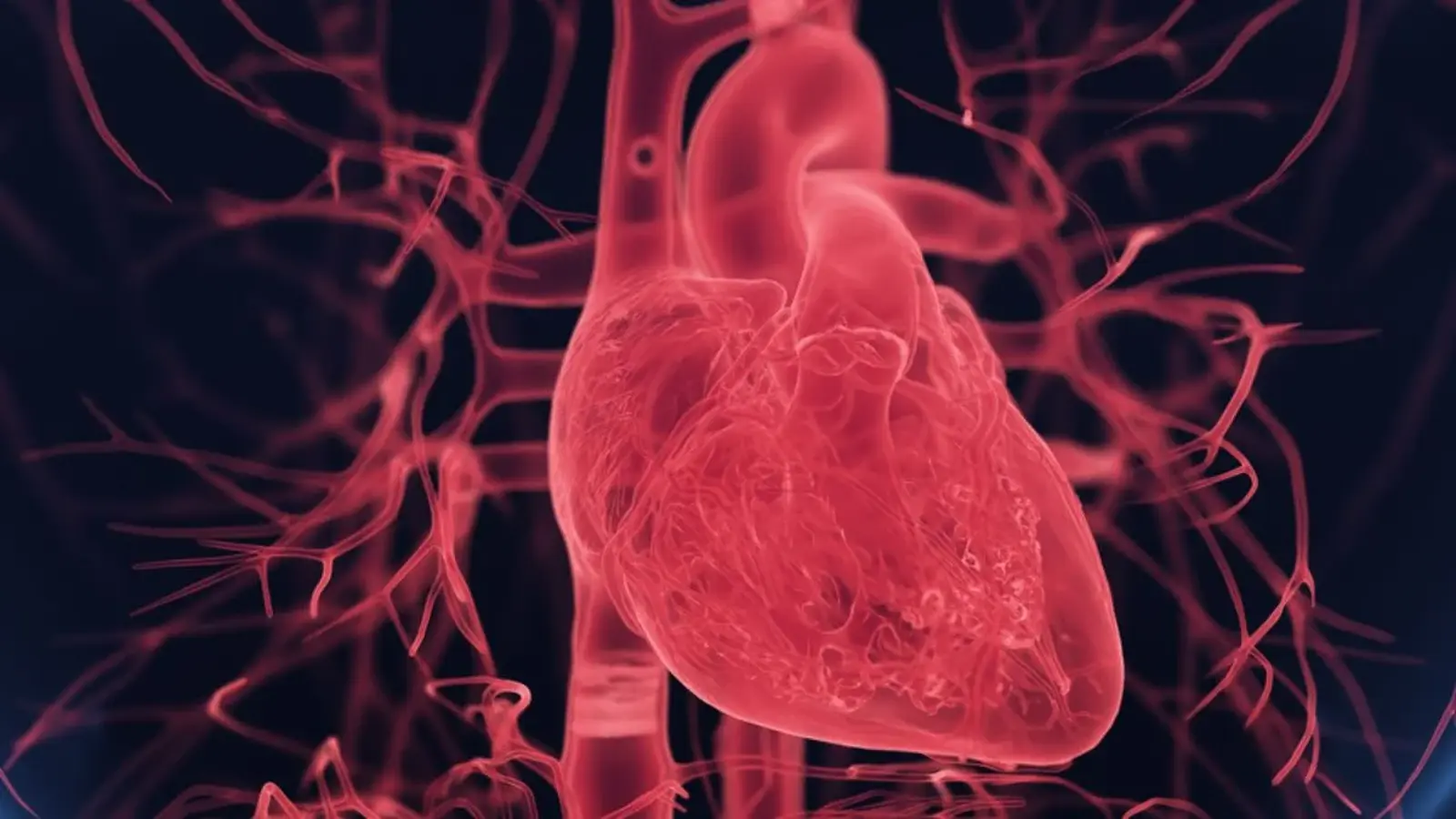
She walked into the emergency department dizzy, sweating, and clutching a pain that started near her shoulder blade and traveled down her left arm. Tests returned 'normal.' She was sent home. By the next night, Barbara Collura had suffered a heart attack.
Barbara's story is personal. It's also a pattern seen around the world. In wealthy health systems, experts estimate that closing the gender gap in cardiac care could prevent as many as one in five heart attack deaths among women. In the United States, young women under 55 are seven times more likely than men to leave the emergency room without the cardiac testing that could save them.
Why does this happen? One three-letter word does much of the damage: atypical. For decades clinicians have labeled women's heart attack symptoms as 'atypical' because they don't always match the dramatic, clutch-your-chest image we expect. But when half the population presents one way, the word becomes misleading. The core sign—chest pain—remains common in both sexes. Studies find that over 90 percent of people having a heart attack report chest discomfort.

The real difference is in the company that chest pain keeps. Women are more likely to report nausea, breathlessness, fatigue, jaw pain or pain between the shoulder blades alongside, or instead of, crushing chest pain. Those extra symptoms can create diagnostic noise. A pattern labeled 'unusual' can be rewritten in a clinician's mind as 'unlikely to be cardiac,' and that can be deadly.
Medicine has long used the male body as its default. That bias has a name in cardiology: Yentl syndrome—coined by Bernadine Healy in 1991 to describe how women often must appear like men to get equal care. Three decades later, traces of that syndrome remain. Many landmark trials enrolled mostly men, and guidelines—on aspirin use, triage thresholds, even risk calculators—still reflect that history. Female-specific risk factors like menopause, polyendocrine metabolic ovary conditions, and pregnancy-related complications are sometimes absent from standard assessments.

The consequences are concrete. Compared with men, women with heart attack symptoms are less likely to receive aspirin, to be resuscitated when needed, or to be transported by ambulance with urgency. Language matters. When physicians call a symptom pattern 'atypical,' it changes the trajectory of care. Leading cardiologists are urging a change in how we describe, teach, and act on women's cardiac symptoms. Progress is happening. Slowly.
There is also a public misconception that heart attacks are always cinematic—sudden, crushing, obvious. In truth, many heart attacks arrive quietly. They can begin as a dull pressure that comes and goes. They can occur during sleep or at rest. Women are more likely than men to describe subtler, diffuse sensations that slip under the radar for both patients and clinicians.

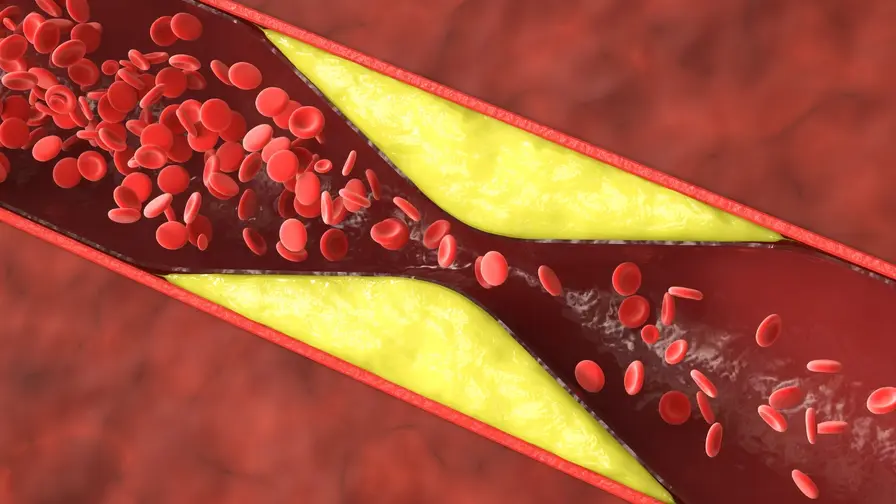
Barbara was diagnosed only after a third visit; her artery was 99 percent blocked. Her recovery has turned her into an advocate. Her message is plain: trust your instincts. If you notice new, unexplained chest discomfort, shortness of breath, or a cluster of odd symptoms that don’t make sense, seek urgent care. It’s better to be cautious. If you suspect a heart attack, don’t drive yourself—call emergency services.
Changing outcomes will take both public awareness and clinical recalibration: updated training, better inclusion of women in research, and diagnostic paths that honor symptom diversity rather than dismiss it. Until that happens, patients must speak up and clinicians must listen differently—because heart disease kills women as often as it kills men, and every missed diagnosis is preventable.










Leave a Comment
Comments
No comments yet. Be the first.