
Justin Timberlake. Simone Biles. A kid sketching in the margins of a math worksheet. What do they share? Not a diagnosis, but a way of thinking that sometimes looks like chaos and at other times looks like genius.
Neuroscientist Dr. Radwa Khalil of Constructor University and colleagues unpack that paradox in a new iScience paper. The team—working with researchers from several leading French institutions—mapped how attention and creative thinking overlap in the brain. Their conclusion upends a simple deficit model of ADHD: the same cognitive quirks that make routine tasks harder can, when channeled, spark inventiveness and deep focus.
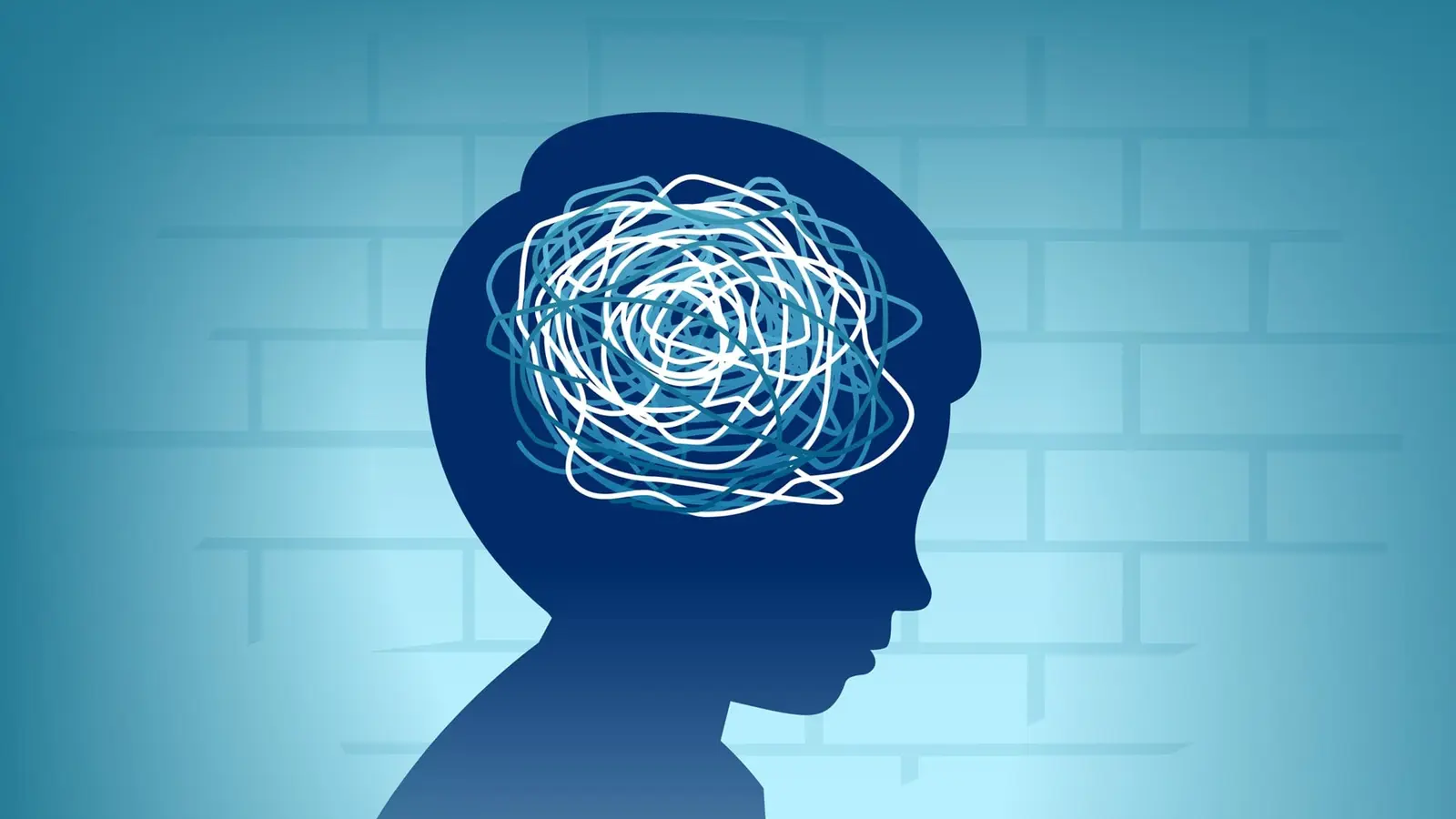
Think of attention as a beam of light. Most people can narrow it to illuminate a single object. Some ADHD brains sweep a wider beam, gathering more cues at once. That breadth—often labeled "defocused attention"—can produce distraction. It can also stitch together distant ideas in surprising ways. Short bursts of mind wandering. Long chains of free association. Suddenly, a seemingly irrelevant detail becomes the seed of an idea.
That’s not just poetic. The study synthesizes evidence from imaging, cognitive testing, and clinical observation to show shared neural networks for attention control and creative generation. Styles of thinking linked to ADHD—distractibility, rapid associative leaps, an appetite for novelty—map onto brain systems that support flexible problem solving and original thought.

What makes this more than an academic curiosity is the therapeutic angle. Nearly 8% of children worldwide live with ADHD. Medications help many, but they are not a complete answer. Dr. Khalil and her coauthors point to arts-based and embodied practices—artmaking, music, dance, creative writing, even structured gaming—as nonpharmacological ways to harness defocused attention. These activities provide a scaffold for exploratory cognition, giving the brain a safe workshop in which to practice directing its wider spotlight.
Creative practices can serve as structured ways to harness defocused attention and strengthen the brain circuits involved in attention control.
Imagine a child who loses track of time while painting. That absorption is often framed as escape. Viewed differently, it’s a cognitive workout: the circuitry that facilitates sustained engagement gets recruited through pleasurable, meaningful activity. Over time, that engagement may translate into improved self-regulation, reduced impulsivity, and more reliable focus in other contexts.
The paper does not claim a miracle cure. The link between attention and creativity is complex and not yet fully mapped. Dr. Khalil is careful: moving from promising lab findings to clinical practice requires rigorous, long-term trials and collaboration across disciplines—neuroscience, clinical psychology, art therapy, education, and rehabilitation sciences.
Still, the implications are vivid. If attention can be widened or narrowed like a beam, then treatment can be less about erasing difference and more about designing environments and activities that make those differences productive. For some people, the path to greater focus might run through a music studio or a dance class rather than a pharmacy shelf.
That idea—of working with a brain’s natural tendencies instead of against them—feels less like a paradigm shift and more like common sense. The next phase of research will test whether creative programs can reliably reshape attention networks and improve everyday functioning. In the meantime, we might begin to look at distractibility with a different curiosity: not only as a problem to fix, but as a potential engine for discovery and expression.


Leave a Comment
Comments
No comments yet. Be the first.