
2 Minutes
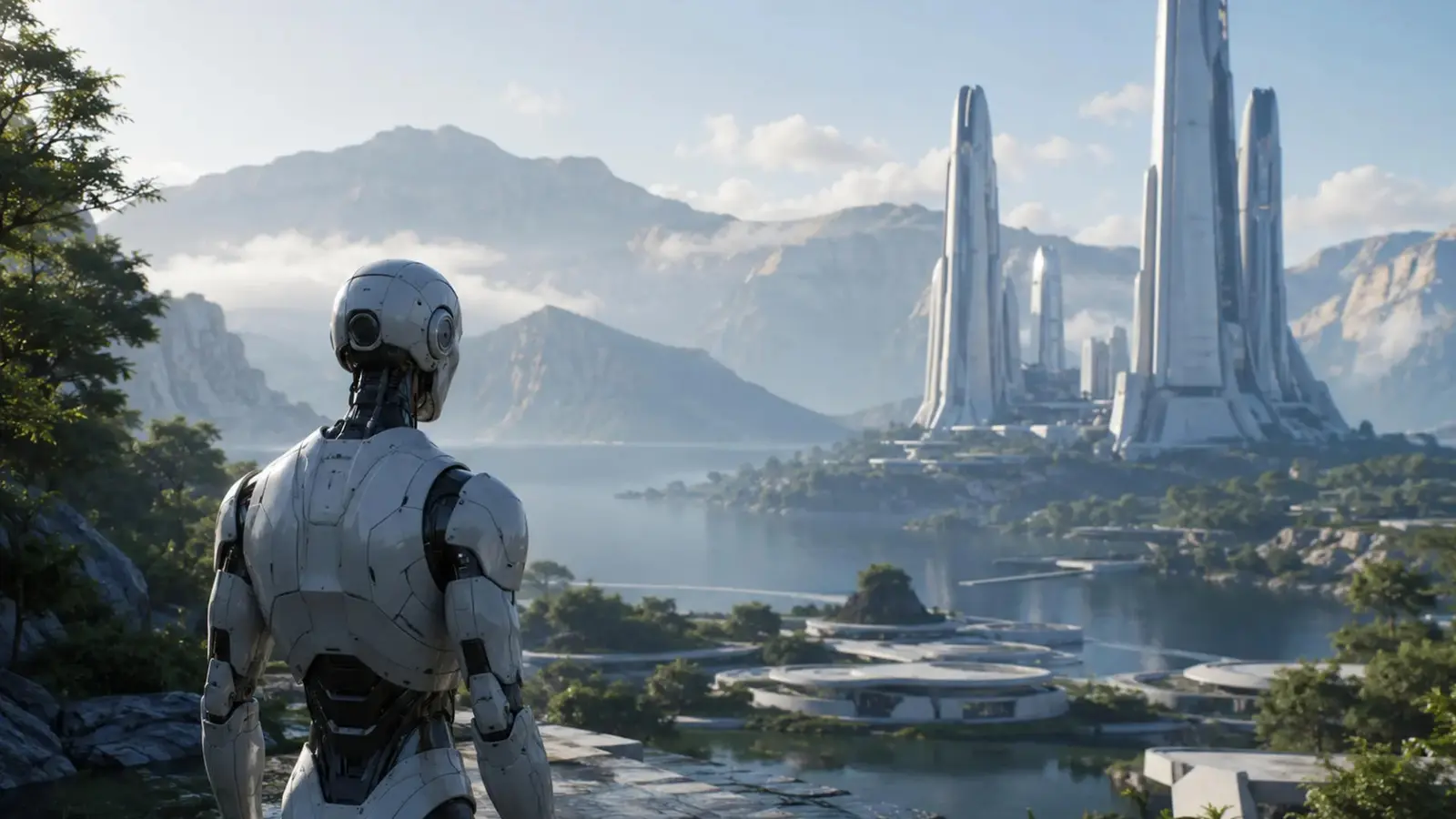
Broken vistas. Melting geometry. That’s been the fate of many simulated worlds after only a few seconds of runtime. LingBot-World 2.0 arrives as a rebuttal — not a tweak, but a rethinking of how virtual environments sustain themselves over time.
Rabiant, the embodied-AI arm of the Morchegan Group, unveiled LingBot-World 2.0 as an interactive, open-source world model engineered to stop the slow collapse of textures and shapes that used to plague long simulation sessions. The claim is bold: the model maintains structural and visual coherence for a full hour of continuous exploration, even across a sequence of varied scenes.
How do they do it? By treating the simulated environment as a causal world — a living system of events and consequences rather than a frame-by-frame reconstruction task. The engine streams at 720p and 60 fps in real time, and in Rabiant’s internal testing it ran a continuous 60-minute session spanning 20 different scenes with no observable visual decay or artifacting.

Architecturally, LingBot-World 2.0 uses a two-tiered broker loop. At the upper layer, a vision-language model proposes events as the scene unfolds, spotting opportunities for action, emergent drama, or environmental change. At the same time, a director broker injects new activities to keep the world dynamic — movement, combat sequences, sudden weather shifts, even coordinated multiplayer interactions in a shared instance. The result reads less like a scripted demo and more like a plausible, evolving world.
This is not just a demo trick: the team released model weights and source code as open source, making the system available for developers, researchers, and creators to inspect and extend.
The public release includes a 14-billion-parameter version of the model, and the accompanying paper describes a smaller 1.3-billion-parameter variant optimized to run on a consumer GPU. That dual-pronged approach makes it possible for labs with serious compute and indie builders with a single GPU to both experiment with persistent virtual worlds.
A live demo is being hosted with Rabiant’s commercial partner, Reactor, and anyone curious can experience the model directly through that showcase. For game makers, simulation researchers, and anyone chasing believable persistent virtual spaces, LingBot-World 2.0 is a signal: long-term visual stability is now within reach. Who will build the next generation of persistent worlds now that the walls finally stay put?


Leave a Comment
Comments
No comments yet. Be the first.