
3 Minutes
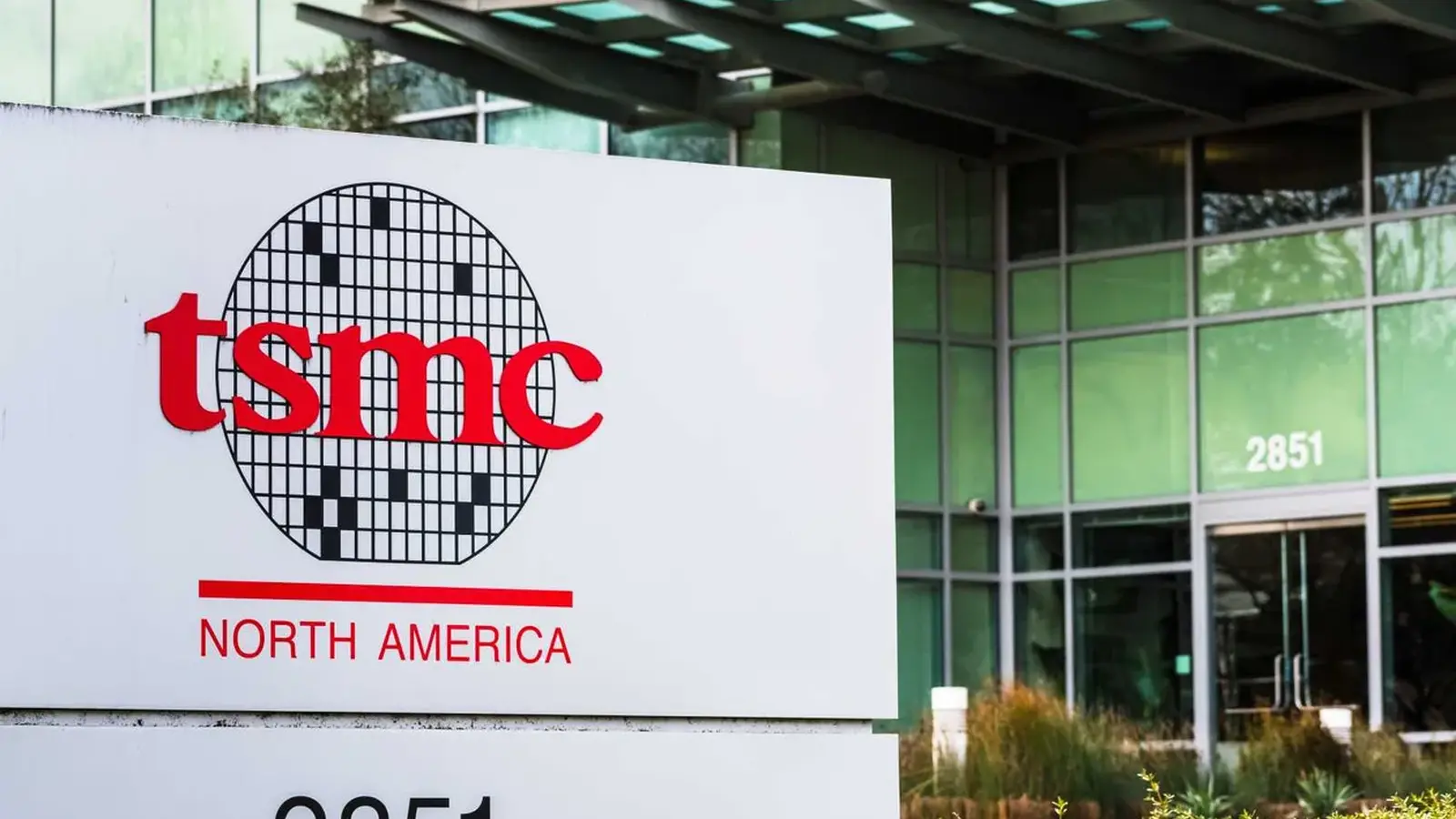
TSMC is stepping up in a way that will make the semiconductor map of America look very different within a decade. The Taiwan-based contract foundry said it will commit an additional $100 billion to expand chip production in the United States, lifting its total U.S. investment commitments to roughly $265 billion.
It’s not a random bet. After a surge in demand for chips used in artificial intelligence, TSMC posted record profits and raised its annual revenue outlook. Datacenters hungry for compute, cloud providers scaling up, and customer leaders like Nvidia and Apple all point to a long runway for advanced logic chips. Qualcomm, too, is quietly readying the next generation of powerful mobile and compute chipsets to ride that wave.
TSMC has already earmarked about $165 billion for its Arizona complex—six fabs planned there—and executives say the fresh $100 billion will likely fund up to four additional plants in Arizona focused on bleeding-edge nodes at 2 nm and below. The shift is clear: push production closer to major U.S. customers and build capacity for the most advanced process technologies.
Capital spending has been scaled up across the company. TSMC raised its 2024 capex guidance to $60–64 billion from an earlier $52–56 billion range. The rationale is simple: to meet demand and to avoid being caught flat-footed when customers accelerate purchases. C.C. Wei, TSMC’s chairman and CEO, framed the move as both a response to leading U.S. clients and a strategy to strengthen America’s semiconductor ecosystem—reinforcing supply chains and creating more high-paying tech jobs.

Financials back the expansion. In the second quarter TSMC recorded net profit of NT$706.6 billion (about $22 billion), up 77% year-over-year, and revenue of NT$1.27 trillion (roughly $39 billion), a 36% annual rise. Management now expects annual revenue growth in 2026 to be a bit above 40%, up from its prior forecast of just over 30%.
Is there risk? Of course. Some investors worry about an AI-driven bubble in chip valuations and whether capacity additions will outpace demand. Yet analysts such as William Li at Counterpoint Research argue the additional investment is essential—both to support TSMC’s long-term growth and to satisfy an expanding, compute-heavy market.
This isn’t just about more fabs. It’s a geopolitical and industrial pivot: advanced manufacturing capacity moving nearer to major consumers, deeper integration with U.S. supply chains, and bets on processors that will power the next wave of AI applications. The question now is tactical—how quickly can these fabs come online, and will customers’ AI appetites keep growing as projected?
For now, TSMC is making a clear statement: it will build the capacity the AI era demands, and it is willing to spend the capital to prove it.


Leave a Comment
Comments
No comments yet. Be the first.