
4 Minutes
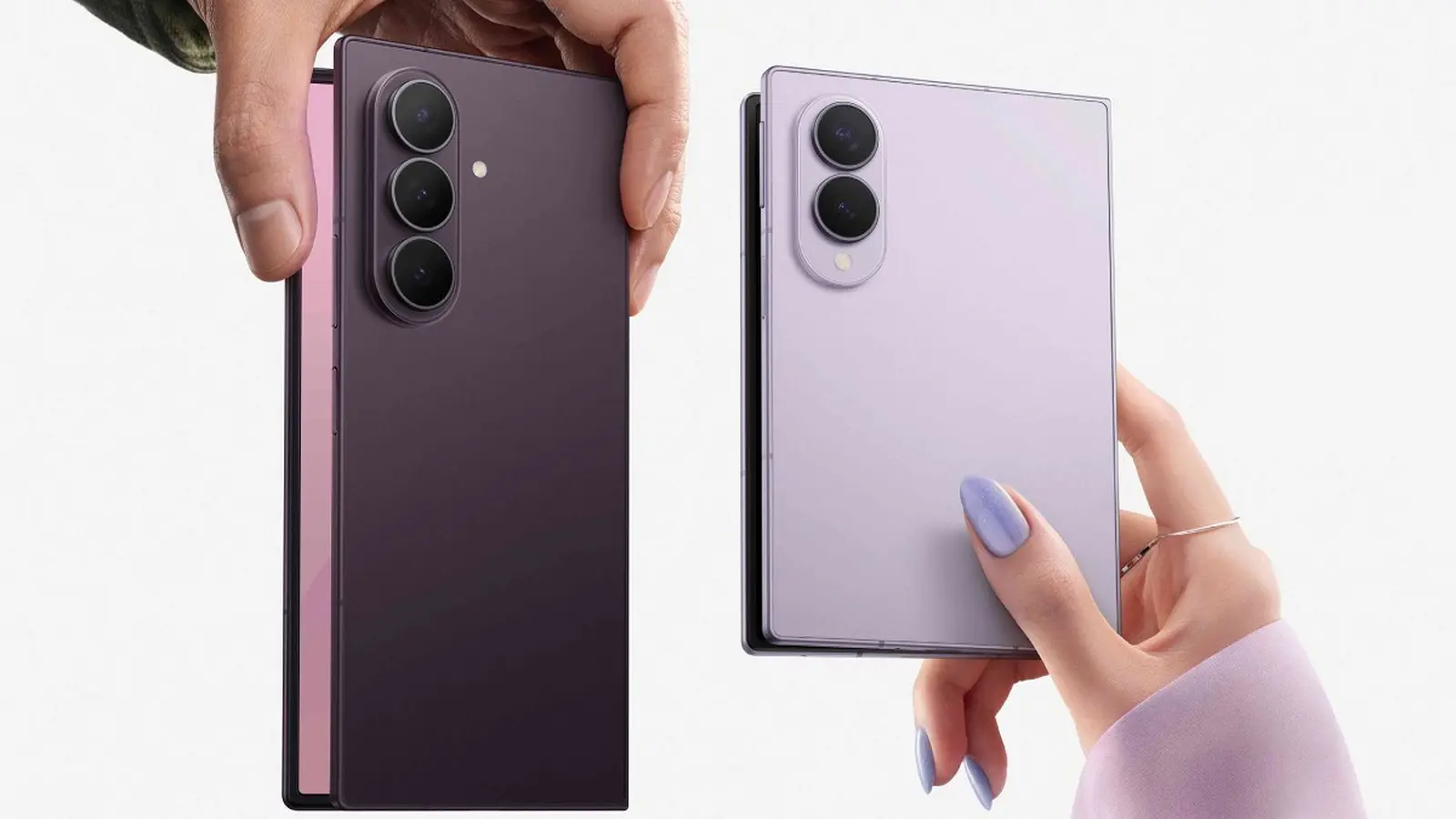
Samsung has quietly reshuffled the foldable deck. Two new Z Fold8 models arrive with different missions: one widens the format for everyday use, the other chases the title of the ultimate foldable. The names say it plainly — the Galaxy Z Fold8 is the practical, wider-minded option, while the Z Fold8 Ultra is the flagship gladiator, built to impress photographers and power users alike.
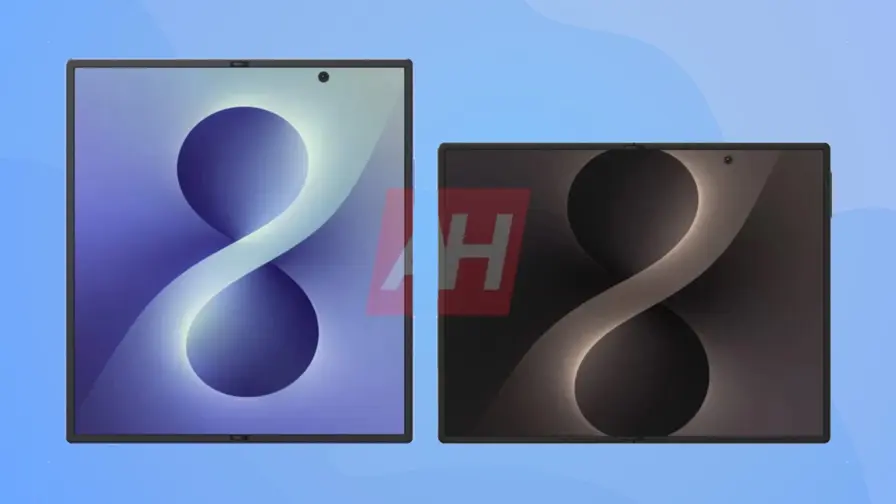
Think of the regular Fold8 as a modern throwback. Close it and you get a portrait-style 5.5" cover screen that behaves more like the compact phones many of us miss: tall, reachable, and surprisingly roomy at 81.9mm wide. Open it and the device unfolds into a 7.6" 4:3 canvas; that shape favors photos and long-form text, so web pages, documents, and e-books feel natural — not like something shoehorned onto a tablet.

The display tech is no afterthought. Both panels use LTPO OLED with 1–120Hz adaptivity. The cover offers 1,248 x 1,972 pixels, and the inner display sits at 1,848 x 2,448 — dense, bright, and tuned for outdoor visibility: the main screen can spike up to 3,000 nits and gets a low-reflection coating. Pixel density sits in the same neighborhood on both, so images and type retain crispness whether you’re peeking at a notification or editing a photo in full-screen mode.
 |  |
Under the hood, Samsung leans on Qualcomm’s Snapdragon 8 Elite Gen 5 for Galaxy, the same silicon family seen in the S26 phones. Memory and storage are split sensibly: 12GB RAM on the 256GB and 512GB models, and 16GB on the 1TB option. Battery life gets attention too — the Fold8 steps up to a 4,800mAh cell from last year’s 4,400mAh, and supports 45W wired charging plus 20W wireless and reverse wireless charging. Quick math: Samsung claims roughly 63% in 30 minutes with a compatible charger.
 |  | 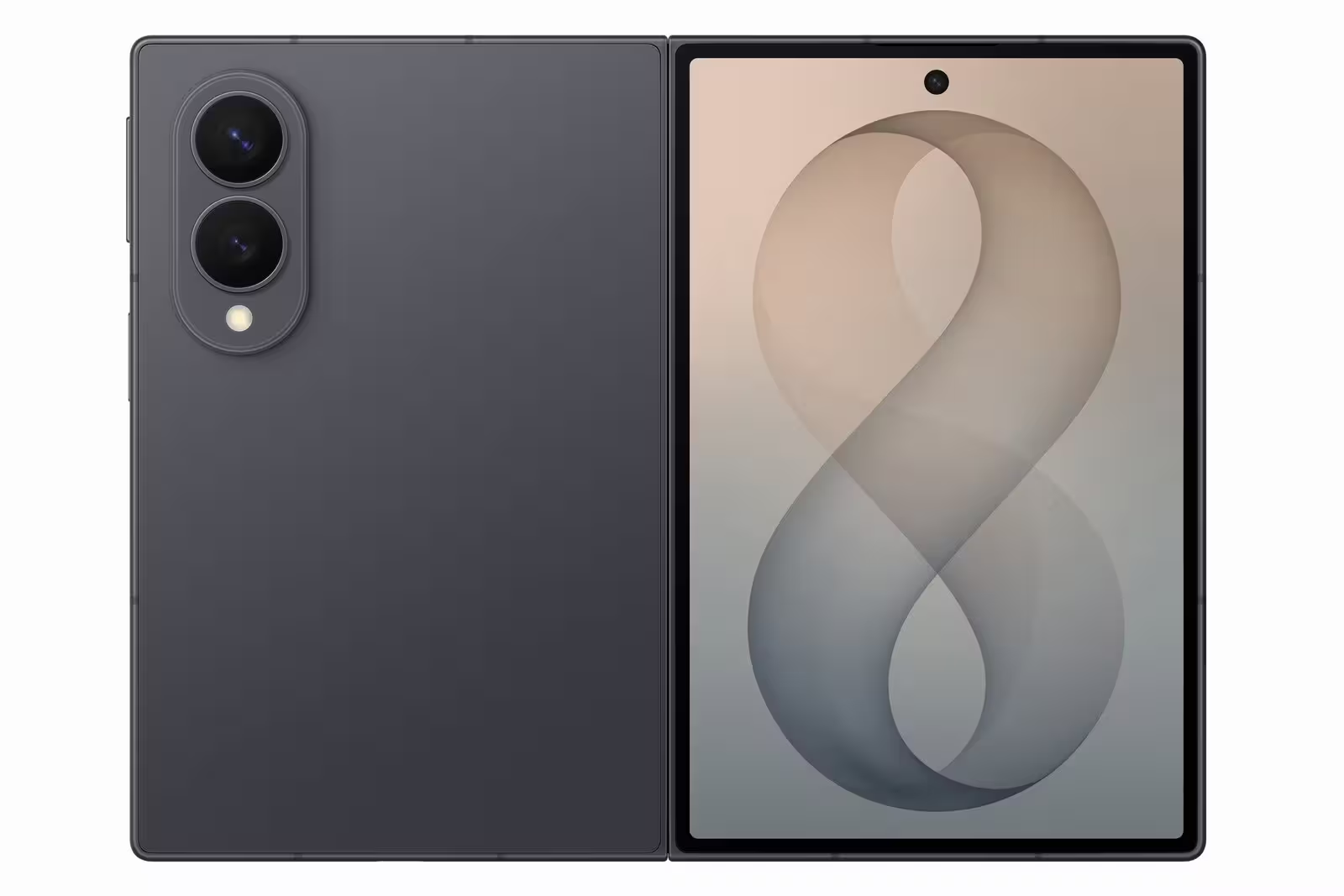 |
Camera hardware on the standard Fold8 takes a pragmatic route. The main camera is 50MP, stabilized and tuned for everyday shooting, paired with a 50MP ultrawide and two 10MP selfie shooters — one on the cover and one on the inner display. Not a spec sheet designed to headline, but a balanced setup built for reliable results.
If you want a splashier camera system, you go Ultra. The Z Fold8 Ultra leans into the premium playbook. Its headline act is a 200MP main sensor with enhanced HDR and 8K video recording using the APV codec — plus on-device Cine LUT support for color grading straight from the phone. The ultrawide gets a bump to 50MP for better landscapes and macro close-ups. Disappointingly, the telephoto lens holds to a 10MP 3x module, which feels conservative next to the other upgrades.
 |  |
Hardware differences extend beyond sensors. The Ultra retains the same Snapdragon 8 Elite Gen 5 but adds an expanded graphite sheet to dissipate heat, and the battery jumps to 5,000mAh — Samsung’s first phone to use a Silicon-Carbon (Si‑C) battery chemistry, according to its notes. Charging speeds are improved, too: 45W wired gets you to around 67% in 30 minutes, and wireless charging has been boosted to 20W. Samsung also mentions a “dual-path charging architecture,” a claim that will be worth testing in real-world conditions.
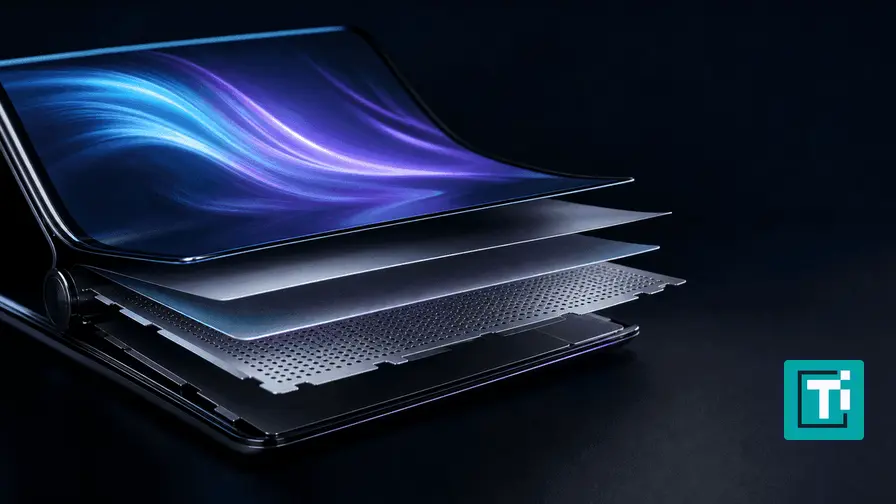
Design refinements are subtle but meaningful. Both models introduce Flex Titanium, a hybrid layer that blends a titanium-alloy film with a reinforced plate to strengthen the foldable display and reduce crease wear. The hinge feels lighter and smoother, the kind of small upgrade that matters when you open and close your phone dozens of times a day. Durability ratings have kept pace too: IP48 protection for dust and water, plus updated materials across the chassis.

Software starts at Android 17 with One UI 9. Samsung bundles modern connectivity: Wi‑Fi 7 and Bluetooth 6.0 land on both devices, making them future-ready for faster wireless links and accessories. They’re offered in restrained colorways — Graphite and Cream appear across the lineup, with Lavender for the Fold8 and Violet Shadow or Green Shadow for the Ultra. Samsung.com adds a couple of exclusive hues if you want something less common.

Prices and availability launch with pre-orders open now. Early buyers also get a six-month trial of Google AI Pro — including 5TB of cloud storage — a package Samsung is using to sweeten the deal. It’s a clear signal: Samsung expects these phones to be more than curiosities. They’re positioned as very practical tools and as aspirational flagships at the same time.
So which one should you pick? If you prize everyday comfort and a balanced camera system, the Fold8 widens the appeal of foldables. If you want the most ambitious hardware Samsung will sell in a clamshell book, the Ultra is the statement. Either way, Samsung is telling a simple story: foldables have left the lab and are now a considered choice for the mainstream. Ready to make the switch?

Leave a Comment
Comments (2)
Is Flex Titanium actually stronger or just marketing? IP48 rating is weird, feels like half step. And 3x tele on the Ultra? kinda underwhelming, hmm
Wow, Samsung split the Fold into two personalities, clever move. Ultra camera sounds wild but price tho... 8K video, battery life? curious if real world holds up