
3 Minutes
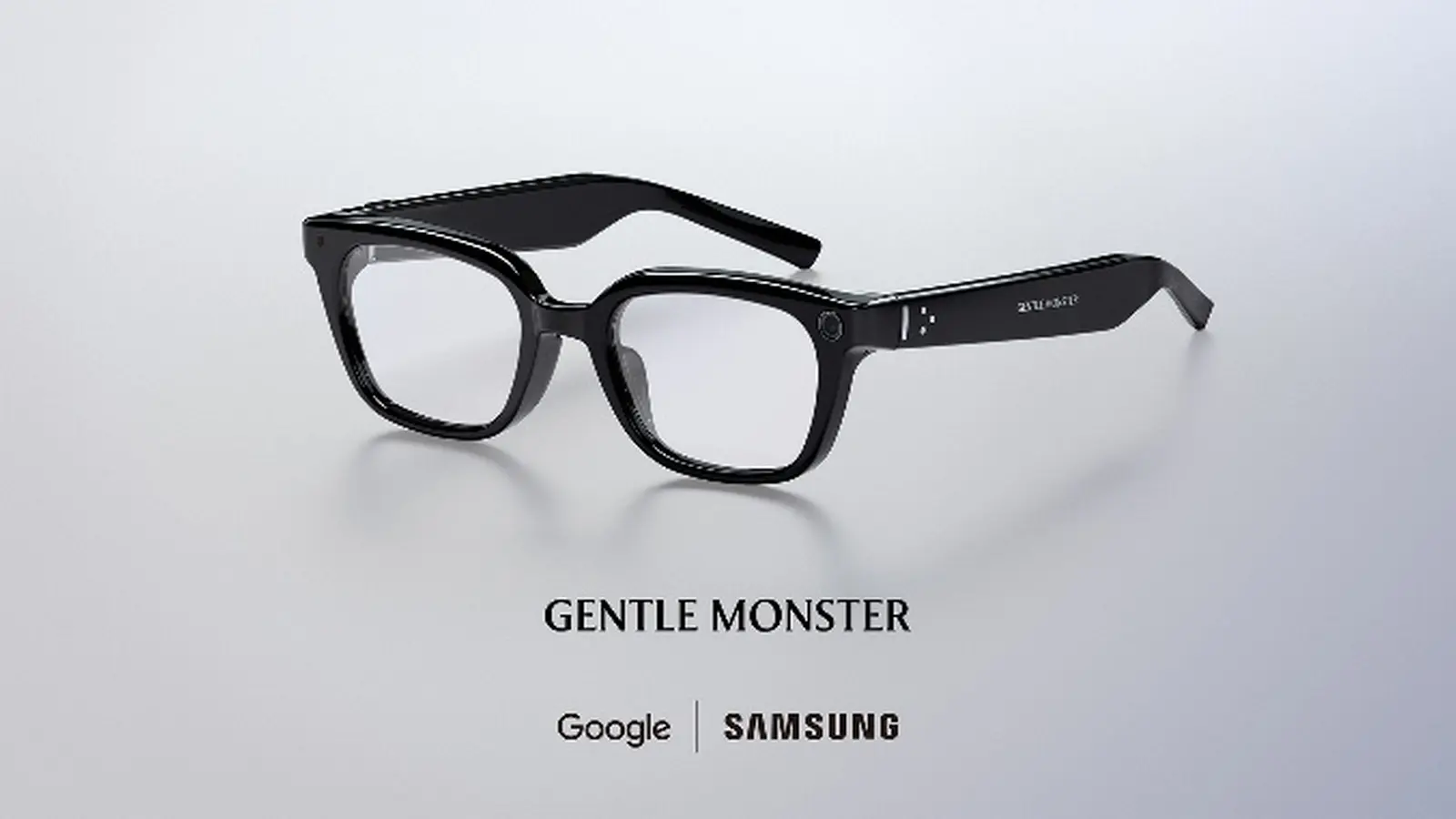
You might glance twice. They look like ordinary eyewear. Under the surface, they are a different breed of wearable — audio-first smart glasses powered by AI rather than a screen.
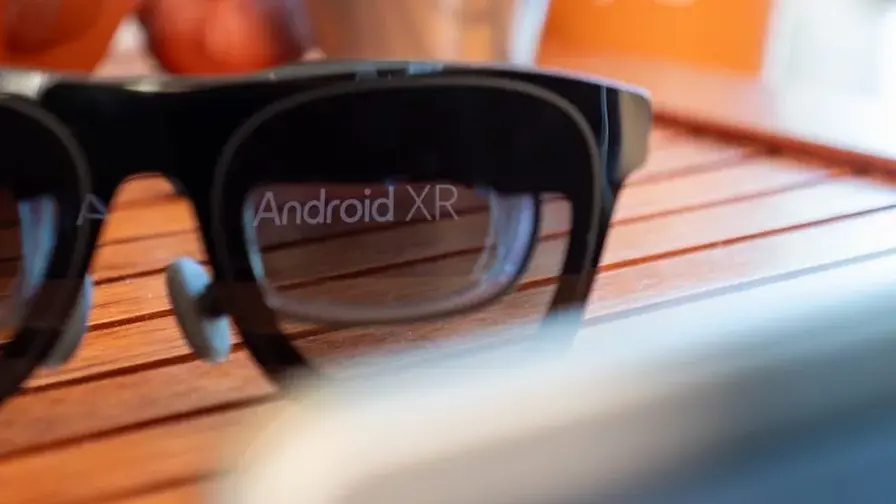
Samsung unveiled these at Galaxy Unpacked, pitching them as companions rather than headsets. The company partnered with Google and Qualcomm to stitch together hardware and smarts: Android XR runs on Qualcomm’s Snapdragon AR1 Gen 1, a chip purpose-built for thin, lightweight glasses. That contrasts with the heavier XR2+ Gen 2 silicon inside Samsung’s full-sized Galaxy XR headset, which is better suited to display-driven mixed reality.

What makes these glasses feel like a step forward is how they use context. Google’s Gemini for wearables can observe the scene through the built-in camera to add relevance to its answers. Snap a whiteboard. The assistant can extract notes and drop them into your Notes app. Join a call and show what’s in front of you. Record a first-person clip on the fly. It’s less about flashy visuals and more about taking the friction out of everyday tasks.

They read to you. They condense long messages into bite-sized summaries. They translate speech in real time when you’re navigating a foreign street. They point you toward a café with turn-by-turn audio directions and whisper facts about landmarks as you stroll. Small interruptions. Big convenience.
Controls are intentionally low-key. Speak aloud and the glasses respond. Swipe the touch-sensitive temple to skip or pause. Or manage settings from a paired phone. No controller required. The interface assumes your hands are busy and your attention is split — which, frankly, is often the case.

Don’t expect an AR display. These are not screen-based AR glasses. Instead, they lean on audio and contextual AI — a category Samsung calls “AI glasses.” Android XR supports display-less designs, leaving room for a future line of true AR eyewear that will include visible displays for overlays and richer visual experiences.
Design mattered as much as the software. Samsung worked with Gentle Monster to produce a slim, fashion-forward black frame with a clean upper rim and gentler lower curves. Warby Parker offered a brown, everyday option aimed at blending into regular wear. The result: tech that doesn’t scream tech.
- Platform: Android XR
- Chipset: Qualcomm Snapdragon AR1 Gen 1
- Assistant: Google Gemini for wearables

Samsung frames this move as the next way AI integrates into life without forcing you to lean on a screen for every interaction. Google casts it as bringing context-aware help to the moments you already live in. The industry line is clear: move intelligence closer to people, not the other way around.
So will people adopt them? That depends on price, battery life and how comfortable we feel letting a camera and AI narrate our day. Either way, these glasses sketch an immediate future where our devices listen, summarize and guide — quietly, constantly, and without a display stealing the show.

Leave a Comment
Comments
No comments yet. Be the first.