
3 Minutes
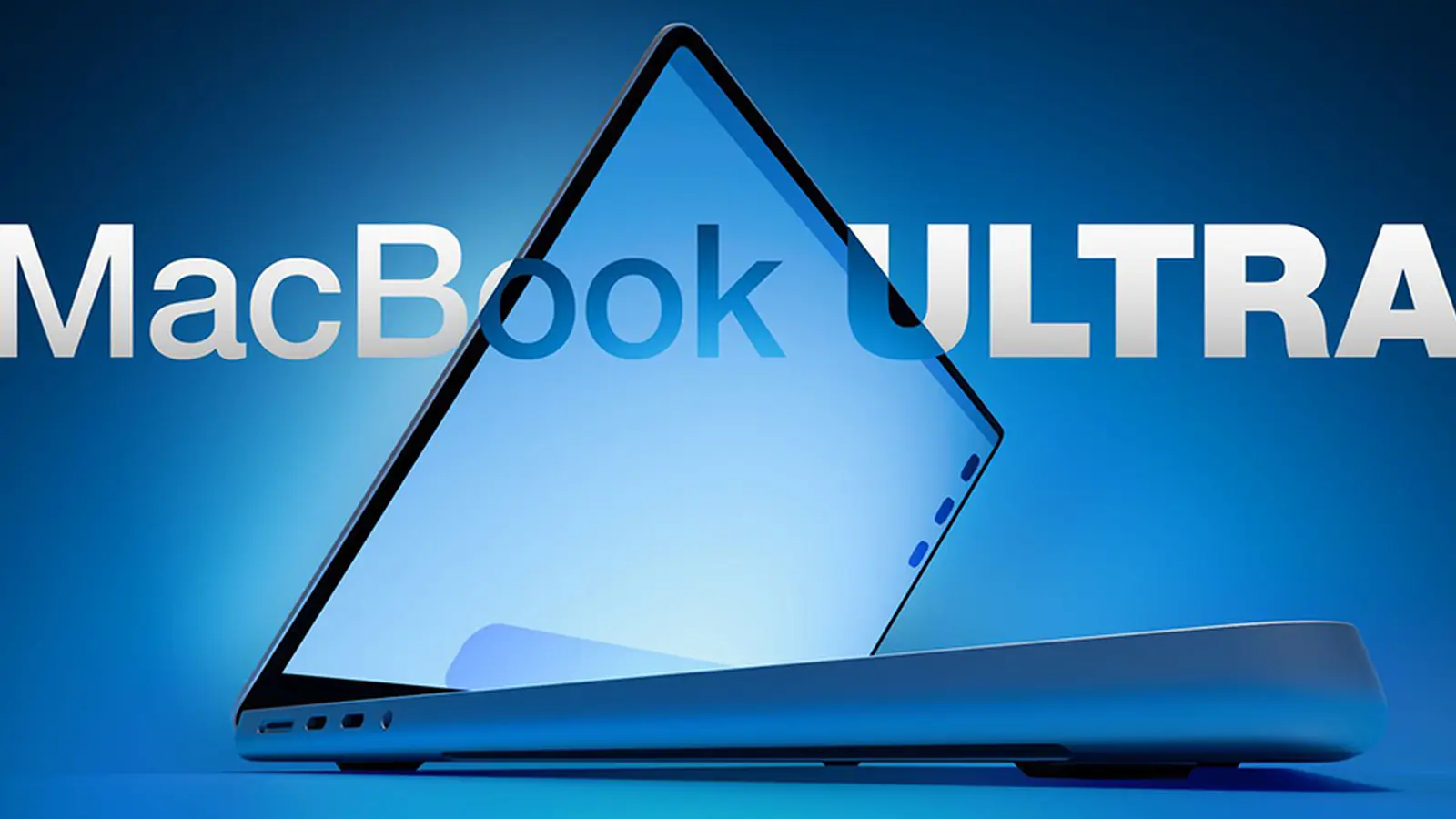
When did a Mac feel truly new? Apple looks set to answer that question with a machine that blends familiar Mac polish and a handful of firsts: an OLED touch display, wafer-thin chassis, and a name that promises more than an incremental update—MacBook Ultra.
The rumor mills point to a launch window between late 2026 and early 2027, though a global RAM shortage could nudge wide-scale availability toward 2027. Supply-chain analyst Ming-Chi Kuo expects production to ramp up late in 2026, which would line up with a staged rollout: an initial run using M5 Pro and M5 Max chips, followed by true next-gen silicon aimed squarely at AI workloads.
OLED replaces the Mini-LED panels Apple has used in recent MacBook Pros. That swap matters: deeper blacks, sharper contrast, richer colors, and better efficiency because black pixels can turn off entirely. Apple is reportedly using a dual-layer OLED construction similar to the iPad Pro’s approach to extend panel longevity—important for a pro-focused laptop that will see heavy, long-term use.
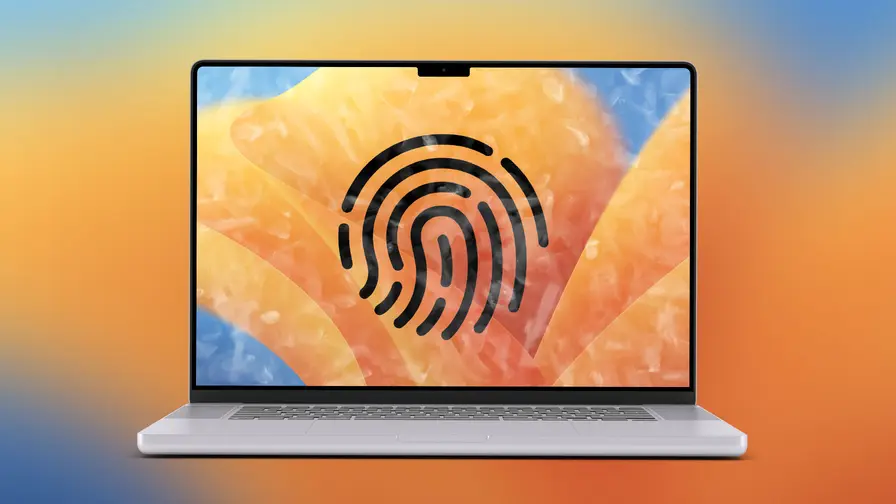
Yes, the display will support touch. No, this isn’t a detachable iPad in disguise. Expect touch gestures—pinch-to-zoom, two-finger scroll, quick swipes—woven into macOS so the interface feels natural rather than bolted on. To keep the experience solid, Apple is redesigning the hinge to minimize screen wobble when users interact directly with the glass.

The familiar notch is reportedly out. Instead there will be a small camera hole that macOS will treat like a dynamic island, surfacing system alerts and status in a software-driven, contextual way. It’s a subtle shift with big UX implications: less visual intrusion, more utility.
Apple is said to be offering the MacBook Ultra in two sizes—14.3 and 16.3 inches—both with slimmer bezels and a far lighter, thinner build compared with today’s MacBook Pro. Despite the trim profile, practical ports won’t be sacrificed: HDMI, MagSafe, and an SD card slot are expected to survive the slimming process. There’s even talk of an integrated 5G modem option for untethered mobile data, which would change how some professionals travel and work.
On the silicon front, the first wave will carry M5 Pro and M5 Max chips because Apple paused M6 development to jump directly to M7 for heavier AI workloads. M7-based models are more likely to arrive toward the end of 2027 and will be marketed for demanding machine-learning tasks and other compute-heavy professional use cases.
Apple’s strategy feels deliberate: give pro users a brighter, more tactile display and the horsepower to match, while keeping the Mac ethos intact.
Price remains a question mark. With current 14-inch MacBook Pro starting near $1,999 and the 16-inch model at $2,999, expect the MacBook Ultra to command a premium above those tiers. For buyers weighing the upgrade, the decision will hinge on how much they value the OLED touch surface, thinner body, and future-proofed silicon roadmap.
Whether Apple can pull off a smooth transition—software that embraces touch without undermining the traditional Mac workflow, supply chains that stabilize, and pricing that makes sense for pros—will determine if MacBook Ultra becomes a new standard or just an intriguing experiment. Ready to touch an OLED Mac?

Leave a Comment
Comments
No comments yet. Be the first.