
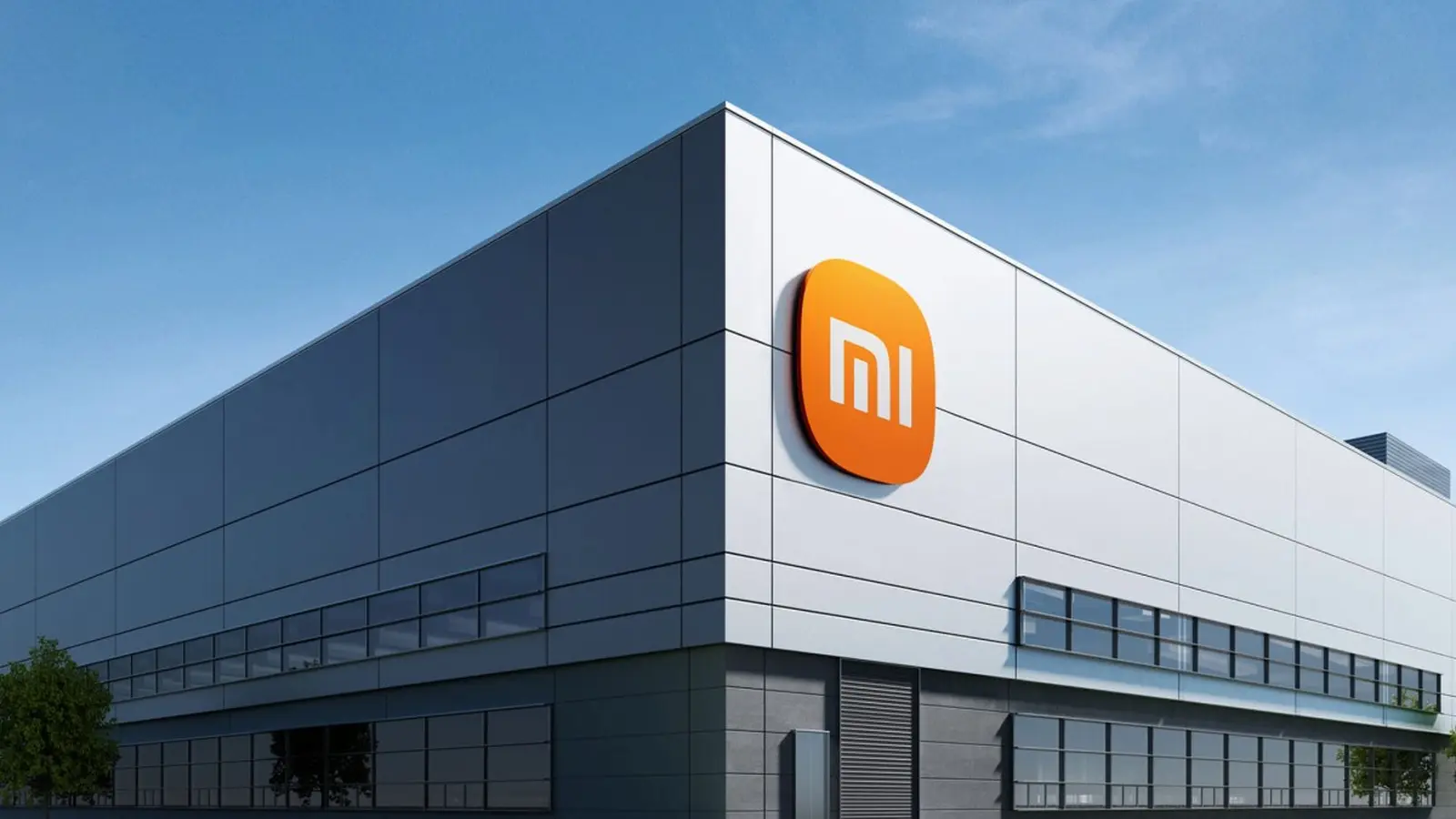
Xiaomi steps into battery swapping — cautiously
Chinese corporate filings show Zhejiang Xinglixing New Energy Technology Co., Ltd has just completed a capital increase and shareholder reshuffle. The new investor is Hanxing Venture Capital, a Xiaomi-backed fund, which lifted the firm's registered capital from RMB 100 million to RMB 130 million (about $14.8M to $19.3M). After the deal, Hanxing holds roughly 23% of the company — Xiaomi's first disclosed move into the battery-swapping space.
What Zhejiang Xinglixing does
Zhejiang Xinglixing is a very new regional startup, established earlier this year. Its stated business scope includes battery swap equipment, power batteries, station operations, and battery asset management. In short, it aims to operate and service battery swap stations rather than invent next-generation cell chemistry or pack designs.
Highlights:
- Capital raised: RMB 100M -> RMB 130M
- Hanxing (Xiaomi-backed) stake: ~23%
- Company focus: swap equipment, station ops, battery asset management
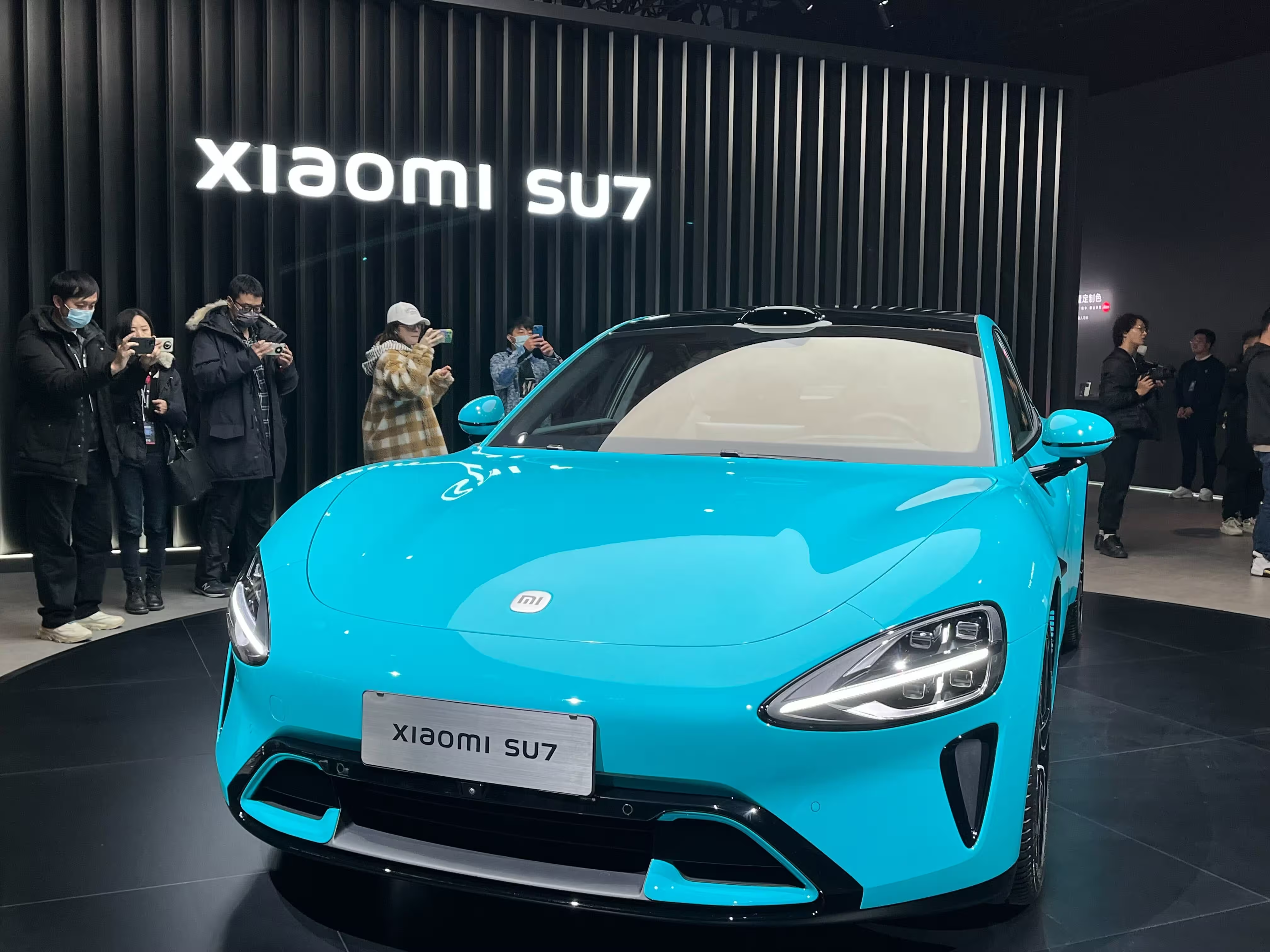
Why this isn't Xiaomi launching swappable EVs
This investment should not be read as Xiaomi preparing to launch a swappable-battery car tomorrow. Xiaomi only recently revealed its SkyNomad EREV duo and is still building manufacturing and supply-chain capabilities for its current models. Zhejiang Xinglixing operates regionally and appears to be aimed at delivering services and deploying existing swap technologies rather than producing a proprietary, large-scale battery-swap solution.
Strategically, the move looks like option-keeping: Xiaomi gains visibility into battery-swap operations and infrastructure without committing to heavy capital investment in manufacturing or building a national swap network.
Market context: established players and the road ahead
Battery swapping is dominated by incumbents such as NIO, SAIC and CATL. NIO in particular has aggressively expanded its swap network and aims to keep growing. For a newcomer like Xiaomi, catching up would require massive investment in stations, standardization and logistics — not just a minority stake in a regional operator.
In the near term, expect Xiaomi to treat this as a strategic foothold: monitor technology, understand station operations and keep future product options open. Whether Xiaomi evolves from investor to full competitor in battery-swap infrastructure will depend on market economics, standardization across EV manufacturers and the pace of consumer adoption of swapping versus fast charging.
For car and EV enthusiasts, the takeaway is clear: Xiaomi is exploring the ecosystem, but it is not yet a player in large-scale battery-swapping or a threat to established swap networks.


Leave a Comment
Comments
No comments yet. Be the first.