
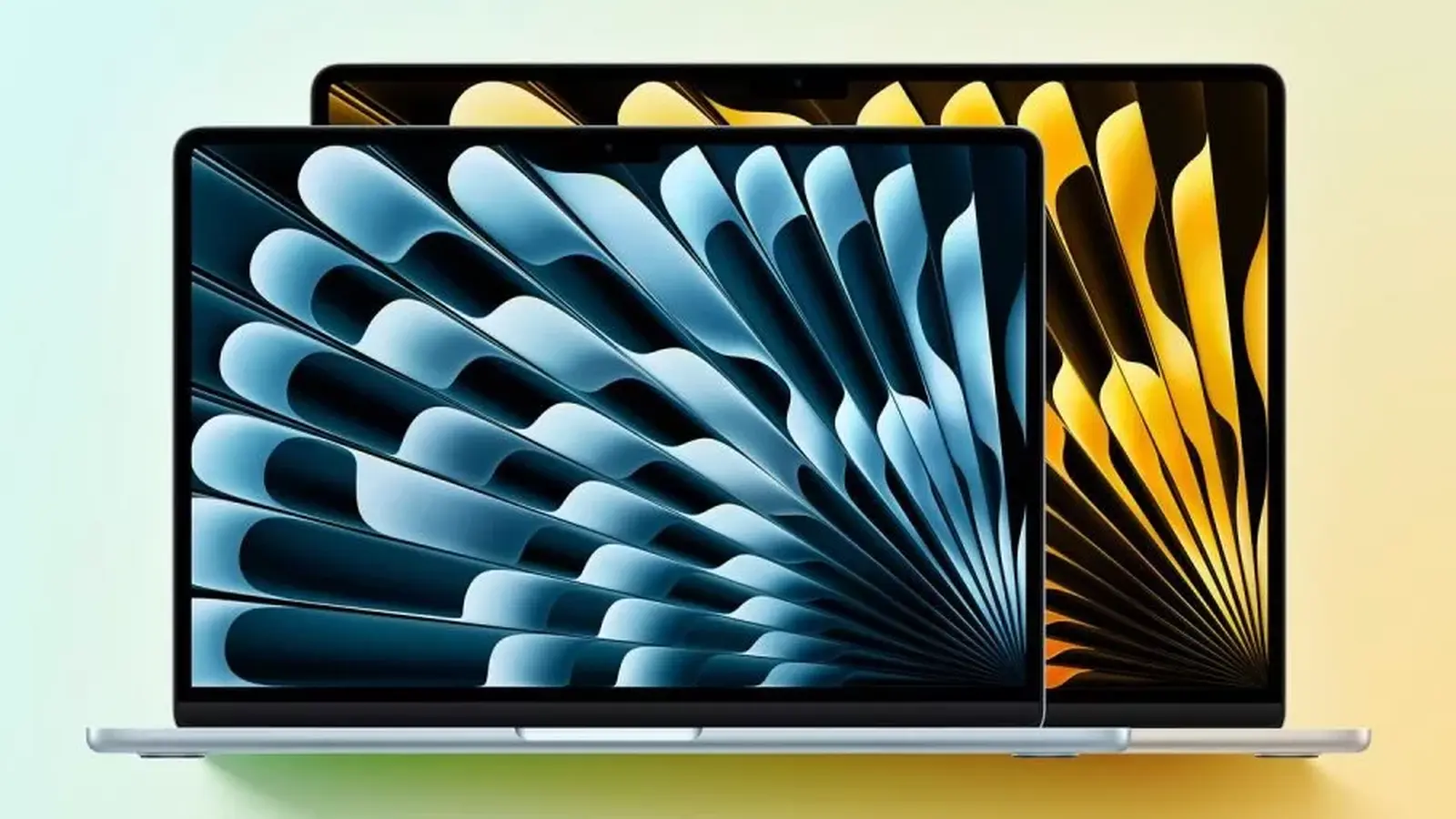
Walk into an Apple store and you might notice something unusual: empty spots where MacBook Airs once sat. Short supply. Long waits. Two months after Apple quietly raised the base price by $200, inventory has thinned to levels employees and retailers call unprecedented.
Bloomberg’s Mark Gurman has been tracking the situation: shipments to retail and Apple’s own stores are far smaller than normal, and online delivery estimates in the U.S. now stretch between two and six weeks depending on configuration. The longer delays hit models with higher RAM — a hint that the problem isn’t demand alone but a squeeze further up the supply chain.
So what’s choking production? Memory chips. The global scramble for DRAM and SSD components, fueled by a wave of AI server deployments and massive datacenter builds, has pushed memory prices up and stocks down. The same appetite that powers large language models and cloud AI services is competing directly with consumer laptop makers for a finite pool of chips.

This isn’t the first product to feel the pinch. Mac Studio and Mac mini lines were impacted earlier in the year. Now the shortage has reached Apple’s best-selling ultraportable. And yet customers are still buying — even at higher prices. Why? Because for many, the MacBook Air’s combination of performance, battery life and portability still wins out.
Until the surge in datacenter memory demand eases, expect ongoing delays and tighter inventories across Apple, Microsoft and other PC makers.
If you need a new MacBook Air now, plan for waits or consider higher‑stock third‑party retailers. Otherwise, watch how the battle for memory chips between consumer devices and AI infrastructure reshapes availability in the months ahead.


Leave a Comment
Comments
No comments yet. Be the first.