
Nintendo just posted a quarter that feels almost counterintuitive: profit more than doubled, yet hardware momentum cooled. Strange? Yes. Strategic? Also yes.
For April through June, operating profit jumped to JPY 142.5 billion — roughly $902 million — up from JPY 56.9 billion the year before. Net sales, however, fell 9.5% to JPY 517.8 billion, about $3.28 billion. Numbers tugging in opposite directions. So what changed?

A large chunk of the story is one-off cash coming back across the Pacific. Tariff refunds in the U.S. amounted to roughly $300 million and landed squarely on Nintendo’s books this quarter. The company says it shouldered most of the tariff burden itself rather than passing it to customers, even as it adjusted Switch 2 pricing to reflect higher component costs rather than tariffs.
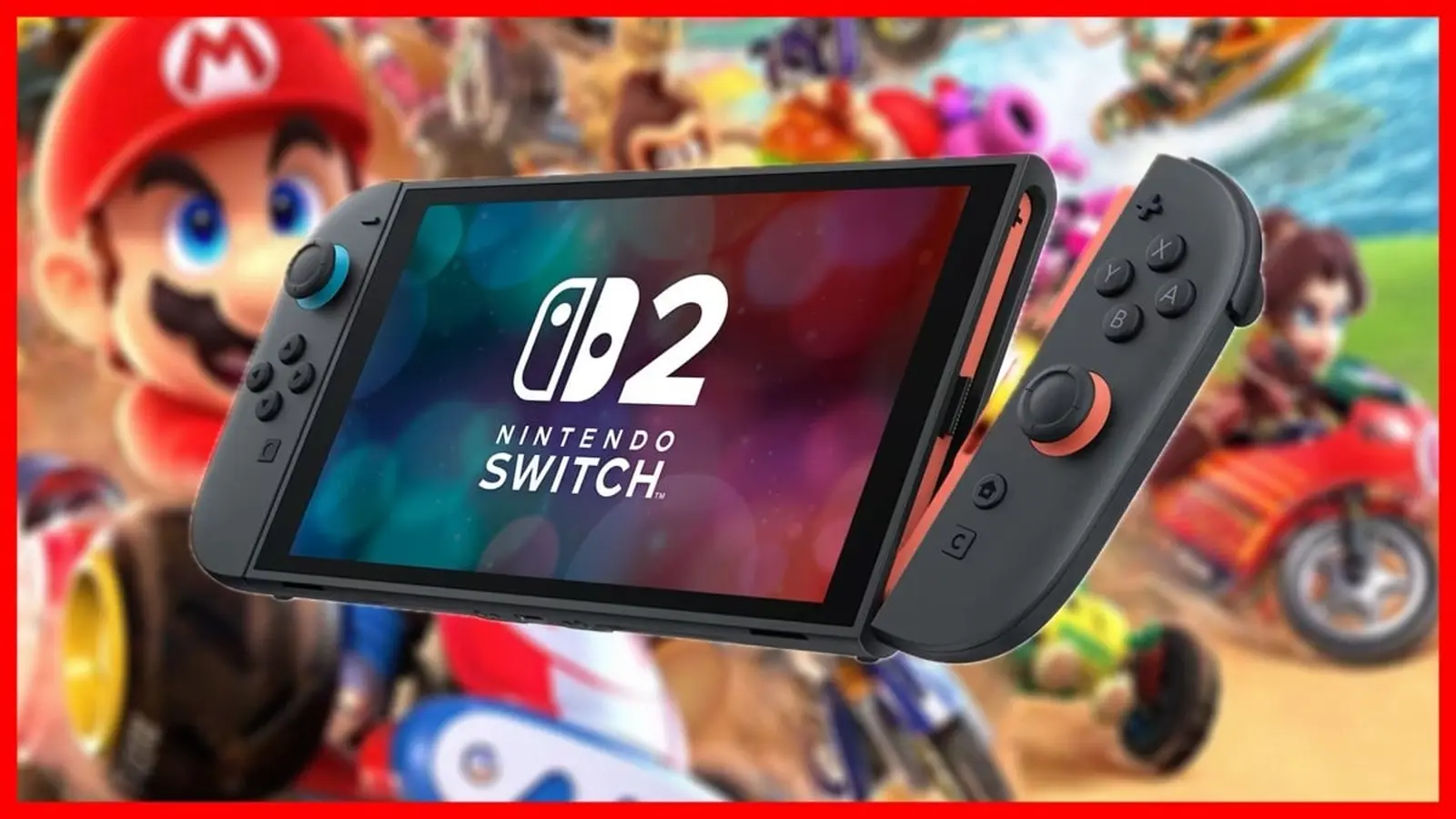
Hardware sales, meanwhile, cooled noticeably. Nintendo shipped 3.82 million Switch 2 consoles, a drop of 34.4% year‑on‑year, and moved 0.66 million original Switch units, down 31.8%. Those declines show demand softening in units, but the full picture isn't bleak if you look sideways at software and services.

Game sales painted a different shade. Switch 2 game sales rose 9.2% to 9.46 million units, while original Switch titles surged 38.6% to 33.81 million units. A few standouts drove this momentum: Tomodachi Life: Living the Dream sold 7.94 million copies, and Pokémon Pokopia added about 1.27 million copies to the ledger.
Digital revenue stole a large part of the spotlight. Sales from downloadable versions of packaged software, download-only titles, add-on content and subscriptions climbed 90% to JPY 132.7 billion. Consumers buying games online, expanding their libraries, and subscribing to services helped offset weaker cartridge and console movement.
Intellectual property also did heavy lifting. Revenue from IP-related businesses rose 107% to JPY 34.8 billion, a jump Nintendo attributes largely to the success of The Super Mario Galaxy Movie. Movie tie-ins and broader franchise commercialization are proving more than promotional tools — they’re meaningful revenue streams.

Put it together and you have a mix of structural resilience and timing quirks: a sizable tariff refund plus booming digital and IP income cushioning the impact of lower hardware sales. Cost pressures and component inflation are nudging retail prices, but Nintendo’s ecosystem — software, digital services, and media — remains the principal engine.
Will this pattern hold? That’s the immediate question investors and fans will ask. Short term, one-off refunds won’t recur every quarter. Long term, the balance between hardware refresh cycles and expanding digital and media revenue will decide whether Nintendo can keep turning softer unit sales into rising profits.
Either way, the quarter underlines a lesson in modern gaming business models: consoles are still the doorway, but software, subscriptions and franchise content are becoming the house you live in.


Leave a Comment
Comments
No comments yet. Be the first.