
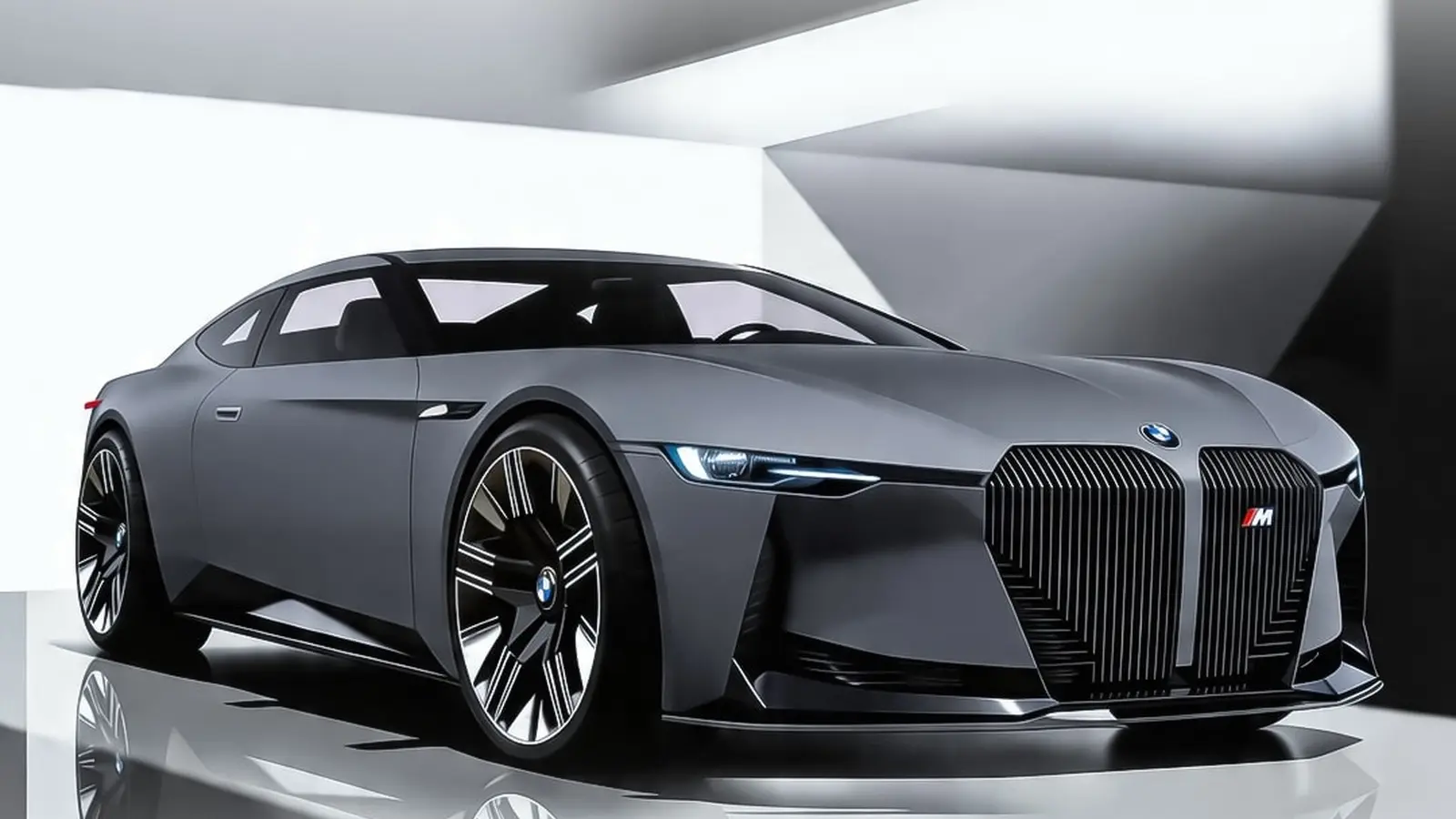
From childhood dreams to design disillusionment
When I was a kid, BMW stood for the garage of my adulthood: compact sports sedans, timeless coupes and racing-bred engineering. Fast forward to today, and that image feels frayed. My children still adore BMW — but they point to classic models and concept renderings more often than the latest showrooms. A family trip to Munich this summer, with a long pause at BMW Welt and the museum, only reinforced the divide between BMW's celebrated heritage and the polarizing direction of its newest models.
BMW Art Cars: a vibrant reminder of the brand's creative roots
Between July 29 and August 31, 2026, BMW Welt staged a unique celebration: the 50th anniversary of the BMW Art Cars. The exhibition, 'BMW Art Cars—20 Artists, 50 Years of Innovation. Reunited at BMW Welt,' brought all 20 rolling sculptures together for the first time. Admission is free (you only pay for parking), and the tour marked the finale of a world tour that visited more than 30 countries. Seeing works by Andy Warhol, Jeff Koons and other famed artists alongside BMW's racing and design history is a clear reminder of the brand's capacity for cultural and visual impact.
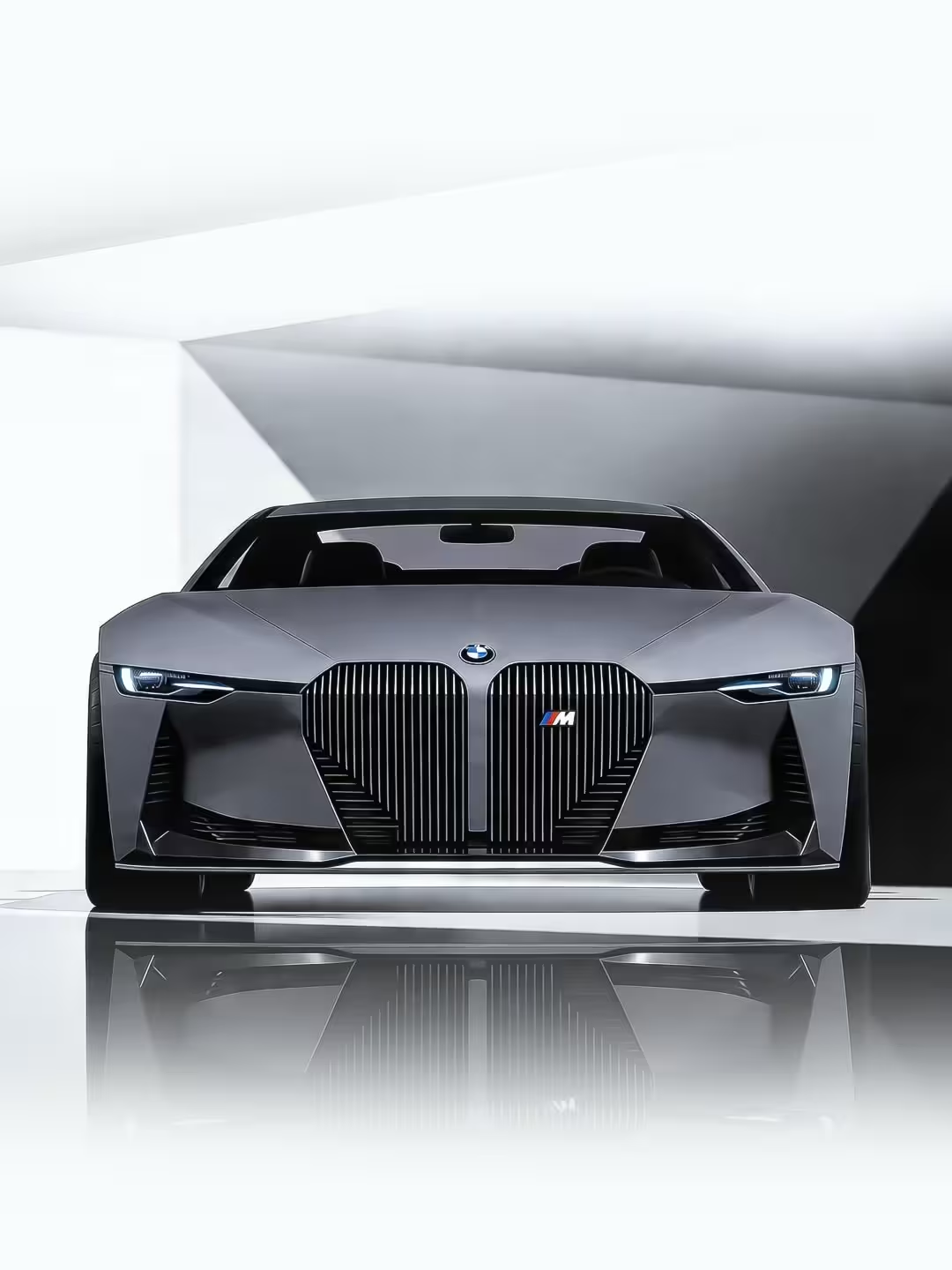
That contrast — iconic, artistic BMWs in one room versus the visual fragmentation of the current lineup — explains a lot of the emotional reaction from fans and casual observers alike.
When the design language fractured
The split in perception began a few years ago. Critics accused BMW of following the same homogenous path leveled at other premium marques: models that were hard to distinguish at a glance, repetitive interior themes, and SUVs that all seemed to be variations on a single template. In response, BMW launched a design revolution that produced bold but inconsistent results: the futuristic iX and muscular XM, an oddly refreshed 7 Series, the polarizing double-coffin kidney-grille on modern M3/M4/4 Series variants, and the blocky, youth-oriented M2 and X2.
The effect was striking: rather than a coherent family resemblance, BMW looked like a portfolio of individual experiments. Opinions fractured, loyalties shifted, and the brand that once balanced sportiness, elegance and engineering suddenly felt as if it had no single visual identity.

Key complaints from enthusiasts and the press
- Design inconsistency across model lines
- Overreliance on large, attention-grabbing grilles and aggressive proportions
- Interiors overloaded with screens and new control schemes
- Loss of the traditional driving ergonomics and clear sightlines
The Neue Klasse: reboot or reshuffle?
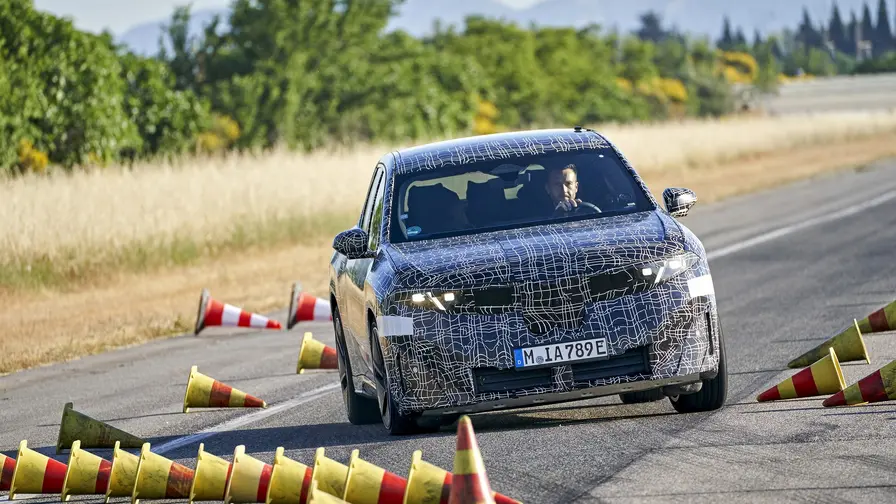
BMW's answer to this identity crisis is the Neue Klasse — a modern reinterpretation of the 1960s and 1970s era nameplate that symbolizes a technological and stylistic reset. Last fall, BMW introduced the second-generation iX3 compact electric crossover as the inaugural Neue Klasse family member. Alongside it, BMW rolled out the new i3 sedan and a refreshed X5. The company frames these models as a bridge between the golden-era 2002 TI cues (slim, tall kidney grille, round headlights) and a new electric, software-driven architecture.
But the rollout hasn't been uniform. Some Neue Klasse models employ the brand's new EV architecture, while flagship models like the 7 Series and X5 still rely on the CLAR platform to accommodate hybrid and internal combustion options. The result: a partial implementation that dilutes the promise of a cohesive design language.

Interior overhaul: Panoramic Vision and the screen-first approach
Inside, BMW introduced the Panoramic Vision: a pillar-to-pillar digital instrument cluster located at the base of the windshield, a new central screen, an optional passenger display and a redesigned steering wheel. These elements represent BMW's embrace of software, connectivity and passenger experience.
But there are trade-offs. Many drivers note that the expansive screen layout can intrude on outward visibility and the natural line of sight to the hood. Some argue that driving ergonomics — hand placement, the relationship to the bonnet, simple tactile controls — have been compromised in favor of visual spectacle.
Performance and platform notes
- The new iX3 and i3 sit in the compact electric segment, targeting buyers who want premium EV dynamics without stepping up to larger crossovers.
- CLAR continues to underpin larger, electrified models where packaging flexibility for hybrids and combustion engines remains essential.
- Neue Klasse EV platforms promise improved energy density and software-driven feature sets, but real-world advantages vary depending on the model and market.
These are strategic trade-offs. BMW's portfolio must serve legacy buyers who still want combustion or hybrid options while accelerating an EV blueprint for future models.

Unrealized designs: what virtual artists reveal
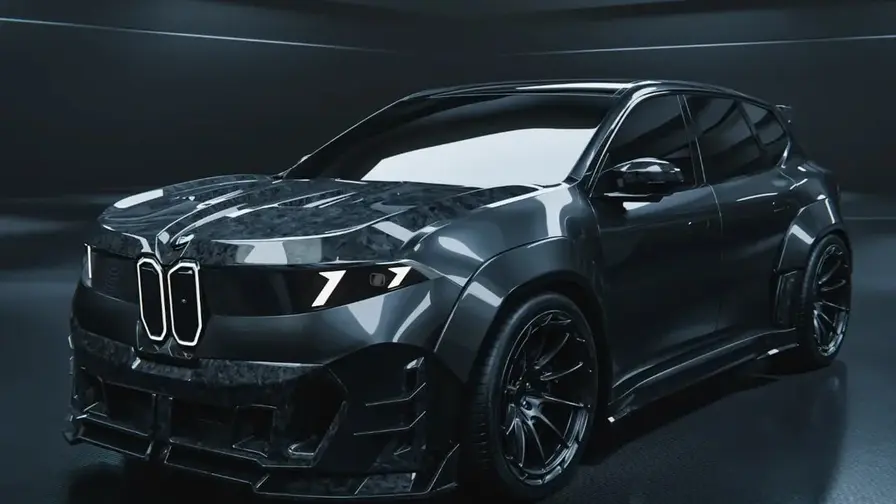
One striking development is the flood of unofficial CGI concepts from independent designers and virtual artists. These renders often show what BMW could look like if designers prioritized cohesion, proportion and brand DNA over headline-grabbing features. The best virtual projects demonstrate the brand's retained design potential — proof that BMW's design studio hasn't lost its ability to craft beautiful cars, even if recent production choices don't always reflect that talent.
These renders shouldn't be dismissed as mere fan art. They influence public perception, generate debate, and sometimes nudge manufacturers by offering fresh, crowd-sourced visions of the future.
Where BMW goes from here
BMW faces a complex balancing act:
- Rebuild a coherent, recognizable design language that honors heritage without becoming retrograde.
- Transition to Neue Klasse EV architecture without alienating buyers who still need CLAR-backed models.
- Deliver intuitive in-car tech that enhances the driving experience rather than intruding on it.
For many fans, the Art Cars exhibition is a reminder that BMW can still merge art and automotive engineering in ways that inspire. The question now is whether future Neue Klasse models will reclaim that inspiration on the road, or whether the company will continue to oscillate between polarizing experiments.
Final thoughts
BMW's identity is at a crossroads. The brand's creative roots are on full display in Munich, where rolling sculptures and racing legends sit side by side. Meanwhile, the production lineup shows both bold experimentation and troubling inconsistency. Enthusiasts will continue to argue, virtual artists will keep rendering better alternatives, and BMW will have to decide whether the next chapter will be a true reunification of design, technology and driving pleasure.
If you're in Munich this summer, visit BMW Welt to see the Art Cars in person — it's a free, visual reminder of what BMW used to mean to many, and what it could still become.


Leave a Comment
Comments (2)
spent a day at BMW Welt last year, same split feeling... Loved the Art Cars but left baffled by new grille mania. Hope they pick one lane, aesthetic wise soon 😕
Really? The Art Cars are gorgeous but how do you make that translate to boring showrooms? Feels like style for museum not road. hmm