
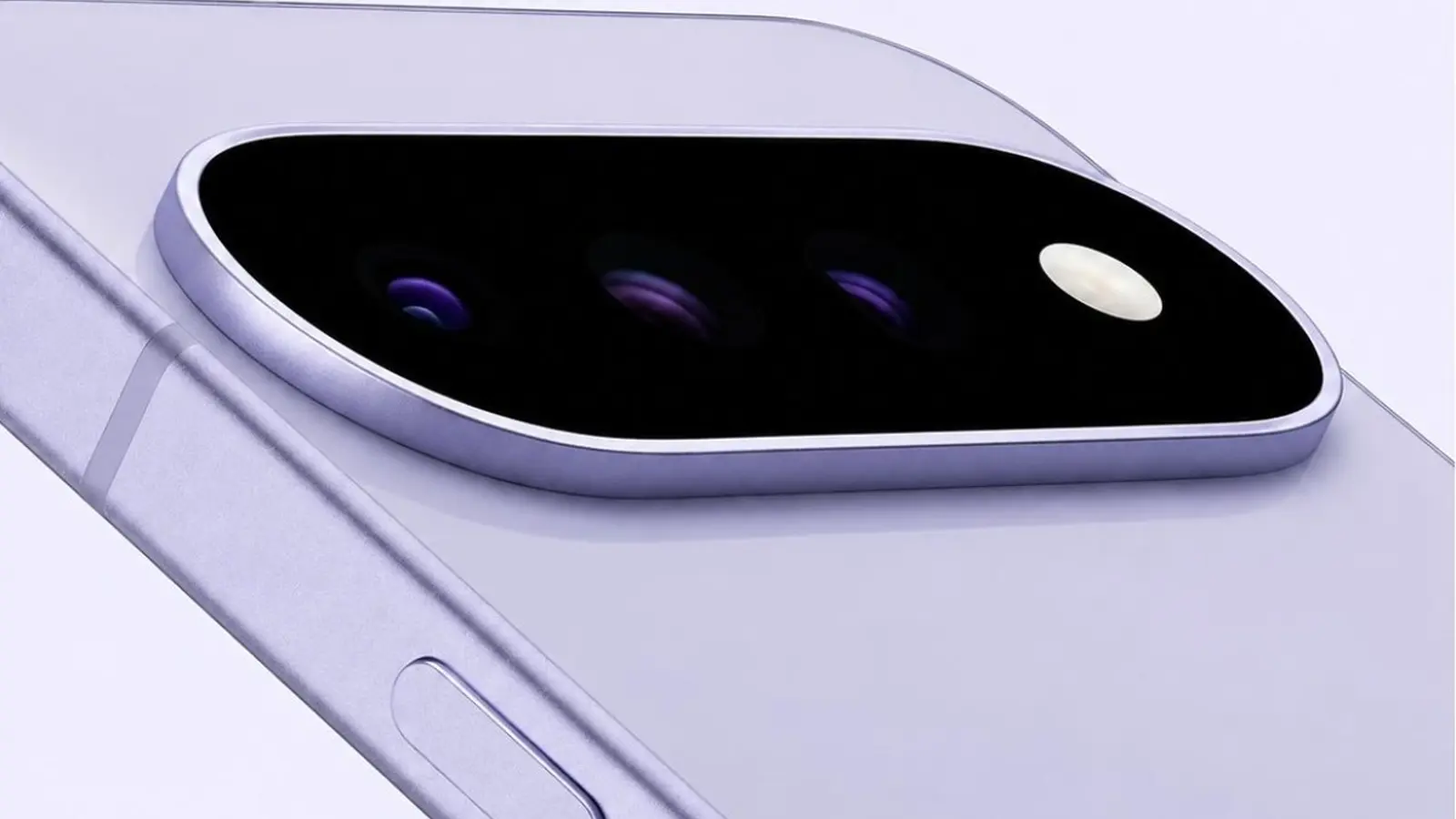
Google has quietly packed a lot into a relatively small package: the Pixel 11 arrives with the company’s new Tensor G6 chipset and a handful of practical upgrades that matter in day-to-day use.
The headline is the Tensor G6 — Google’s second in-house silicon run through TSMC and the first smartphone chip fabricated on the 2nm node. That’s more than a tech brag; it’s a real efficiency play. Shorter bursts of power where you need them. Less waste where you don’t. Google promises snappier performance, but the primary boast here is better battery economy across mixed workloads.
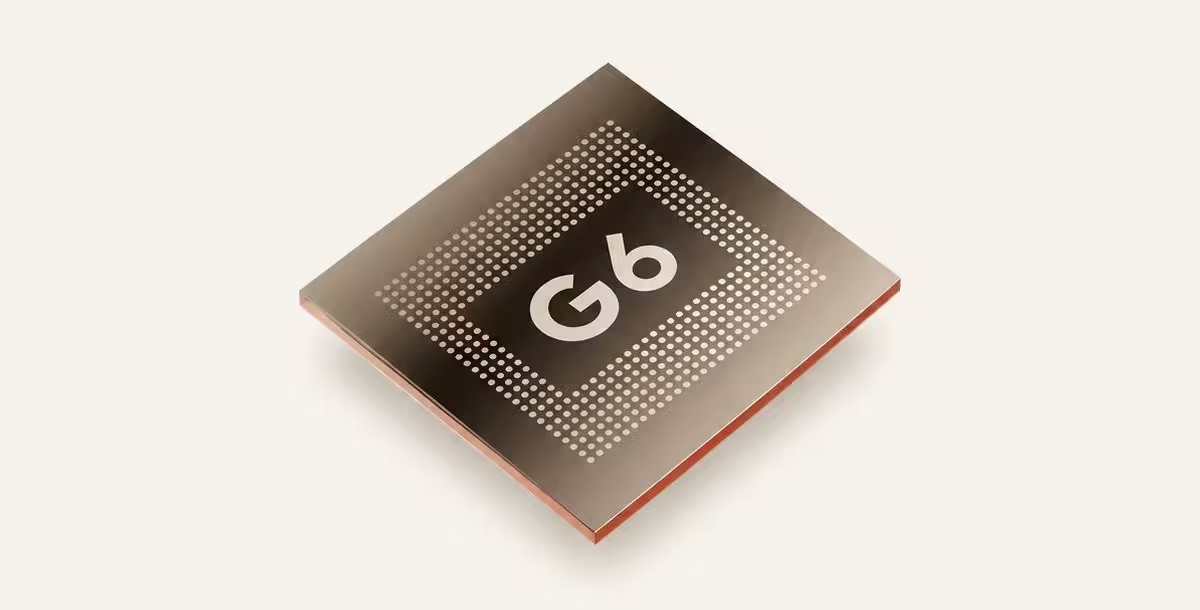
Under the hood you’ll find 12GB of RAM and a new baseline for storage: 256GB is standard now, trading the old 128GB entry point for a roomier starting point. One casualty of that shift is the older UFS 3.1 tier — the company has effectively moved past it rather than squeezing lower-capacity UFS 4.x into the lineup.
Physically the Pixel 11 stays compact with a 6.3-inch display — the same footprint many buyers prefer and the same size as contenders like the iPhone 17 and Galaxy S26. Google hasn’t upgraded the panel to a higher-resolution or exotic AMOLED type; you get a 1080p+ LTPS OLED tuned for everyday clarity and battery stewardship, not headline-grabbing specs.
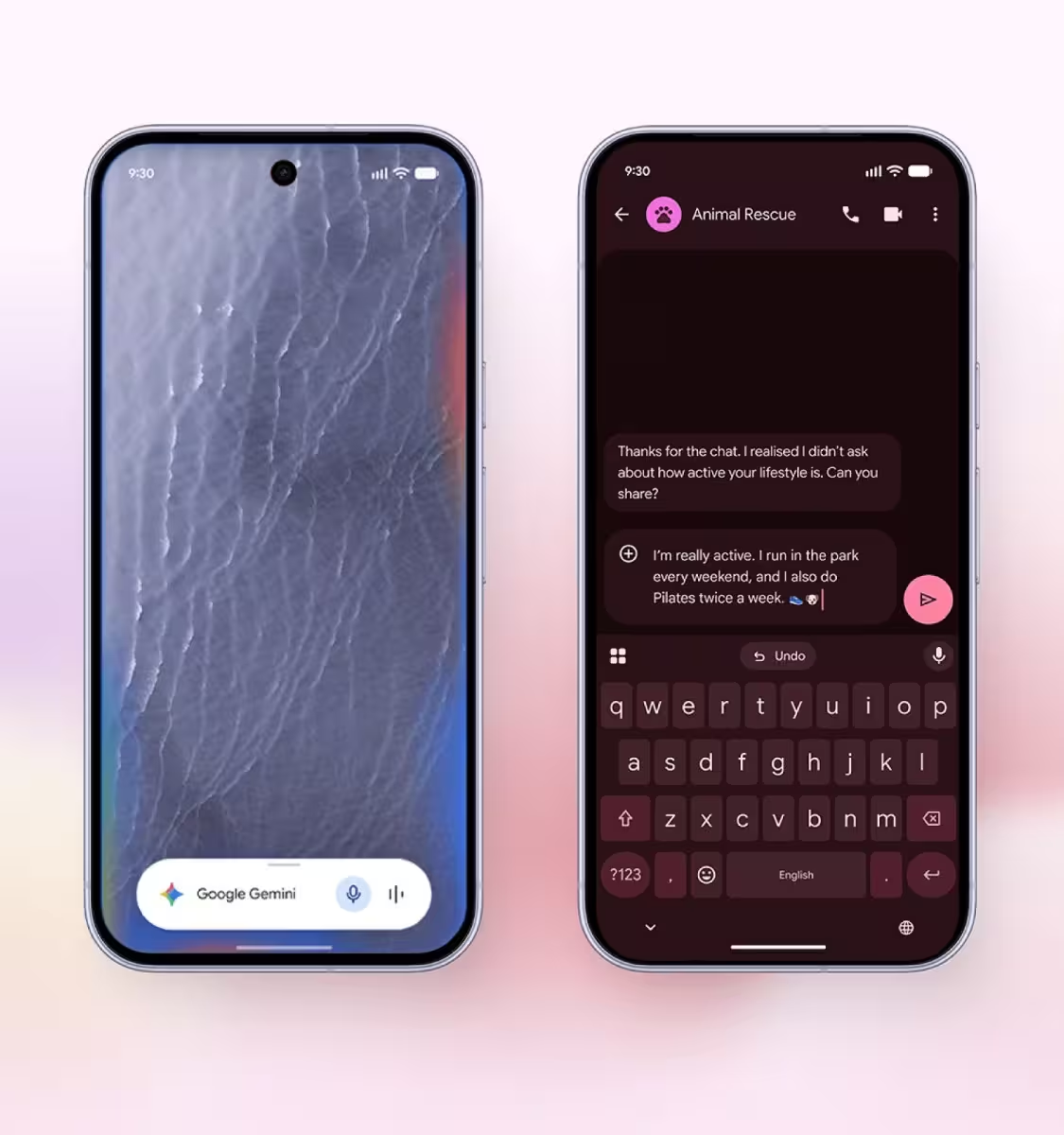
Battery life got real attention. The Pixel 11 carries a 4,985mAh cell and Google says it will hold up to about 30 hours in regular use, thanks to the G6’s efficiency. Charging is quicker too: wireless charging on Google’s Pixelsnap puck is roughly 25% faster than last year’s model, and wired charging will take the battery to about 55% in half an hour — handy when you need a quick top-up before heading out.

Photography is where Google nudges the vanilla Pixel away from typical mid-ranger compromises. The tiny 1/2.0" sensor from the Pixel 10 is gone, replaced by a larger 48MP main sensor at 1/1.56". It’s paired with a 13MP ultra-wide that uses a 1/3.1" sensor and a 120° field of view (f/2.2), and a 10.8MP 5x telephoto module that gives the Pixel 11 an optical reach many rivals in this size class — including the iPhone 17 with its dual-lens setup — can’t match. Selfies remain handled by a 10.5MP, 95° autofocus unit. And yes, the rear camera “visor” has been noticeably slimmed down, which improves handling and pocketability.
 | 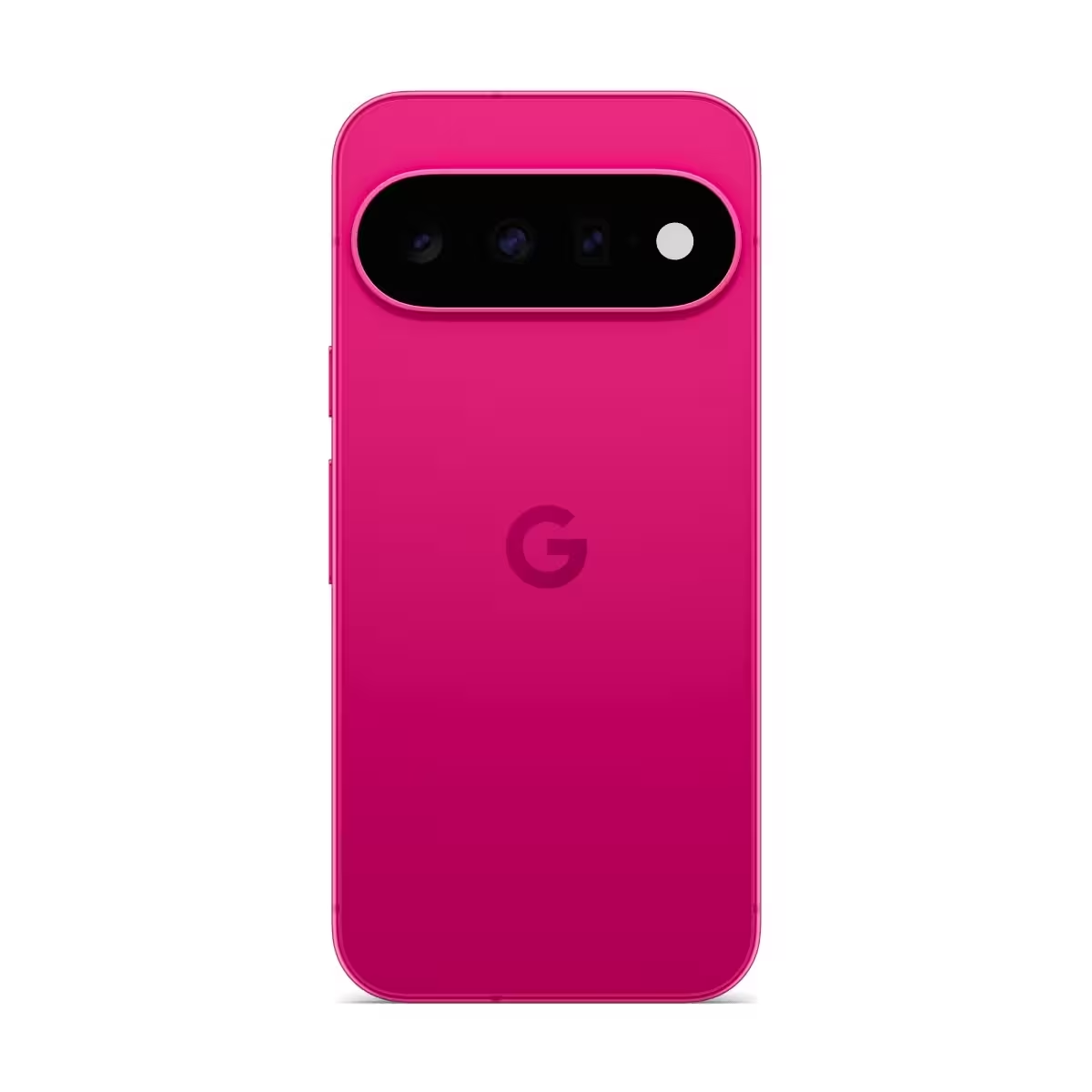 |  | 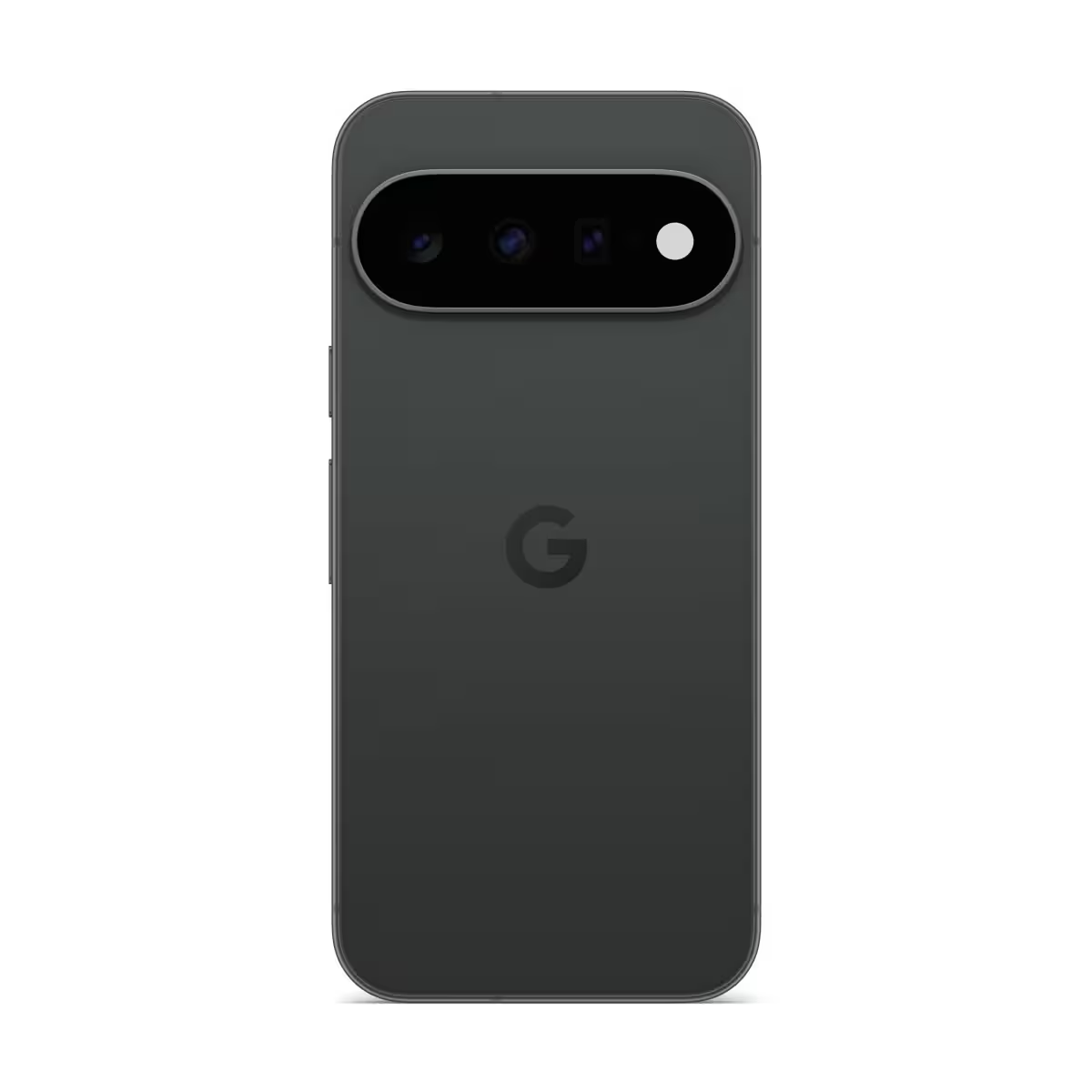 |
Color options come in four flavors: Frost, Hibiscus, Pistachio and Obsidian, a palette that keeps things simple while giving buyers a touch of personality. Pre-orders are live now, with general availability slated for August 20. Expect higher prices than Google’s 2025 lineup; the company appears to be leaning on silicon and feature upgrades to justify the bump.
So, is the Pixel 11 a true bridge between flagship smarts and a compact, practical phone? For people who value efficient, modern silicon and a versatile camera array without a jumbo-sized body, it makes a compelling case — and it’s asking you to pay a bit more for the convenience.


Leave a Comment
Comments
No comments yet. Be the first.