
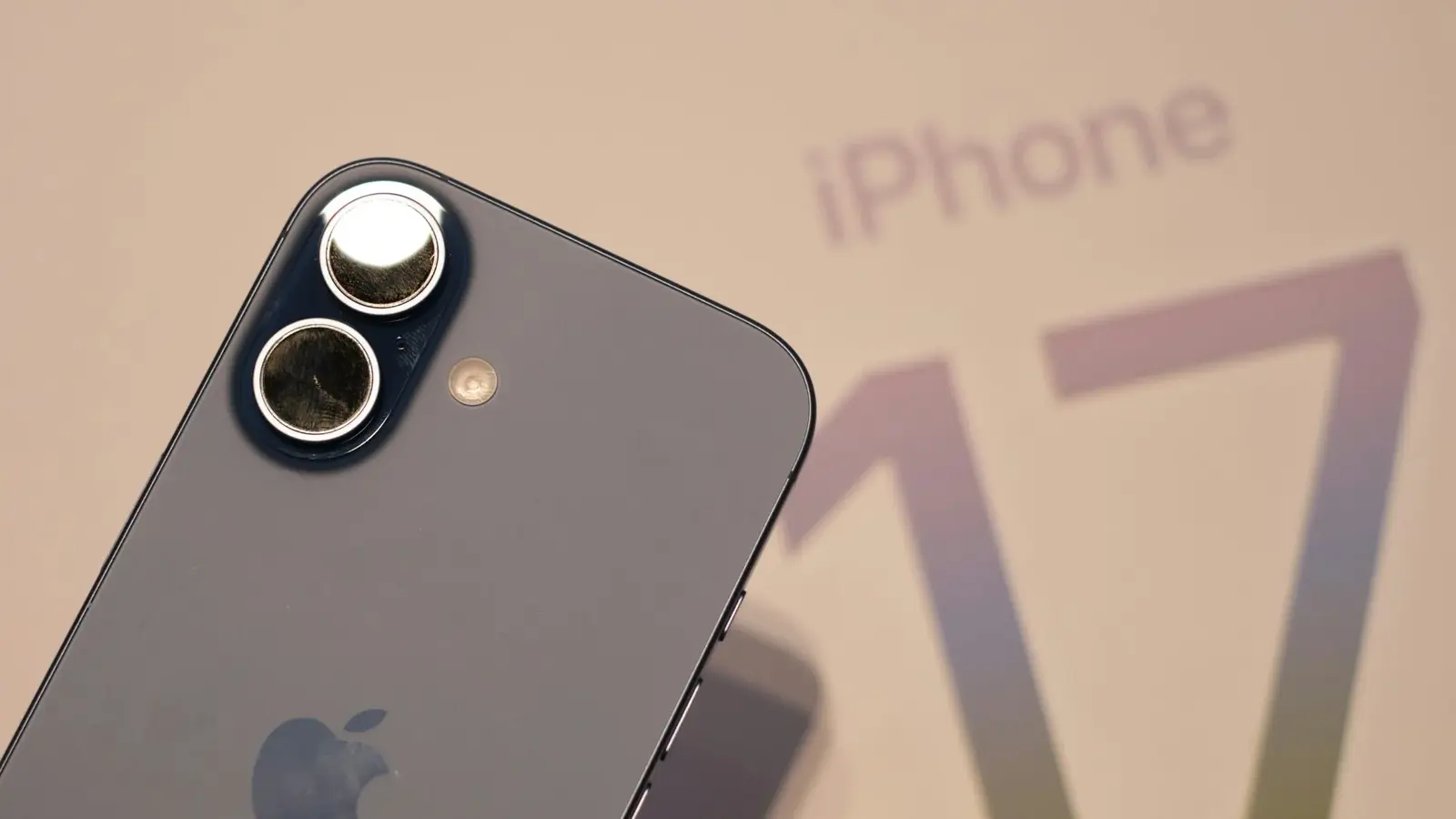
Apple's regular iPhone 17 quietly upset expectations. It didn't roar onto the scene with a dozen cameras or a massive price tag. It simply stepped up where it mattered.
DxOMark awarded the iPhone 17 an overall score of 157, putting it in 20th place on the global leaderboard and level with the iPhone 16 Pro, the Samsung Galaxy S26 Ultra, and the Oppo Find X7 Ultra. That ten-point bump over last year’s base model is not accidental. It's the result of a targeted upgrade and some clever software work.
The headline change is the ultra-wide sensor. Apple moved from a 12 MP unit to a 48 MP module, and that upgrade shows in everyday shots. The main camera remains a 48 MP f/1.6 sensor with a 1/1.56-inch size carried over from the previous generation, so the phone retains the core imaging character users expect while widening its capture capabilities.
So where does the iPhone 17 really score points? Video. Quick answer: it performs admirably. Autofocus is dependable. Stabilization is effective. Colors skew natural rather than hyper-processed. In mixed lighting the phone locks focus fast and keeps noise under control, which is exactly what many people want from a pocket filmmaker.

There is a trade-off. Noise reduction on the standard iPhone 17 is a touch more aggressive than on the 17 Pro. That masks grain well, especially with the smaller sensor, but it can slightly soften fine still-photo detail. In plain terms: your clips will look clean, but pixel peepers may notice a small drop in micro-texture.
The most obvious compromise is zoom. The iPhone 17 doesn’t have a dedicated telephoto lens. Zooming is handled by cropping and computational tricks, which means it can’t match the reach and clarity of multi-lens Ultra flagships. Portrait mode suffers too; faces sometimes lose a little definition and group shots can betray limited depth-of-field control, leaving background subjects softer than you’d like.
That mix of strengths and limits is why the iPhone 17 can sit shoulder-to-shoulder with Ultra models on DxOMark despite its simpler hardware. It’s a reminder that smarter software and selective hardware upgrades — a higher-resolution ultra-wide, refined processing, and steady video algorithms — still move the needle in meaningful ways.
With the iPhone 18 not expected until spring 2027, the iPhone 17 offers a compelling middle ground: strong camera performance without the highest-tier price. If you value video quality and reliable everyday photography more than an aggressive zoom, the 17 deserves a closer look.

Leave a Comment
Comments
No comments yet. Be the first.