
Picture a slim metal box, the size of an air conditioner, quietly humming on the outside of a suburban home. Strange? Perhaps. Practical? That depends on how you feel about turning your house into a node for the next wave of cloud computing.
NVIDIA has quietly started offering homeowners the chance to host its latest Blackwell GPUs on their exterior walls. No upfront cost, they say. The company teamed up with SPAN, known for smart energy hardware, to roll out a service called XFRA — a distributed datacenter concept being tested with some major homebuilders, including PulteGroup.
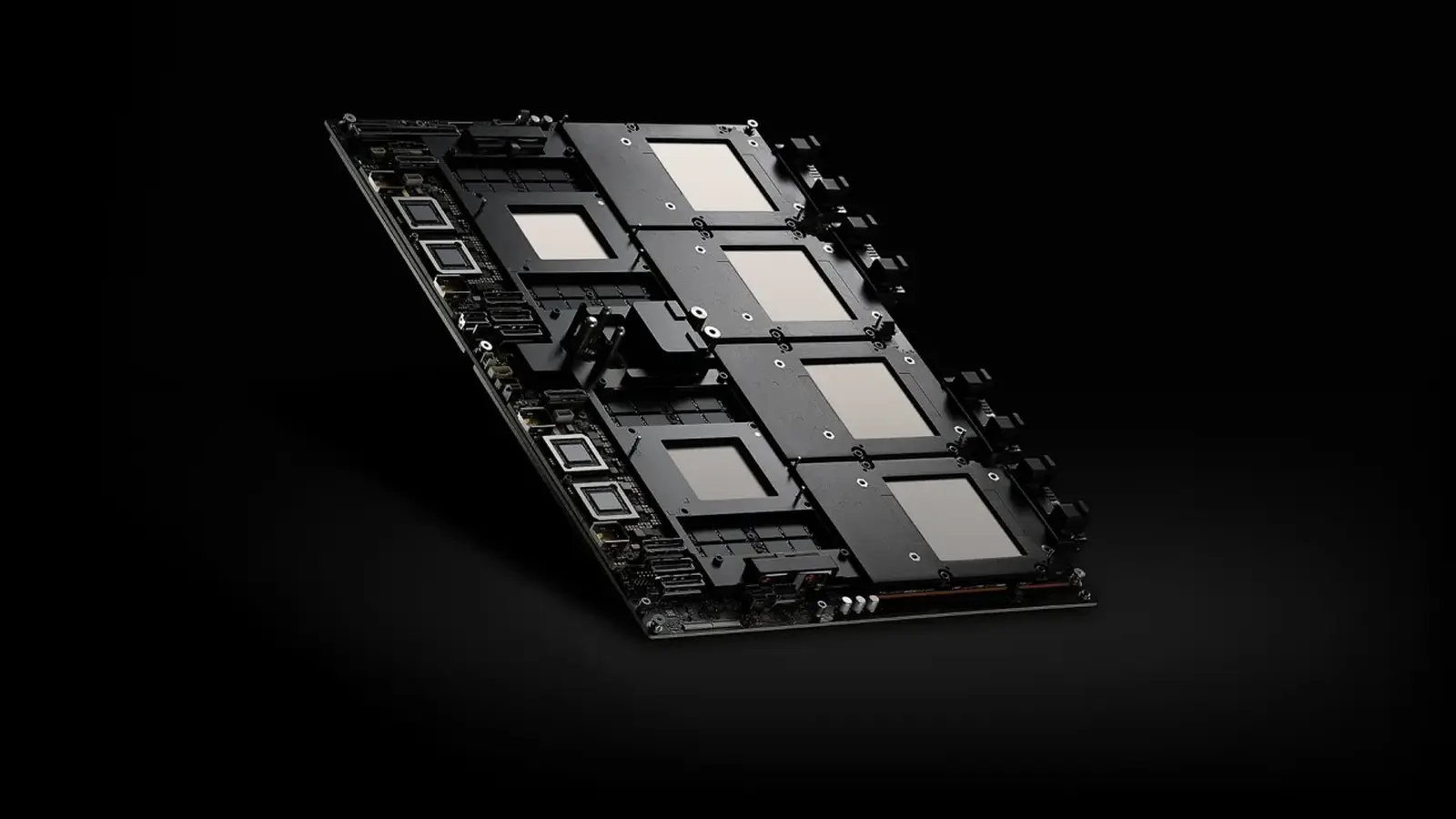
Each wall-mounted container packs 16 Blackwell GPUs and four server CPUs — hardware valued at more than $250,000. The enclosure is built by SPAN and mounts to the wall like an HVAC unit. Inside, it behaves like a compute node in a distributed datacenter, lending its processing power to AI workloads that need it.

Homeowners accepted into the pilot won't pay to install the unit. NVIDIA and SPAN will also cover a significant portion of the electricity and internet needed to run the gear. In return, the homeowner receives a share of the revenue generated by the machine — although the exact cut hasn't been disclosed.
Right now this is a small experiment: roughly 100 homes in select regions. If the economics and logistics hold up, you could see hundreds or thousands of these modules across neighborhoods — the way solar panels have moved from novelty to common roofscape in many places.
There are practical choices baked in. Units can be scheduled to run during off-peak overnight hours to ease pressure on local grids, or they can chew through extra solar output during the day, turning surplus energy into computing time and money.
It raises questions beyond the technical: privacy, noise, neighborhood aesthetics, and who ultimately benefits from distributed compute at the edge. For some, it will be a neat way to monetize unused wall space. For others, it's an unwelcome piece of industrial equipment stuck to their facade. Would you let a high-powered NVIDIA node hang on your home and share in the profits?


Leave a Comment
Comments
No comments yet. Be the first.