
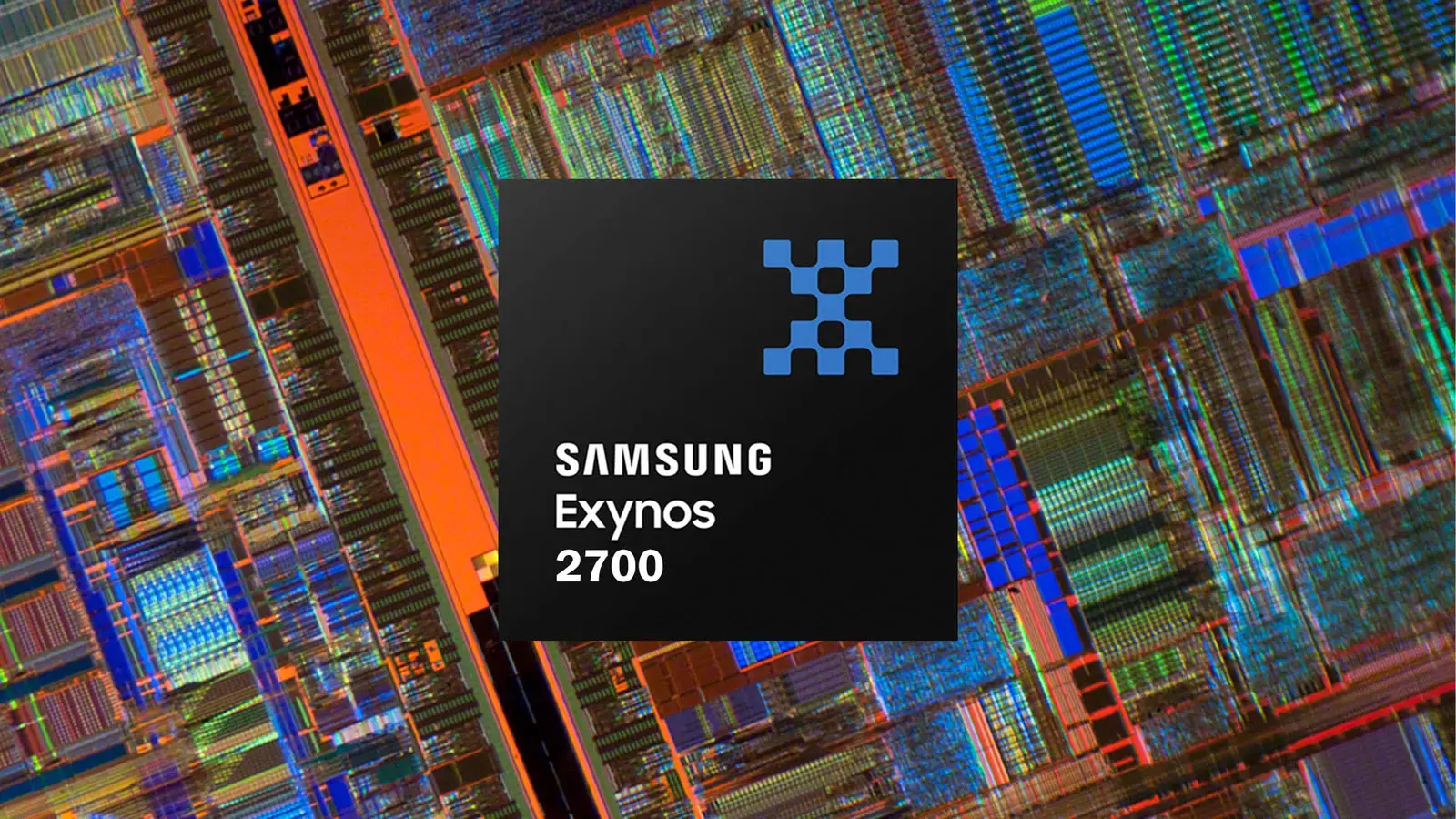
Samsung’s next flagship silicon just showed teeth. A fresh Geekbench AI entry pegs the Exynos 2700’s prime core at 4.24 GHz — a jump that immediately rewrites expectations after earlier, much lower clock readings.
Back in April the same engineering platform seemed throttled, with clusters capped between roughly 2.30 and 2.88 GHz. This new listing uses the identical 1+4+1+4 quad-cluster layout but with noticeably higher frequencies across every cluster, finally edging into territory that feels competitive with Qualcomm’s Snapdragon peak clocks in the 4.3–4.6 GHz band.
The device details read like a familiar lab notebook: implementer 65, part 3478 (0xD96), the S5E9975 ERD tag, about 10.67 GB of usable RAM and an Android 17 build. Those markers point to the same engineering reference device we saw earlier — except this time the power limits appear unlocked rather than a different piece of hardware.
That part number lines up with Arm’s still-unannounced “Canyon” family, widely assumed to be the C2‑Ultra core — the successor to the C1‑Ultra used in the Exynos 2600. If that mapping holds, the jump in clock speed isn’t just a numbers game; it hints at a new microarchitecture pushing higher single-thread peaks while pairing with efficiency cores for sustained workloads.

Geekbench AI focuses on on-device machine-learning performance, so we don’t get the usual single-core or multi-core CPU scores in the visible results. Still, the device info panel exposes the full CPU layout and clocks, giving us the clearest public data point yet on how Samsung’s next silicon behaves when not artificially limited.
Engineering sample or marketing tease, 4.24 GHz on the prime core changes expectations.
Construction-wise, the Exynos 2700 is expected to ship on Samsung’s second-generation 2 nm process (SF2P), and it’s currently tipped for the Galaxy S27 family sometime next year. That timetable leaves room for refinement; thermals, power draw and binning will decide how many phones — if any — actually reach these peaks in retail units.
There are obvious caveats. Arm hasn’t officially named the core and the identification rests on part-number correlation rather than a formal announcement. And engineering samples often run elevated clocks in controlled tests that don’t always survive the transition to mass production.
Still, the direction is clear: unlocked frequencies on this reference board suggest Samsung is chasing higher burst performance and wants to be taken seriously at the top tier again. If those clocks stick, the performance landscape for next‑year’s flagships could look very different — and that’s a plot twist worth watching closely.

Leave a Comment
Comments
No comments yet. Be the first.