
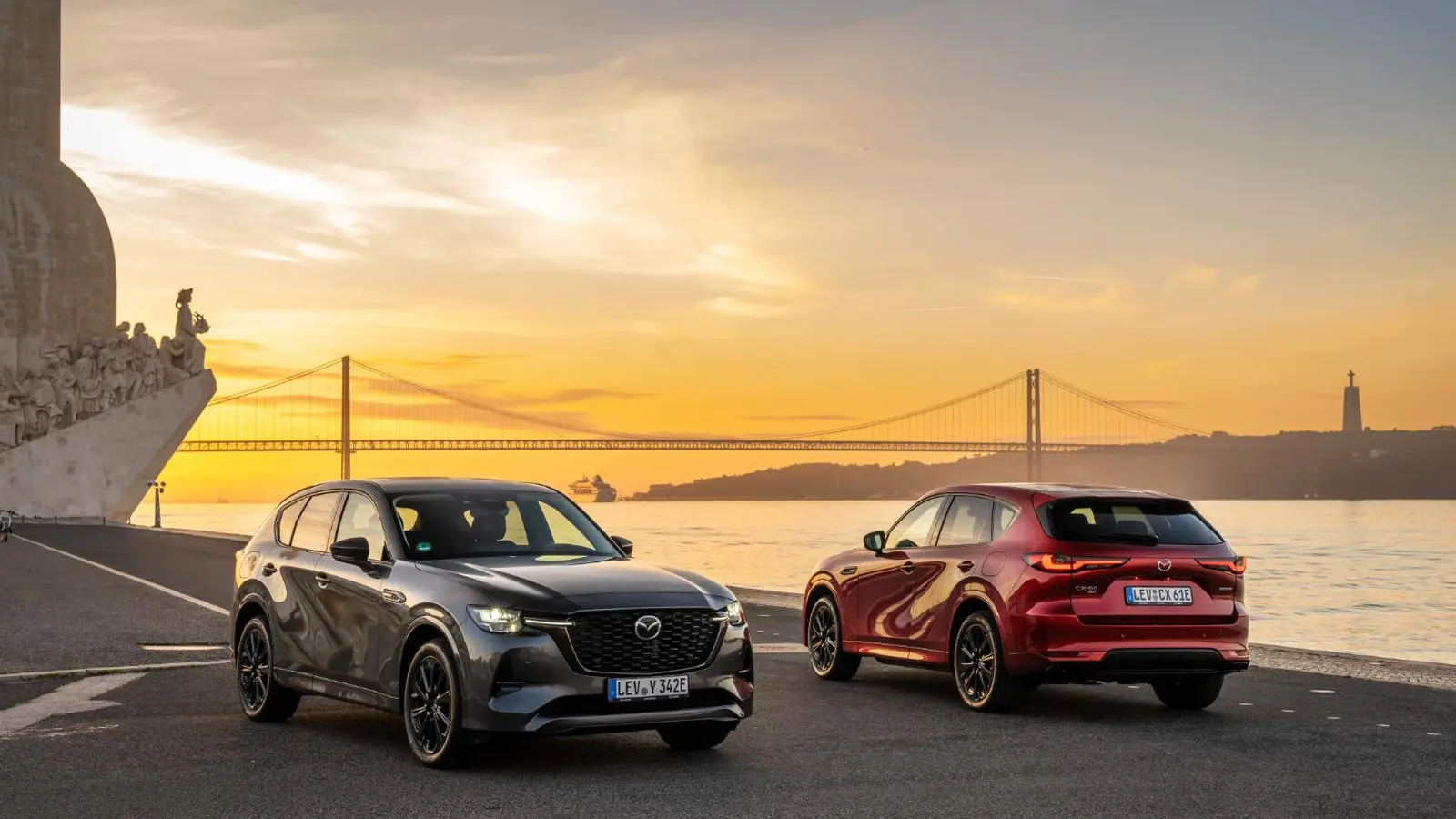
Why the compact and mid-size premium SUV fight matters
The compact and mid-size premium SUV arena remains the fiercest battleground in the global car market. Buyers expect a lot: premium materials, a refined driving experience, advanced powertrains and enough practicality to handle school runs, weekend trips and long motorway runs. Historically, that expectation has been met mostly by the established German marques — Audi, BMW and Mercedes-Benz — whose compact and mid-size SUVs are consistently among their best-sellers.
But Mazda has quietly been rewriting the rules. The CX-60 and its longer sibling, the CX-80, sit on a platform and adopt a powertrain philosophy that until recently was considered the preserve of premium brands: a rear-wheel-biased architecture with longitudinal engines. Following a low-key 2026 mid-cycle update, these two models deserve renewed attention. After driving the full range of engines and trims across both models, it’s clear Mazda isn’t just competing on price: it’s trying to offer genuine premium substance.
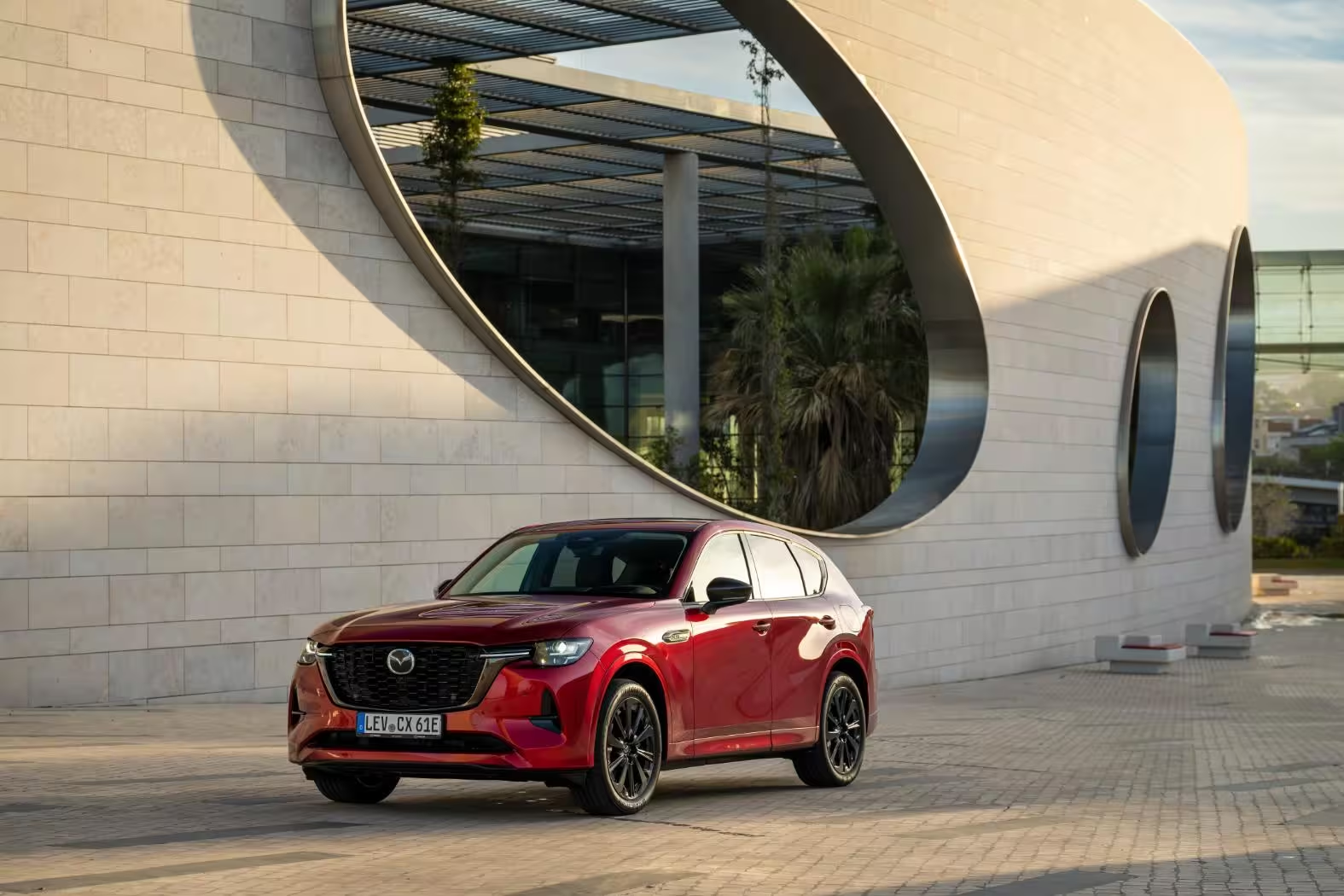
Mazda’s strategy: one platform, two sizes, and a clear purpose
Mazda’s Large Product Group (LPG) architecture underpins the CX-60 and CX-80 in Europe (the U.S. receives technically similar CX-70 and CX-90 models). The LPG architecture places the engine longitudinally and emphasizes rear-wheel-drive dynamics as the baseline, with all-wheel-drive available. That layout is often more expensive to develop than the transverse, front-wheel platforms many mainstream brands use, but it gives tangible advantages in driving balance and packaging — a core advantage the German trio have long leveraged.

Why does this matter? Because premium feel often starts at the platform level: longitudinal engines, robust driving dynamics, and the ability to fit higher-end powertrains. The CX-60 and CX-80 therefore position Mazda as a credible alternative to premium offerings without resorting to badge engineering or downscaled underpinnings.
A two-size strategy that covers family needs
- CX-60: a compact-to-mid-size 5-seater oriented toward keen drivers and smaller families.
- CX-80: a longer model with 6- or 7-seat layouts that targets buyers who need extra passenger capacity.

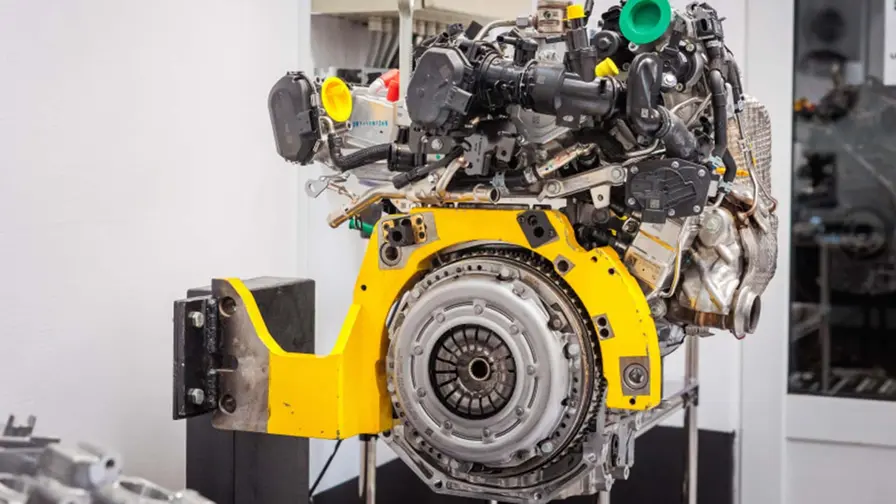
Both models share much of the same engineering DNA and the same two headline powertrain philosophies in Europe: a refined 3.3-liter inline-six turbodiesel with mild-hybrid assistance (e-Skyactiv D) and a plug-in hybrid (PHEV) pairing a naturally aspirated 2.5-liter four-cylinder with an electric motor and a 17.8 kWh battery.
Trim levels and the mid-cycle refresh
Mazda keeps the range simple but efficient: Exclusive-Line as the entry offering, Homura for a sportier flavor, and Takumi for traditional luxury. The higher Homura and Takumi trims can be specified with optional Plus packs that add extras such as a panoramic glass roof, upgraded audio, and more premium upholstery.

The 2026 refresh brought practical refinements rather than a radical redesign: laminated side glass for quieter cabins and improved soundproofing, which are welcome upgrades for buyers who spend long hours on the motorway or in city traffic.
Diesel: Mazda’s bold, efficient inline-six
Mazda surprised the market by investing in a new 3.3-liter inline-six turbodiesel at a time many manufacturers were abandoning large diesels for passenger cars. The engine’s architecture — long lauded for smoothness — and the company’s choice to design it to be under-stressed deliver class-leading refinement and efficiency.

Key diesel notes:
- Configuration: 3.3-liter inline-six turbodiesel with mild-hybrid support.
- Peak outputs: the top version (available in CX-80) delivers 254 PS (251 hp) and 550 Nm (406 lb-ft) of torque.
- Mild-hybrid assistance: an integrated motor/generator inside the 8-speed automatic contributes an extra 16 PS (16 hp) and 153 Nm (116 lb-ft) of torque.
- Fuel economy: impressively frugal — in many real-world situations the big six drinks as little as a small diesel four-cylinder.
- Tank and range: a 58-liter (15.3-gallon) tank gives excellent range, ideal for long-distance family touring.
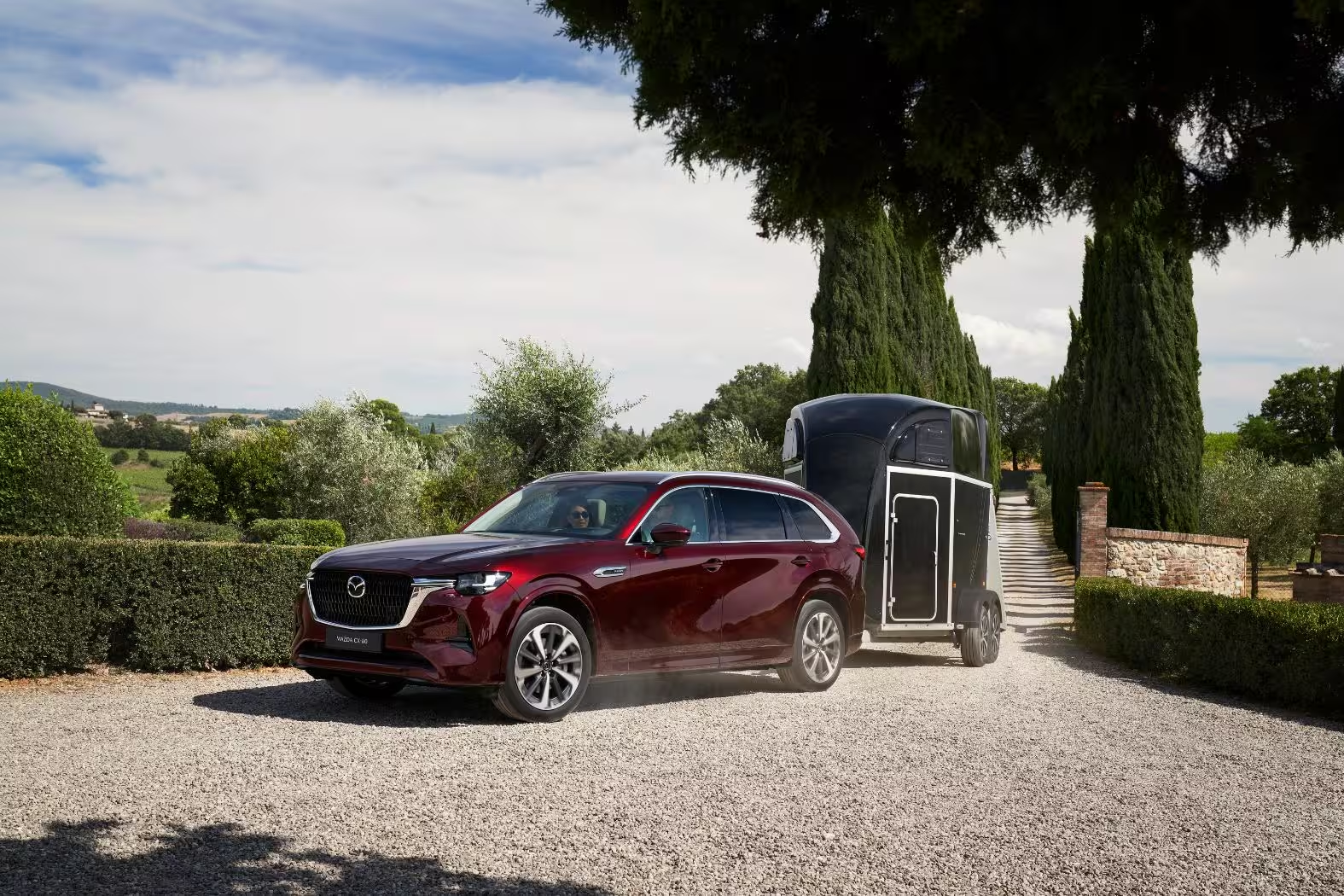
- Towing: top-spec diesel models can tow up to 2,500 kg (5,511 lbs), which is a full 1,000 kg more than the PHEV.
- Sustainable fuel compatibility: both diesel AWD versions can run on HVO100 (hydrotreated vegetable oil), a renewable fuel that can cut lifecycle CO2 by up to 90% versus regular diesel.
Driving the diesel CX-60 and CX-80 reveals a unit that feels smooth, torquey and designed for long-haul comfort. Because Mazda deliberately under-stresses the engine for efficiency, the power delivery errs on the side of tractable torque rather than explosive power. That approach suits a family SUV: effortless overtaking and relaxed cruising, rather than racetrack performance.
That said, the heavier CX-80 highlights the engine’s limits. While torque is abundant, the delivered horsepower is slightly lower than some German competitors’ six-cylinder diesels, so the car feels more relaxed than ballistic when pushed hard. Still, for families prioritizing economy and towing capability, the 3.3 still stands out as a compelling choice.
PHEV: small battery, big payoff
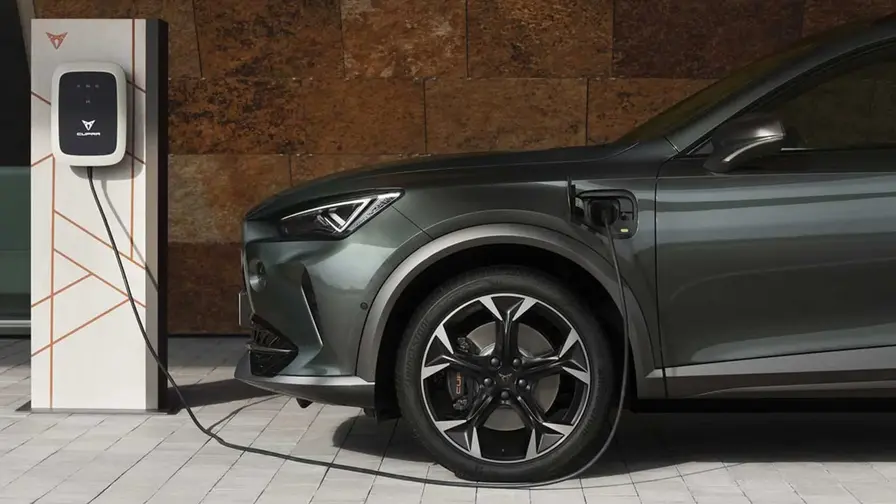
Mazda’s plug-in hybrid strategy is notable for its divergence from the dominant market trend. Where many rivals fit large batteries to maximize pure-electric range (with corresponding weight penalties), Mazda chose a smaller, more compact 17.8 kWh lithium-ion pack that delivers a WLTP electric range of 59–65 km (37–40 miles). On paper that looks conservative, but real-world testing and dynamics tell a different story.


Powertrain breakdown:
- ICE: naturally aspirated 2.5-liter four-cylinder, 188 PS (185 hp) and 250 Nm (184 lb-ft).
- E-motor: 175 PS (173 hp) and 270 Nm (199 lb-ft).
- Combined: brisk combined performance, with a 0–100 km/h (0–62 mph) time of around 5.8 seconds when the battery is charged.
- Battery: 17.8 kWh usable; WLTP EV range 59–65 km.
Initial scepticism is understandable: a naturally aspirated 2.5 with modest torque figures sounds underpowered for a large SUV. Yet Mazda’s PHEV shines in practice. Its system behaves more like a highly capable self-charging hybrid you can also plug in — lighter, more balanced, and surprisingly eager.
Why the PHEV works so well:
- The drivetrain never fully depletes the battery buffer; a reserve remains to shore up torque and acceleration even after apparent battery exhaustion.
- The e-motor sits between the engine and transmission, so even in EV mode the system can drive all four wheels with transmission-driven ratios. That allows gear changes in EV mode and helps maintain a dynamic, non-lurching delivery.
- Mazda’s multi-clutch automatic, engineered in-house, avoids the sluggishness of some e-CVT systems and provides a more natural shift feel.
Real-world impressions were revelatory. The CX-60 PHEV, in particular, feels remarkably responsive even with a partially depleted battery. The CX-80 PHEV, by contrast, suffers marginally in agility due to longer wheelbase and added weight, but still remains composed and efficient.
Fuel economy numbers are impressive both with and without a charged battery. In mixed driving with a charged battery, consumption in "Normal" driving can sit between 3–4 L/100 km (58–78 mpg). Once the battery is exhausted, reasonable everyday consumption still sits below 10 L/100 km (>23 mpg) in many conditions, making the PHEV a strong all-rounder for families who do mixed city and motorway driving.
A practical test: intentionally draining the CX-80 PHEV’s battery in heavy traffic, full climate load and aggressive throttle produced a minimum pure-electric distance of just over 30 km (19 miles). That suggests that most real-world users can expect the WLTP range if they avoid sustained high-speed runs in EV mode.

Driving dynamics: RWD bias and Mazda handling DNA
The LPG architecture delivers a driving character distinct from typical front-wheel-based rivals. Both CX-60 and CX-80 feel more poised and balanced — the CX-60 especially so. Mazda’s chassis tuning emphasizes controlled body movement and communicative steering, which rewards drivers who enjoy an engaged experience without compromising comfort for rear-seat passengers.
- CX-60: more agile, sharper turn-in, and generally more enjoyable on twisty roads.
- CX-80: more composed at speed and better for long-distance stability, but less willing to change direction quickly due to a longer wheelbase.
Mazda also takes care with NVH: the 2026 refresh’s laminated side glass and improved insulation make both models quiet at cruising speeds, with the diesel being exceptionally hushed for a six-cylinder diesel.
Practicality and interior comfort
Mazda’s interiors are quietly premium: clean lines, high-quality materials and ergonomics that prioritize driver focus. Both models offer well-padded seats, supportive front buckets and a central layout that’s simple to use without needing to dive into menus.
Space considerations:
- CX-60 (5 seats): generous front and rear headroom and legroom, excellent for families with two kids and a moderate amount of luggage.
- CX-80 (6/7 seats): adds flexibility with an extra row, but once you carry seven passengers, cargo capacity behind the third row becomes very limited.
A surprising detail from testing: when the two rear seats in the 7-seat CX-80 are folded, usable luggage space becomes almost identical to the CX-60, albeit longer and narrower. That means unless you regularly carry seven people plus substantial luggage, the CX-60 often represents a smarter compromise: more agile, cheaper to buy and run, and nearly as practical in daily use.
Practical extras across the range include optional heated/ventilated rear captain’s chairs in the 6-seat CX-80, advanced driver assistance features, and the aforementioned laminated windows in the 2026 update.
Safety, towing and sustainability
Both models are built to modern safety standards with standard driver-assist systems and strong crash protection targets. Diesel versions benefit from a high towing capacity (2,500 kg) that makes them attractive to buyers who tow caravans or trailers. The PHEV’s towing capacity is lower by roughly 1,000 kg, so buyers with regular towing needs will prefer the diesel.
Sustainability notes:

- HVO100 compatibility for diesel variants reduces lifecycle CO2 emissions markedly for drivers who can access renewable diesel.
- PHEV owners can realistically achieve very low well-to-wheel emissions on a daily basis if they charge frequently and run on electric mode for short commutes.
Where Mazda fits in the market
Mazda is attempting a hybrid strategy of its own: offering premium engineering and driving dynamics without the premium price of traditional German rivals. It doesn’t aim to undercut by cheapening materials; instead, it places emphasis on architecture (LPG), engine refinement and real-world efficiency.
Competitively, the CX-60 and CX-80 challenge models such as the BMW X3/X5, Audi Q5 and Mercedes GLC/GLB by offering a different value proposition: longitudinal engines and RWD-biased dynamics at a price point that undercuts some premium peers while matching or exceeding the practicality of some mainstream alternatives.
Who should buy which model?
- Choose CX-60 if:
- You want a balanced mix of driving engagement, efficiency and everyday practicality.
- Your family is usually 5 people or fewer and you prioritize agility and lower running costs.
- You prefer the PHEV for its dynamic feel and real-world efficiency.
- Choose CX-80 if:
- You regularly need six or seven seats and you prioritize passenger comfort for long trips.
- You tow frequently or need the diesel’s higher towing limit.
- You value rear-seat climate and premium rear-seat amenities (in higher trims).
Highlights and bullet summary
- Platform: LPG architecture with longitudinal engines, RWD-biased dynamics.
- Engines: 3.3L inline-six diesel (mild-hybrid) and 2.5L PHEV with 17.8 kWh battery.
- Diesel strengths: exceptional fuel economy for its size, torque-rich, HVO100-ready, 2,500 kg towing.
- PHEV strengths: nimble, strong electric mode, efficient even when the battery is low, surprisingly engaging driving character.
- Practical note: CX-60 often outguns CX-80 in daily life unless you truly need seven seats or heavy towing.
"Mazda has quietly built a genuine alternative to the German compact and mid-size premiums, not by copying them, but by taking a different engineering path."
Verdict: Which one aims to be the best family SUV?
If your metric for "best family SUV" is a balanced mix of refinement, economy, dynamics and everyday practicality, Mazda’s CX-60 and CX-80 both make compelling cases—but for slightly different families. The CX-60 is the smarter pick for most, particularly in PHEV form: it offers engaging driving dynamics, excellent real-world efficiency and the majority of family practicality without the mass and compromise of a seven-seat layout.
The CX-80 is invaluable for those who truly need the extra seats and rear-passenger amenities, or who plan to tow regularly and want the diesel’s extended capability. As a long-distance family cruiser with six comfortable seats and a thrifty diesel, it’s hard to beat.
Either way, Mazda’s strategy of investing in a premium-feeling platform and offering two complementary powertrains gives buyers a meaningful alternative to the established premium players. The CX-60/CX-80 duo are not merely value plays; they are thoughtful, well-engineered answers to what many families actually want: comfort, efficiency, and dynamic competence.
Final thought
Mazda may not shout the loudest, but its CX-60 and CX-80 quietly deliver many of the premium attributes buyers demand. Whether you opt for the frugal inline-six diesel for long-range touring and towing, or the surprisingly capable PHEV for efficient mixed-use driving, Mazda now offers a credible, well-rounded family SUV lineup that’s worth a close look.
Key specs snapshot
- Diesel (3.3L inline-six mild-hybrid): up to 254 PS (251 hp), 550 Nm (406 lb-ft), 58 L tank, 2,500 kg tow.
- PHEV (2.5L + 17.8 kWh battery): 188 PS ICE, 175 PS e-motor, WLTP EV range 59-65 km, 0-100 km/h ~5.8s (with battery charged).
By blending smart architecture, efficient powertrains and thoughtful packaging, Mazda has created a family SUV offering that challenges convention and gives buyers genuine choices tailored to different lifestyles.

Leave a Comment
Comments
No comments yet. Be the first.