
Consumer Reports: Plug-in Hybrids Show Sharper Reliability Issues
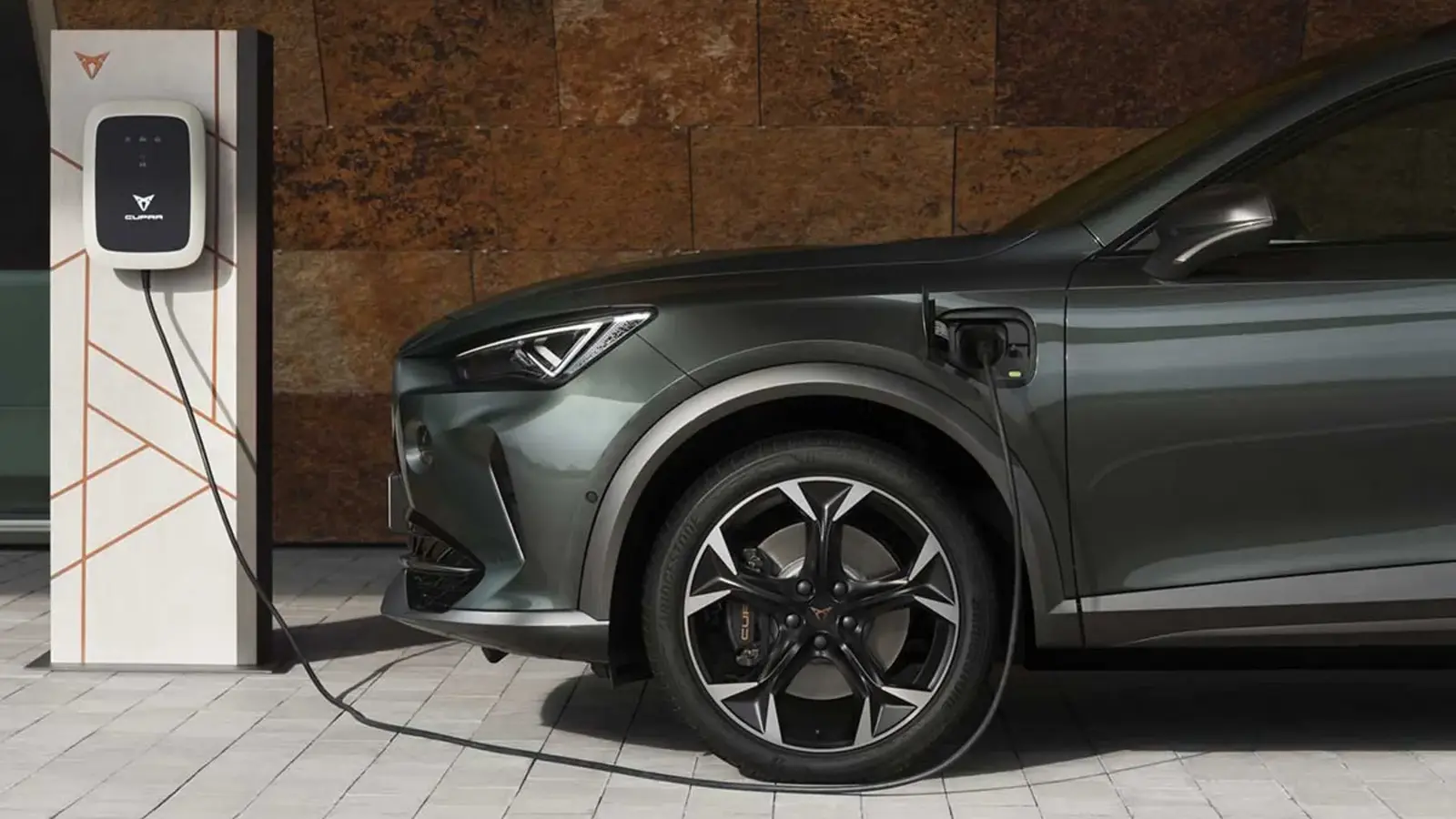
A large owner survey by Consumer Reports, covering roughly 380,000 vehicles from model years 2000 to 2025, reveals a surprising and costly trend: plug-in hybrid electric vehicles (PHEVs) experience about 80% more mechanical and technical failures than their conventional gasoline counterparts. For many buyers, PHEVs promised the best of both worlds—lower fuel consumption and emissions with the reassurance of an internal combustion engine. The data, however, suggests that combining two propulsion systems increases technical complexity and, in many cases, decreases reliability.
Which models are most affected?
The problems are not spread evenly. Certain PHEV models and families recur in owner complaints and field reports:
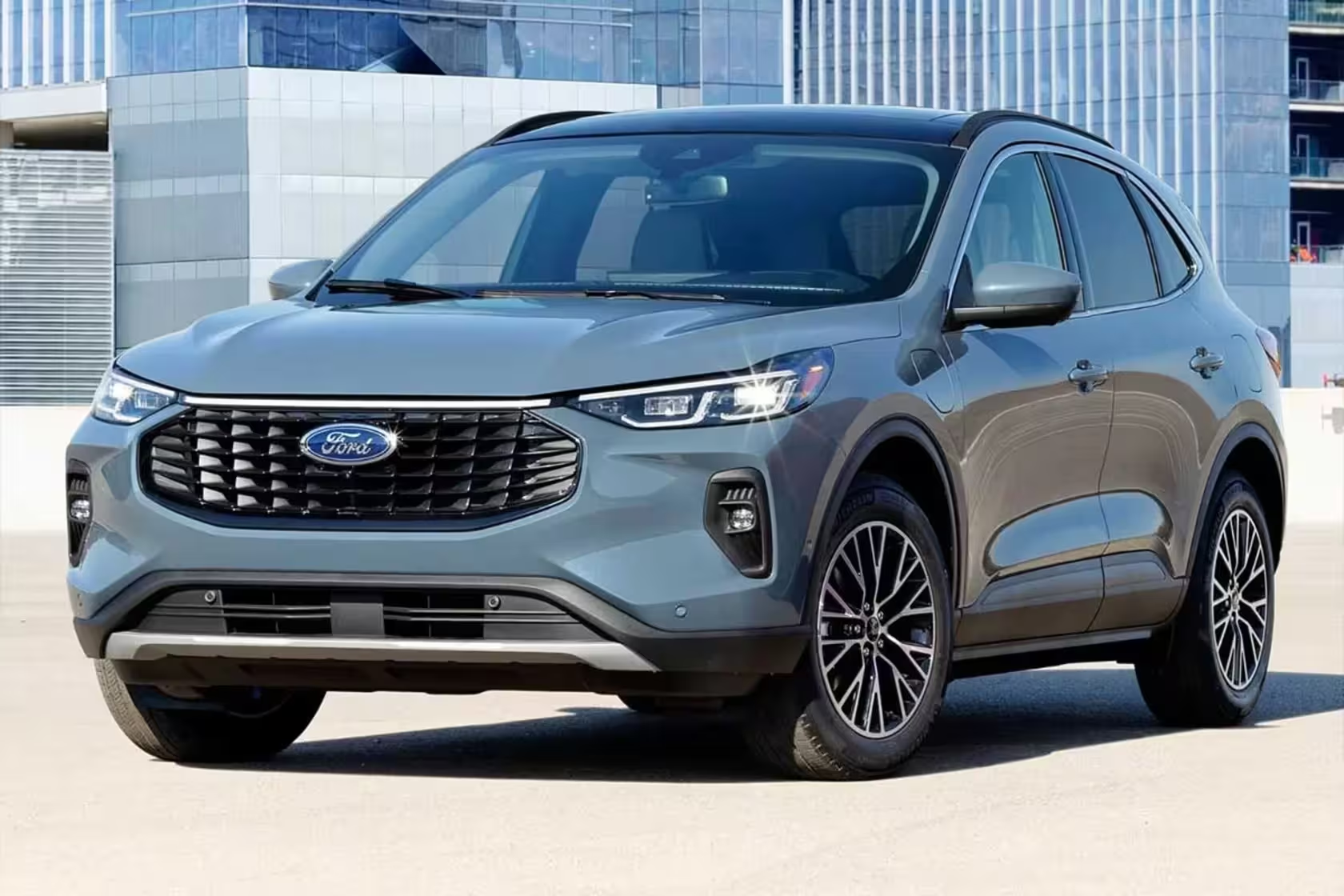
- Ford Escape PHEV: Owners reported battery replacements, cooling system and charging faults, plus unrelated complaints about suspension and HVAC.
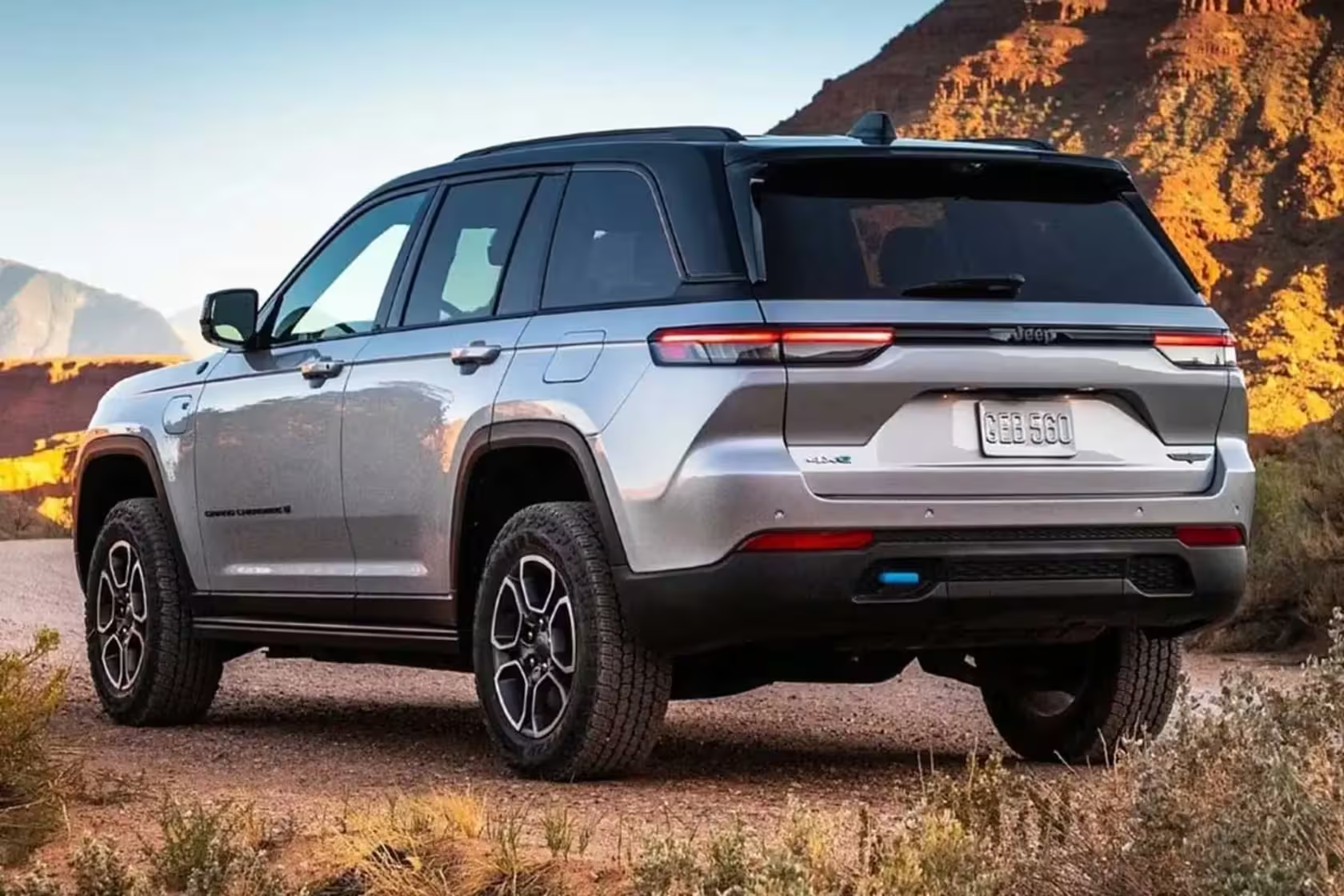
- Jeep Wrangler 4xe and Grand Cherokee 4xe: Problems traced directly to the 4xe hybrid system; some owners say vehicles spent months in repair, others logged repeated dealer visits for the same faults.
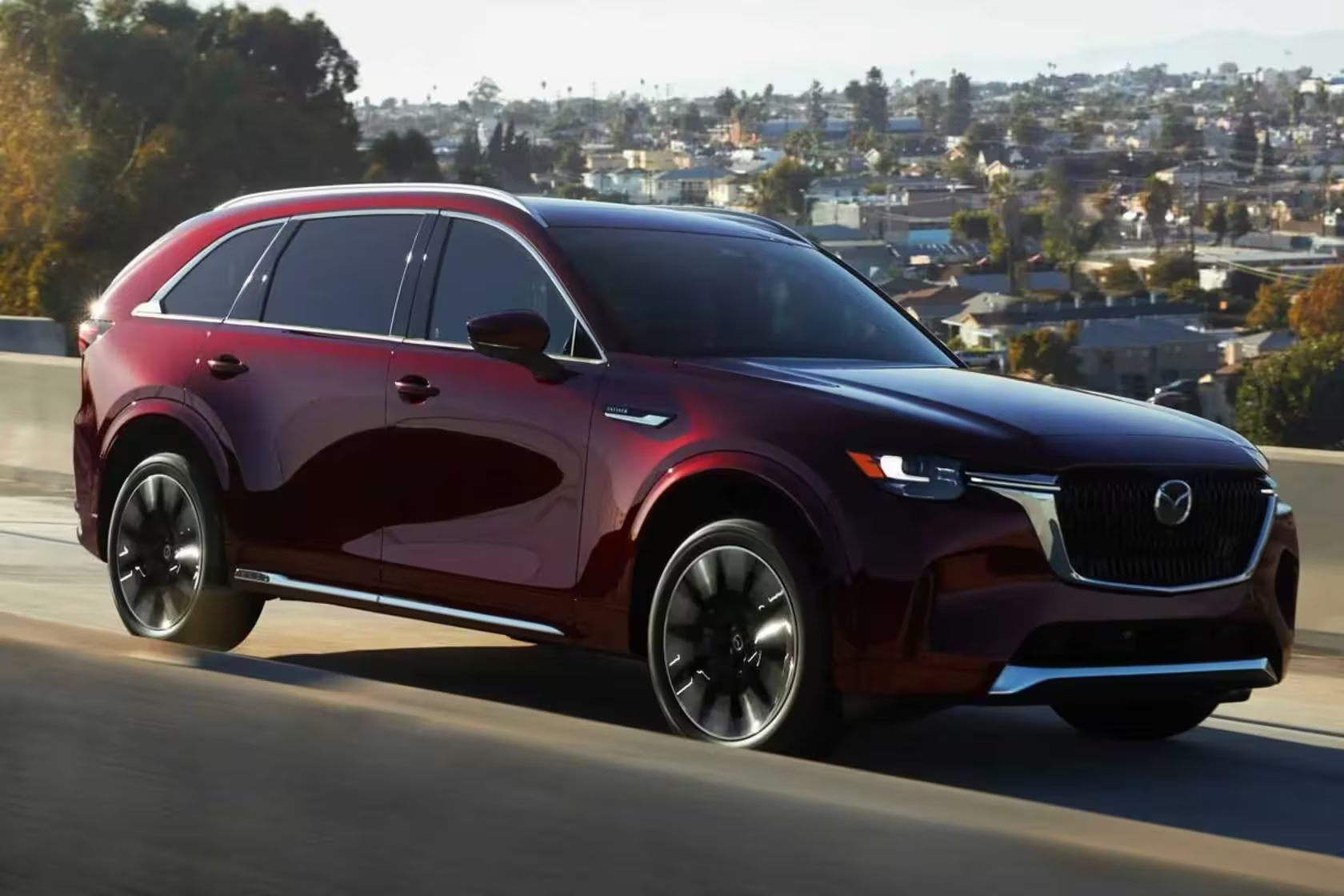
- Mazda CX-90 PHEV: Named the least reliable among large SUVs in the dataset, with electric motor faults, brake issues, suspension defects and fluid leaks.
- Volvo XC60 PHEV: Battery and climate system complaints surfaced, including reports of severe power-limiting limp mode shortly after purchase.
- Chrysler Pacifica PHEV: The only PHEV minivan widely sold in the US also showed gearbox and electronics weaknesses.
Owner experiences and recalls
Several owners described long downtimes: one Jeep owner said a 4xe sat in the shop for nearly six months; another recounted eight dealer visits to address recurring hybrid system problems. Regulators in the US have stepped in with multiple recalls and investigations in some cases, signaling the seriousness of the trend.
Technical causes and market context
PHEVs pair an internal combustion engine with an electric motor, battery pack and sophisticated electronics for charging and energy management. That interplay creates more potential failure points:
- High-voltage battery degradation, coolant and thermal management faults
- Charging system and inverter malfunctions
- Integration issues between transmission control and hybrid control modules
- Software glitches that force reductions in power or functionality
Automakers that once prioritized all-electric strategies, like Volvo, have recently revised their approach toward mixed powertrain lineups. Reports like this are part of the reason: poor component quality or immature integration can quickly erode customer trust.
Practical advice for buyers
If you are considering a PHEV, weigh these factors carefully:
- Warranty coverage: Look for extended battery and hybrid system warranties.
- Dealer competence: Confirm availability of certified technicians for high-voltage systems.
- Total cost of ownership: Factor potential repeated repairs and downtime into resale value expectations.
- Alternatives: Conventional hybrids such as the Toyota Sienna often show higher real-world reliability and lower maintenance complexity.
"Combining two drivetrains multiplies complexity. If parts or software aren't robust, customer confidence is the first casualty," says an industry analyst summarizing the report findings.
Key takeaways
- PHEVs in this dataset had about 80% more reported failures than gasoline-only models.
- Recurring issues center on batteries, charging systems, electronics and integration with transmission and HVAC.
- Some well-regarded brands and flagship models are not immune, affecting brand rankings and buyer sentiment.
For buyers and fleet managers, the message is clear: research specific PHEV models, scrutinize warranty and service infrastructure, and consider whether a conventional hybrid or a full BEV better matches long-term reliability and ownership goals.


Leave a Comment
Comments
No comments yet. Be the first.