
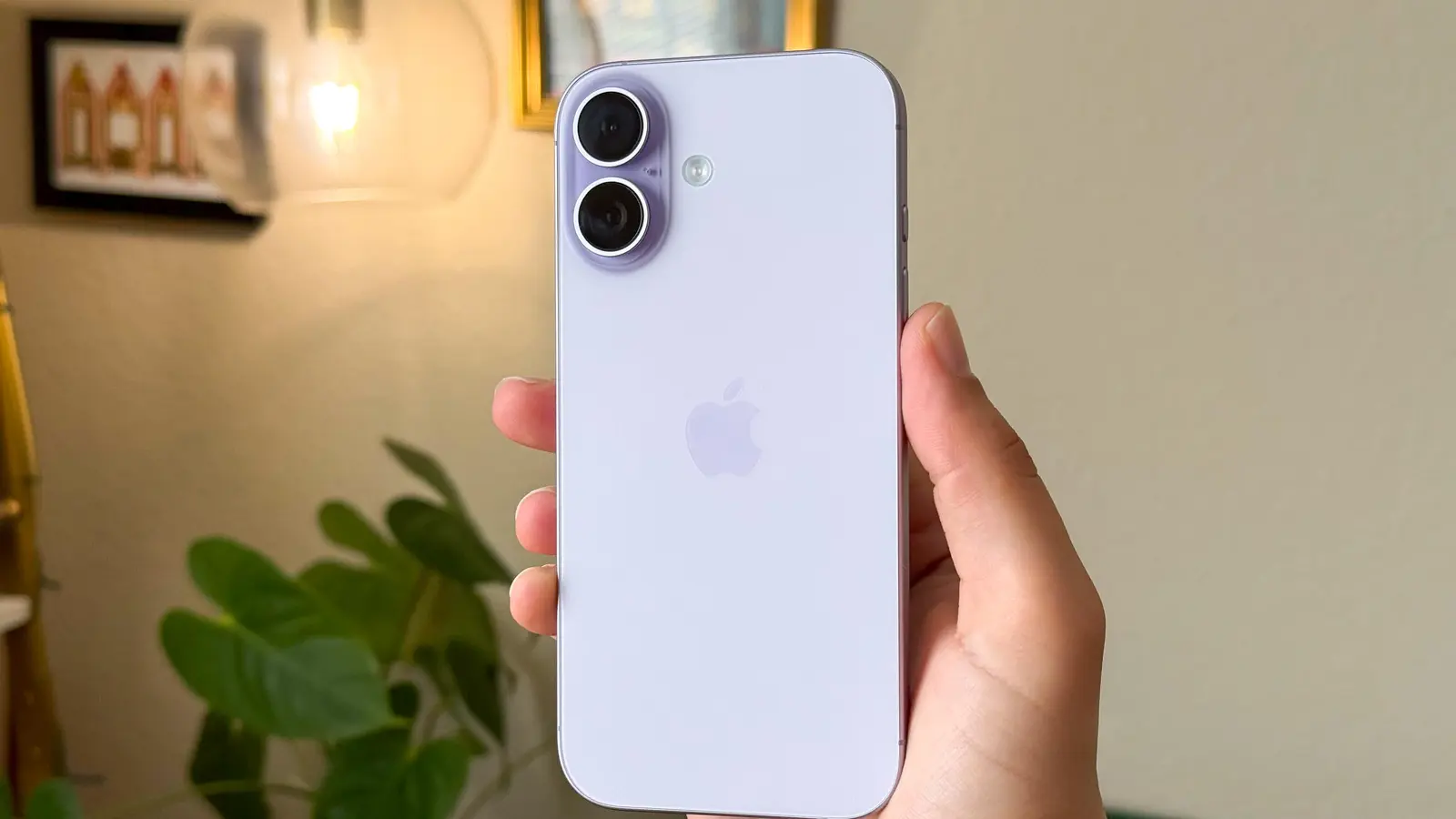
Apple’s iPhone 17 didn't just arrive and disappear into the summer lineup. It held on. Counterpoint Research’s Q2 2026 numbers show the handset responsible for 6% of worldwide smartphone unit sales, and it’s still the device other brands have to answer to.
That success didn’t come in isolation. Apple placed six models inside the top ten list, with the iPhone 17 Pro Max and iPhone 17 Pro sitting immediately behind the base model. Even more affordable or previous-generation options—like the iPhone 17e and iPhone 16—kept their spots, proof that Apple’s product ladder is still converting buyers across different price tiers.
What about Android? Samsung remains the bulwark. The Galaxy S26 Ultra was the highest-ranked Android model in the quarter, and the company filled four additional top-ten slots with mainstream A-series phones and the standard S26. In short: two manufacturers continue to define the headline market share battles.
Regional shifts tell an interesting story. Counterpoint highlights stronger Apple performance in India, Japan, and across the Middle East and Africa. South Korea stands out—Apple’s sales there nearly doubled in the quarter, a striking reversal of past patterns where local brands dominated.

Apple and Samsung together captured 26% of global smartphone sales in Q2 2026. That combined slice grew by two percentage points compared with the same quarter last year, a sign that consolidation at the top is intensifying even as the broader market softens.
Soft is the right word. Global smartphone volumes slipped about 11% in Q2, according to the same dataset. Demand cooling, longer upgrade cycles, and muted replacement incentives are changing the math for everyone in the supply chain.
So where does this leave rivals and shoppers? Manufacturers are doubling down on clear differentiators—camera systems, battery life, and localized price strategies—to win share. The leaderboard feels less chaotic now, but the next handset cycles and regional promotions could redraw it again.
Keep an eye on autumn launches; they’ll tell us whether the iPhone 17’s grip loosens or if Apple can turn momentum into longer-term dominance.

Leave a Comment
Comments
No comments yet. Be the first.