
A name can still start a war.
Twitter.now has quietly slipped into beta, and the startup behind it — Operation Bluebird — is promising a fresh take on short-form social conversation. The twist: one of the founding team members is Stephen Kots, a former legal adviser to Twitter. That pedigree has made the tiny launch anything but low profile.
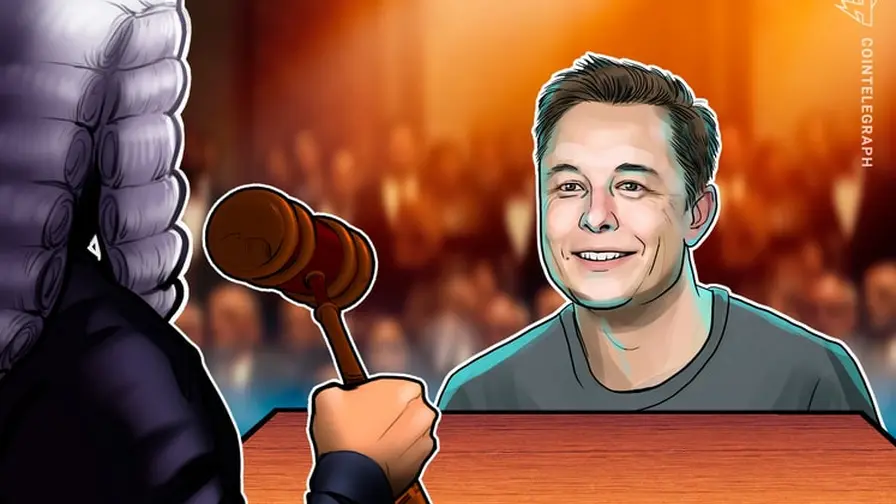
Company X, which rebranded the original platform as X, has already answered with a federal lawsuit. The complaint runs 43 pages, accuses Operation Bluebird of trademark infringement and asks a court to block the new service from using the Twitter name. Legal fireworks, in short. Operation Bluebird counters that X abandoned certain Twitter-related trademarks and even filed a cancellation action last year to prove it. The dispute now sits squarely in the realm of federal courts and public opinion.
'They said goodbye. We say hello.' That line — attributed to Kots in an email statement — has become a rallying sound bite for supporters. It sums up Operation Bluebird's posture: not a resurrection of a dead brand, but a claim that ownership of the old marks has lapsed, opening a window for a new project aimed at trust and choice.

So what is Twitter.now actually doing? The early-access product costs $20 and centers around an AI system called VERA. VERA evaluates claims made in posts, surfaces sources and context, and assigns each item a trust score. Users can set a minimum trust threshold so the feed filters out posts below their chosen level. Short. Sharp. User-controlled. Operation Bluebird describes VERA as being in its initial release with a VERA 2.0 on the roadmap that will let people tailor the app to show only content above their selected trust cutoff.
Kots and other team members insist the startup isn't trying to rebuild the old site feature-for-feature. On LinkedIn, Kots framed the project as an opportunity that emerged after X dropped the Twitter brand, a chance to design a platform around transparency, user agency and clearer source attribution. That positioning appeals to people fatigued by opaque moderation and viral misinformation. It also raises questions lawyers love: when does a brand name become abandoned, and who gets to inherit cultural cachet?
Trademark law will sort part of this. Market momentum will decide the rest. Will courts cling to the literal ownership recorded in filings, or will consumer perception and usage carry more weight? And beyond the courtroom, will an AI-based trust score change how people read and share? VERA is an experiment in nudging attention toward context rather than outrage. Ambitious. Risky. Necessary, perhaps.
Expect the filing, the counters and a slow drip of product updates. Then watch whether early adopters — and the courts — treat Twitter.now as a bold restoration of trust or an unauthorized appropriation of a name that still resonates across the web.

Leave a Comment
Comments
No comments yet. Be the first.