

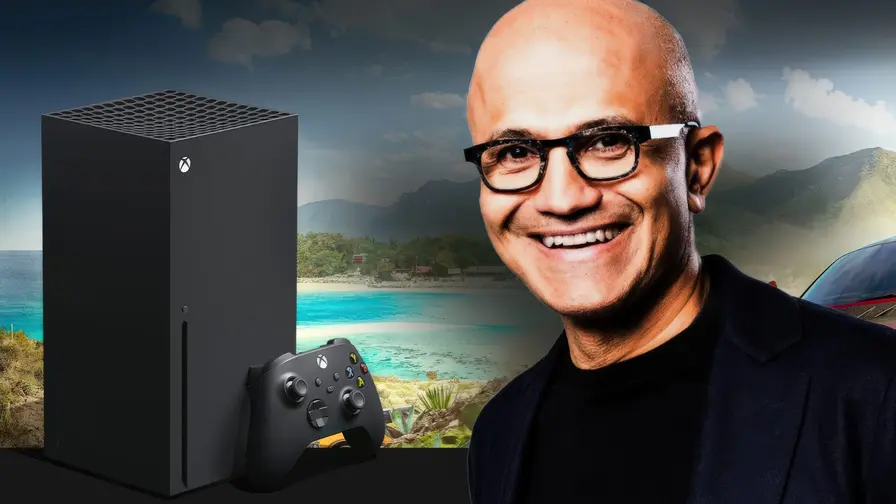
Forget one black box on your TV stand. Microsoft is rethinking what an "Xbox" looks like — and it doesn't stop at a single console.
Called Project Helix, the company's next-generation hardware effort is being built as a family of devices rather than one flagship system. Asha Sharma, the head of Xbox, put it plainly: Project Helix will span multiple devices designed to reshape how people play.
Why does that matter? Because gamers are no longer a single, uniform audience. Some want a powerful living-room machine. Others prefer portable play, cloud-assisted streaming, or compact gear for a bedroom setup. Building several form factors at once lets Microsoft meet those varying expectations without shoehorning everyone into the same hardware box.
Developing multiple devices in parallel marks a real strategic shift for Xbox hardware. It's not an incremental update. It's an architectural change to how the Xbox ecosystem is imagined and delivered. Expect deeper integration across platforms, shared libraries, and the kind of software continuity that keeps games familiar while hardware changes.

Project Helix isn't a single box — it's a family of next-gen Xbox devices designed to reach more players in more ways.
That approach also opens different product windows. A high-end model can chase peak performance and frame rates. Lighter units can target portability and price. Cloud-enabled hardware might blur lines further, letting a modest device run demanding titles by offloading work to remote servers. The common thread is choice.
Details remain scarce. Microsoft has confirmed the project's scope but not launch dates or specs. Still, the intent is clear: expand beyond traditional console cycles and give players flexibility. For gamers, developers, and the broader industry, that could mean more tailored experiences — and a lot more hardware variety on store shelves.
Whether Project Helix becomes a decisive advantage for Microsoft will depend on execution: how well each device is supported, how smoothly games move between them, and whether the ecosystem feels cohesive rather than fragmented. Stay tuned; the next Xbox generation looks less like a replacement and more like an evolution of options.

Leave a Comment
Comments
No comments yet. Be the first.