
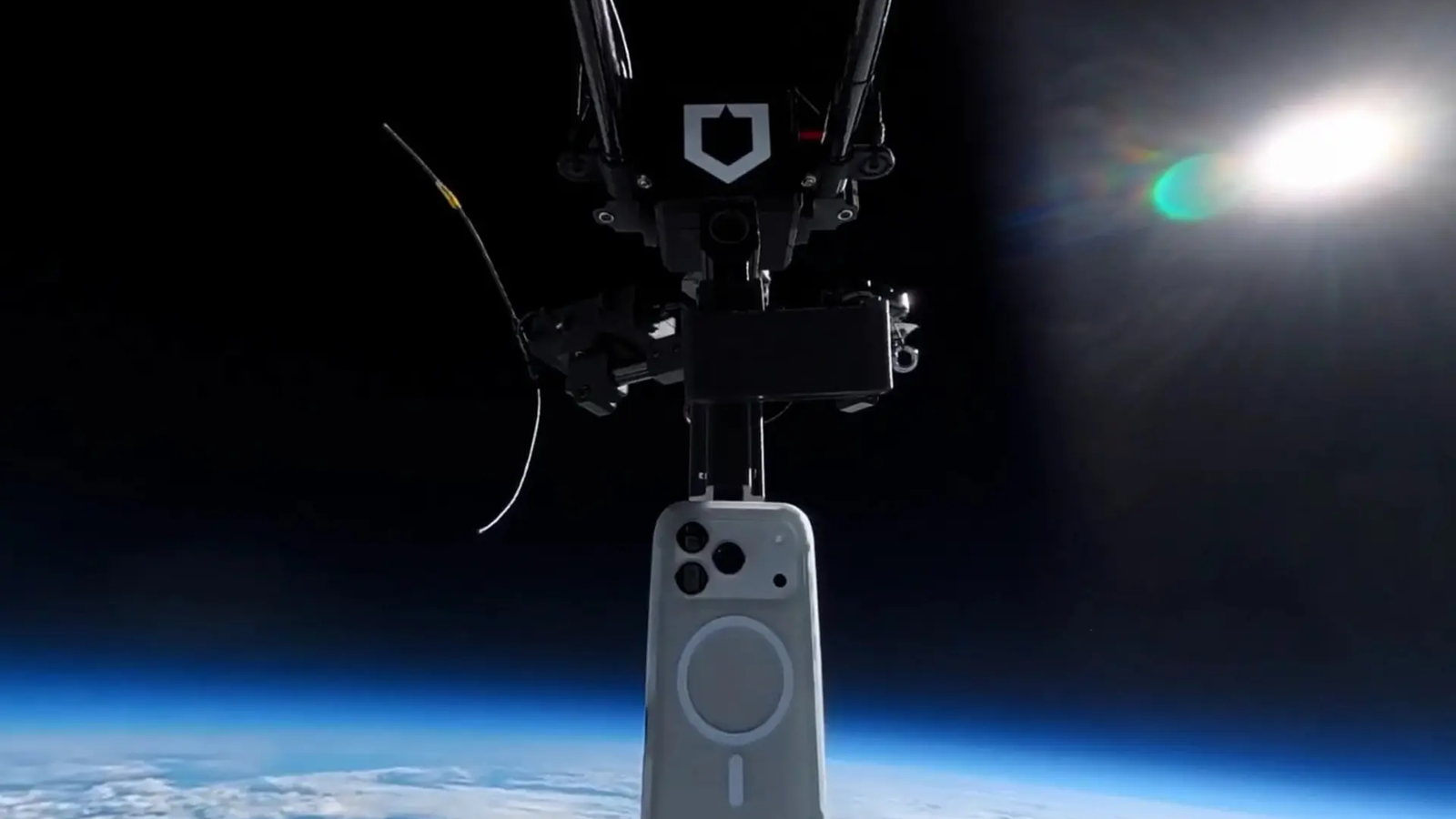
Imagine launching a phone into the stratosphere and then waiting for it to come back down. Strange hobby? Maybe. But RhinoShield and an aerospace partner treated it like a careful experiment — and the result reads like a dare.
An iPhone 17 Pro, encased in a RhinoShield AirX shell, was released from a balloon above Sweden at 30,607 meters. No parachute. Twenty-five minutes of descent through thinning air and bitter cold. Temperatures swung from roughly -40°C to +60°C as the device plunged toward the forest floor. When recovery teams reached it five hours later, the phone powered on and could place a call.
Guinness World Records has since recognized the stunt under the category "highest fall of a mobile phone inside a protective case (on natural terrain)." The company says the whole operation required nearly a year of planning and cost about $500,000. There was engineering in every detail — from the balloon’s payload constraints to the careful selection of a landing zone where trees and loose soil would help absorb the final impact.
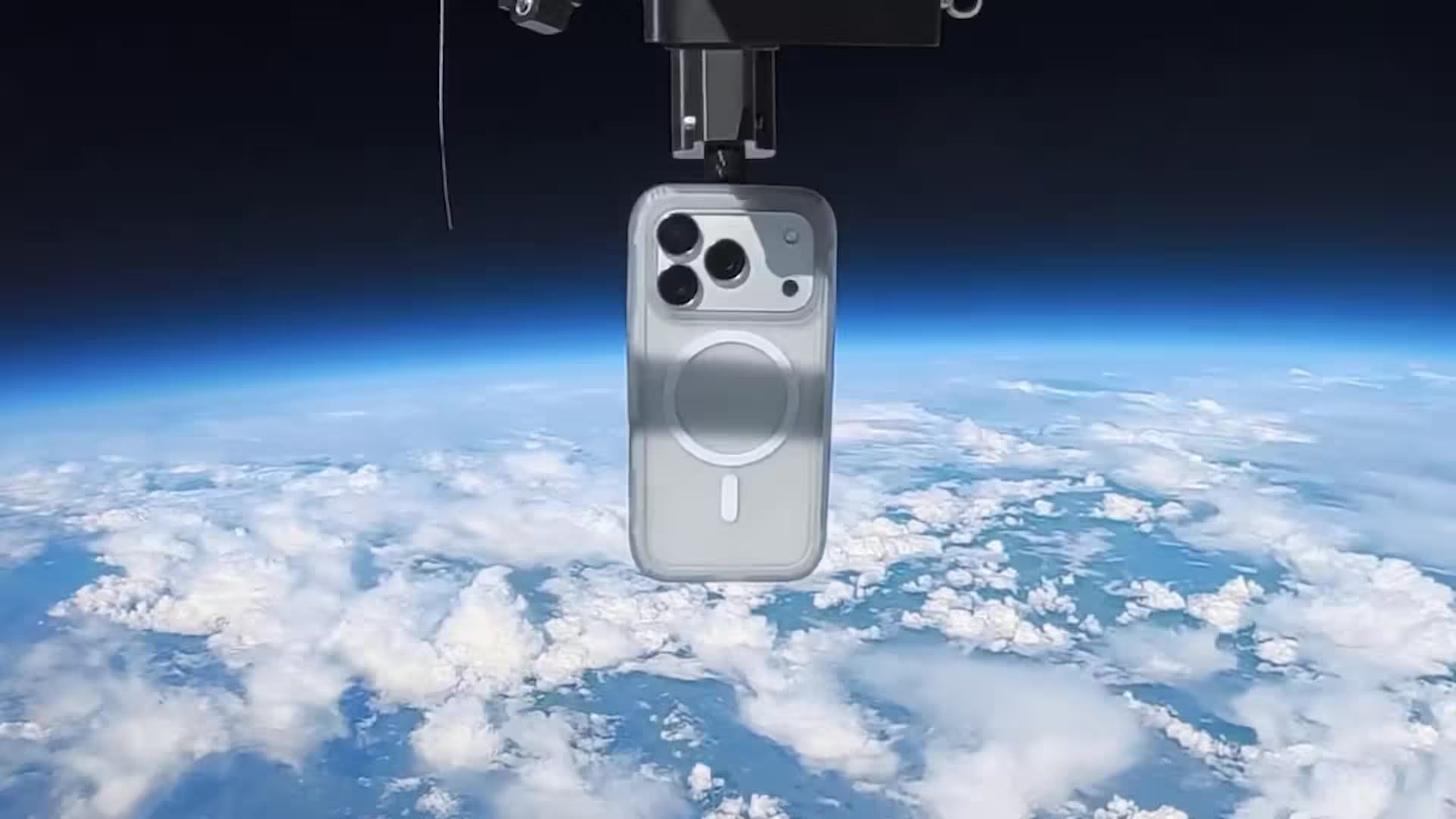
Why did the phone survive? Part of the answer is physics: light objects in thin air hit a terminal velocity long before reaching the ground, so the final impact force can be surprisingly similar to much shorter drops. In this case, the forest canopy and soft earth played a major role in dissipating energy. But the case did the heavy lifting, too.
The RhinoShield AirX isn’t just a rubber sleeve. It’s molded from a thermoplastic elastomer and built around a 360-degree air chamber with a three-point ShockSpread structure designed to redirect and compress impact forces. Retail price: about $62. RhinoShield’s lab tests claim the case can reduce a 4,000 g impact down to roughly 775 g — a dramatic attenuation that helps fragile electronics survive blunt trauma.
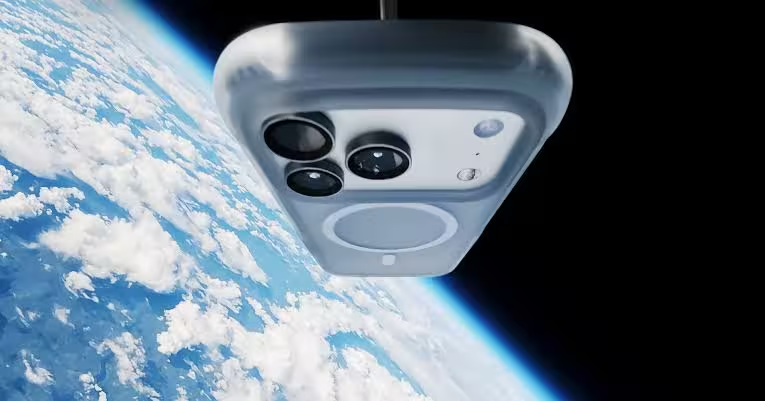
Practical takeaway? For most of us, the chances of dropping a phone from the edge of space are vanishingly small. But what this stunt demonstrates is how modern impact design — clever materials, air cavities, and engineered crash zones — can change the outcome of ordinary accidents, like a tumble from a ladder or a fall into rough terrain.
There’s also a marketing angle, of course. The spectacle grabbed headlines, and the Guinness seal gives the product a headline-ready credential. Yet beyond the press, there’s real engineering validation when a consumer device endures extreme temperature swings, prolonged free-fall, and a rough recovery, then boots up and makes a call.
Whether you view it as a publicity stunt or a legitimate stress test, the experiment underlines one truth: protective design matters.
It leaves a simple question hanging in the air — how far will case makers go next?

Leave a Comment
Comments
No comments yet. Be the first.