
Big tariff, bigger headaches for cross-border production
A proposed 50% tariff on vehicles imported from Canada — set to start on January 1, 2027 — would reshape the economics of North American carmaking and place two Japanese giants, Toyota and Honda, in the hot seat. Because a large share of their Canadian-built vehicles is sold into the United States, the levy would do far more than inflate a price tag: it threatens supply chains, regional manufacturing strategies, and the pricing of best-selling models.

Why Toyota and Honda are unusually exposed
Industry data and reporting show that Toyota and Honda together produce more than three-quarters of all cars made in Canada. Barclays analysts estimate that Canadian-built vehicles account for roughly 25% of Honda's US sales and about 17% of Toyota's US sales — proportions that make both companies highly sensitive to cross-border trade policy.
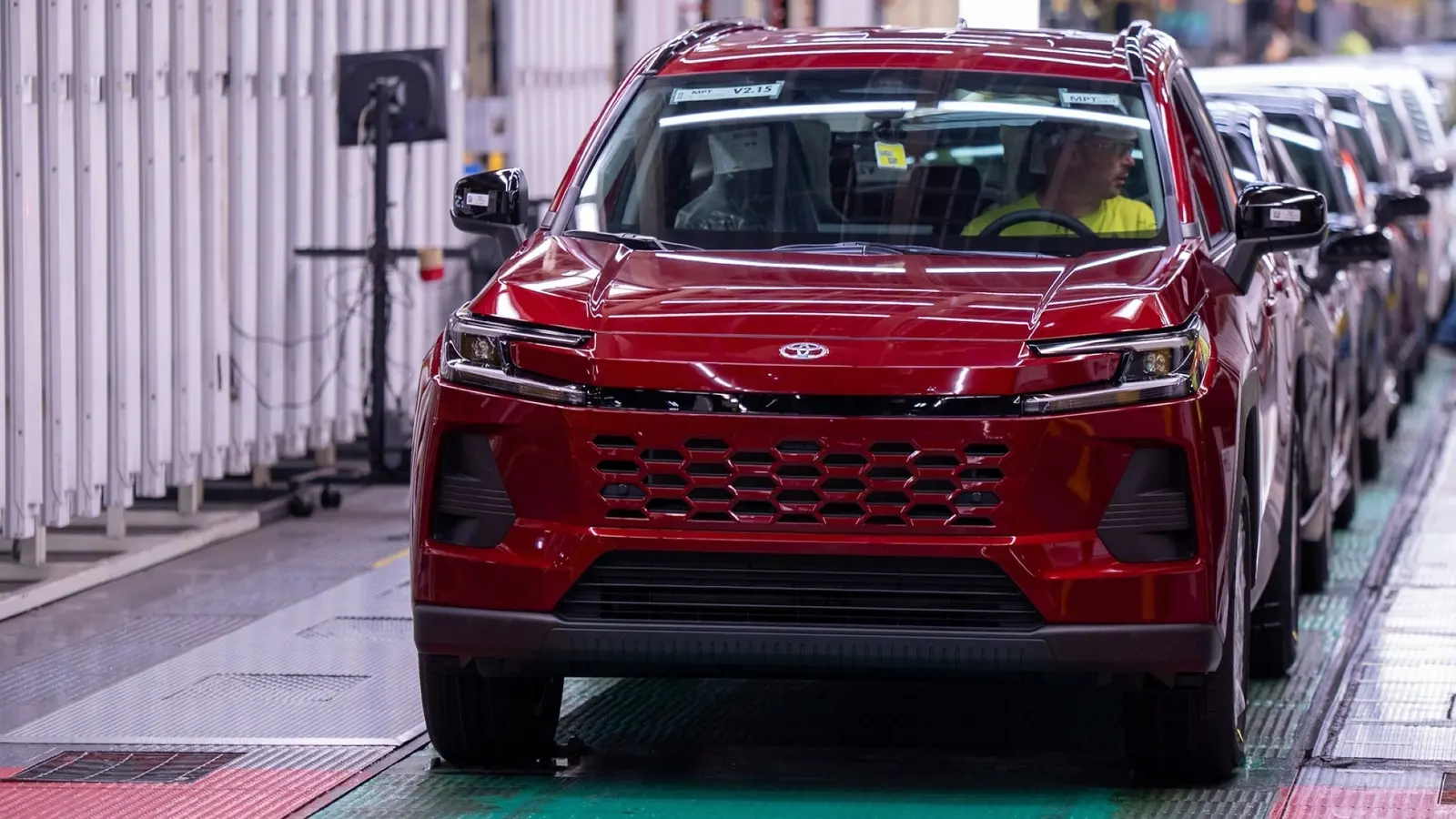
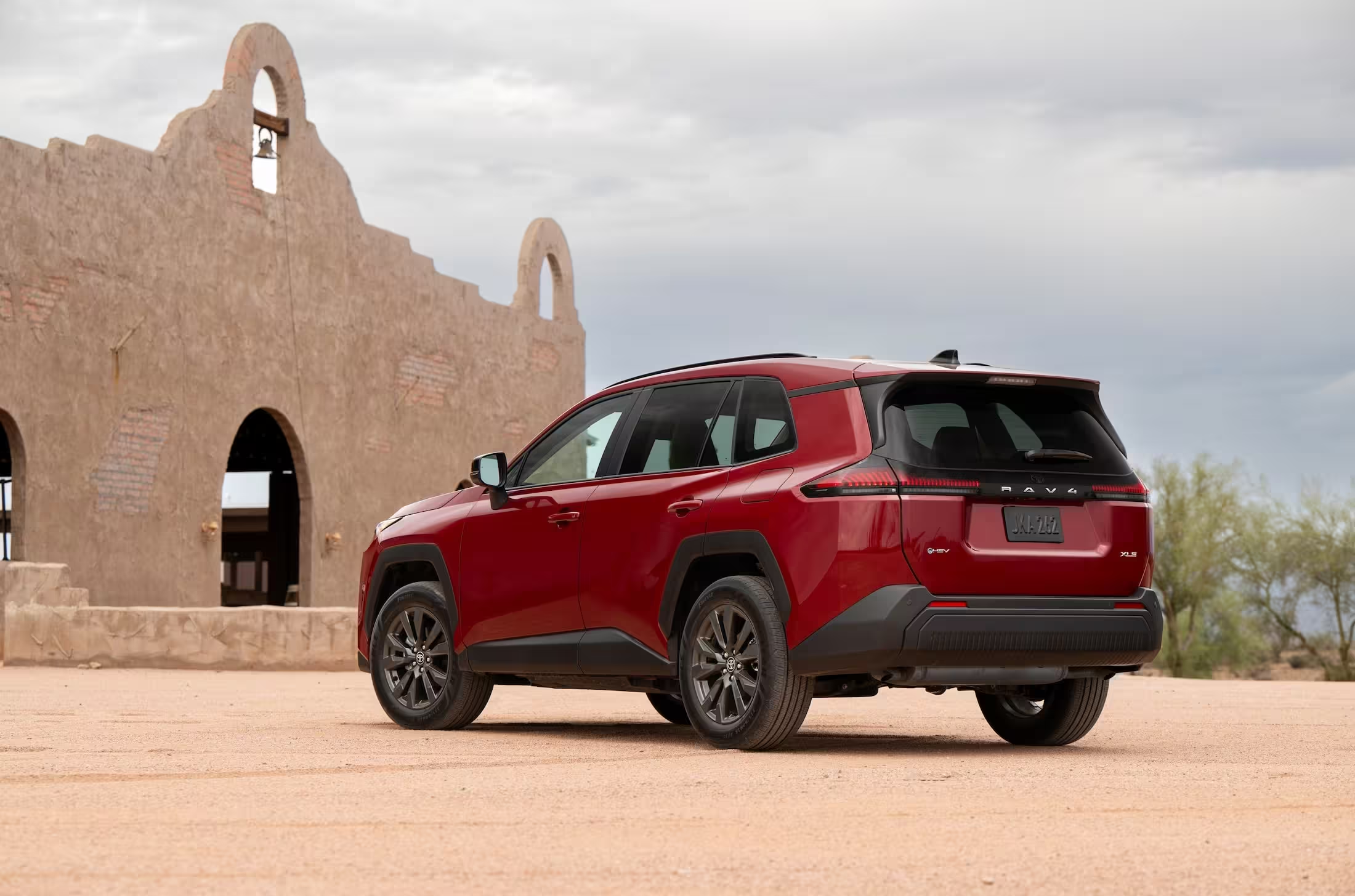
Toyota's Ontario operations are particularly strategic because they now assemble the sixth-generation RAV4, the compact crossover that ranks among the brand's top sellers in the United States. Toyota invested more than CAD 1.1 billion in that production program, and moving RAV4 assembly would be neither cheap nor quick. Honda's Alliston, Ontario, plant is similarly pivotal: it currently builds the Civic and CR-V, the latter being a core volume model for the US market.

Why production can't be shifted overnight
Shifting assembly from Canada to US plants is not a simple switch. Obstacles include:
- Limited spare capacity in existing US plants
- Locked-in production schedules and supplier contracts
- Tooling, line reconfiguration, and certification costs
- Market-specific logistics and parts sourcing
Taken together, these realities make any rapid relocation of production effectively impossible without substantial time and investment.
What options do the automakers have?
There are four broad responses available, each with drawbacks:
- Absorb the tariff cost, reducing margins and potentially cutting investments
- Pass the cost to buyers, risking sales declines in a price-sensitive market
- Relocate production, which would require heavy capital expenditure and months or years to implement
- Seek political or legal remedies, including negotiations, exemptions, or trade challenges
Toyota is already expanding its US footprint: the company has announced up to $10 billion in additional US investments over five years, and a separate $3.6 billion Texas expansion will add an assembly line and bring more of the Tacoma program to the United States. Those moves help long-term resilience but were not planned as emergency responses to an imminent tariff and therefore won't instantly neutralize the impact on RAV4 output from Canada.

Honda's flexibility is even more constrained. The automaker once unveiled a CAD 15 billion plan for an Ontario electric-vehicle and battery ecosystem, including a proposed factory, only to later suspend or scale back that investment. With those expansion plans shelved, Honda has fewer levers to pull if a tariff persists.
Market context and competitive pressure
Timing worsens the pain. Japanese manufacturers already face intensifying competition from Chinese brands globally, and a sudden 50% tariff on Canadian imports would effectively be a 25% increase over current duties — a material shock for volume models. For buyers, that could mean higher sticker prices or longer delivery times; for dealers and fleet customers, it could reduce inventory flexibility.

'A 50% tariff would fundamentally change where and how we make key models,' said one industry analyst, summarizing the dilemma.
Scenarios to watch
- Negotiations or exemptions: diplomatic talks could yield carve-outs or phased implementation.
- Gradual rebalancing: automakers may accelerate planned US investments but only over years.
- Price adjustments: manufacturers might accept reduced margins or pass costs to consumers.

Key takeaways
- Toyota and Honda dominate Canadian vehicle production and are highly exposed to US sales.
- The RAV4 and CR-V are strategically built in Ontario, making them vulnerable to cross-border tariffs.
- Rapid relocation of production is impractical; long-term investments are costly and slow.
- Negotiations remain the most viable short-term path, but uncertainty will likely influence planning and pricing.

For enthusiasts and industry watchers, the proposed tariff is more than a policy headline: it could alter model availability, dealer pricing, and the competitive landscape for compact crossovers that drive sales in North America.

Leave a Comment
Comments (2)
Is this even true? 50% on Canadian cars feels political. Who takes the hit, buyers or factory workers? messy, and kinda scary...
wow, a 50% tariff would wreck RAV4 supply, dealers screwed, moving plants isnt a quick fix, not in a year or two. ouch