
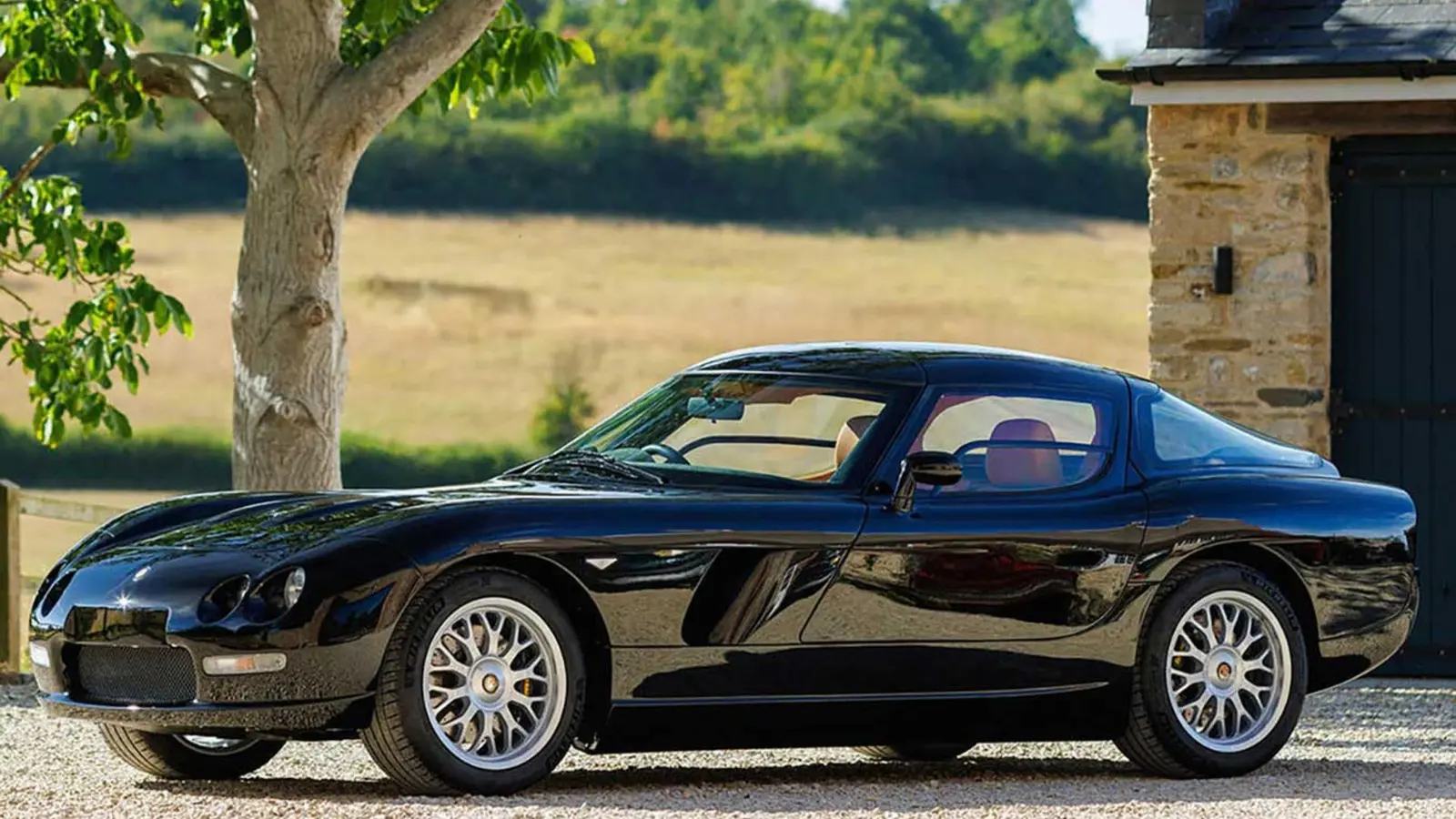
Bristol brings back the Fighter — a V10-powered British supercar
Bristol Cars has returned with a dramatic, limited revival: the iconic Bristol Fighter is coming back into production to mark the company’s 80th anniversary. The unconventional, gullwing-doored GT — first unveiled in 2004 and the last Bristol produced before the company’s 2011 collapse — will be resurrected in a tiny continuation run that leans on original parts, chassis, and blueprints.
This is not a modern reinterpretation but a true continuation: Bristol says the reborn Fighter will be assembled in the UK in partnership with an unnamed, reputable collaborator, using untouched chassis left over from the car’s original production and remanufactured or original components where possible. That makes these cars especially interesting to collectors who prize authenticity over mere homage.

Heart of a Viper: Massive V10 power
At the core of the Fighter’s legend is its engine: a hand-built, supercharged 8.0-liter V10 sourced from the Dodge Viper. That enormous powerplant remains the centerpiece of the revived model. Standard output is rated at 525 hp, while customers can opt for a higher-output 600 hp version. Bristol has not released an official 0–100 km/h time for the new cars, but it quotes a top speed of 338 km/h — figures that keep the Fighter squarely in supercar territory.
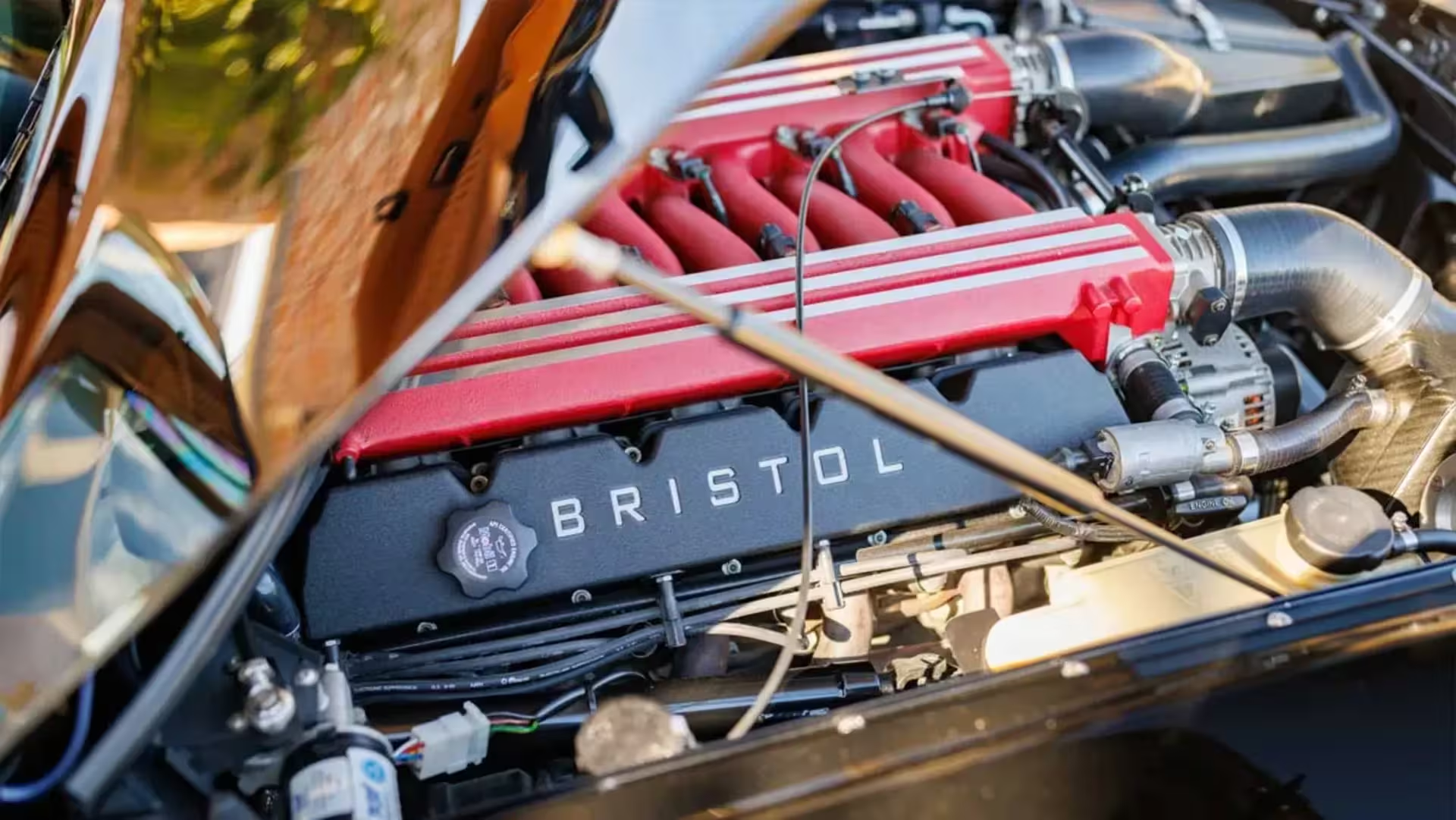
Key specs (highlights):
- Engine: 8.0L V10 (Dodge Viper architecture)
- Power: 525 hp standard / 600 hp optional
- Top speed: 338 km/h
- Production: 5 units (new continuation run)
- Heritage: built from original chassis and components

Extremely limited run — and highly bespoke
When Bristol originally produced the Fighter in the early 2000s, only about a dozen were completed. For this comeback, the company will build just five more cars. The first of the new series has been finished in glossy black with a light-brown leather interior; the remaining four will be bespoke builds, finished to the exact preferences of their buyers. Bristol will disclose pricing only to genuine buyers, but given the Fighter sold for roughly £235,000 in the early 2000s, the continuation examples will almost certainly command a much higher figure on the collector market.


Bristol says the cars will be available in both right- and left-hand drive and that some units will be exported to markets including the United States.
What this revival means for Bristol
Company leadership frames the Fighter’s return as more than a one-off model restart. Paul King, the new owner and managing director leading the revival project, is supported by Richard Hekt — a board chairman who worked closely with Tony Crook during Bristol’s heyday. Hekt sums up the brand’s ethos: Bristol has always been about being different, producing exceptional cars in small numbers for buyers who value individuality, engineering, and authenticity.
The Fighter revival closes an unfinished chapter for Bristol. It reconnects the marque to its past engineering ambitions and, organizers hope, lays the groundwork for a larger comeback — though future plans remain deliberately vague.

Could other models follow?
Bristol has hinted the Fighter might be the first act of a broader return. One promising candidate is the Bolt speedster — a lightweight two-seat model first shown in 2016 with a 4.8-liter BMW V8 producing 370 hp. That Bolt prototype featured a six-speed manual, carbon-composite bodywork, a quoted weight of around 1,100 kg and a 0–100 km/h time of about 3.8 seconds. If Bristol decides to scale up production, models like the Bolt could complement the Fighter as more modern, track-focused entries.

Market context and collectors’ appeal
Continuation models and limited runs are increasingly popular with enthusiasts and collectors. Cars like the Bristol Fighter tick several boxes: distinctive design (gullwing doors, dramatic presence), rare original components, and the cachet of a storied British marque. For buyers seeking an alternative to mainstream exotics, a resurrected Fighter offers provenance and a strong value proposition — provided they can afford the premium.

Quote from the company leadership: “Bristol is not a mass manufacturer; we have always built exceptional cars in limited numbers for people who value individuality and authentic engineering.”
Whether the Fighter revival is the start of a sustained Bristol renaissance or a carefully staged tribute, it has already reignited interest in one of Britain’s most unconventional supercars. For collectors and British-motorsport nostalgists alike, these five continuation Fighters will be worth watching closely.

Leave a Comment
Comments (2)
Is this for real or another boutique revival stunt? Using untouched chassis sounds cool but how safe/regs compliant in 2026? curious.
Wow, the Fighter back? V10 thunder in gullwing form, proper British oddball. Love it, but the price will be insane, probs.