
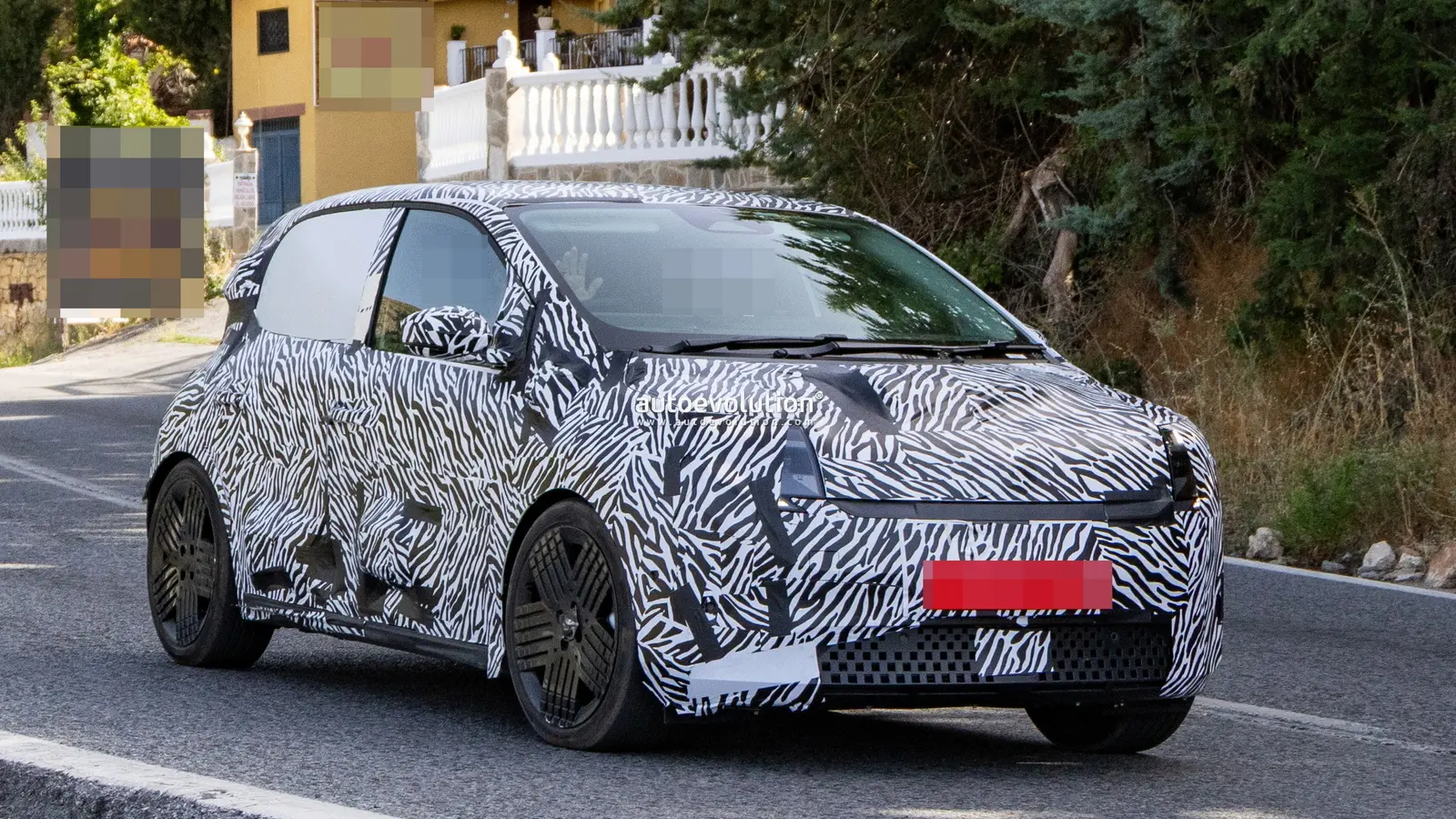
Nissan's new city EV appears in public testing
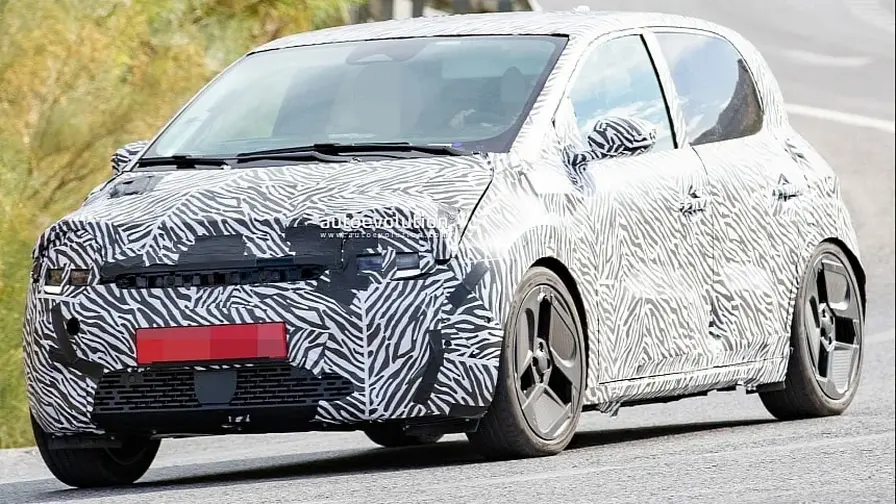
Nissan is preparing to expand its European lineup with a compact, battery-electric city car called the Wave, and the first spy photos offer a clear preview. Snapped during open-road testing in sunny Spain, this A-segment EV aims to sit beneath the Micra in Nissan's range and deliver an inexpensive urban mobility solution for buyers looking for a practical, low-cost electric hatch.
What we saw in the spy shots
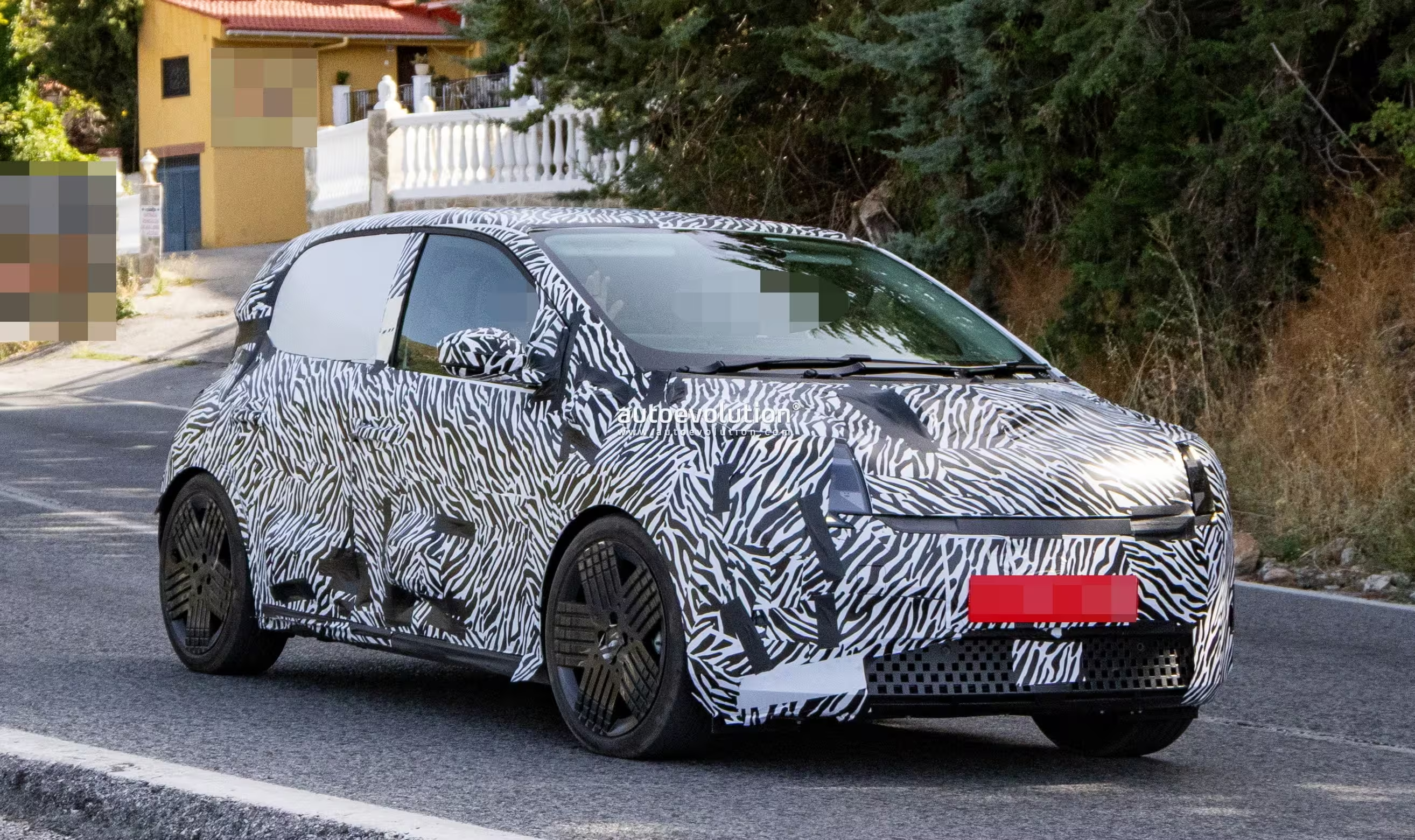
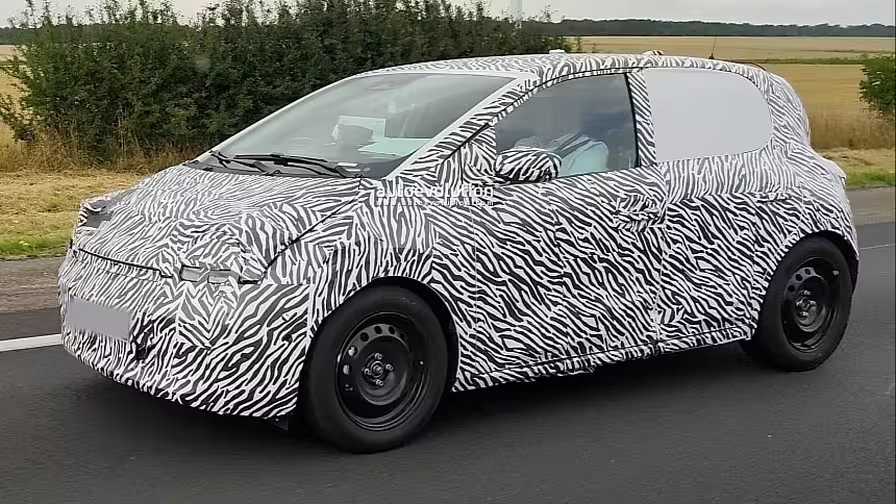
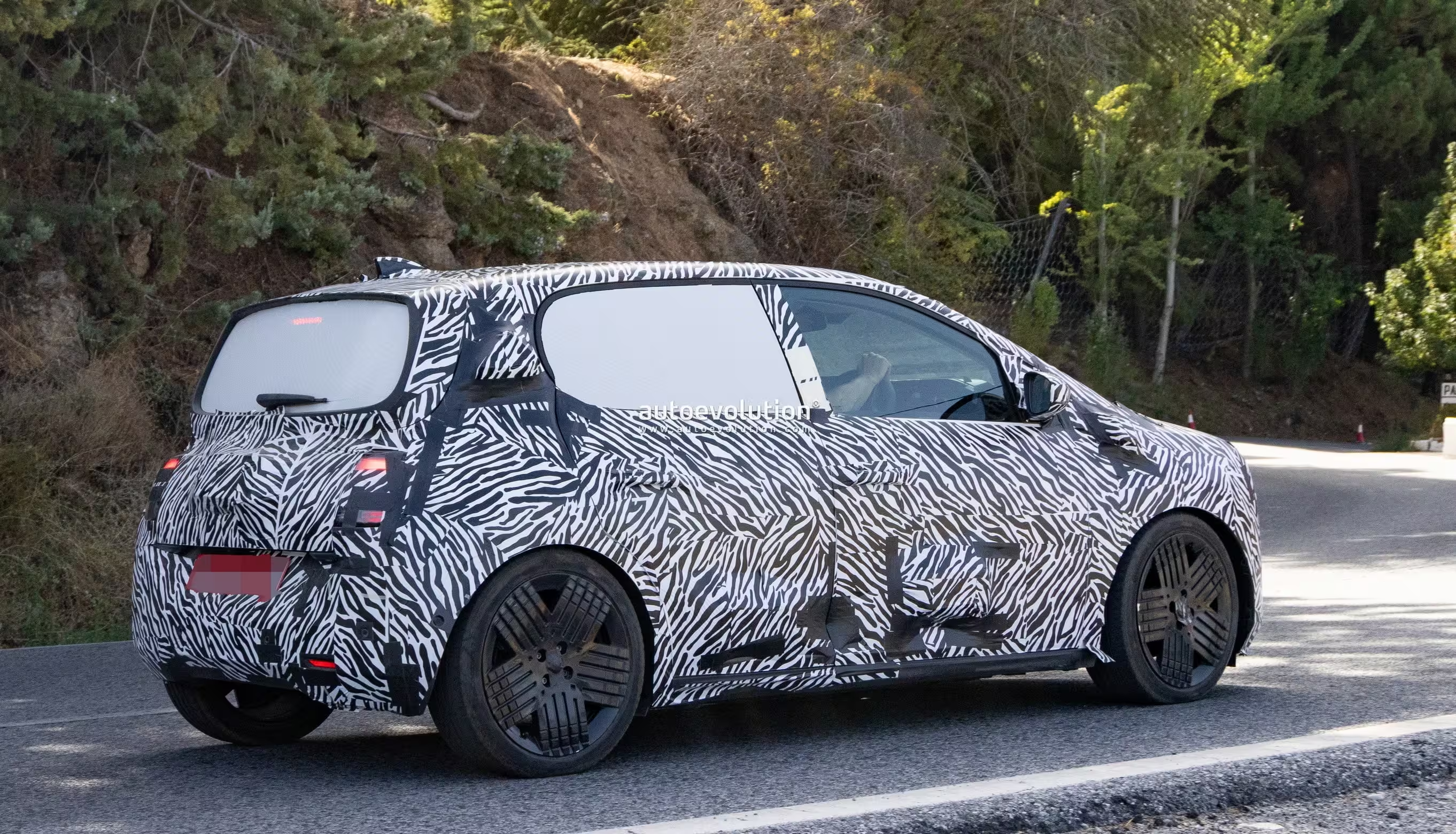
The prototype caught on camera reveals a car that closely mirrors the silhouette of the latest Renault Twingo, but with distinct Nissan styling cues. From the front, the Wave adopts a more subdued, traditionally Nissan face compared with the Twingo's playful lighting. The side profile — roofline, pillars, window shapes and door apertures — appears essentially unchanged, confirming platform sharing between Renault and Nissan.

At the rear, however, Nissan introduces its own design language. The taillights on the prototype are vertically oriented and differ noticeably from the French cousin. The rear bumper and license-plate recess also show subtle revisions. Expect Nissan-specific wheels, a revised front bumper and a unique palette of exterior colors to help the Wave stand apart on dealer lots.
Under the skin: Renault roots and shared hardware
The Wave is widely understood to be a rebadged Renault Twingo E-Tech adapted for the Nissan showroom. That means much of the mechanical package and interior architecture will likely carry over. Sources suggest the Wave will use the same compact electric powertrain and battery that powers the Twingo E-Tech.
Key expected specifications:
- Battery: circa 27.5 kWh usable capacity
- Motor output: approximately 80 horsepower (around 60 kW)
- 0-62 mph (0-100 km/h): just over 12 seconds
- Top speed: roughly 81 mph (130 km/h)
- WLTP range: up to about 163 miles (263 km)
These figures position the Wave as a true city-focused EV, prioritizing efficiency, low running costs and easy manoeuvrability over outright performance. The compact battery helps keep weight and price down while delivering enough range for everyday urban and suburban use.

Interior and tech expectations
Inside, Nissan is expected to retain much of the Twingo's cabin layout, including a modern infotainment setup and a digital driver display. Anticipated equipment highlights:
- 10-inch central touchscreen infotainment
- 7-inch digital instrument cluster
- Nissan-specific steering wheel and trim options
- Reworked upholstery choices and display graphics to differentiate the Wave
Nissan could further distinguish the Wave through custom ambient trims, different infotainment startup screens, and revised trim materials — a common tactic when rebadging to maintain brand identity.
Market positioning and pricing
Nissan clearly aims to undercut larger models like the Micra with the Wave. Positioned as an entry-level electric hatch, it will target urban drivers, first-time EV buyers and fleet customers who need a compact city shuttle. In Germany the Twingo starts just under 20,000 euros, and industry insiders expect the Wave to land in the same ballpark — likely a sub-20,000-euro starting price in some markets, before incentives.
An accessible price combined with low operating costs could make the Wave a compelling choice in crowded European city centers where parking, congestion charges and short daily commutes favor small EVs.

When will the Wave arrive?
Timing remains a bit fluid. Some reports suggest a late-2026 reveal, while others point to a 2027 market launch. Either way, Nissan fans and European city drivers can expect dealer deliveries sometime next year. The staggered timeline may reflect regional homologation processes and differing launch strategies across markets.
How the Wave stacks up against rivals
The Wave will enter a competitive A-segment EV market populated by cost-conscious city cars and micro-EVs from both legacy brands and startups. Its main advantages are proven Renault-Nissan alliance hardware, a recognized dealer network for support and likely attractive pricing.
Potential rival strengths and weaknesses:
- Renault Twingo: nearly identical underpinnings but with a distinct French character; buyers may choose based on brand preference and trim choices.
- Fossil-fuel mini-hatches: offer lower upfront cost in some markets but lose out on running-cost savings and urban access privileges.
- New micro-EV startups: may provide ultra-compact alternatives but often lack service networks and crash-tested platforms.

Why the Wave matters
Nissan's introduction of the Wave shows the brand is not abandoning small, efficient city cars even as it expands its SUV and crossover portfolio. For many manufacturers, the A-segment is about more than volume — it’s a strategic entry point that helps meet emissions targets, broadens brand appeal and offers an accessible EV gateway to new buyers.
Quote highlight:
- 'An affordable, well-executed city EV like the Wave could be the tipping point for urban EV adoption among value-minded buyers,' says an industry analyst.
Final take
The Nissan Wave appears to be a pragmatic, no-nonsense city EV: compact, affordable and built on proven alliance technology. If pricing lands below the 20,000-euro threshold and real-world range matches WLTP claims, it could become a strong contender for anyone wanting a simple, cheap-to-run electric car for daily city life. Would you pick the Nissan Wave over its Renault sibling if both were available in your market? The choice may come down to styling, dealer experience and small differences in equipment.
Stay tuned as Nissan prepares to confirm details, pricing and exact launch dates — and expect more spy shots and official teasers ahead of its debut.

Leave a Comment
Comments (2)
Does anyone trust 27.5 kWh WLTP 160+ miles in real life? Sounds optimistic, esp in winter. Price matters tho, hope it's under 20k
Wow, didn't expect Nissan to go this tiny. Sub-20k and 160 miles? tempting... but hope interior isn't a shoebox, parking win tho