
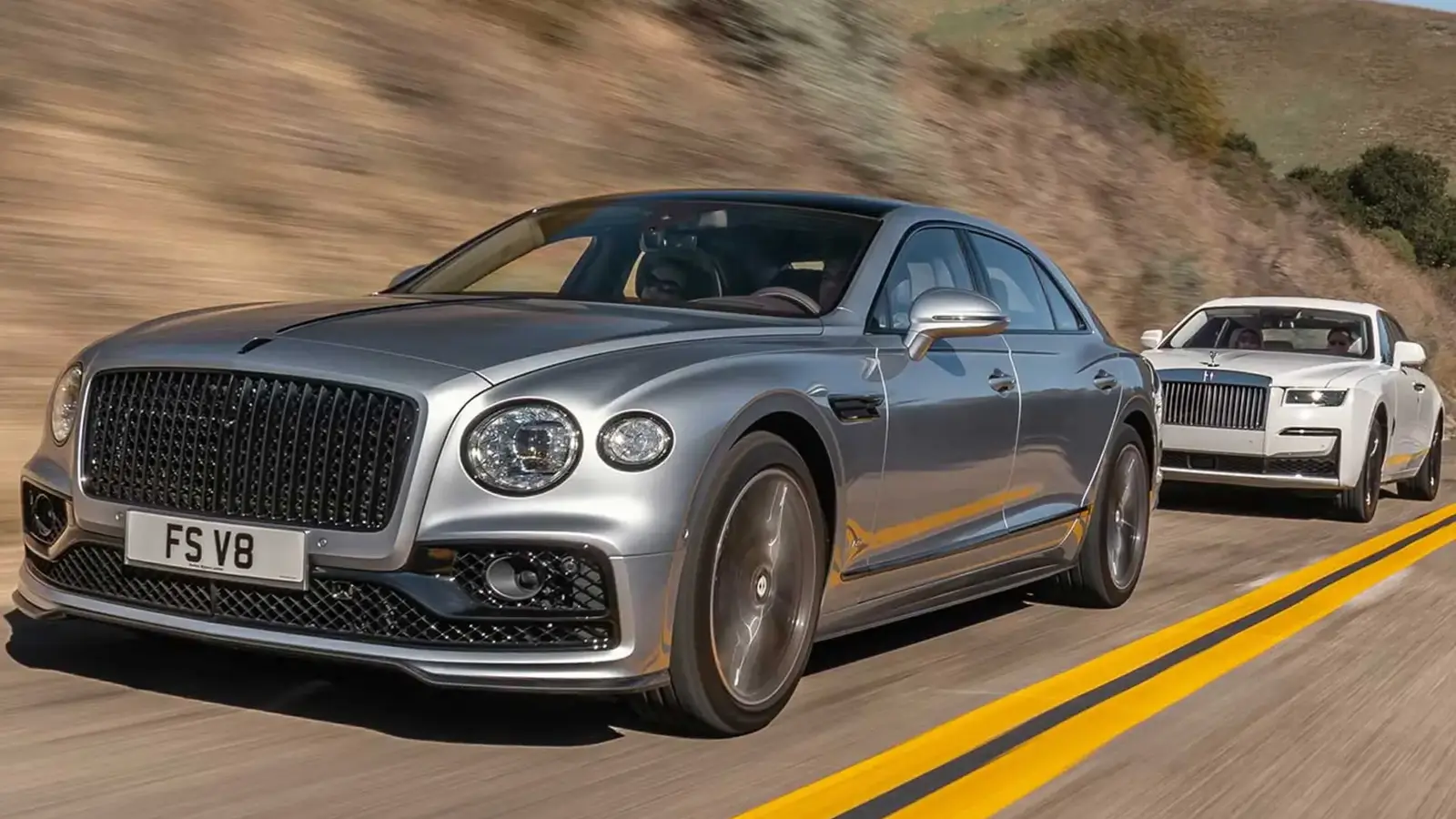
How a British Luxury Rivalry Tightened
Once distant players in the ultra-luxury segment, Rolls-Royce and Bentley have followed separate paths for two decades. But a strategic shift at Rolls-Royce — most notably the launch of its first SUV, the Cullinan — has dramatically narrowed a historical sales gap with Bentley. Backed by BMW after a 2003 acquisition, Rolls-Royce pursued a model of extreme luxury, rarity, and high price points. Bentley, part of the Volkswagen Group since 1998, charted a different, higher-volume course.
From niche sedans to mass-luxury expansion
In the early 2000s ultra-luxury cars were a tiny slice of the global market and largely dominated by large sedans. In 2003 Bentley sold roughly 1,017 cars worldwide — about 3.4 times more than Rolls-Royce at the time. As both companies focused on the United States and other growing luxury markets, deliveries surged. By 2007 Rolls-Royce surpassed 1,000 deliveries for the first time while Bentley briefly touched record numbers.

Growth continued into the next decade. By 2010 global Rolls-Royce deliveries had increased severalfold compared with 2003, and Bentley had also expanded significantly. Bentley's broader product range and relatively lower price points kept it ahead in volume: in 2011 Bentley delivered about 7,003 cars versus Rolls-Royce's roughly 3,538.
The SUV inflection point
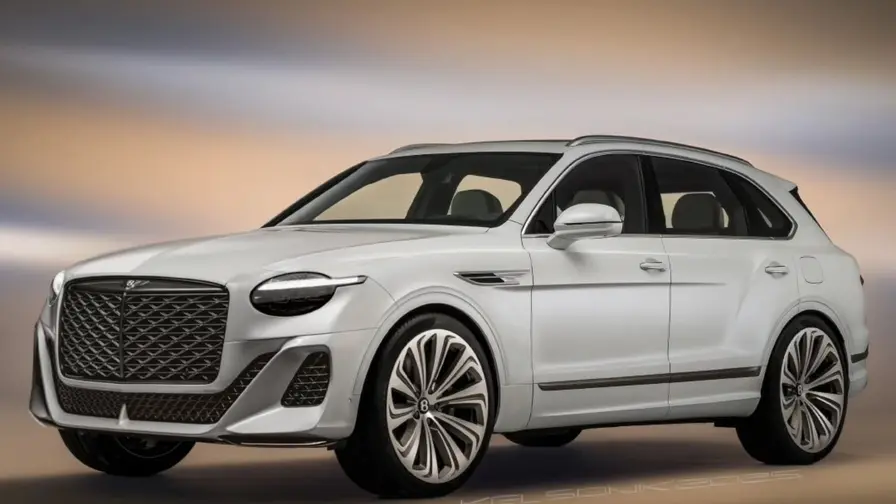
The real turning point for both brands arrived with SUVs. Bentley led with the Bentayga program in 2015 after extending the Continental family, tapping buyers who wanted high performance and luxury with elevated practicality. Rolls-Royce initially focused on making its core models more accessible with the Ghost, then changed the game in 2018 by launching the Cullinan SUV.
The Cullinan had an outsized effect on Rolls-Royce's sales trajectory. By combining traditional Rolls-Royce craftsmanship and presence with SUV utility, the brand attracted a new cohort of buyers without diluting perceived exclusivity. By 2019 the Bentley-to-Rolls-Royce sales ratio had narrowed to about 2.3, and in the most recent year that gap fell further to approximately 1.8 Bentleys sold for every Rolls-Royce.

Product strategy: scarcity versus scale
Rolls-Royce doubled down on scarcity and ultra-premium positioning. Pricing is significantly higher, production volumes are tightly managed, and bespoke options remain central to the brand's appeal. This approach — sometimes described as 'luxurification' taken to the extreme — lets Rolls-Royce command higher margins and keep desirability intact even as volumes rise.
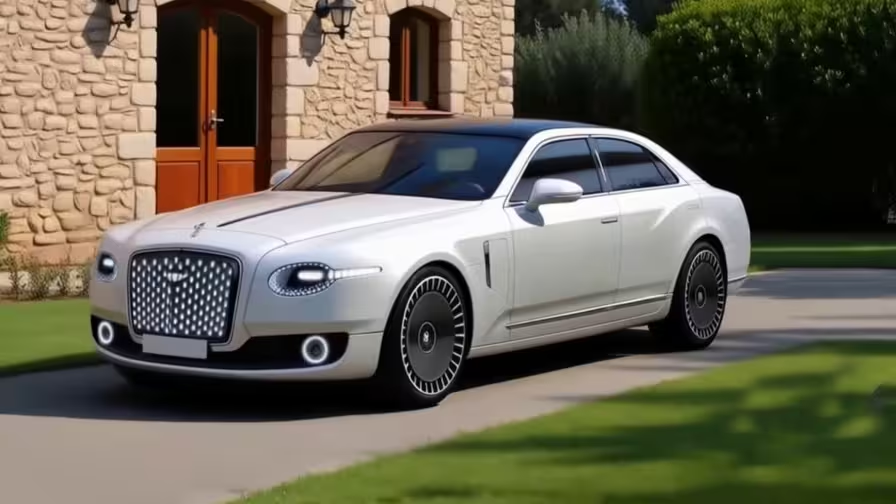
Bentley, by contrast, has pursued a broader-market luxury strategy. With more model variants, comparatively accessible price points in the super-luxury tier, and higher production volumes, Bentley has become a global luxury manufacturer with greater scale. That positioning helped Bentley grow earlier and faster in unit terms, but it also exposed the brand to different commercial pressures.
Electrification and the next phase
Electrification is now reshaping the ultra-luxury market. Rolls-Royce introduced the Spectre as its first production electric model, aiming to enter the EV era while preserving its signature refinement. The Spectre helped the marque present a credible, luxury-first electric offering without compromising exclusivity.
Bentley is also progressing on electrification but faces additional constraints as a Volkswagen Group marque. The parent company’s strategic priorities, large-scale electrification investments, and group-level financial pressures shape Bentley’s roadmap in ways that differ from Rolls-Royce under BMW’s stewardship.

- Key drivers of Rolls-Royce growth: Cullinan SUV appeal, bespoke scarcity, BMW resources, Spectre EV introduction.
- Bentley strengths: Broader model range, Bentayga SUV success, higher volumes, global brand scale.
- Headwinds for Bentley: Group-level electrification costs and shifting corporate priorities within Volkswagen.
Market insights and what comes next
The narrowing sales gap underscores how product mix and brand strategy can reshape competitive dynamics even among ultra-premium marques. Rolls-Royce proved that maintaining extreme luxury credentials while adding an SUV and a credible EV allows a brand to expand volumes without losing cachet. Bentley’s earlier move to diversify volumes and introduce SUVs gave it sustained market leadership for years, yet now faces the trade-offs of scale and group-level constraints.
For car enthusiasts and industry watchers, the duel between Rolls-Royce and Bentley is less about direct head-to-head competition and more about two luxury philosophies: cultivated scarcity at higher prices versus scalable luxury across a broader line-up. Expect both brands to continue refining their EV strategies, expanding SUV variants, and protecting brand identities as the market shifts toward electrification and new luxury buyers.
'The Cullinan and Spectre proved Rolls-Royce could grow without diluting desirability.' — industry analyst observation
Ultimately, Rolls-Royce's strategy has been successful: closing the sales gap on Bentley while preserving the aura of ultimate luxury — and reminding the market that in the ultra-luxury segment, desirability and scarcity remain powerful growth levers.

Leave a Comment
Comments (2)
Is this even true? Bentley still feels more mainstream, VW pressures aside. Numbers seem selective, where's the regional split tho, anyone?
wow didnt expect Rolls to close the gap so quick. Cullinan moved the game, but curious about EV resale and if scarcity holds 10 yrs feels wild!