
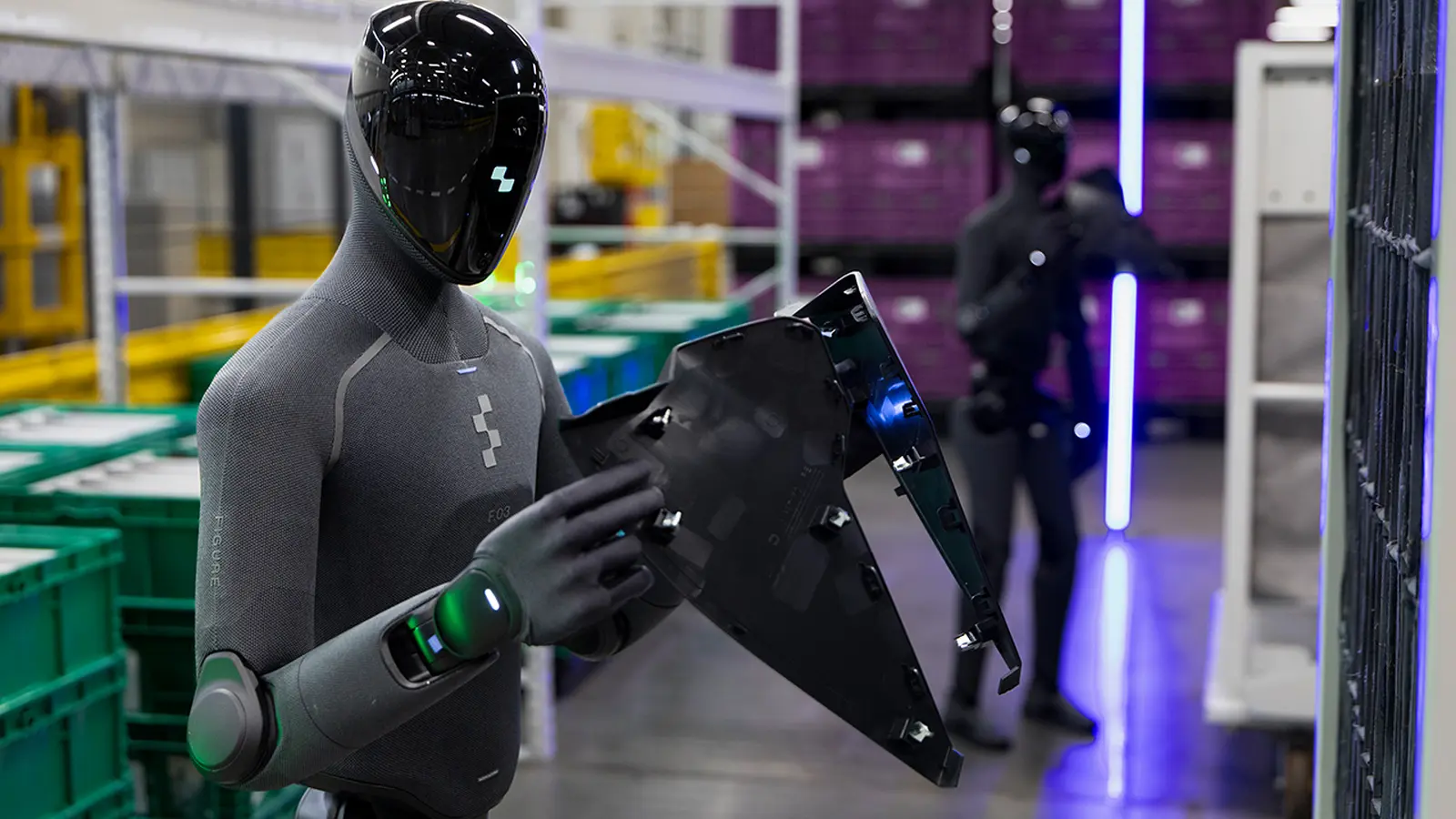
A robotic arm reaches into a maze of blinking lights and hot metal. No human hands in sight. That image is no longer science fiction for Meta — it's an active experiment.
Meta has begun piloting robots designed to take over physical maintenance inside its data centers, a move that could dramatically shrink the workforce that walks those server halls. The project is still at a very early stage, but the company is testing hardware from multiple robotics firms, including ABB, Kinova and a smaller outfit called Watney Robotics.
Robotic arms from those vendors are being evaluated on hands-on tasks: swapping overheated network cables, flicking power switches on rack-mounted servers, and other repetitive interventions that technicians perform when equipment misbehaves. Short tasks. High frequency. Perfect for automation.
If the trials succeed, a Kinova arm could replace as much as 80% of the physical workload inside some facilities. That estimate comes from an anonymous Meta employee who says the team initially expected physical roles to be safer from automation than software ones — but the math is changing fast.

Why the rush? Because data center costs are dominated by hardware. The pricey chips that run large language and AI models now account for a huge slice of capital expense. Compared with the sticker price of racks and accelerators, onsite labor is relatively small. That imbalance makes automating maintenance not just attractive but logical: reduce downtime, speed repairs, and free humans for higher‑value work.
Still, automation of physical tasks carries practical challenges. Robots must be reliable in cramped, hot environments and handle messy, unpredictable failures. They need safe ways to interact with live electrical equipment and the dexterity to manage awkward cables and connectors — things humans still do better in many scenarios.
Meta's effort appears deliberately conservative: early pilots focused on specific, repeatable actions rather than wholesale replacement. The company is mixing arms from established industrial players like ABB with more nimble cobot designs from Kinova and others, testing which approach balances reach, speed and reliability.
For workers, the prospect is direct and unsettling. “We thought the people doing physical jobs would be safe for a while,” the employee said. “Turns out, not anymore. This will happen to many of us.” The remark underscores a broader tension in tech: as AI and robotics lift system-level performance, the ripple effects on jobs are immediate and uneven.
A Meta spokesperson declined to comment on the robotics trials when asked.
What happens next depends on results: whether robots can match human judgment in chaotic moments, the cost curve of deployed systems, and how companies choose to balance automation with workforce policies. Either way, the quiet hum of data centers may soon include the whir of mechanical hands — and with it, a new chapter in how we maintain the digital world.

Leave a Comment
Comments
No comments yet. Be the first.