
6 Minutes
Xiaomi bets its SUVs on a daring battery guarantee
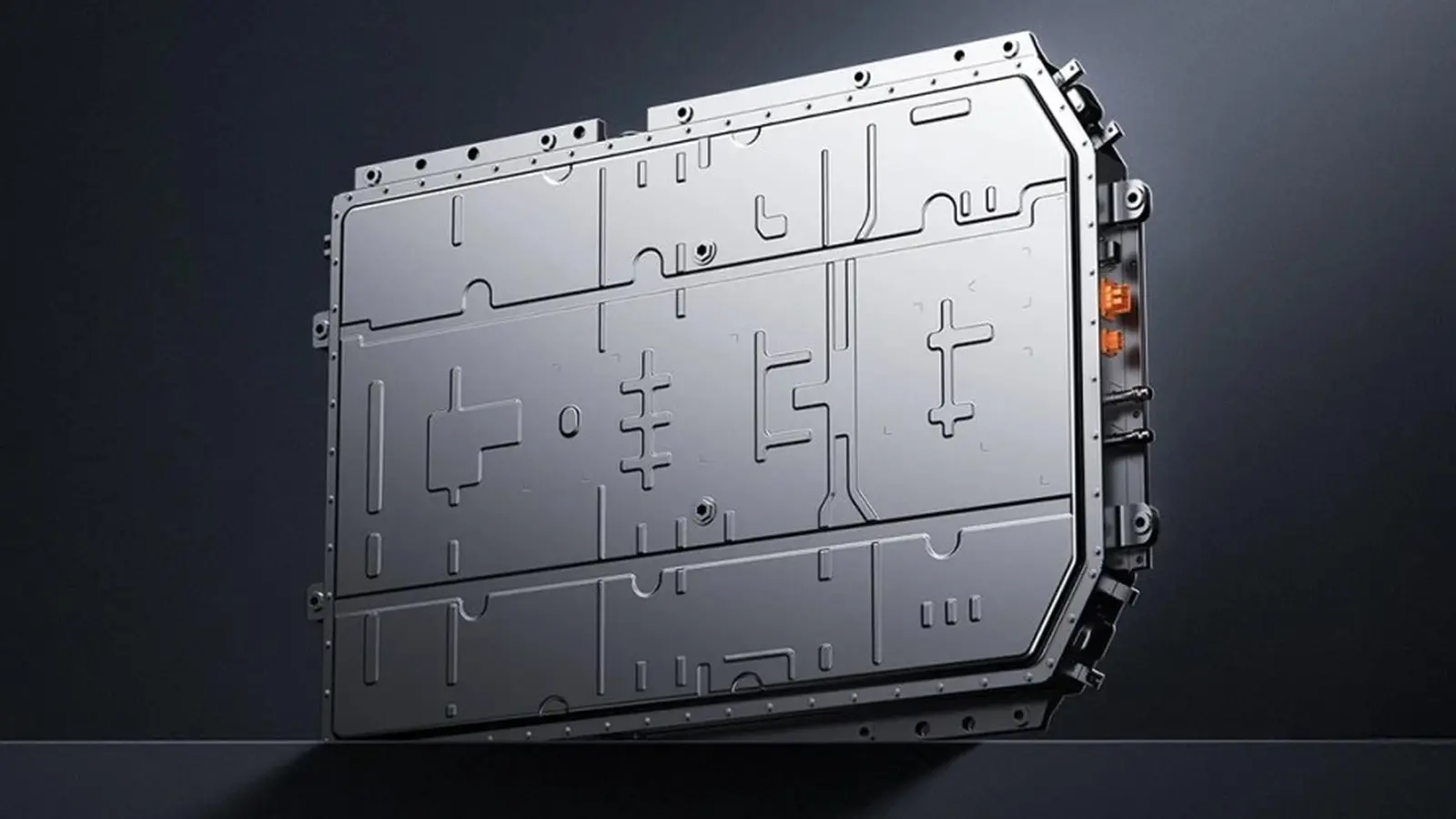
Xiaomi has just raised the stakes in the automotive race by announcing a radical warranty for its new Dragonscale battery pack: if the pack suffers thermal runaway because of a manufacturing defect, the company will replace the vehicle with a new identical SUV. Announced in China under the local name Longjia, the Dragonscale system arrives as the centerpiece of the Skynomad lineup and is intended to reassure buyers anxious about battery safety.
The promise is simple and dramatic: a like-for-like replacement that wipes out real-world depreciation worries even if a fire is triggered by an impact that damages the pack. But the headline pledge comes with several conditions and a lot of engineering behind it.

What the warranty actually covers
Xiaomi's offer sounds almost cinematic, but it applies only in defined circumstances. Key limits include:
- Coverage is limited to the original, non-commercial first owner. Ride-hailing drivers, rental operators, and second-hand buyers are excluded.
- Owners must keep an active subscription to Xiaomi's connected services and perform maintenance exclusively at authorized service centers.
- The replacement applies when a Dragonscale pack suffers manufacturing-defect thermal runaway, with Xiaomi promising to make up the difference between insurer payouts and the vehicle's pre-loss market value when relevant.
Those strings are meaningful: the guarantee targets private family buyers and aims to minimize fraud, while ensuring Xiaomi retains telemetry and a service history for every covered vehicle.
The hardware behind the headline
Xiaomi is not relying on marketing alone. The Dragonscale battery is said to exceed China's GB 38031-2025 safety standards for cell cycle life and pack containment. Xiaomi highlighted several hardware and software defenses in its unveiling alongside partners CALB and Sunwoda Power:
- Millisecond-level high-voltage isolators that mechanically cut high-current paths almost instantly.
- Multiple layers of insulation and physical barriers designed to confine thermal events to a single cell or sub-module.
- Laboratory torture tests that, according to Xiaomi, show catastrophic cell failures being suffocated in isolation without propagating to neighbouring cells.

Cloud BMS and continuous monitoring
A notable shift is the use of a proprietary Cloud BMS (Battery Management System). Rather than relying solely on local control modules, the pack streams telemetry to cloud-based AI systems that sample cell parameters far more frequently than the national standard. Xiaomi says this system collects roughly three times the data volume and samples parameters ten times more frequently than required, improving the chance to detect anomalies early.
That architectural choice brings both advantages and trade-offs: real-time, AI-driven oversight promises faster reactions to subtle thermal patterns, but the insurance comes at the cost of keeping a constant digital connection and sharing vehicle health data with Xiaomi.

Skynomad family: EREV strategy and specs
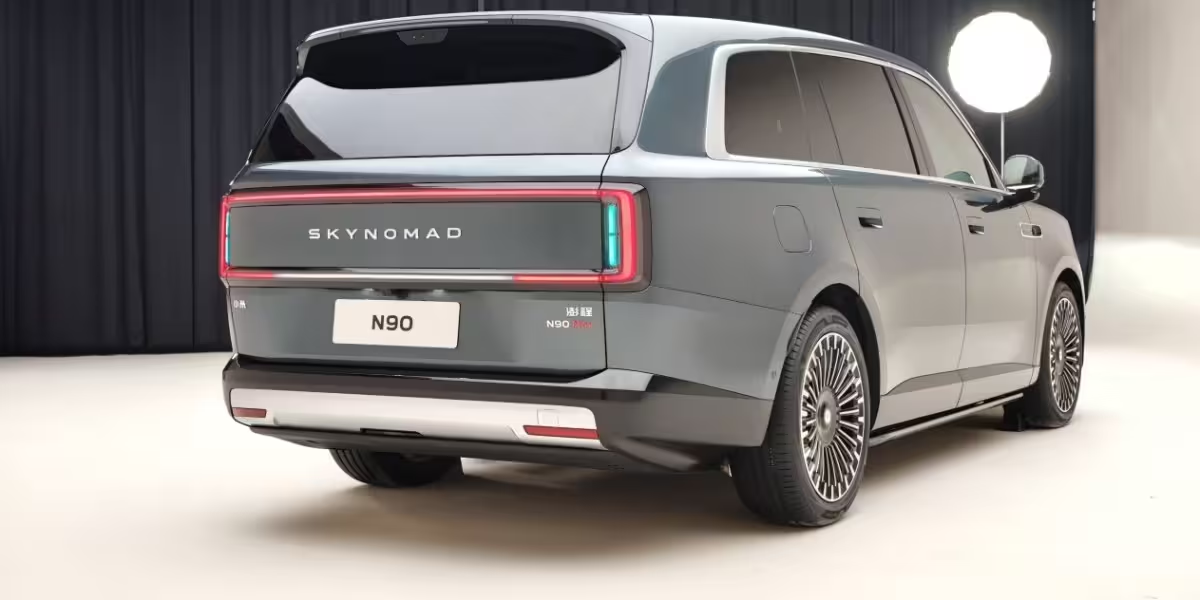
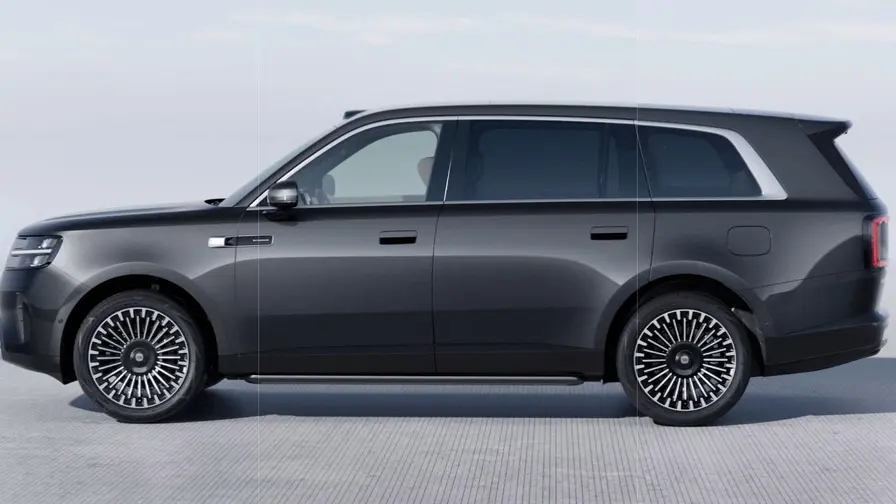
Dragonscale debuts as the energy core of the Skynomad series, sold domestically under the Pengcheng badge. The Skynomad is an Extended-Range Electric Vehicle (EREV) built on the new Kunlun platform: dual electric motors produce a combined 416 hp while a 1.5-liter turbo petrol engine functions as an onboard generator.
The flagship Skynomad N90 is a large seven-seater with land-yacht proportions: 5,285 mm long, 1,998 mm wide and 1,825 mm tall, riding on a 3,080 mm wheelbase. That makes it longer than rivals such as Li Auto's L9 and Huawei-backed AITO M9, projecting an image of spaciousness and family comfort.
Xiaomi offers two Dragonscale-capable battery sizes intended to mirror market demand: 52 kWh and 76 kWh packs, reflecting the industry's balance between urban efficiency and long-distance convenience.

Pricing and market positioning
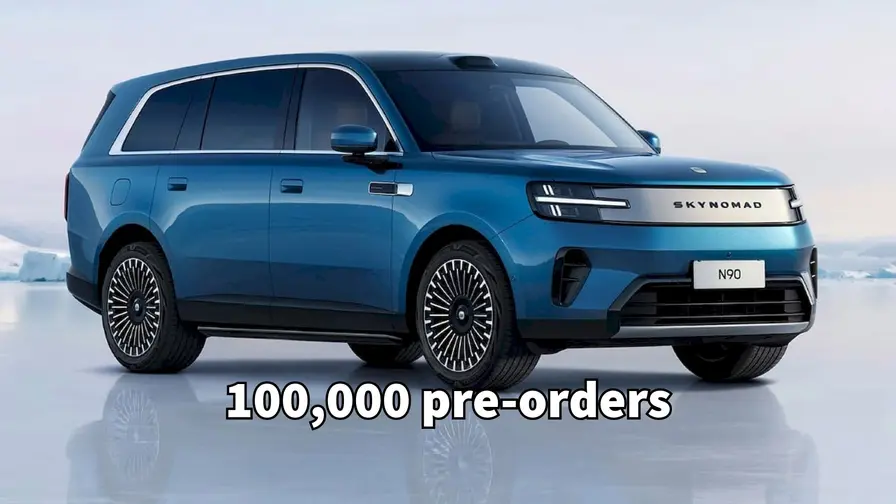
The pricing is intentionally aggressive. The Skynomad N90 Max entered pre-sale at RMB 299,900 (around €37,600), undercutting established competitors: the Li Auto L9 starts from RMB 409,800 (€48,700) and the AITO M9 typically lists above RMB 469,800 (€55,500). Even the smaller five-seat Skynomad N70 is attractively priced at RMB 259,900 (about €32,600), positioning Xiaomi as a value-driven alternative.
That low pricing is strategic: Xiaomi pivoted to family EREVs to win back volume and margin stability, with the Dragonscale warranty serving as a trust-building differentiator.
Why Xiaomi is taking this route
Behind the spectacle lies a clear business imperative. Xiaomi's sales trajectory shows volatility: deliveries fell from roughly 50,212 vehicles in December 2025 to 31,267 cars in July 2026, an almost 40% drop across seven months. The company was also losing significant money on each unit produced in early 2026, with estimated losses per vehicle running into thousands of euros.
Switching emphasis to EREVs and larger, family-oriented SUVs offers several advantages:
- Consumers who travel long distances on holiday prefer onboard range and quick refuelling convenience, which EREVs provide compared to pure BEVs.
- Higher trim levels and larger vehicles typically improve gross margins per unit.
- A bold safety guarantee reduces a key psychological barrier — fear of battery fires — and can accelerate purchase intent among fence-sitters.
In short, Xiaomi is trying to emulate the success Li Auto and Huawei-backed models had by addressing real-world customer concerns about charging infrastructure and range anxiety.
Uneven rollout and brand implications
There are tensions in Xiaomi's lineup: not every model will immediately get the Dragonscale pack. The SU7 sports sedan and YU7 crossover, for instance, currently remain paired with conventional batteries from suppliers like CATL and FinDreams. That creates a two-tier experience for customers: early adopters of pure EV models lack the Dragonscale warranty, while new Skynomad buyers receive the factory-backed replacement promise.
This split risks fragmenting consumer perception of the brand. Enthusiasts who backed Xiaomi's pure electric models may feel disadvantaged, while mainstream family buyers will be drawn to the extra peace of mind.

Engineering, psychology and the road ahead
The Dragonscale announcement is as much a marketing masterstroke as it is an engineering statement. Even if the pack performs exactly as Xiaomi claims, the guarantee performs an outsized psychological role: it directly addresses lingering fears about battery safety that still hamper broader EV adoption.
If CALB and Sunwoda have truly co-developed a pack that resists propagation and responds in milliseconds to faults, Xiaomi will have achieved a rare combination of technical credibility and customer-facing bravado. If the system fails in the field, however, Xiaomi will need deep pockets and flawless claims handling — because every replacement SUV will be a visible test of the company's promise.
Key takeaways
- Xiaomi's Dragonscale battery comes with an unprecedented vehicle-replacement warranty for qualifying thermal runaway events.
- The technology mixes rapid mechanical isolation, layered containment and a cloud-based BMS to detect anomalies earlier.
- Dragonscale debuts on the Skynomad EREV family, a strategic shift toward larger, higher-margin SUVs priced aggressively against rivals.
- Coverage is limited to original private owners who maintain connected subscriptions and authorized service records, creating a targeted but potent marketing tool.
Whether Dragonscale proves to be a genuine leap in battery safety or a high-stakes gamble, the move will reverberate across the EV market. For consumers, it offers a new benchmark in warranty confidence; for competitors, it raises the bar on how brands can combine engineering innovation with bold promises.
"Offer a car as collateral, and you change the conversation," said one industry analyst. In an era where trust and safety often dictate buying decisions, Xiaomi has bought a very visible seat at the table.


Leave a Comment
Comments
No comments yet. Be the first.