
4 Minutes
Volkswagen agrees to a new future for Osnabruck
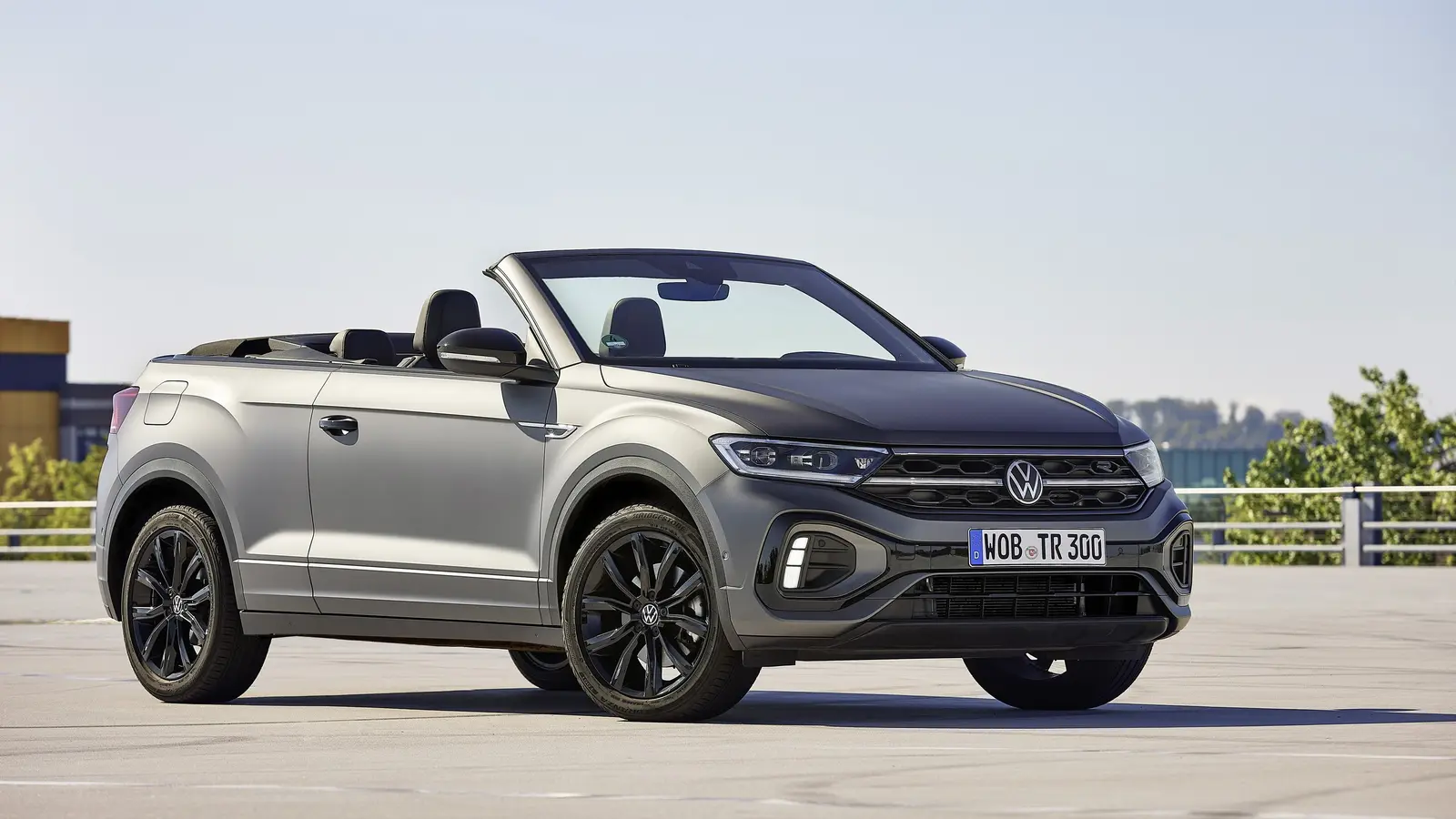
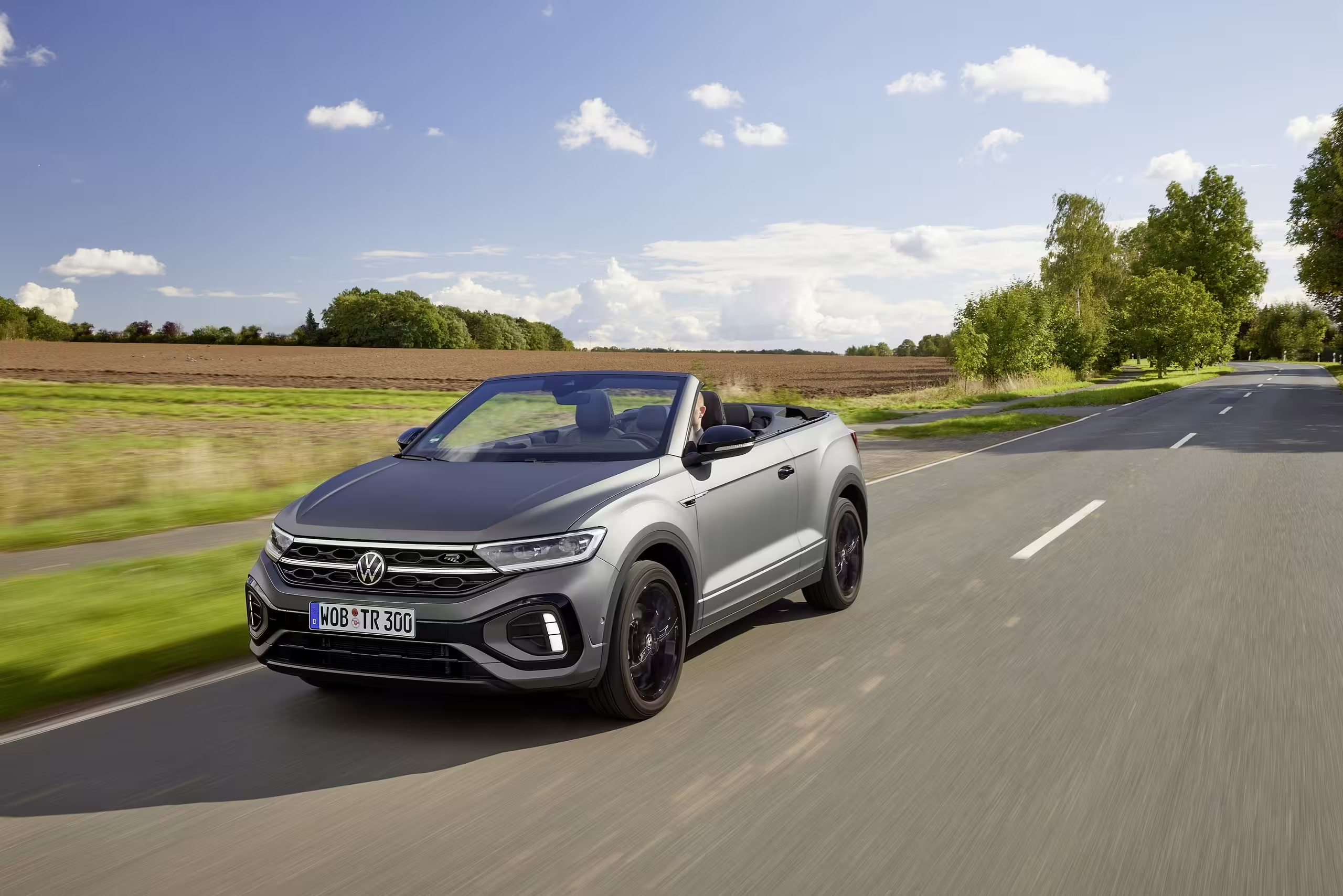
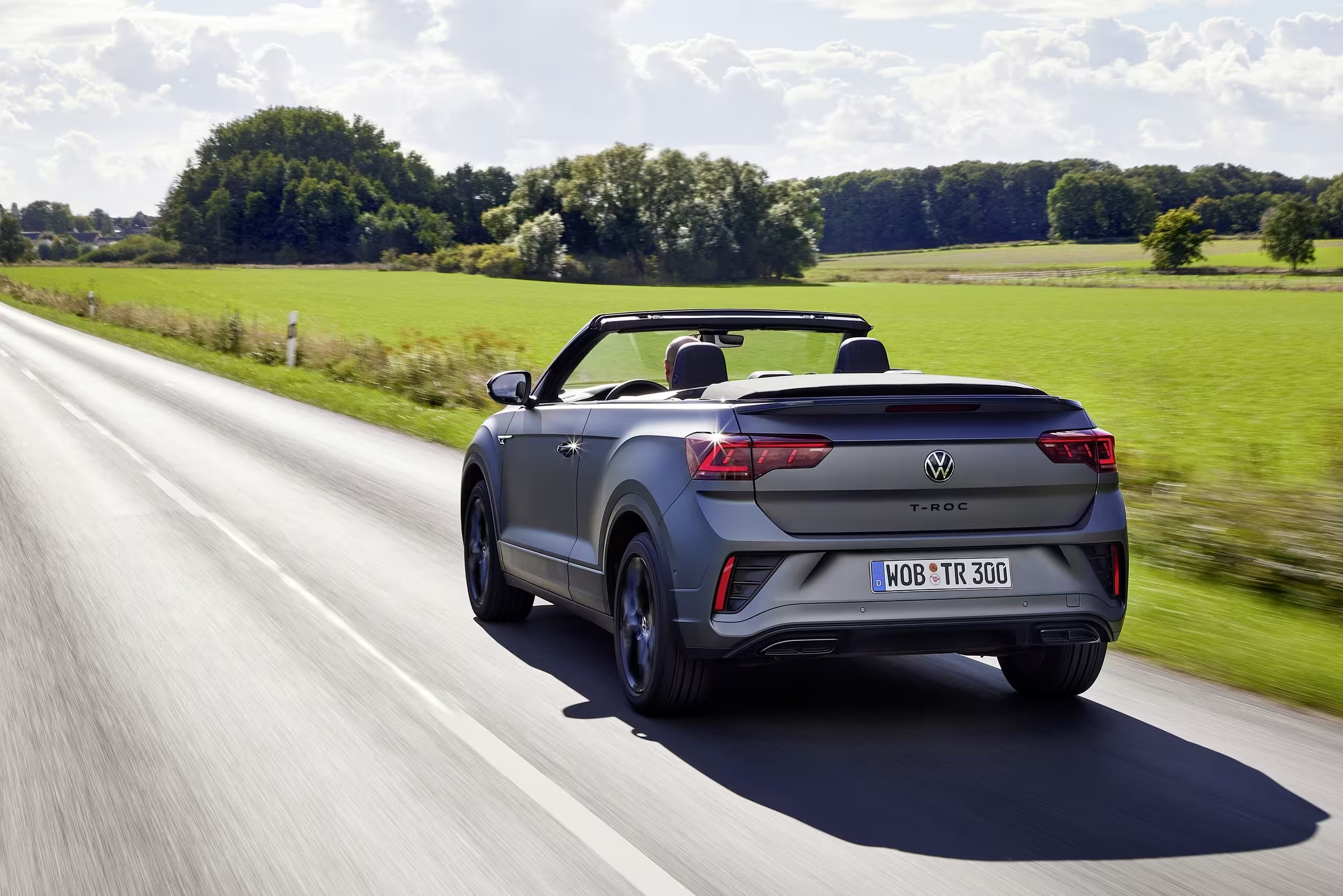
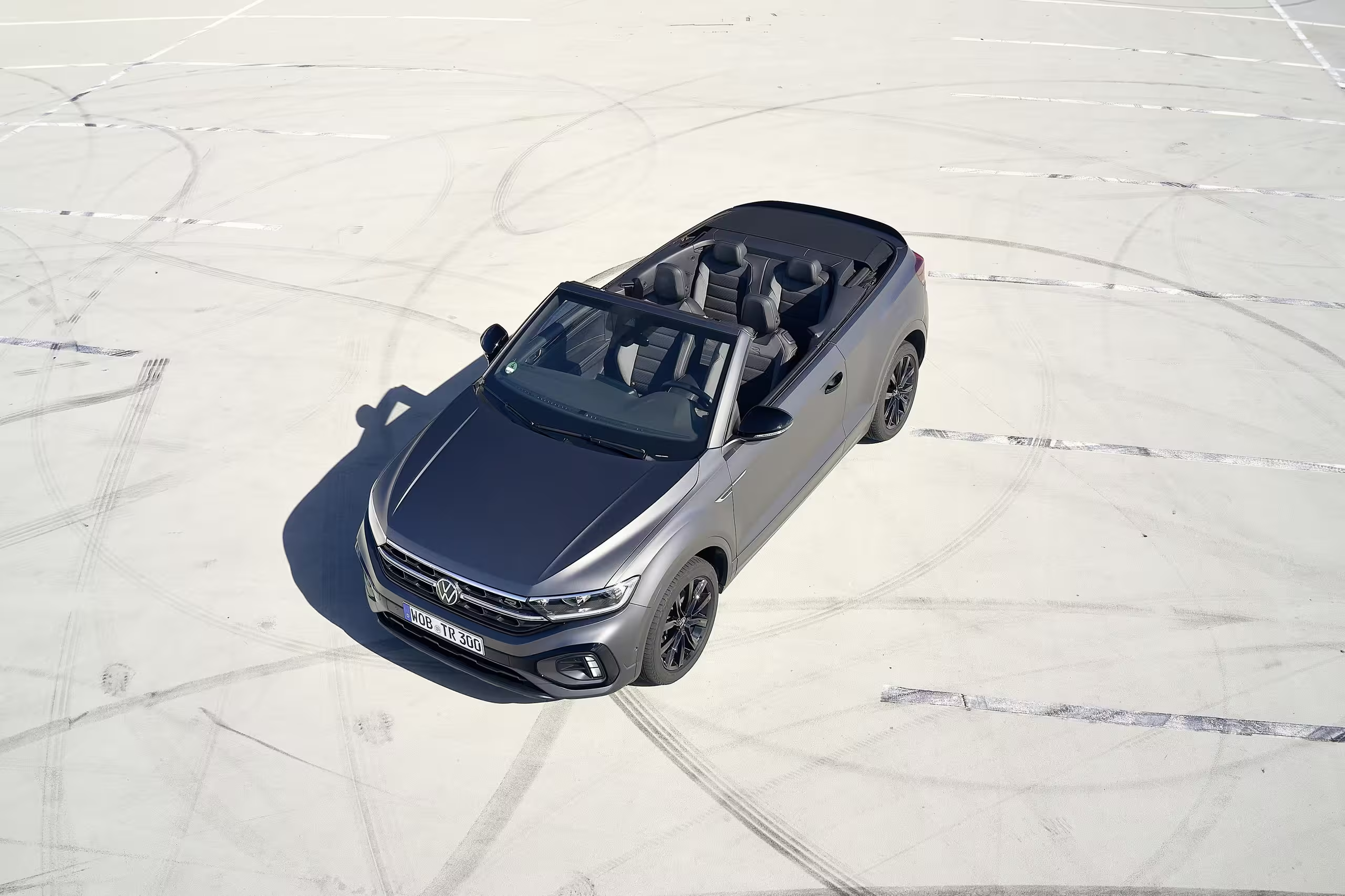
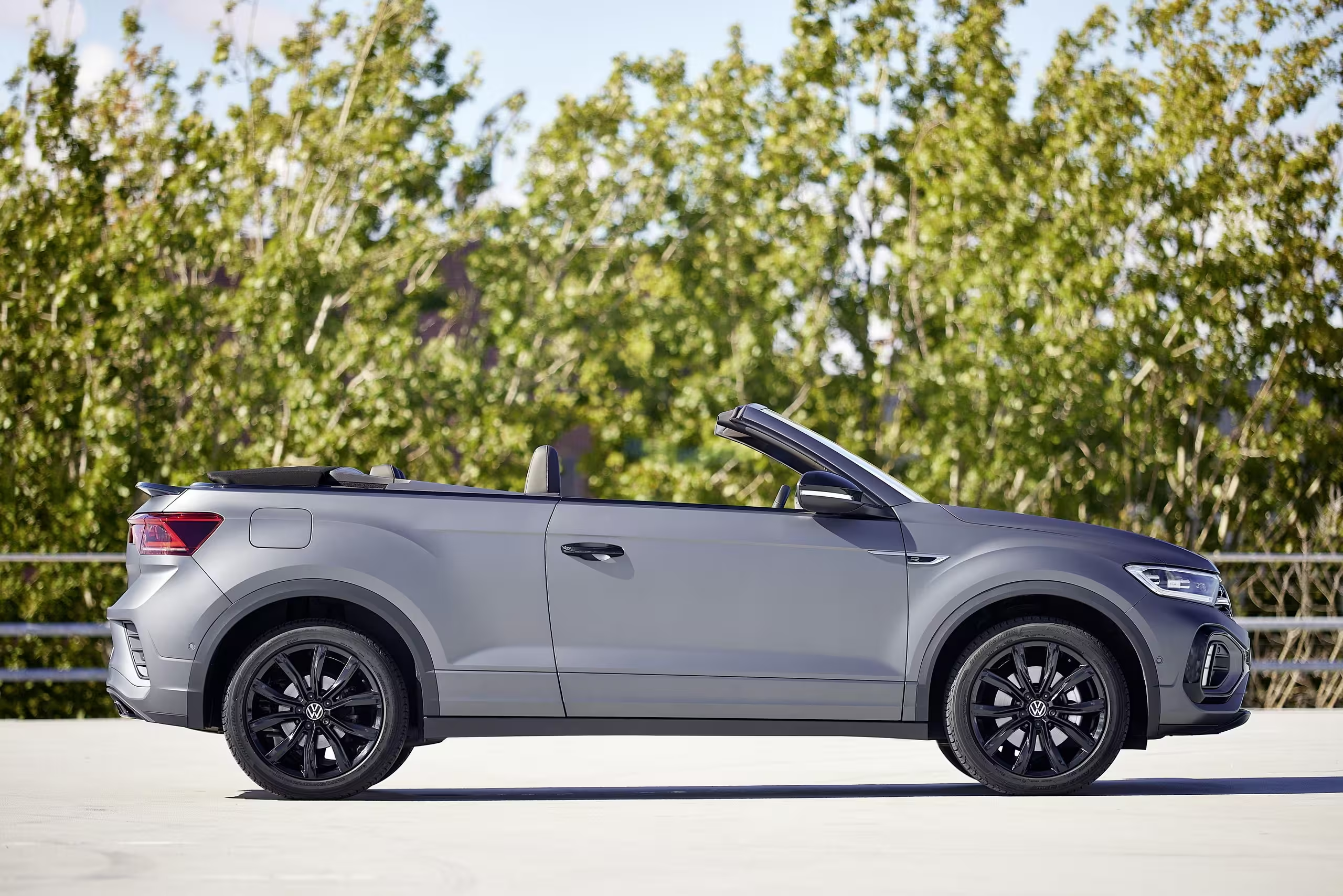
Volkswagen has struck a non-final agreement that could repurpose its Osnabruck factory from car manufacturing into a defense production center. The move — negotiated with Aurelius Capital and the German state of Lower Saxony — aims to keep the plant industrially active after vehicle production winds down. Osnabruck currently assembles the T‑Roc Cabriolet, but under the proposed plan the site would support production for Rafael Advanced Defense Systems.
Who’s involved and what’s at stake
The parties on the table are Volkswagen Group, Aurelius (an investment firm based in Tel Aviv), Lower Saxony, and Rafael (an Israeli defense company headquartered in Kiryat Bialik). The agreement is still subject to regulatory clearance, corporate sign-offs, and final contractual steps; Volkswagen has stressed those approvals are required before any formal sale is completed.
Volkswagen’s press material carefully stops short of confirming which Rafael systems might be produced in Osnabruck. Rafael is best known for air-defense products such as Iron Dome, David’s Sling and Iron Beam, and the initial project mentioned in the discussions focuses on components and systems for European air defense — leveraging Rafael’s technical expertise in that field.
Why Osnabruck makes sense
The appeal of Osnabruck is straightforward: the plant already has an experienced industrial workforce, tested manufacturing infrastructure and quality control processes — elements that are costly and time-consuming to recreate. Volkswagen itself highlights roughly 125 years of industrial heritage at the site and a track record of handling low-volume, specialist projects. Those capabilities translate well to defense production, where precision and flexibility often matter more than mass-volume assembly.
Key points:
- Current product: T‑Roc Cabriolet
- Potential new role: defense and security manufacturing hub
- Partners: Aurelius, Lower Saxony, Rafael
- Approvals still required before any sale is final
Jobs, numbers and wider implications

The plan could preserve a significant share of jobs at the plant. Volkswagen and local labor officials estimate that more than 1,200 employees would retain prospects at the site, while hopes are that roughly 1,400 of the plant’s 1,800 positions could be saved under the proposed arrangement. For a factory slated to stop car production in 2027, those figures represent a meaningful social and economic lifeline.
Osnabruck’s conversion may act as a blueprint for other troubled locations in Volkswagen’s German footprint. Plants in Zwickau, Emden, Hanover and Neckarsulm are all wrestling with high costs, overcapacity and soft demand. Volkswagen has signaled a long-term restructuring of its German operations through 2034 as it adapts to tougher competition and a changing European market.
Market context and a changing industry
This deal underscores a broader reality: European carmakers face mounting pressure from costs, regulatory demands and shifting consumer behavior. When compact models like the Polo sell above €20,000 in some markets, it underlines the margin squeeze and pricing dynamics that make some legacy plants vulnerable. Converting an automotive factory to defense production leverages existing capital and people while diversifying industrial output.
Aurelius and Rafael see Osnabruck as an anchor site for initial air-defense manufacturing that could serve Germany and wider Europe. Volkswagen, while stepping back from vehicle manufacturing at the location, remains involved in the handover — offering industrial know-how during the transition.
Outlook
If finalized, the Osnabruck transaction would be an example of pragmatic industrial reinvention: repurposing automotive infrastructure for defence needs, preserving skilled jobs, and offering a route for aging plants to remain relevant. It’s not yet a done deal, but for employees and suppliers at Osnabruck the prospect of continuity rather than closure is a notable development in a difficult period for German manufacturing.
'This proposal reflects an effort to preserve industrial capability and jobs while giving the site a new strategic purpose,' says one industry observer — a summary that captures both the economic and strategic logic behind the proposal.


Leave a Comment
Comments
No comments yet. Be the first.