
4 Minutes
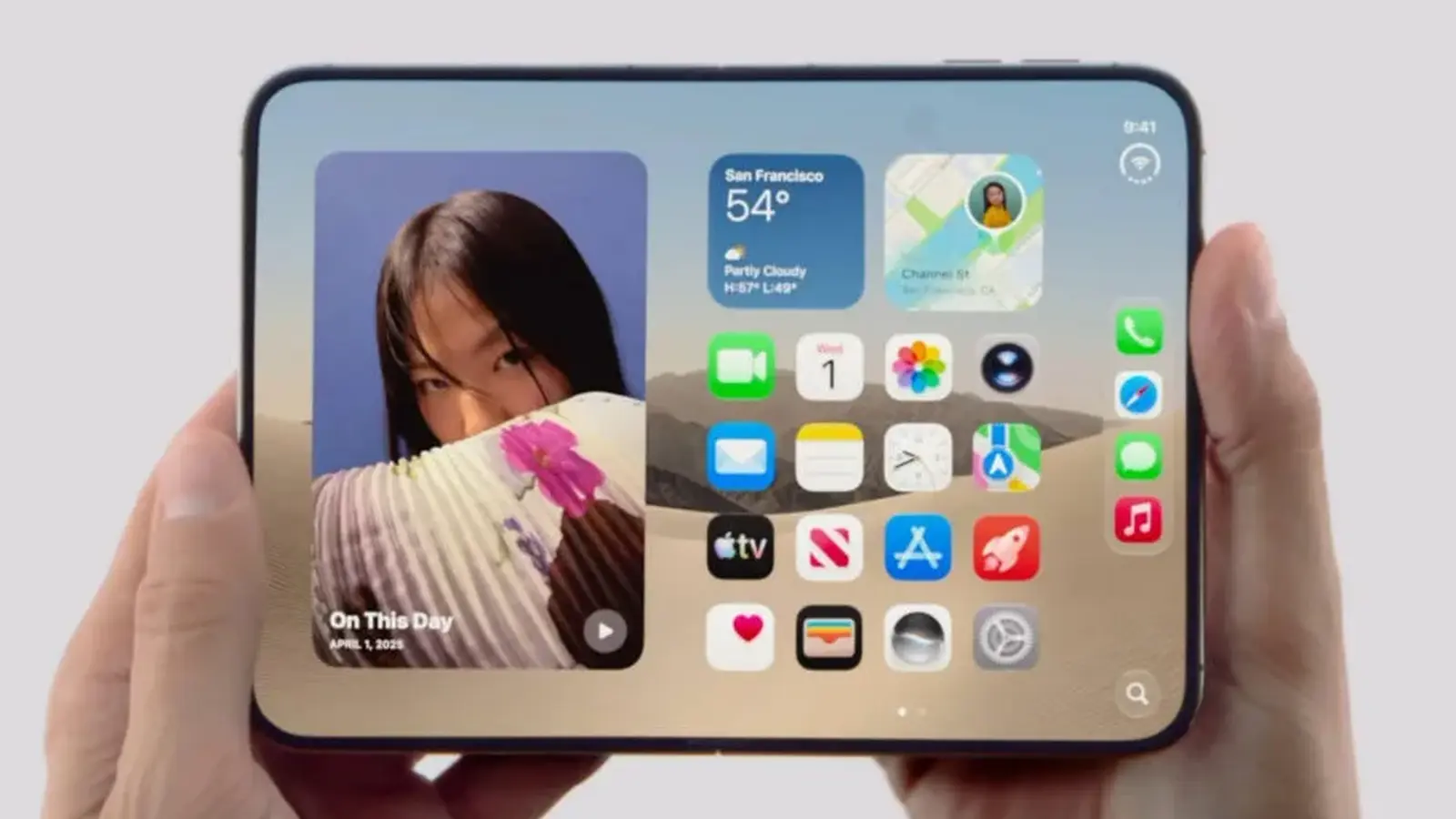
Apple has finally stepped into a ring it watched from the ropes for years. The iPhone Duo isn't a cautious test; it's a full-throttle challenge to the established foldable champions, and it brings Apple’s signature blend of hardware polish and software synergy.
Open the Duo and you get a 7.6-inch internal display designed for tablet-like workflows. Close it and a 5.4-inch external Super Retina XDR screen sits in passport territory—small enough to pocket, big enough to get things done without awkward thumb stretches. Under the chassis, Apple's 2nm A20 Pro chip promises efficiency and raw power, paired with a vapor chamber cooling system and a dual-cell battery. Camera credentials are centered on a 48MP primary with an ultrawide partner, tuned by iOS 27.1 imaging smarts.
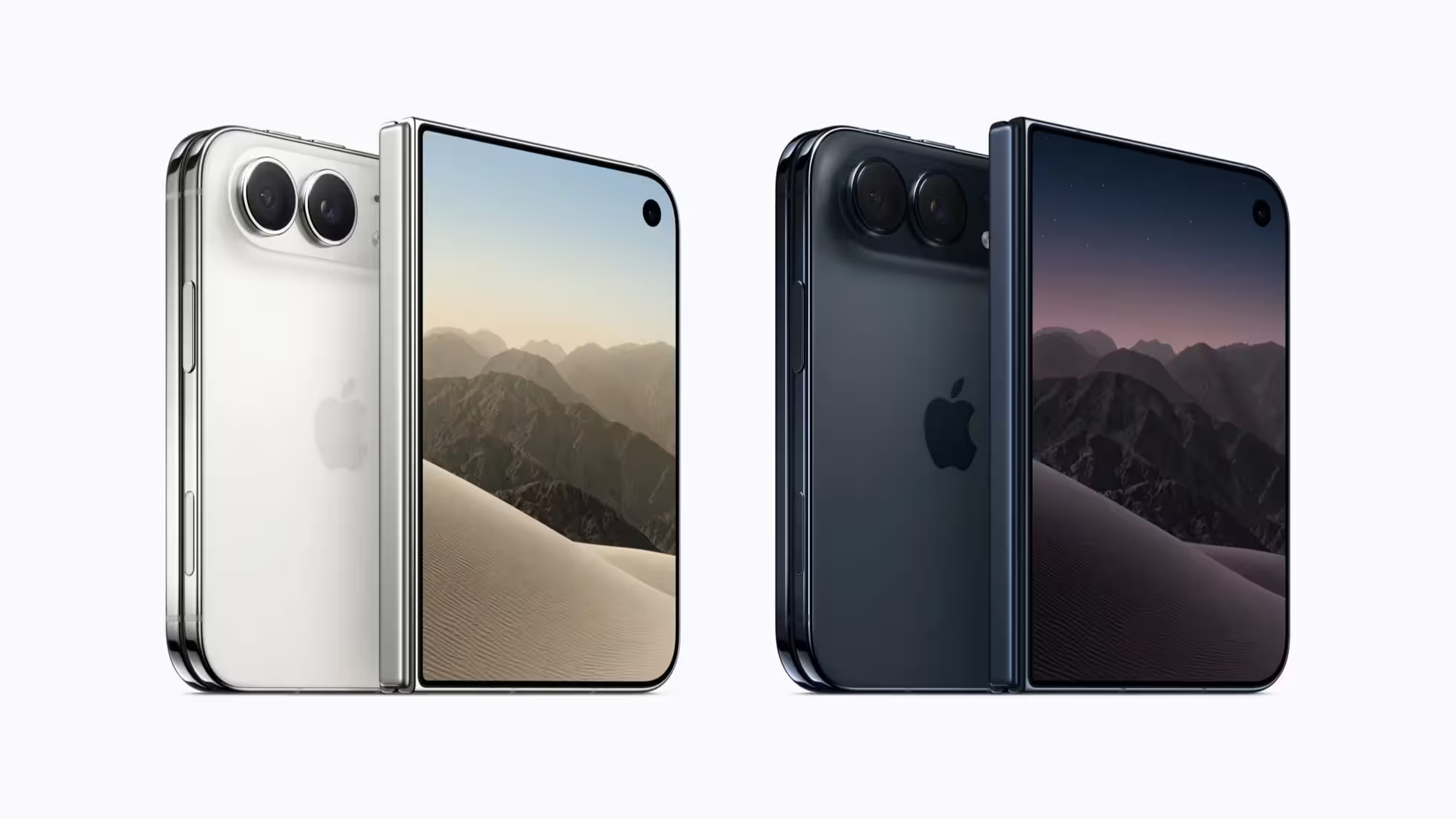
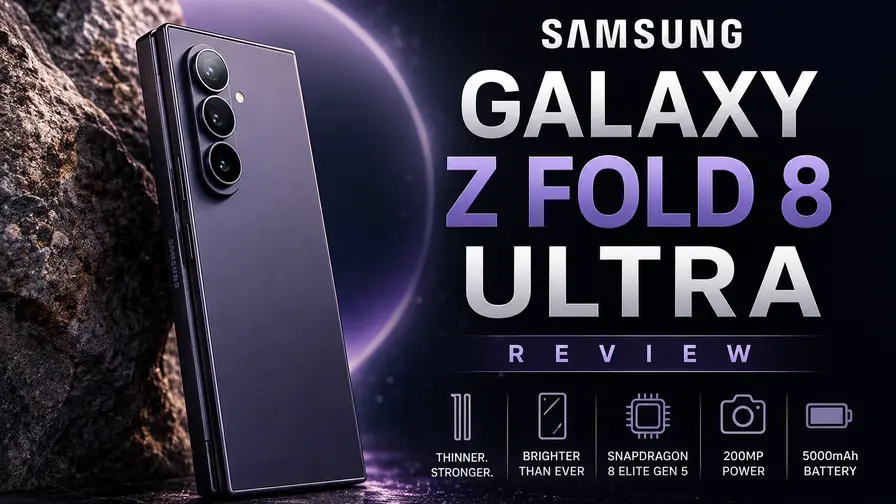
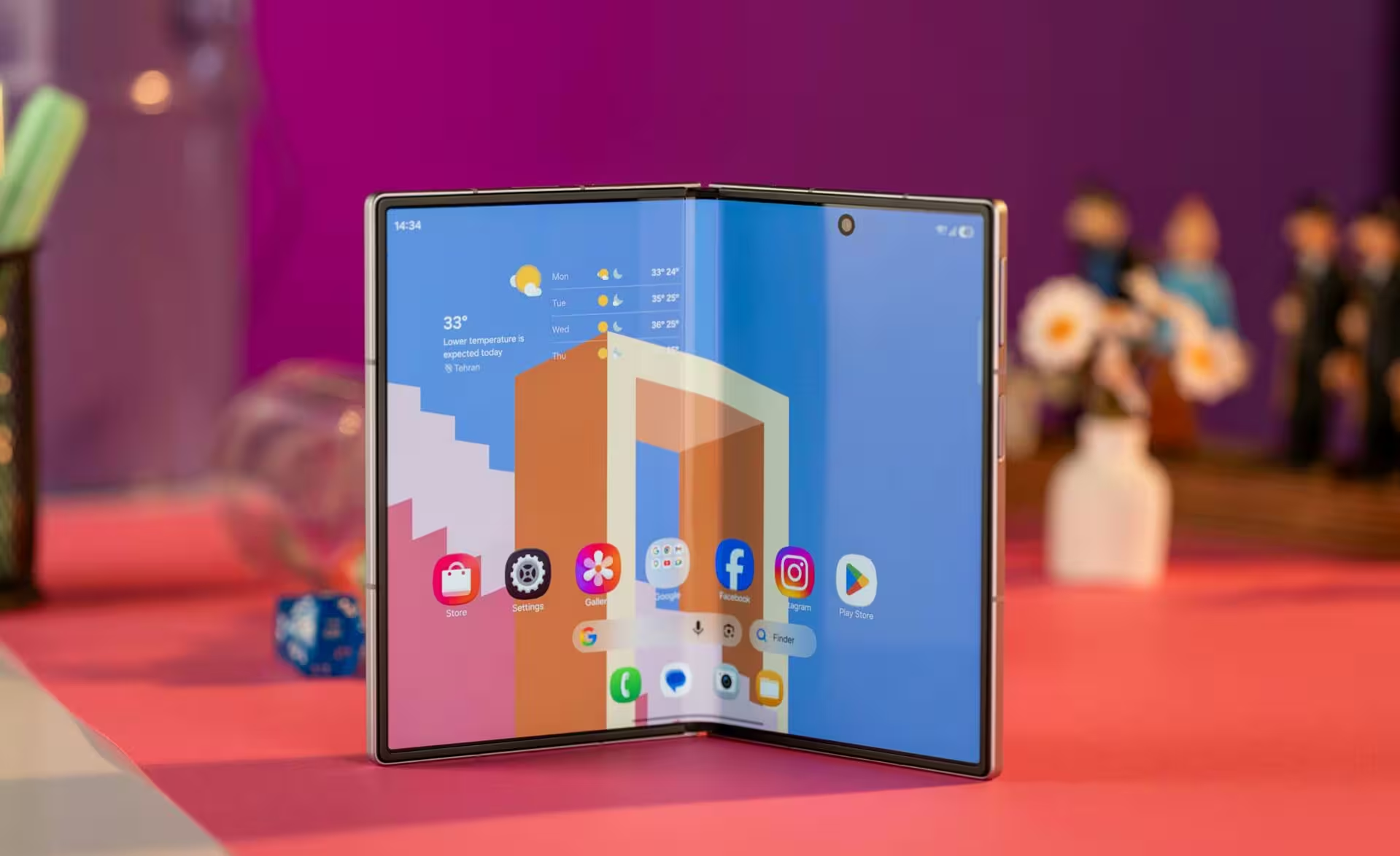
So how does that stack up against Samsung, Google and Xiaomi? The short answer: each rival keeps a distinct advantage. Samsung’s Galaxy Z Fold 8 still reads like the engineering poem of the bunch—astonishingly thin and light for a foldable at 9.7mm closed and roughly 201 grams. That kind of chassis engineering matters. It changes how the device feels in hand and how long you can hold it. Couple that with a 7.6-inch 120Hz main display, an anti-reflection coating, and the Snapdragon 8 Elite Gen 5, and Samsung offers a supremely ergonomic productivity tool backed by an industry-leading seven years of software updates.
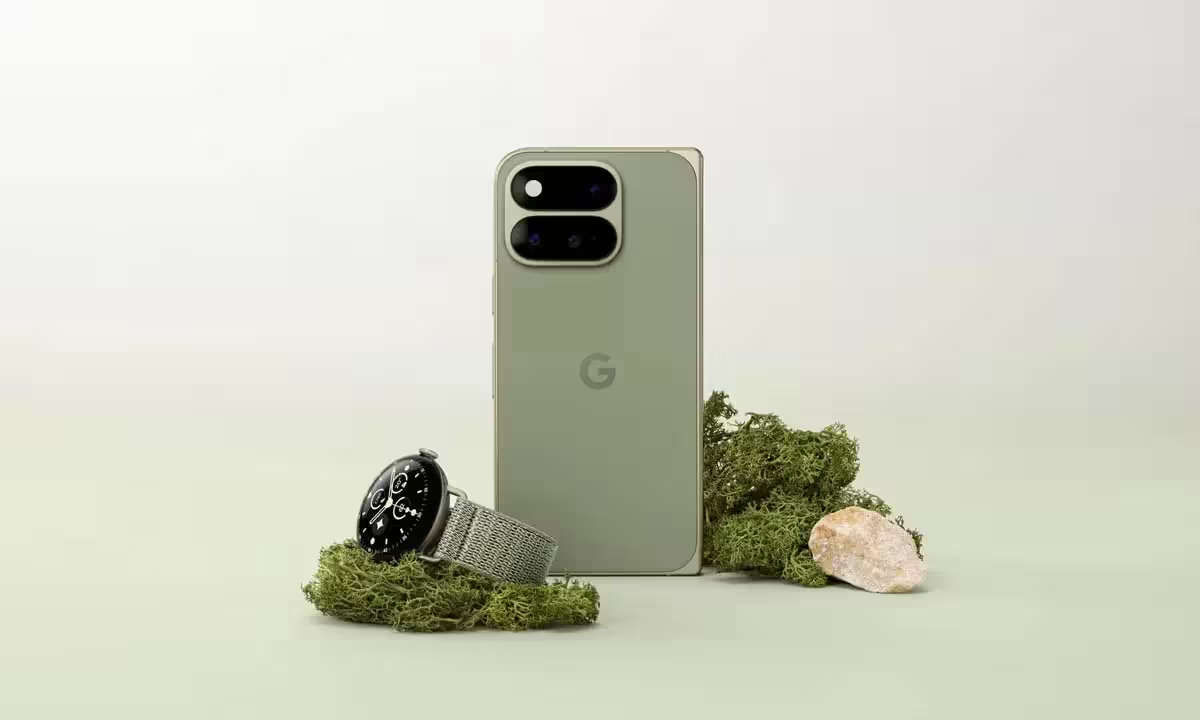
Google took a different route. The Pixel 11 Pro Fold leans into the “phone-first” experience with a 6.4-inch outer display at a comfortable 20:9 ratio—no juggling, no compromise—and an 8.0-inch main screen inside for genuine workspace freedom. Google’s strengths are computational photography and on-device AI, and those capabilities turn the Pixel’s camera and software into more than the sum of their parts. If your day runs on photos, maps, and instant AI-driven tweaks, the Pixel feels like a personal assistant that happens to be a phone.
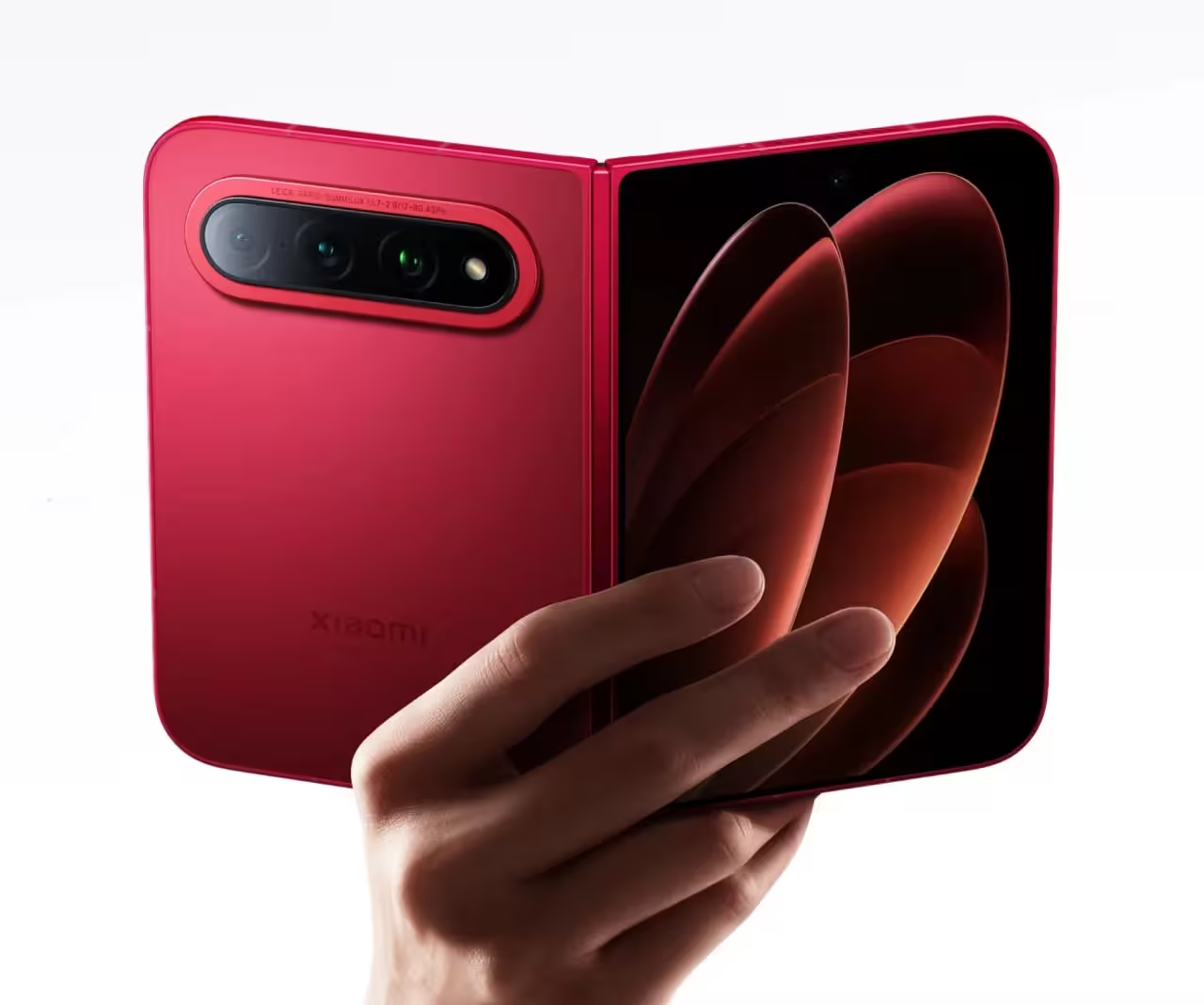
Xiaomi, meanwhile, pushes the boundaries of hardware rawness. The 18 Fold flexes a monstrous 6,000 mAh battery and a 200MP main sensor—numbers that read like a promise: longer uptime and absurd detail. Its display can hit extreme brightness levels, claimed around 4,000 nits, which is a real advantage outdoors. If you prize battery endurance and pure imaging horsepower, Xiaomi is the outlier that dares to win on spec sheets.
Here are the headline specs at a glance:
- Galaxy Z Fold 8: 7.6" main (120Hz), 5.5" outer, Snapdragon 8 Elite Gen 5, ~201g, 4,800mAh battery, Android 17.
- Pixel 11 Pro Fold: 8.0" main (120Hz), 6.4" outer, Google Tensor G6, ~238g, 4,750mAh battery, Android 17 with advanced AI imaging.
- Xiaomi 18 Fold: 7.58" main (120Hz), 5.38" outer, Snapdragon 8 Elite, 219g, 6,000mAh battery, 200MP primary, HyperOS 4.
- iPhone Duo: 7.6" main, 5.4" Super Retina XDR outer, A20 Pro (2nm), vapor chamber cooling, dual-cell battery, 48MP main + ultrawide, iOS 27.1.
Numbers tell a part of the story. Real-world usage reveals the rest. Samsung still leads on industrial design and lightness—people notice that every time they pick it up. Google offers the most natural transition between phone and tablet thanks to its outer display proportions and AI-driven features that remove friction. Xiaomi packs in stamina and megapixels for those who prioritize runtime and sheer imaging resolution. And Apple? It brings a new axis: iOS on a foldable, with tight integration across apps and services and a chip that leans into longevity and efficiency.
Which device you prefer will hinge on priorities. Are you chasing the lightest, most refined clamshell feel? Or do you want the biggest internal canvas? Battery life and camera prowess remain decisive for many. One thing is clear: the arrival of the iPhone Duo transforms the foldable market from a niche experiment into a full-blown platform battleground. Expect more iterations, faster innovation, and a consumer benefit that’s just getting started.
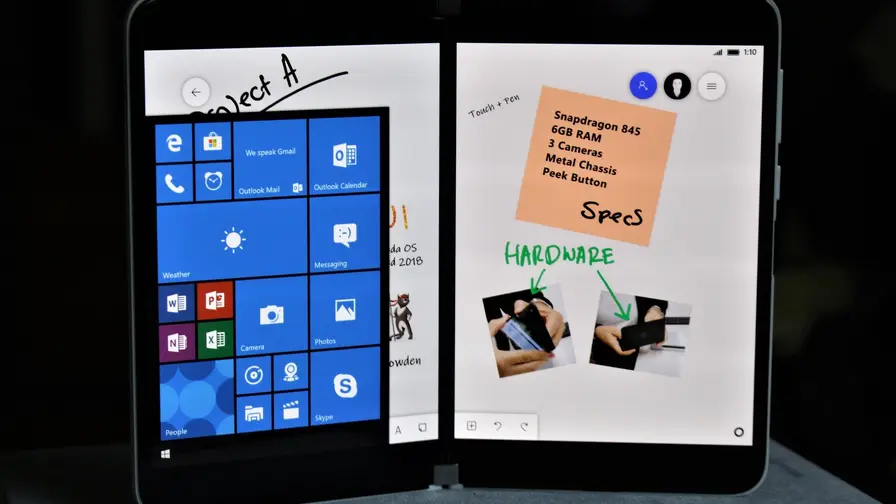
Pick your weapon and see how the software and ecosystem around it fit your life—because in the end, the fold is only as good as what you do with it.

Leave a Comment
Comments
No comments yet. Be the first.