
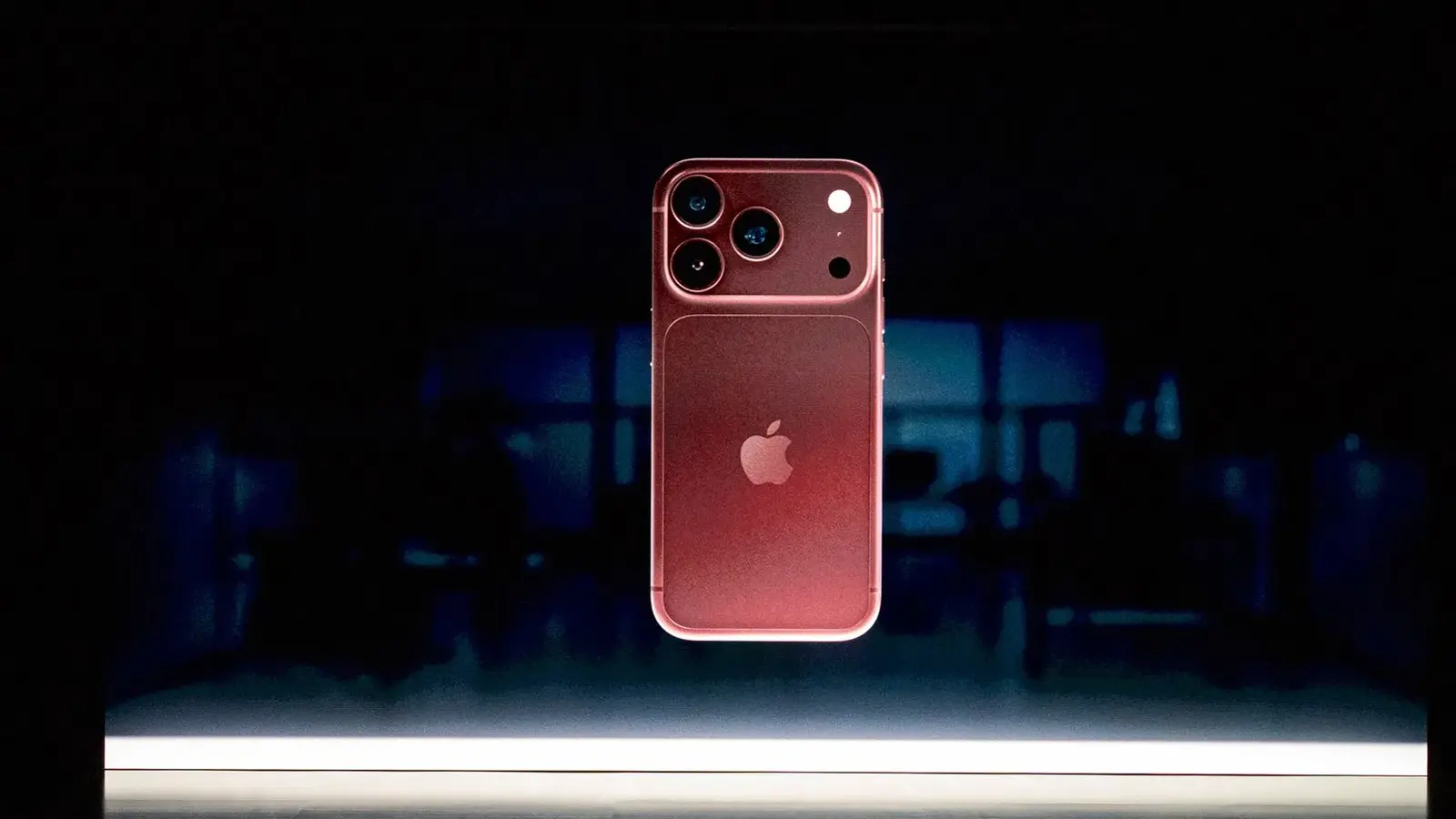
Apple didn't merely polish last year's recipe; it rewrote several of the core ingredients. The iPhone 18 Pro lineup arrives with a handful of changes that add up: a 2nm A20 Pro chip, a redesigned vapor chamber for cooling, a mechanical variable aperture on the main camera, and a dramatic jump in battery endurance. For anyone still debating whether the leap from the 17 Pro is worth it, these are the differences that matter.
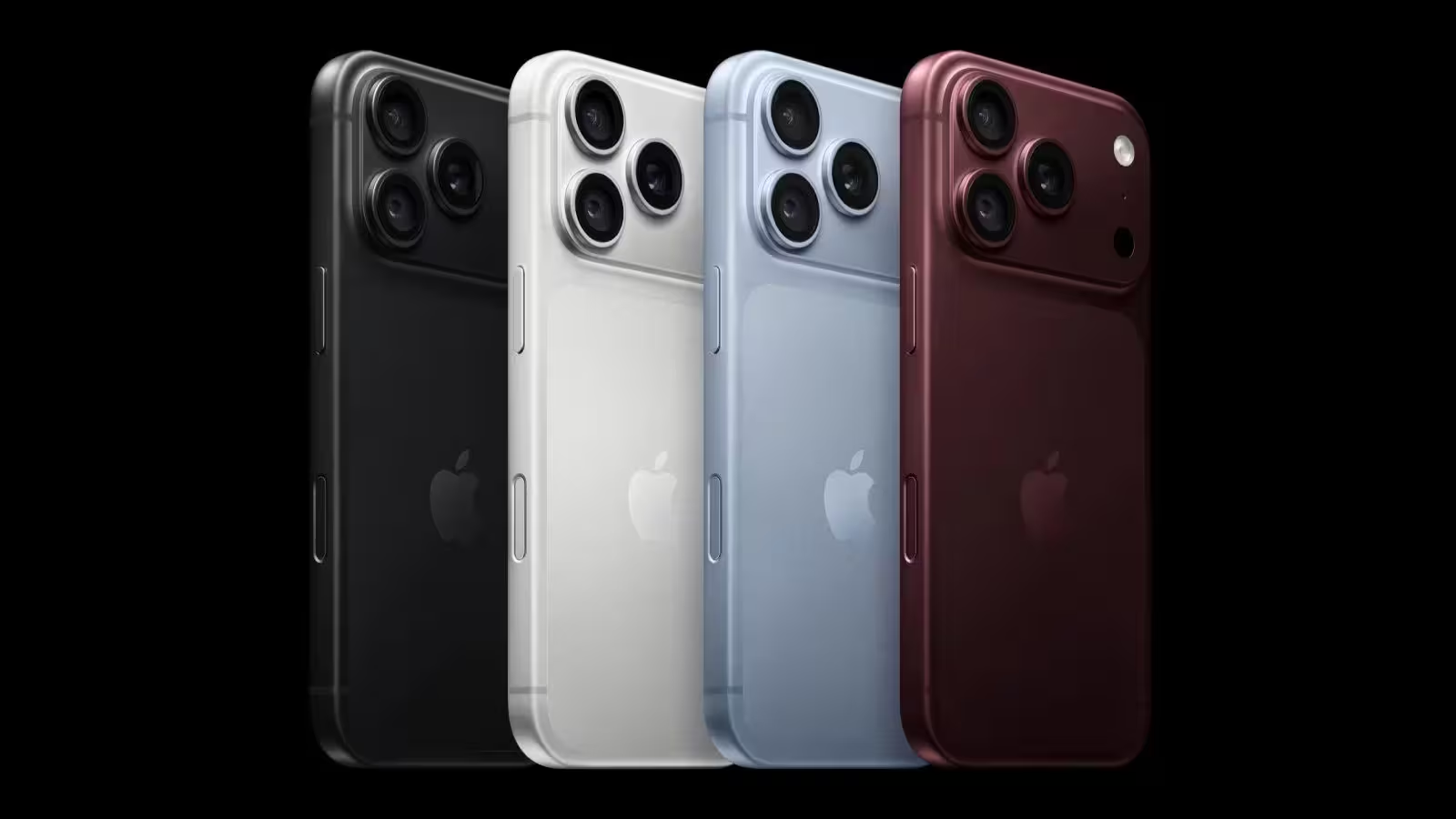
The screens keep the familiar 6.3-inch and 6.9-inch Super Retina XDR sizes, but Apple has quietly tightened the Dynamic Island and made it more efficient. Smaller, yes — but now it can surface up to three live activities at once without feeling crowded. New finishes include Glacier and a deep Wine tone alongside classic black and silver, a small nod to buyers who want something that looks distinct off the showroom table.
Under the hood is where Apple's ambition is obvious. The A20 Pro moves from a 3nm process to 2nm. That shift isn't marketing fluff: it brings a seven-core GPU that Apple claims is up to 40% faster than the A19 Pro, 50% more memory bandwidth, and a dual 32-core neural engine meant to run local Siri models in iOS 27. Short sentence. Big impact. To keep that silicon from throttling under sustained load, Apple attached it to a new vapor chamber that triples the surface area compared with the iPhone 17 Pro. The result? Up to a 40% increase in sustained performance stability during heavy tasks like gaming or extended video rendering.
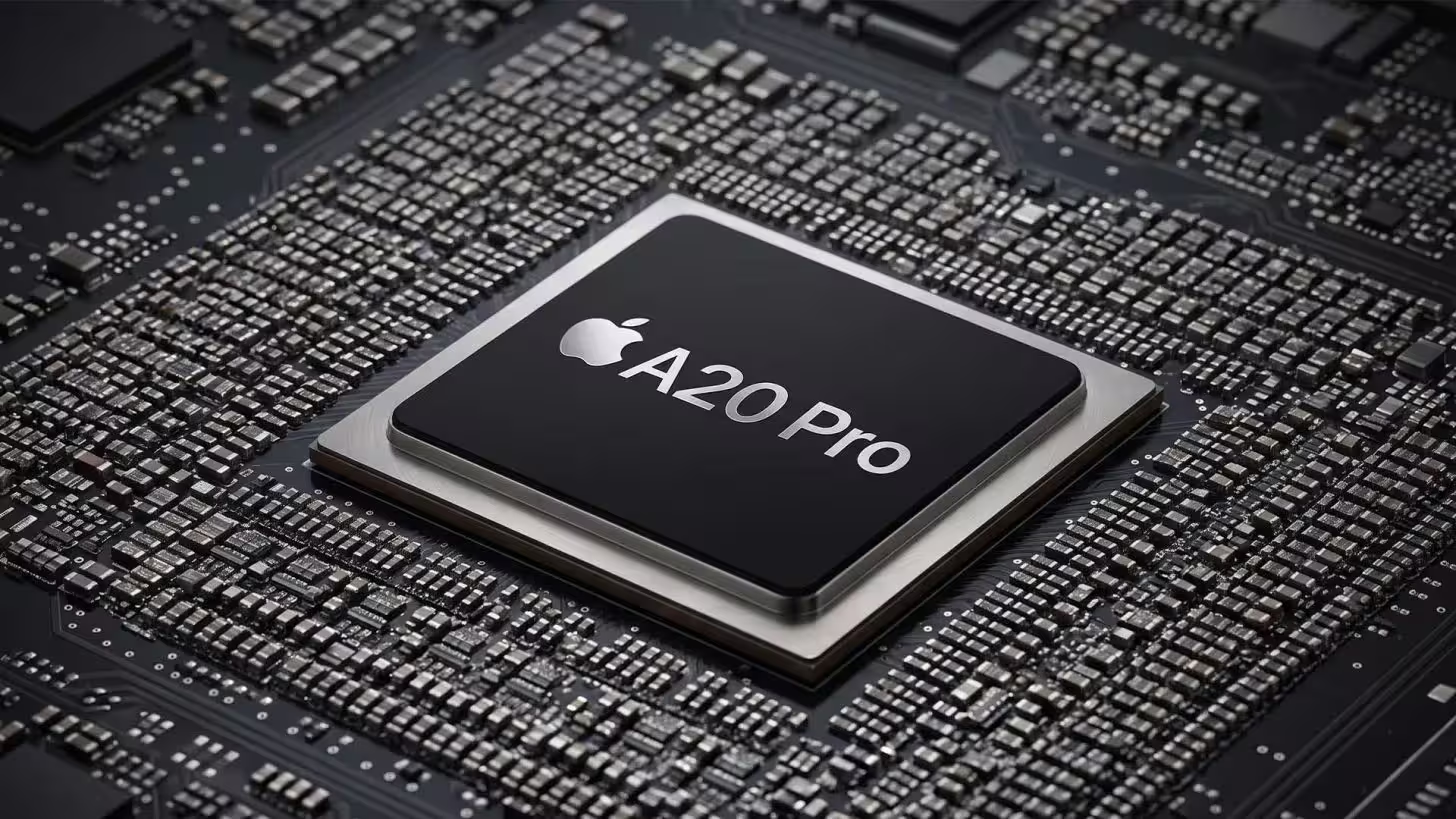
Connectivity gets modernized as well. The new N1 chip brings Wi‑Fi 7 and Bluetooth 6, while a refreshed C2 modem handles cellular duties — a practical upgrade for anyone relying on the fastest, most stable links in crowded environments.
Photography sees one of the most tangible upgrades. The main 48MP Fusion sensor now sits behind a mechanical variable aperture comprised of six laser-cut blades. That change lets the phone better manage depth of field and low-light exposure without forcing computational compromises. Pro Controls in the camera app expose more manual options, and Apple added support for 4K Dolby Vision time-lapse recordings plus an Audio Mix feature that separates and processes music tracks independently. There's even an Apple Reference Image system for creating cryptographic signatures of photos to help prove authenticity against AI-driven manipulation.
Battery life is the headline here. The 18 Pro Max posts the largest single jump in Apple's history: eSIM-only models can sustain up to 45 hours of continuous video playback and roughly 30 hours under mixed daily use. The standard 18 Pro hits about 36 hours of video — numbers that change how you plan a trip, a workday, or a long shoot. Charging speeds are notable too: the 18 Pro can reach 50% in roughly 15 minutes, while the Pro Max’s wired charging is so efficient that five minutes can yield about seven hours of video playback — handy when you only have a short window to top up.

For readers who like specs at a glance, here are the headline figures:
- Displays: 6.3" and 6.9" Super Retina XDR
- Chipset: Apple A20 Pro (2nm)
- RAM: +50% memory bandwidth vs. A19 Pro
- Main camera: 48MP Fusion with mechanical variable aperture
- Front camera: 25MP
- Battery: substantial increases; eSIM-only Max up to ~45 hours video
- Charging: ~15 minutes to 50% (Pro); 5 minutes = ~7 hours video (Pro Max)
- Connectivity: N1 (Wi‑Fi 7, Bluetooth 6) and C2 modem
- Price: $1,199 (18 Pro) / $1,299 (18 Pro Max)
So who should consider upgrading? If you shoot professionally, rely on extended mobile workflows, or crave the longest possible battery in an iPhone, the 18 Pro series is a meaningful step forward. The variable aperture alone changes how the phone captures light and depth without forcing you into always-on computational smoothing. Gamers and creators will notice fewer thermal slowdowns thanks to the new vapor chamber and the improved sustained performance of the A20 Pro.
But if your day-to-day is email, social, and occasional photos, and you already own an iPhone 17 Pro, the case to upgrade is more nuanced. You'd be paying for future-proofed silicon, a better cooling system, and longer battery life — all of which smooth the experience over several years rather than delivering a single dramatic new feature.
Apple priced the 18 Pro and 18 Pro Max starting at $1,199 and $1,299 respectively, and for many buyers the decision will come down to how much they value those behind-the-scenes improvements versus the cost of moving up a generation. Incremental or meaningful? That depends on what you do with the phone every day. Will one more hour of battery, crisper sustained performance, and a mechanical aperture change how you use it? For some, the answer will be a clear yes.
If you care about sustained performance, battery endurance, and camera control, the iPhone 18 Pro series feels less like a refresh and more like a platform reboot.
Curious enough to try one in your workflow?

Leave a Comment
Comments (2)
Wow battery numbers actually change the upgrade math for me. Variable aperture sounds amazing, yet i wonder if Apple will still overcook pics with smoothing, if that’s real then… gotta try one
Is that 2nm jump really giving 40% sustained gains? sounds legit but curious about real world temps, and those charging claims... 5 min = 7 hrs video? hmm