
4 Minutes
Ford brings Ranger to the UK Ministry of Defence LMV contest
Ford has officially thrown the Ranger into the running for the British Army's Light Mobility Vehicle (LMV) programme, partnering with General Dynamics Land Systems UK and Ricardo to offer a militarised, commercially rooted alternative to purpose-built contenders. The move pits the Blue Oval against heavyweights from GM, Jaguar Land Rover and INEOS Automotive in a four-way contest that could shape the Army's light vehicle fleet through the 2030s.
Commercial scale versus bespoke design
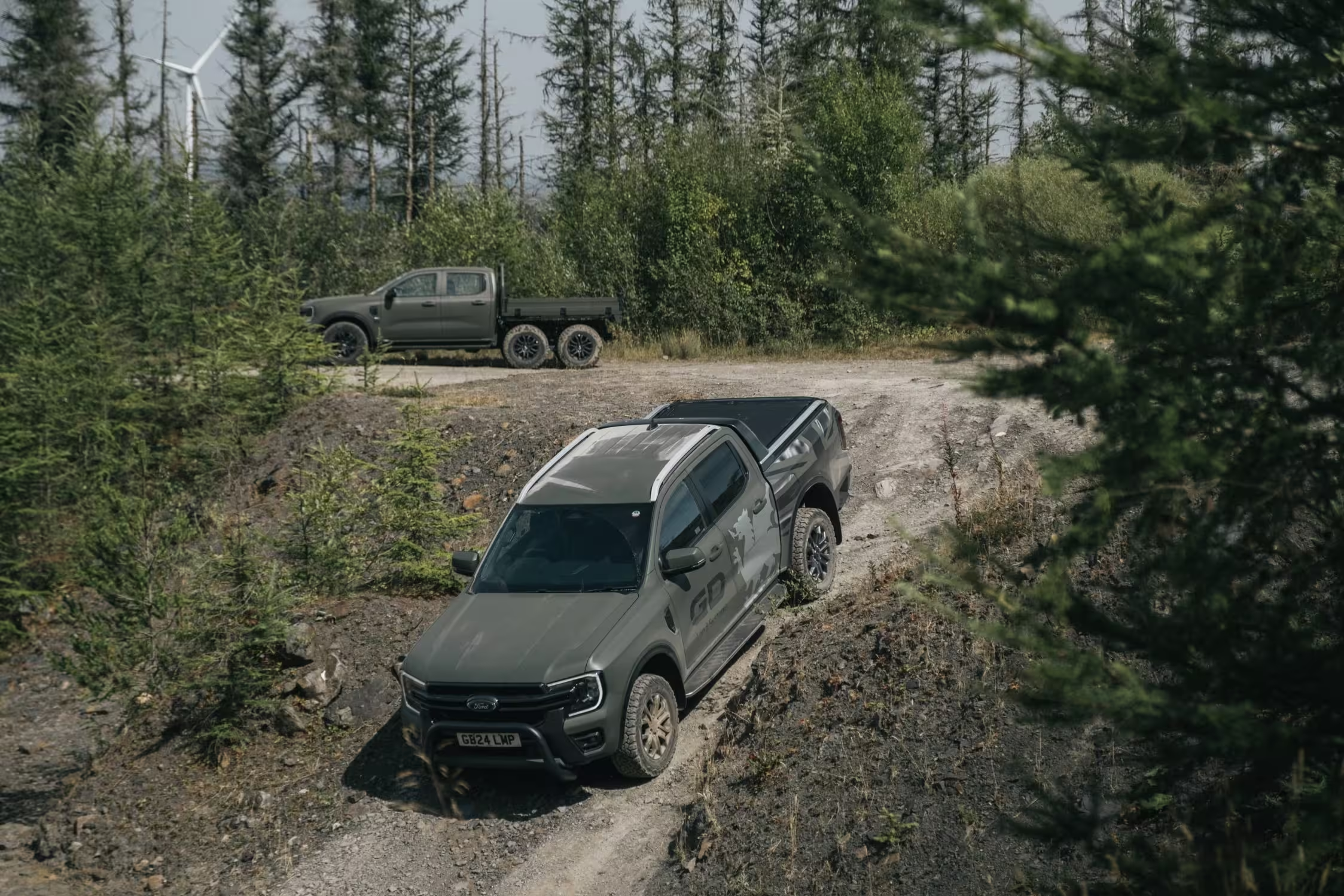
Ford's proposal leans on volume production and an established European service network. Rather than creating a clean-sheet military-only truck, the team proposes a commercially derived, military-grade Ranger platform that combines rugged capability with the cost efficiencies and supply-chain resilience of a mass-market pickup. Dearborn will supply the donor vehicles and aftersales support, General Dynamics will act as prime contractor for militarisation and systems integration in South Wales, and Ricardo will provide engineering conversion expertise.
This industrial approach gives Ford an edge on paper: the Ranger is not an experimental vehicle awaiting tooling, but a mature product. Ford notes the Ranger has been Europe’s best-selling pickup for 11 consecutive years and that the company controls a significant share of the continent's pickup market — a logistical and maintenance advantage when the MoD considers fleet sustainment and lifecycle cost.
How the Ranger is being adapted for military service
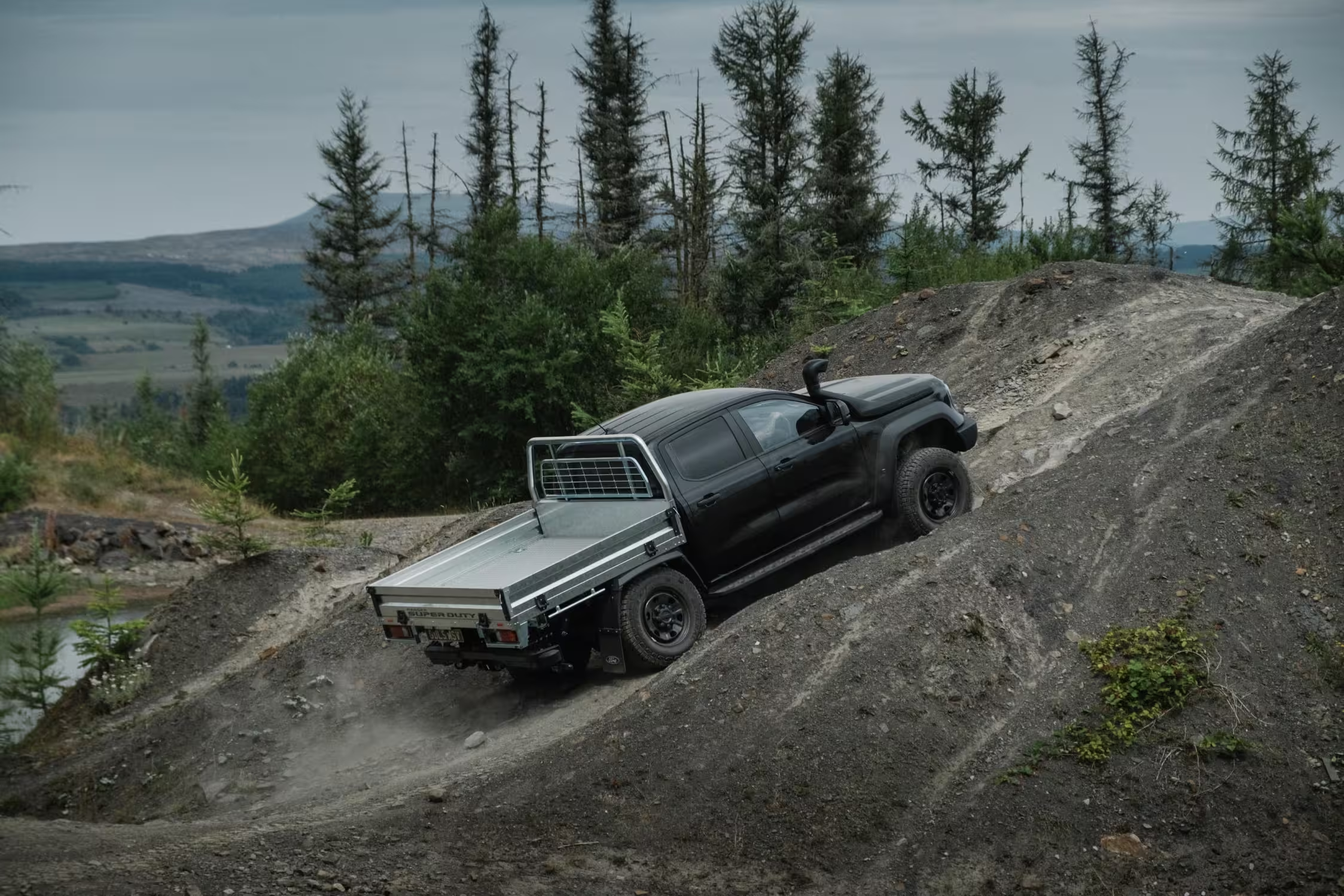
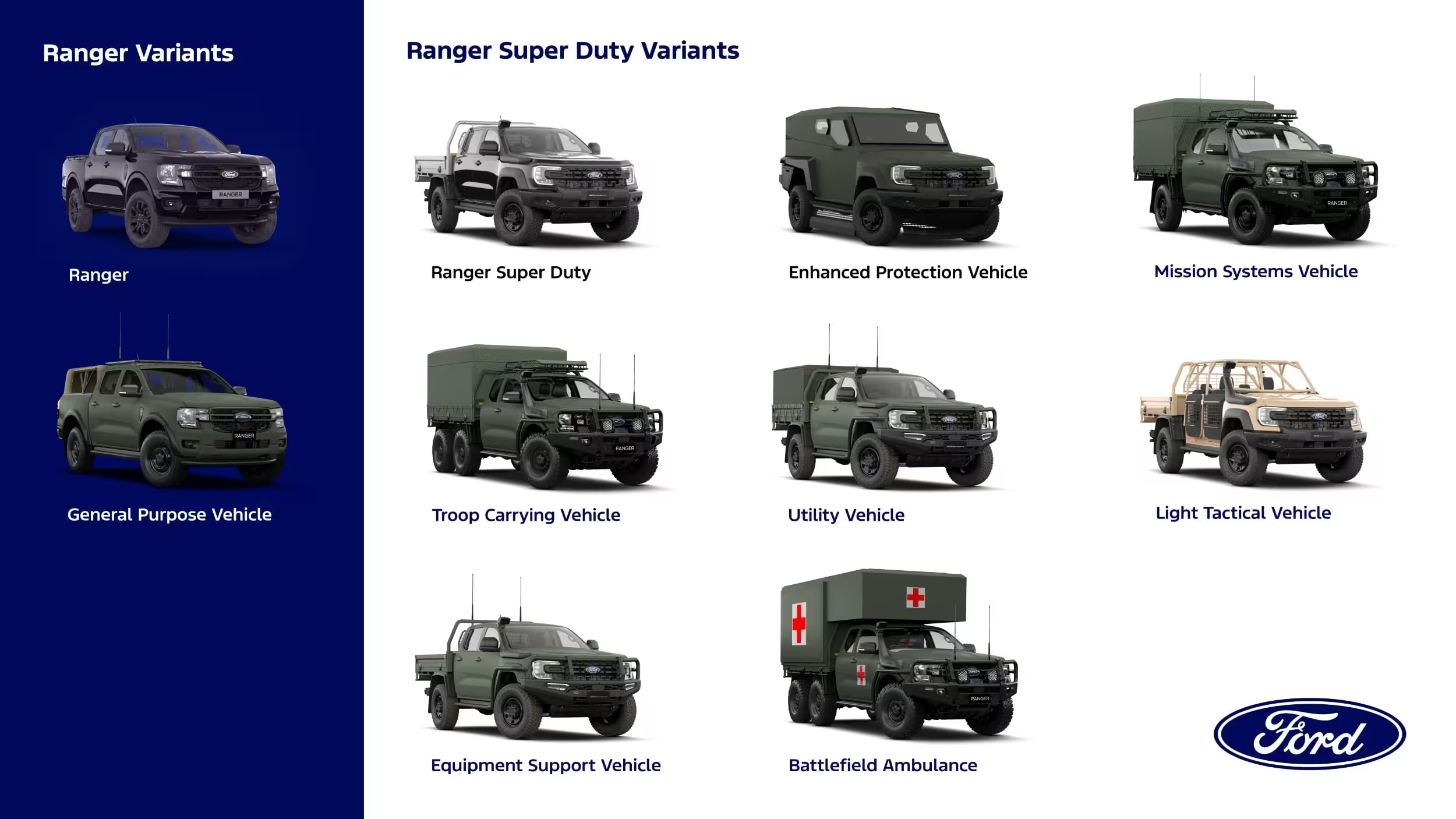
The LMV bid encompasses a family of vehicles, from conventional 4x4s to more exotic six-wheel variants. Key elements Ford and partners highlight include:
- Ranger Super Duty option and V6 turbo diesel for the heavier-weight roles
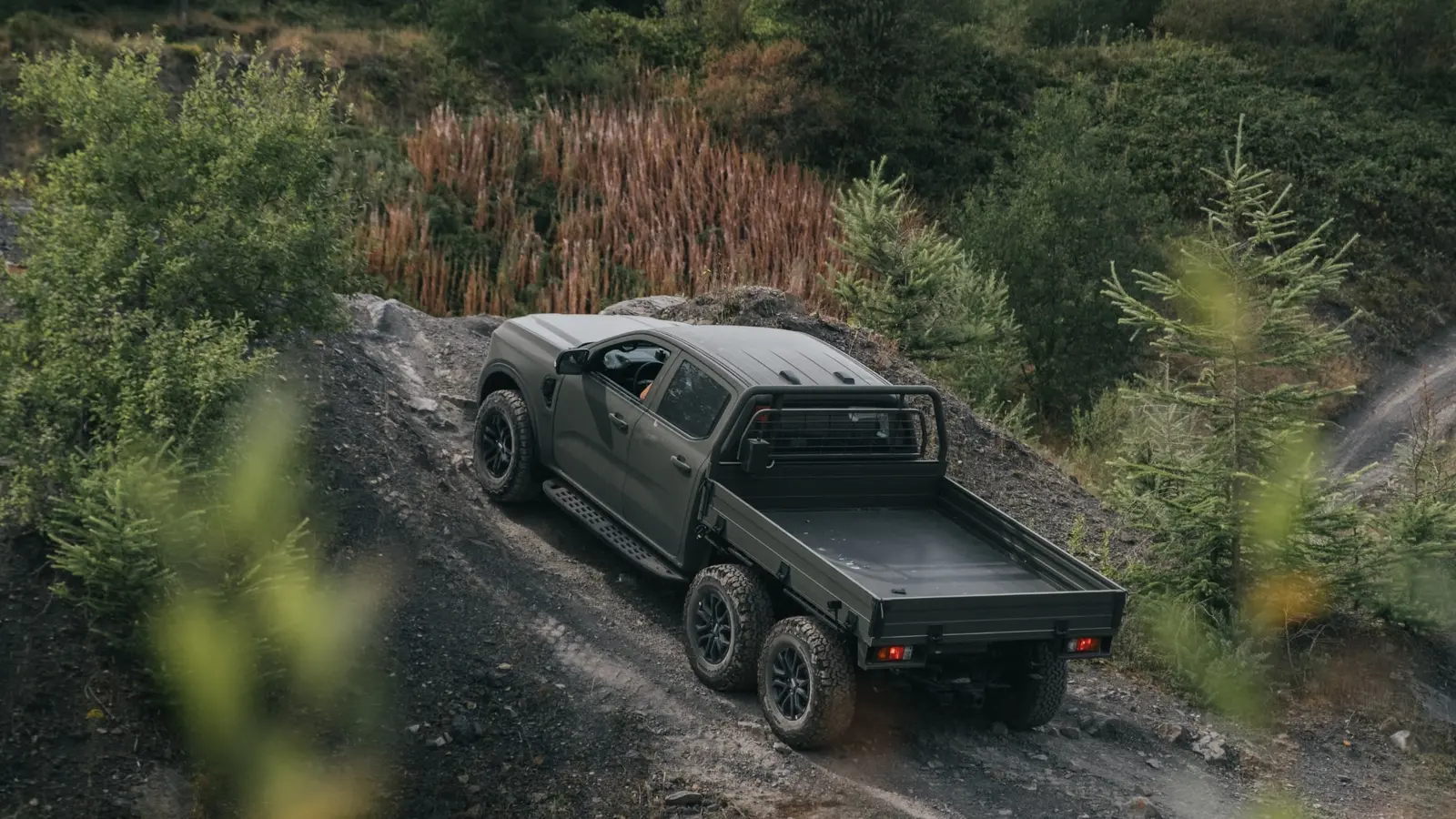
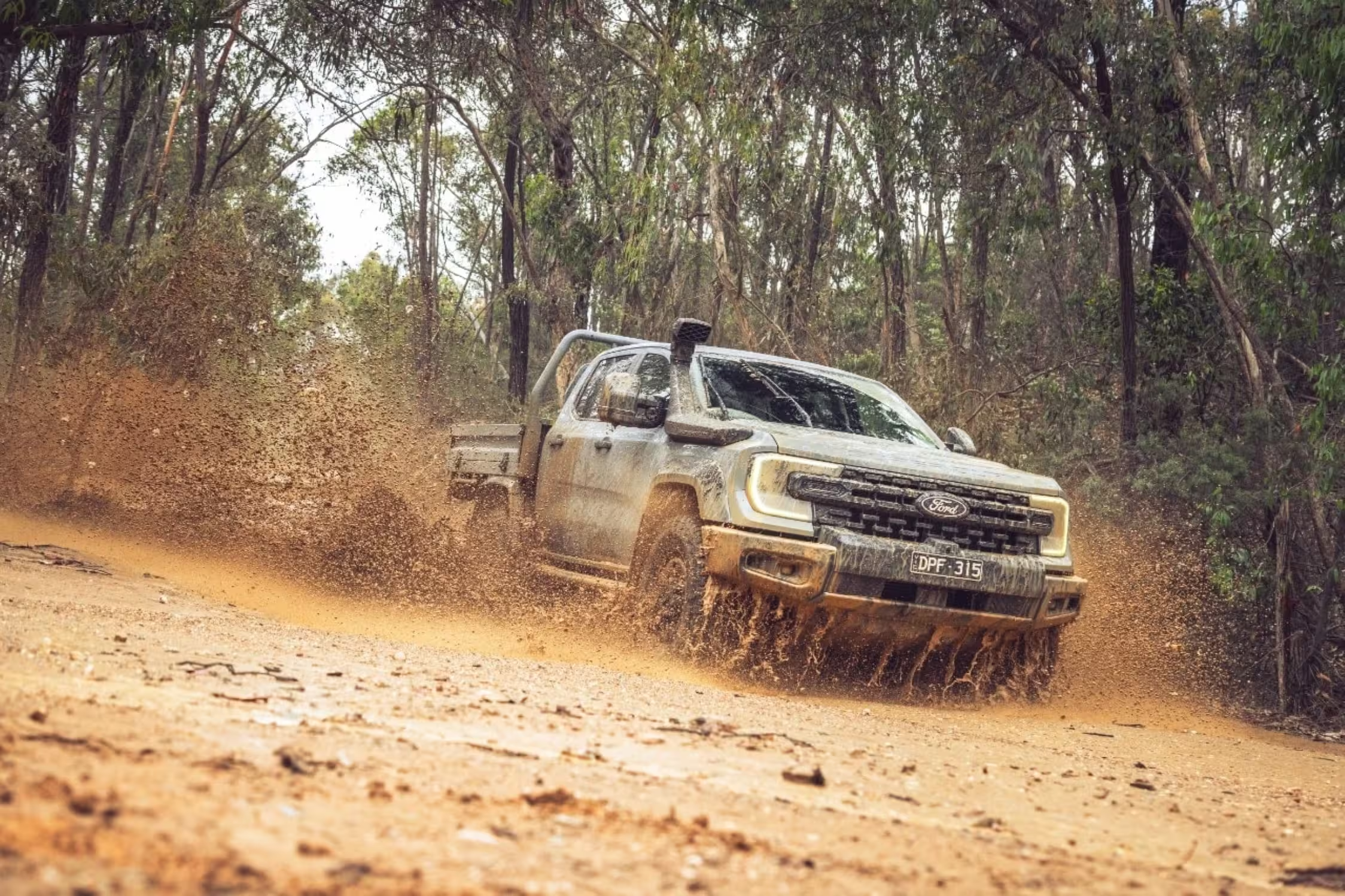
- 4x4 and 6x6/6x4 configurations demonstrated in previous Ricardo trials
- Electric-assist concept: a 282 hp electric motor that can operate in 6x6 and 6x4 modes
- Heavy-duty transfer case, locking differentials and reinforced underbody protection
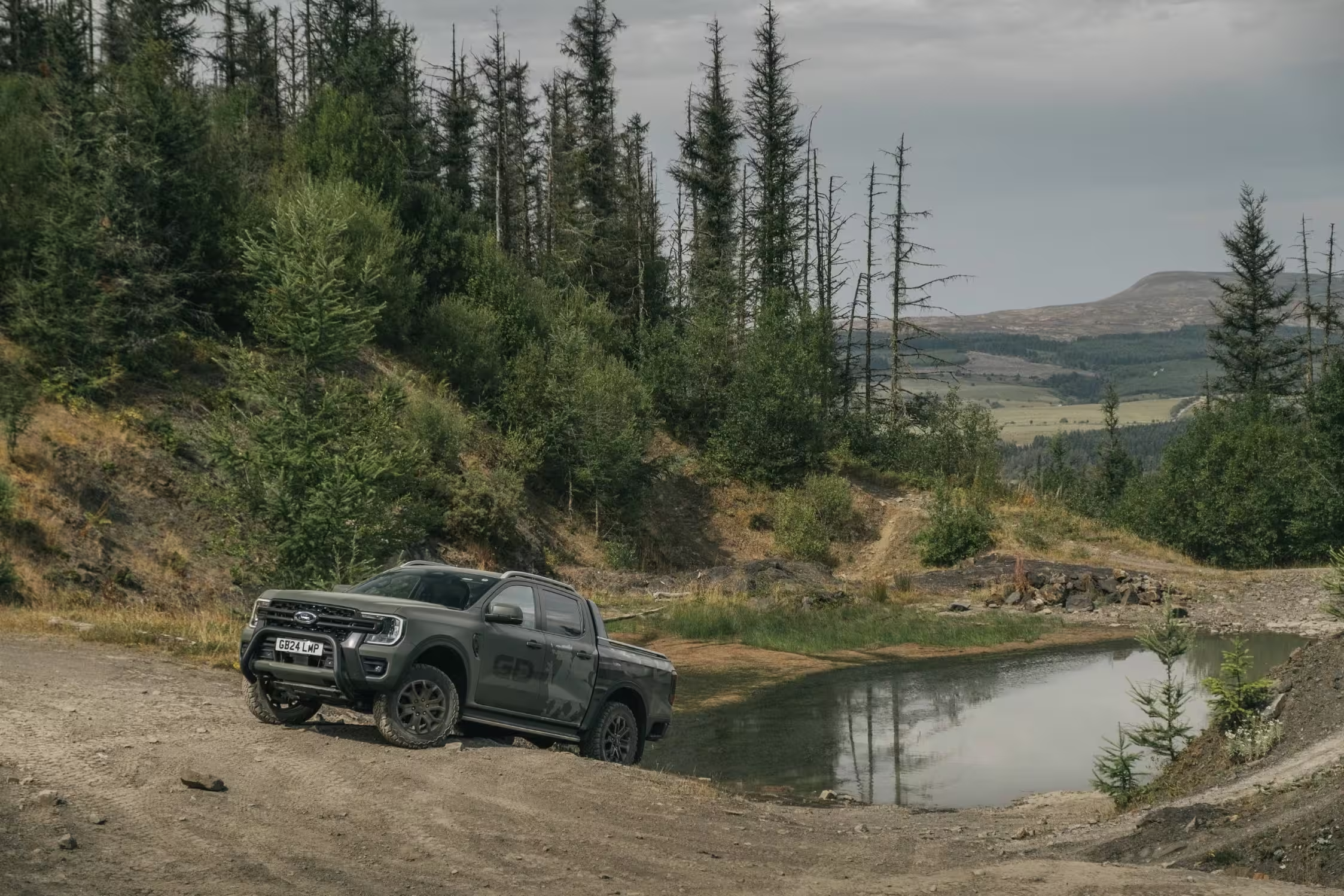
- Almost 300 mm ground clearance and up to 850 mm wading depth shown in prototypes
Ricardo has showcased a six-wheeled Ranger with an e-motor assisting propulsion, illustrating the kind of modular approach the partners can adopt for different mission sets. Combined, these features aim to balance tactical performance with the maintainability of a civilian platform.
The competition: Defender, Colorado and Grenadier
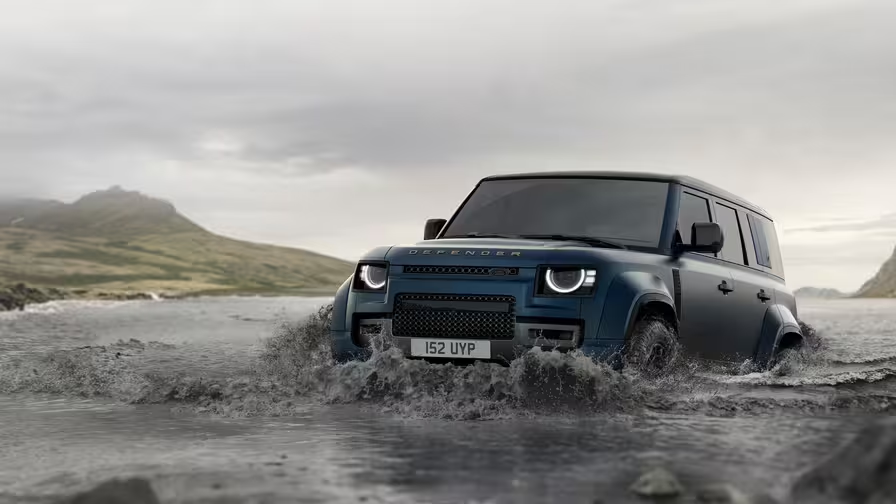
The Ranger faces three credible rivals. Jaguar Land Rover offers the Defender Wolf Series II, a variant JLR says has been subjected to more than 62,000 tests and designed around an 'Extreme Event Test' philosophy for body and chassis durability. GM proposes sending Chevrolet Colorados to Britain for specialist modification with partners such as BAE Systems and NP Aerospace, with early plans potentially covering some 3,000 units. INEOS Automotive entered the contest in mid-2026 with the Grenadier, backed by SMT Defence and NMS UK, arguing that the Grenadier's simple, robust architecture can be hardened effectively for military service.
What matters to the MoD
When the Ministry of Defence assesses bids it will weigh more than off-road performance. Key factors include:
- Total cost of ownership and sustainment across decades
- Industrial scale and UK-based integration capability
- Interoperability and ease of repair in field conditions
- Ability to integrate communications and defensive systems
Ford's industrial proposition — local integration by General Dynamics, engineering support from Ricardo, and a proven commercial supply chain — is designed to tick those boxes.
What to watch next
The MoD expects the first new light mobility vehicles to enter service by 2030, so the evaluation phase and rigorous testing will intensify over the coming months. Expect trials focused on survivability, payload, mobility and systems integration. The Ranger's advantage could come down to practicality: a vehicle NATO mechanics already know how to service, produced at scale and adaptable for multiple mission roles.
Quote highlight:
- 'A commercially derived platform gives the MoD rapid fielding potential and supply-chain resilience,' industry analysts say.
Whether the Army prefers the industrial pragmatism of the Ranger or the bespoke credentials of the Defender, Colorado or Grenadier will come down to a balanced judgment of cost, capability and long-term support. The LMV contest has become a rare case where mainstream pickup design meets military doctrine — and the winner will set the tone for light mobility for years to come.


Leave a Comment
Comments (1)
Ranger sounds practical, but is a commercial truck really survivable in real combat? Supply-chain + maintenance make sense though, curious to see tests...