
3 Minutes
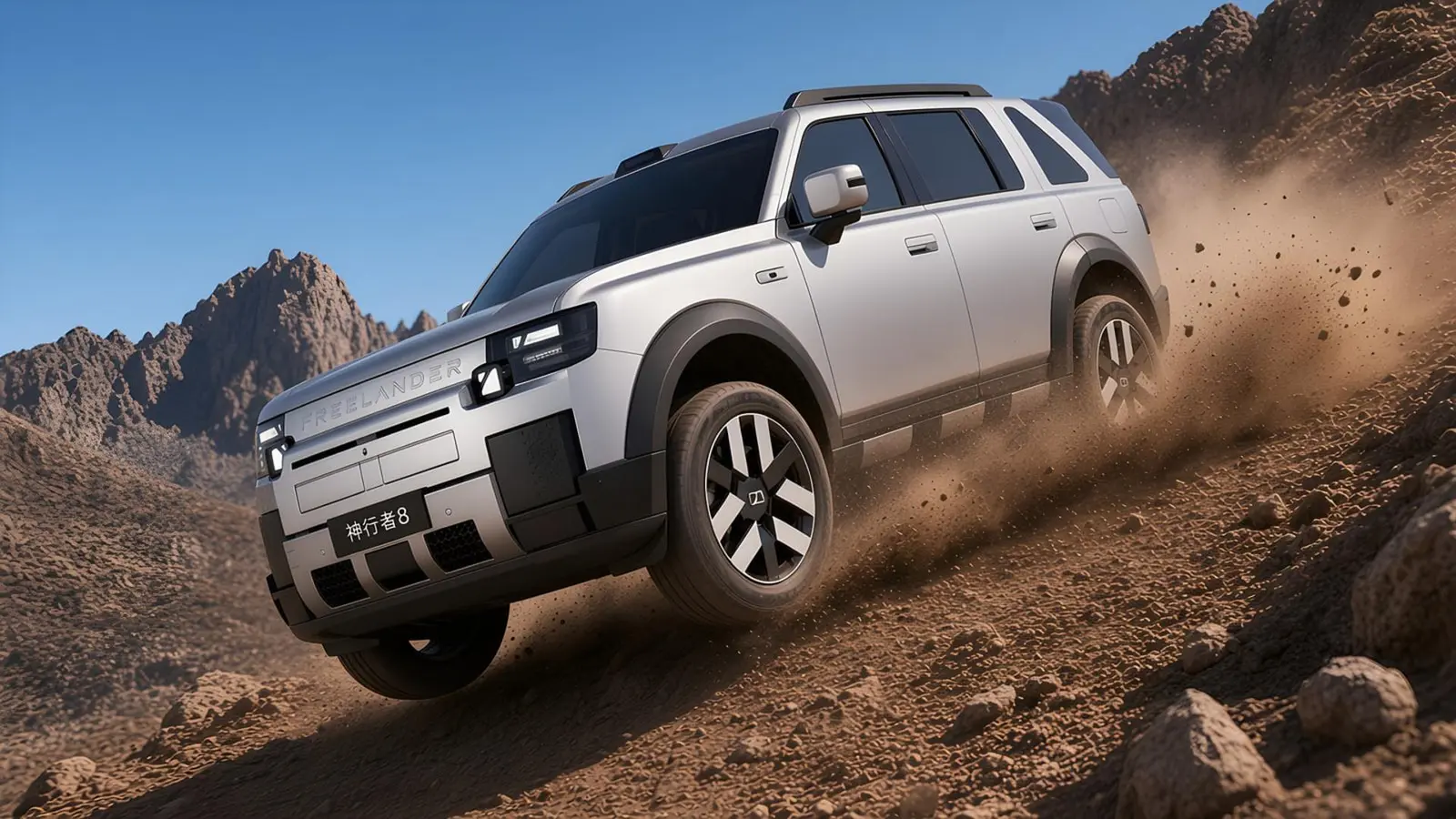
The Chery-Jaguar Land Rover Freelander 8 climbed to 6,002.33 metres in Tibet, a feat Chery-JLR recorded as a new Guinness World Record and announced in China on September 3. The ascent, carried out on August 22, tested the vehicle in thin air, steep loose slopes and unpaved scree.
Chery-JLR says the Freelander 8, an electric range-extender (EREV) SUV weighing 2.98 tonnes, completed the route without structural chassis damage and that its 1.5-litre turbocharged four-cylinder petrol engine used only to charge the battery retained about 80 percent of its rated output throughout the climb. The company released limited technical details but stressed this was more than a publicity run: it was an engineering trial under one of the harshest environmental conditions the vehicle is likely to encounter.
Route, environment and why turbo design matters
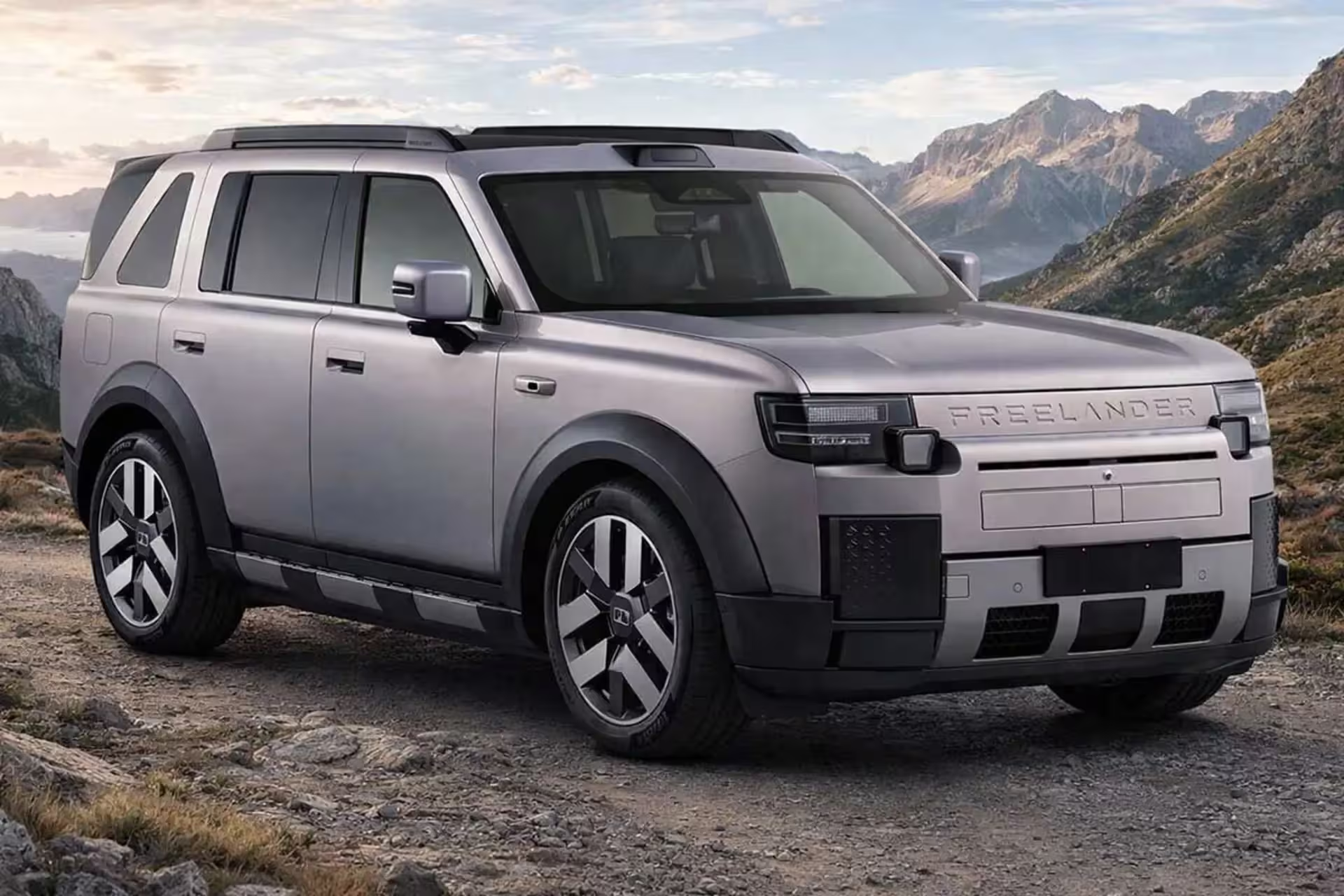
The recorded ascent covered roughly 1,480 metres in length with an elevation gain of about 200 metres over loose rock and unpaved ground. At 6,000 metres ambient pressure falls to about 47.2 kilopascals and available oxygen drops to less than half of sea level. In those conditions the manufacturer says the higher boost ratios of the Freelander 8's turbocharger were necessary to compensate for the reduced intake pressure and keep sufficient air flowing into the engine while it operated as a range extender.
Chery-JLR highlighted that thin air reduces the engine and cooling system's margin for steady power delivery. The climb therefore stressed not only traction and drivetrain torque but the engine breathing and thermal-management strategies the engineers employed.
Powertrain and hardware
The Freelander 8 uses a two-motor, all-wheel-drive EREV system with a combined peak output of 610 kilowatts, given as 818 PS. The front motor is rated at 360 kW (483 PS) and the rear motor at 250 kW (335 PS). The rear drive unit incorporates a two-speed gearbox that provides a shorter ratio for steep climbs; in first gear the system adds a 1.5:1 torque step-up and can make up to 8,000 newton-metres of wheel torque available. Chery-JLR describes that low gear as acting like a crawler gear to reduce the motor torque and current required for a given wheel torque, limiting electrical losses and heat build-up during prolonged low-speed work.
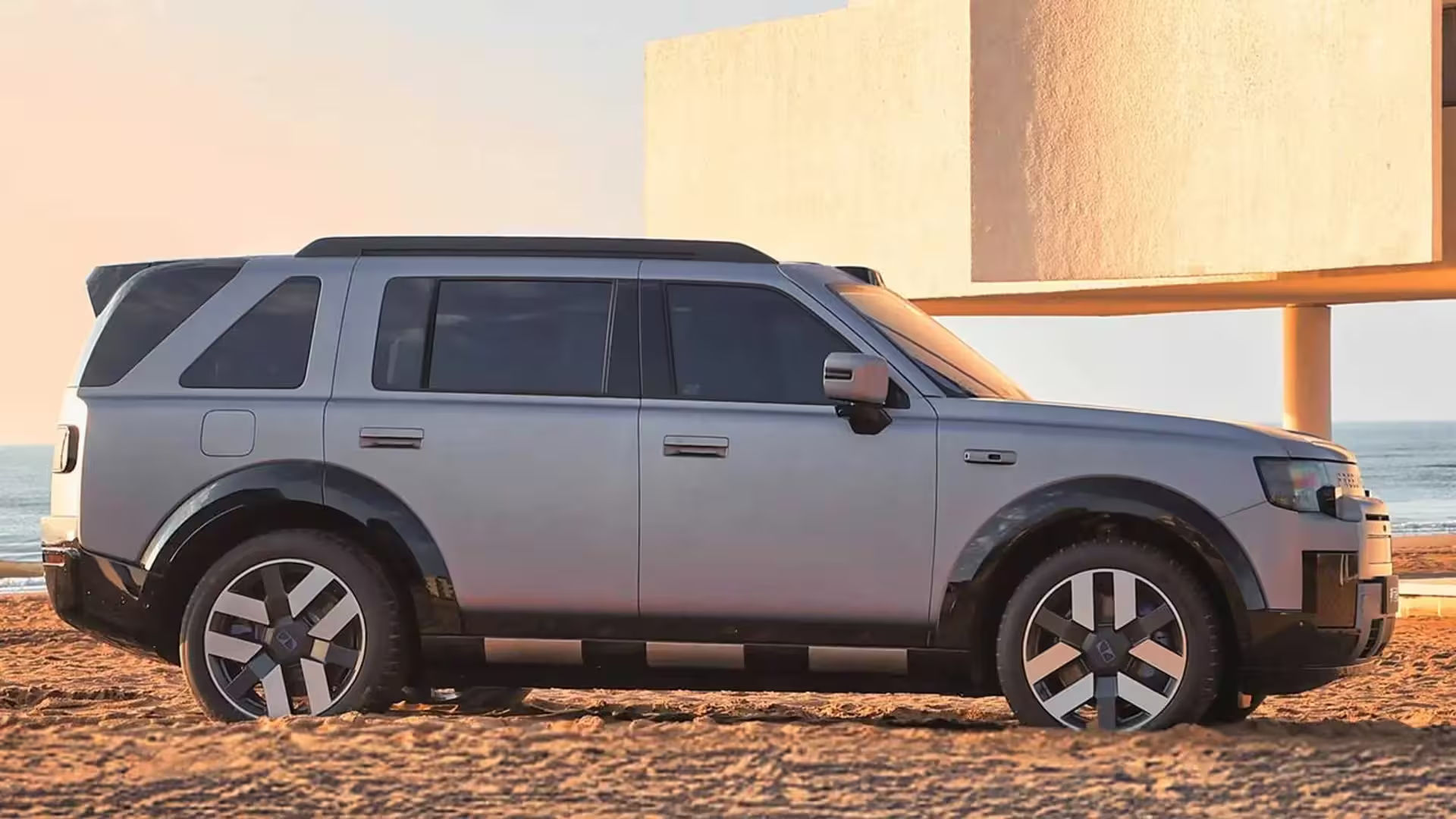
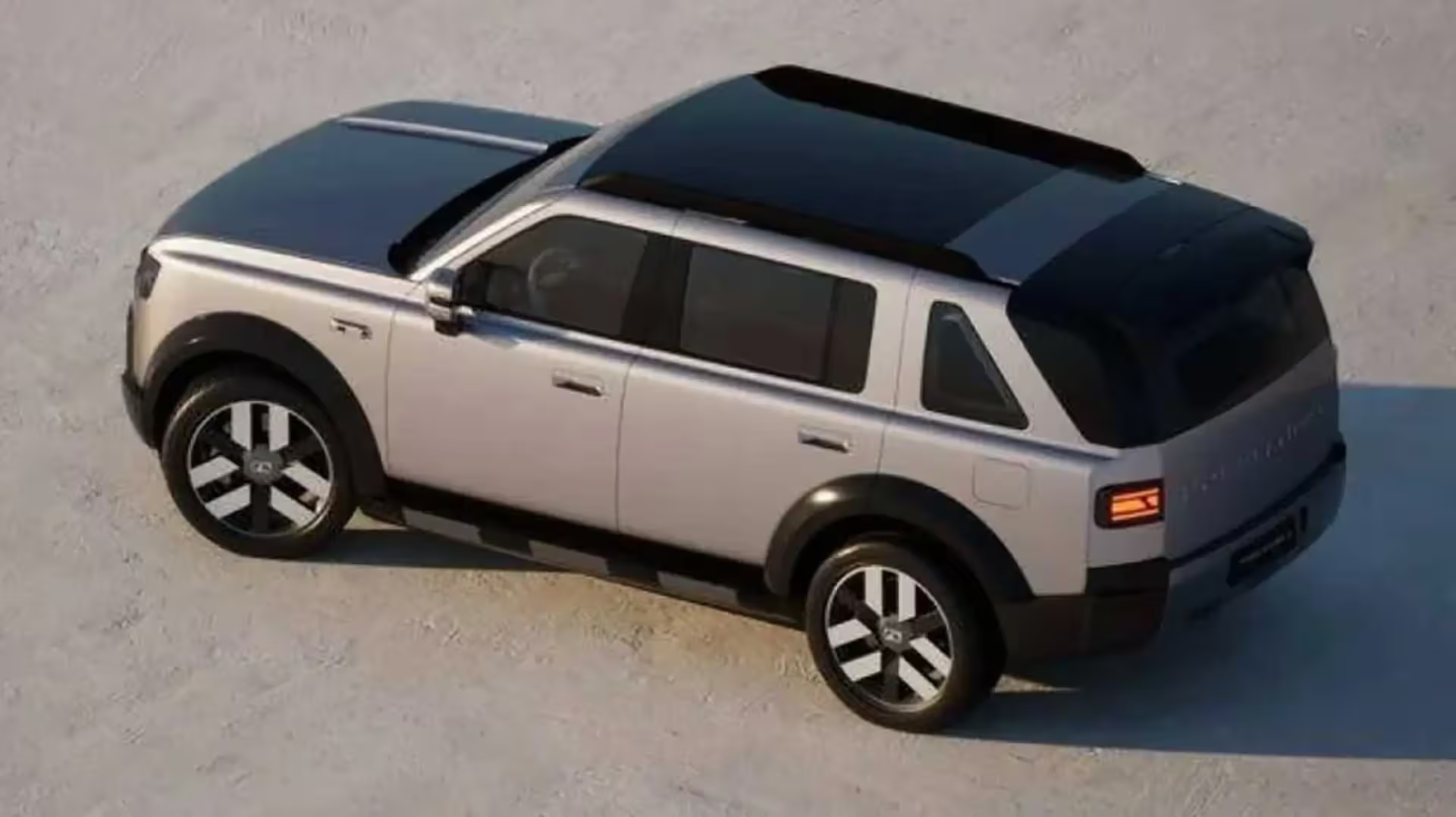
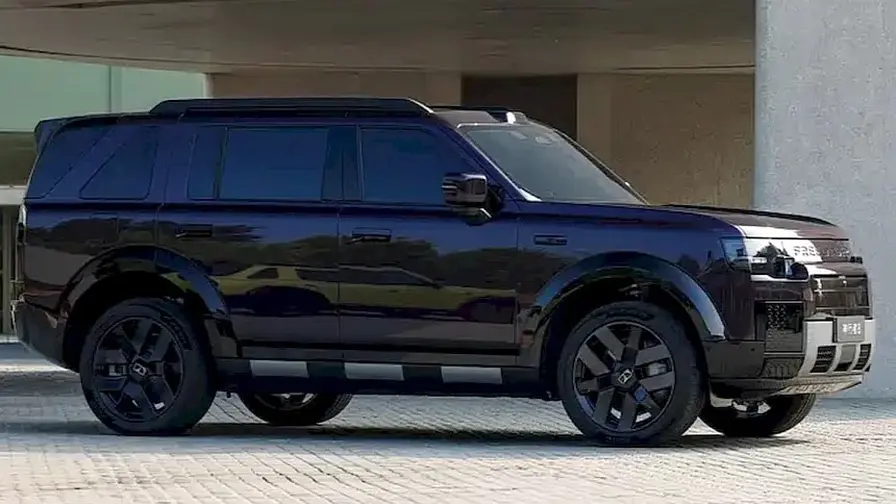
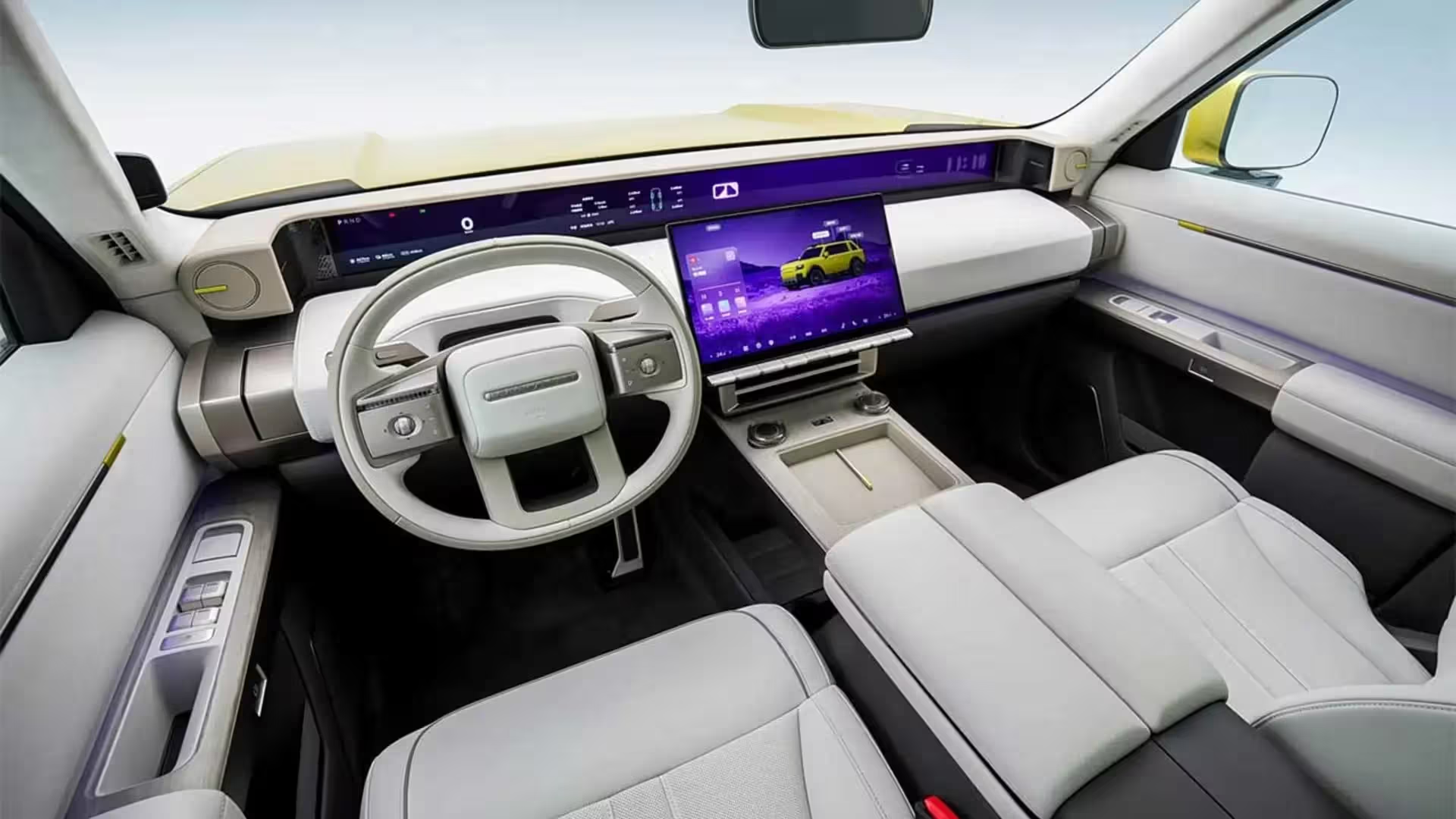
The vehicle is powered by a 60.33 kWh battery using NMS chemistry and runs on an 800-volt electrical architecture. The Freelander 8 rides on a unibody monocoque rather than a ladder-frame design, measures 5,118 mm long with a 3,040 mm wheelbase, and uses air suspension with continuously damped control (CDC). Chery-JLR also fitted the car with a new Huawei 5 driver-assist system, including a roof-mounted lidar unit, and says the system supports Level 2 driver assistance.
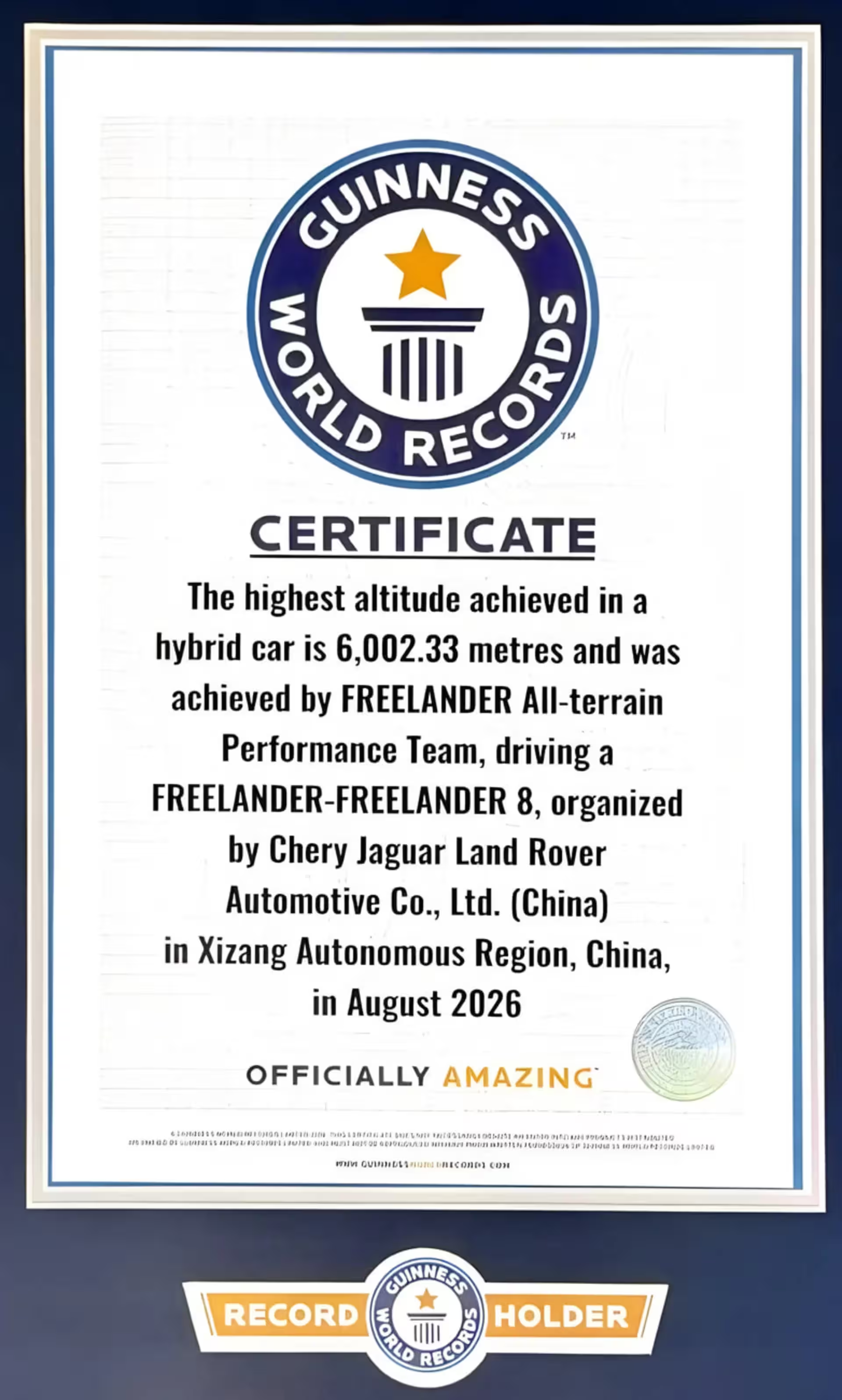
The company noted the Freelander 8 completed the climb without reported structural damage to the chassis, but post-climb inspection data has not been published and the tyre specification used on the run was not disclosed. That leaves the record as confirmation the production-style vehicle can ascend the selected route, but not as proof of long-term chassis or component durability under repeated or prolonged exposure to similar conditions.
Prior to this run the benchmark vehicle for mountain records was the Bao 5 from BYD's Fengchengbao brand, which used a body-on-frame ladder chassis. The Freelander 8's record is notable because it was achieved by a monocoque SUV with the described EREV architecture and two-speed rear drive.
The Freelander 8 is assembled at Chery-JLR's plant in Jiangsu province. Chery-JLR positions the model in the roughly 300,000 yuan segment for Chinese buyers (about $42,000 as reported) and lists an approximate price range of $41,000 to $53,700 for the model line.

Leave a Comment
Comments
No comments yet. Be the first.