
3 Minutes
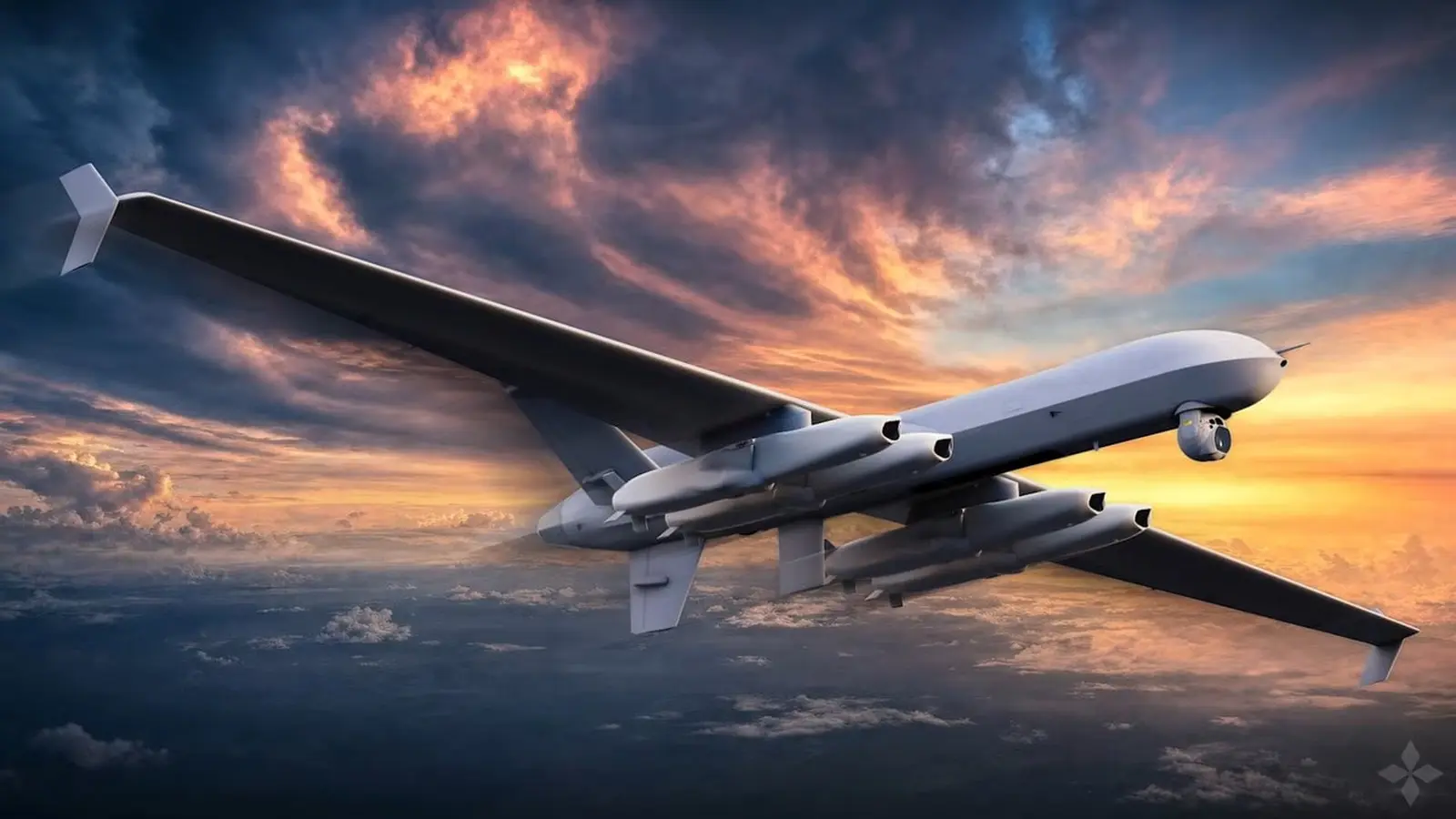
The General Atomics Wildfire is announced as a long-endurance Group 5 unmanned aircraft that the company says can fly up to 9,200 miles (14,800 km) on a single sortie. General Atomics unveiled the clean-sheet Wildfire in early September and immediately entered it into the U.S. Air Force's Massed Modular Aircraft competition as a potential alternative to the MQ-9A Reaper.
General Atomics has positioned the Wildfire as both higher-capacity and lower-cost than a similarly sized MQ-9A Reaper, though the company has not published payload weights, production price, or detailed performance figures to substantiate those claims. The manufacturer describes the design as modular and attrition-tolerant, built with lower-cost components that make it more expendable than traditional high-value UAS.
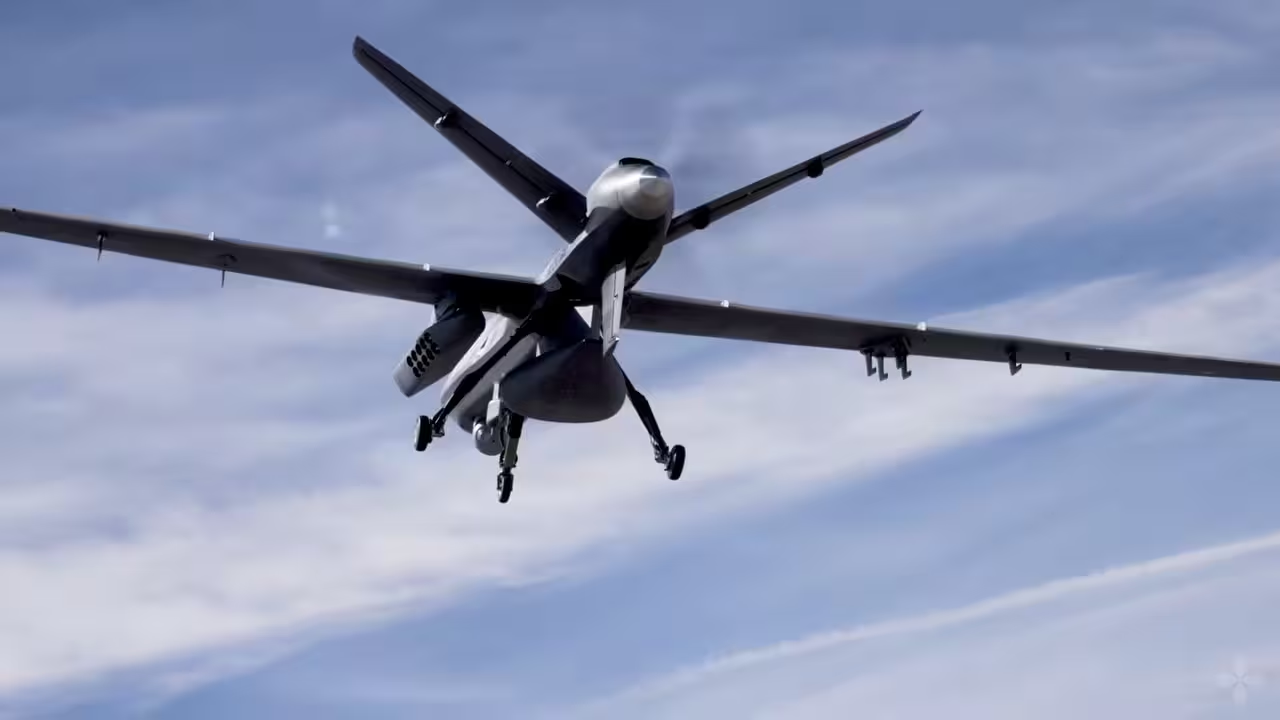
The Wildfire carries clear lineage from General Atomics' long-running unmanned aircraft portfolio. The company cites lessons learned from platforms such as the MQ-1B Predator, MQ-9A Reaper, MQ-9B SkyGuardian, MQ-20 Avenger, and the FQ-42A Collaborative Combat Aircraft, while calling Wildfire a new type of uncrewed aircraft rather than an incremental update.
Payload, weapons and autonomy
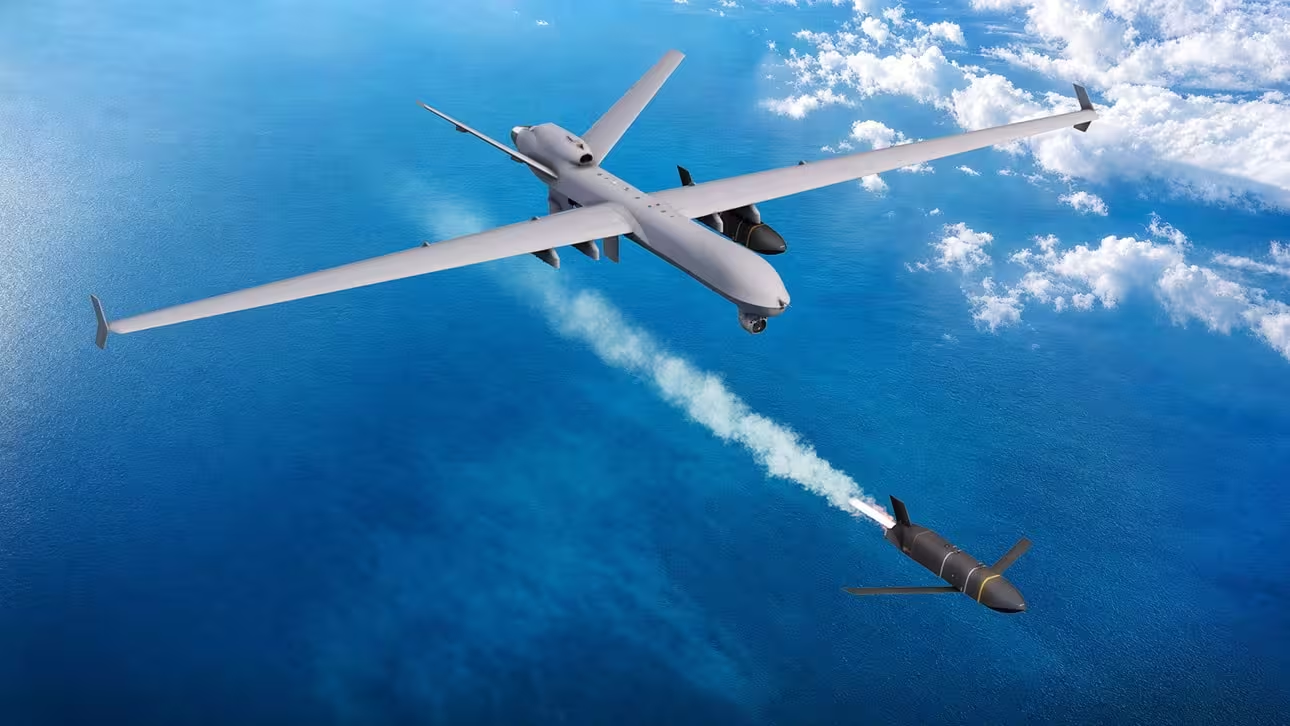
General Atomics says Wildfire offers increased payload capacity and stronger hardpoints, enabling a wider range of mission equipment and effects. The company specifically states the aircraft can be armed with two Long-Range Anti-Ship Missiles or four Joint Strike Missiles, and that it can operate alone or as part of swarms to bring mass to an engagement. When not configured for strike, the Wildfire is presented as capable of surveillance, heavy cargo delivery, or other commercial payload roles.

The Wildfire incorporates systems already fielded on the FQ-42A Collaborative Combat Aircraft, which General Atomics says gives the new UAS a high degree of autonomy while retaining the option for human operator control. Beyond the missile counts named by the company, no hard figures for weapons weight, carriage modes, or sensor suites were released.
General Atomics says the Wildfire can fly up to 9,200 miles (14,800 km) and will carry a greater payload while costing less than a similarly sized MQ-9A Reaper.
Company commentary emphasized attrition tolerance as a design priority, an explicit acknowledgement of contemporary interest in lower-cost, more expendable platforms for contested operations. General Atomics provided few specifics on manufacturing approach, unit cost, or survivability features that would clarify how Wildfire achieves those trade-offs.
The U.S. Air Force created the Massed Modular Aircraft competition to identify alternatives to the Reaper, with the program targeting a solution by 2030. General Atomics says it can deliver Wildfire long before that date, but the firm has not published a production timeline or contract milestones tied to the MMA schedule.
Without independent performance data or pricing, many claims about Wildfire remain company statements. Still, the aircraft's combination of claimed range, modularity, and munition carriage positions it as a noteworthy entrant in the Group 5 UAS category and a direct contender for future U.S. Air Force unmanned mission sets.


Leave a Comment
Comments
No comments yet. Be the first.