
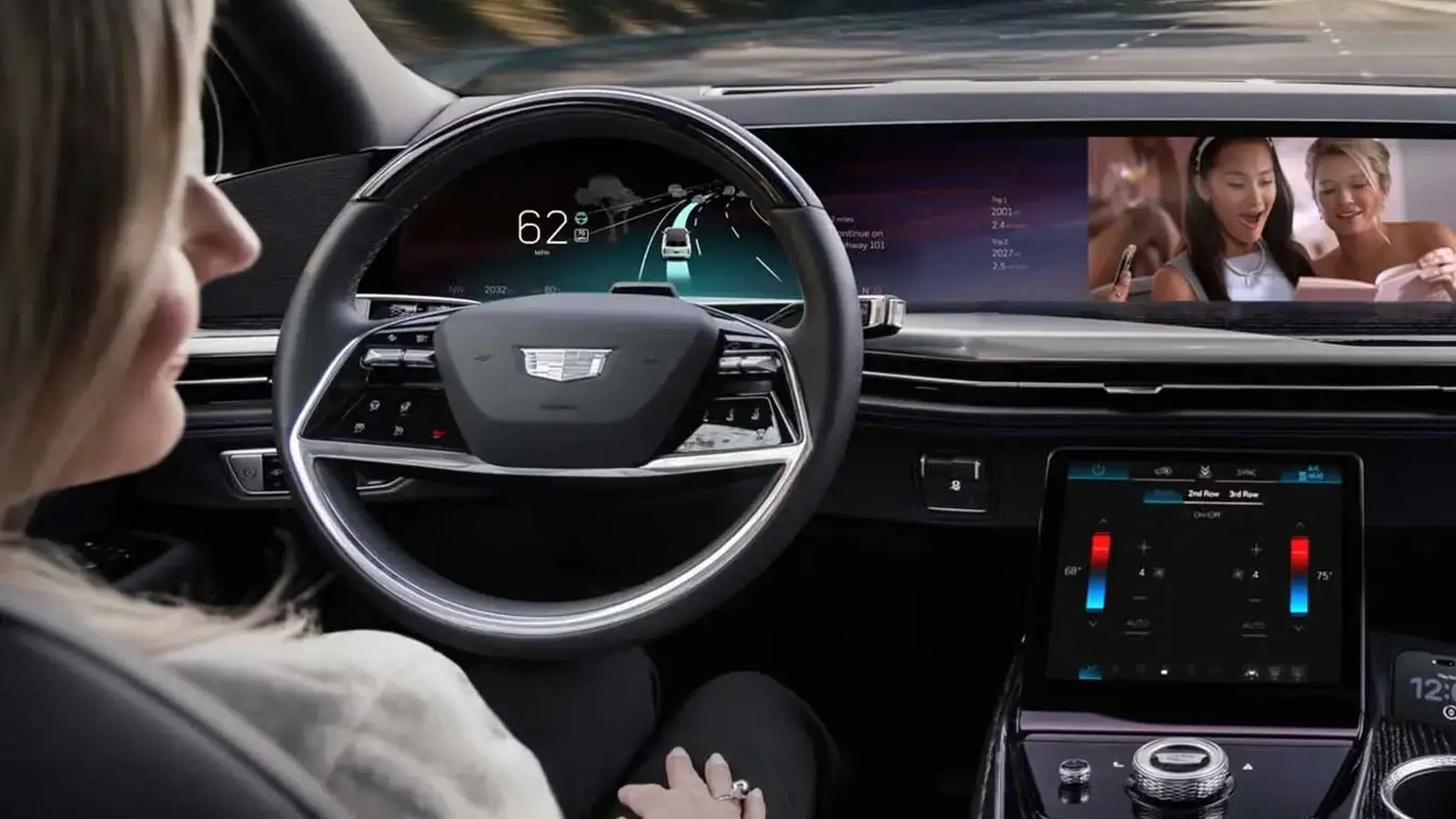
General Motors says Cadillac drivers will be able to remove their eyes from the road by 2028, beginning with an electric Cadillac Escalade IQ equipped with a new eyes-off driving system. CEO Mary Barra said development is on schedule and recent tests show marked progress.
Launch plan and initial vehicle
GM has announced the Cadillac Escalade IQ, the brand's electric SUV, as the first production model to receive the new system. The company says the technology will be rolled out to other Cadillac vehicles thereafter, but it has not released a list of subsequent models or a detailed rollout timetable beyond the 2028 target.
Technology background, costs and open questions
GM describes the system as built on an advanced sensor suite including radar, lidar and cameras, and as leveraging technical know-how gained from the Cruise robotaxi program. GM says the development effort is shifting the Cruise-derived capabilities more toward personal vehicles.
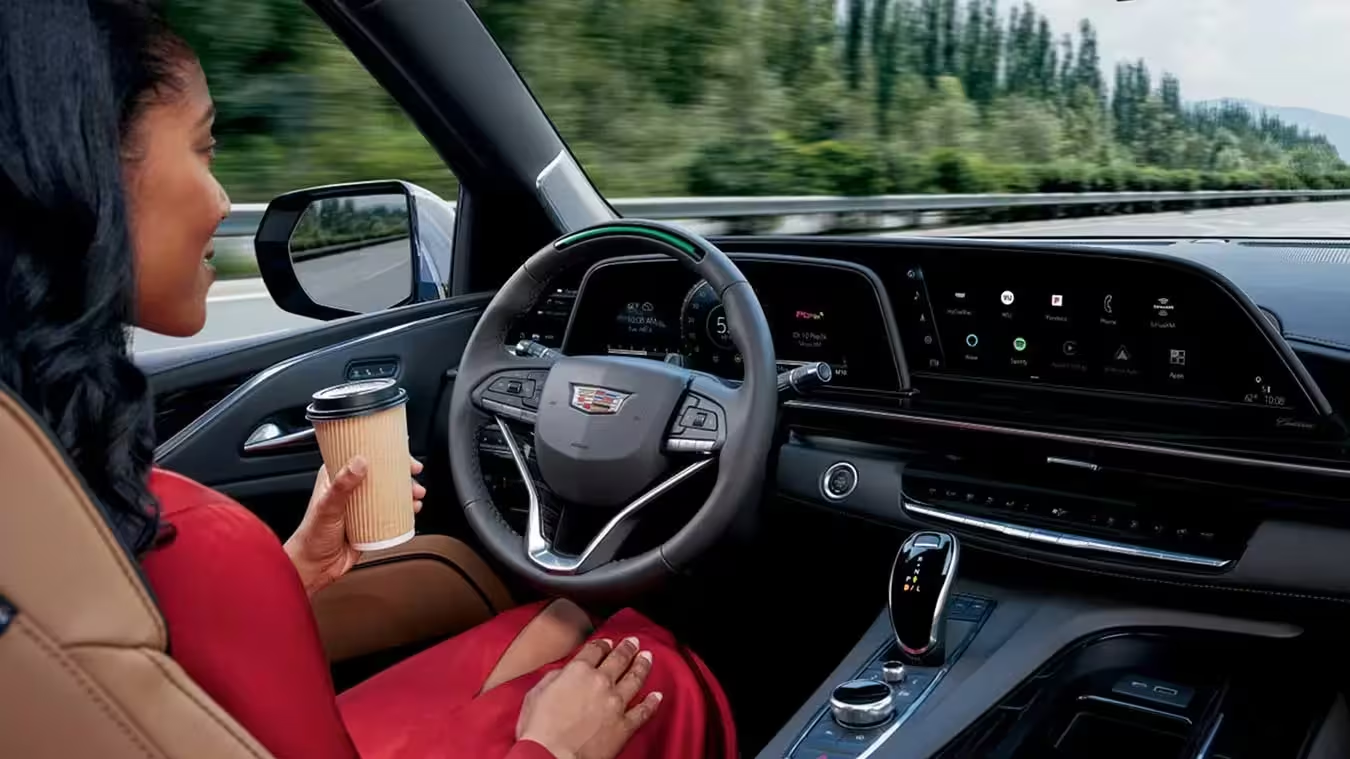
- Whether the feature will be standard, optional, or delivered via a paid subscription is not yet disclosed.
- GM has not specified which additional Cadillac models will receive the system after the Escalade IQ.
- How the company will define the "safe and authorized" conditions that permit removing one’s eyes from the road, and how control will be transferred if a driver is inattentive in specific situations such as highway exits, remains unclear.
GM has not provided final pricing or packaging details. The company faces a commercial question similar to that posed by its current Super Cruise driver-assistance system: Super Cruise has converted a significant proportion of buyers into recurring subscription customers, and industry observers note GM appears to be counting on software and subscription revenue as part of the new system's business case.
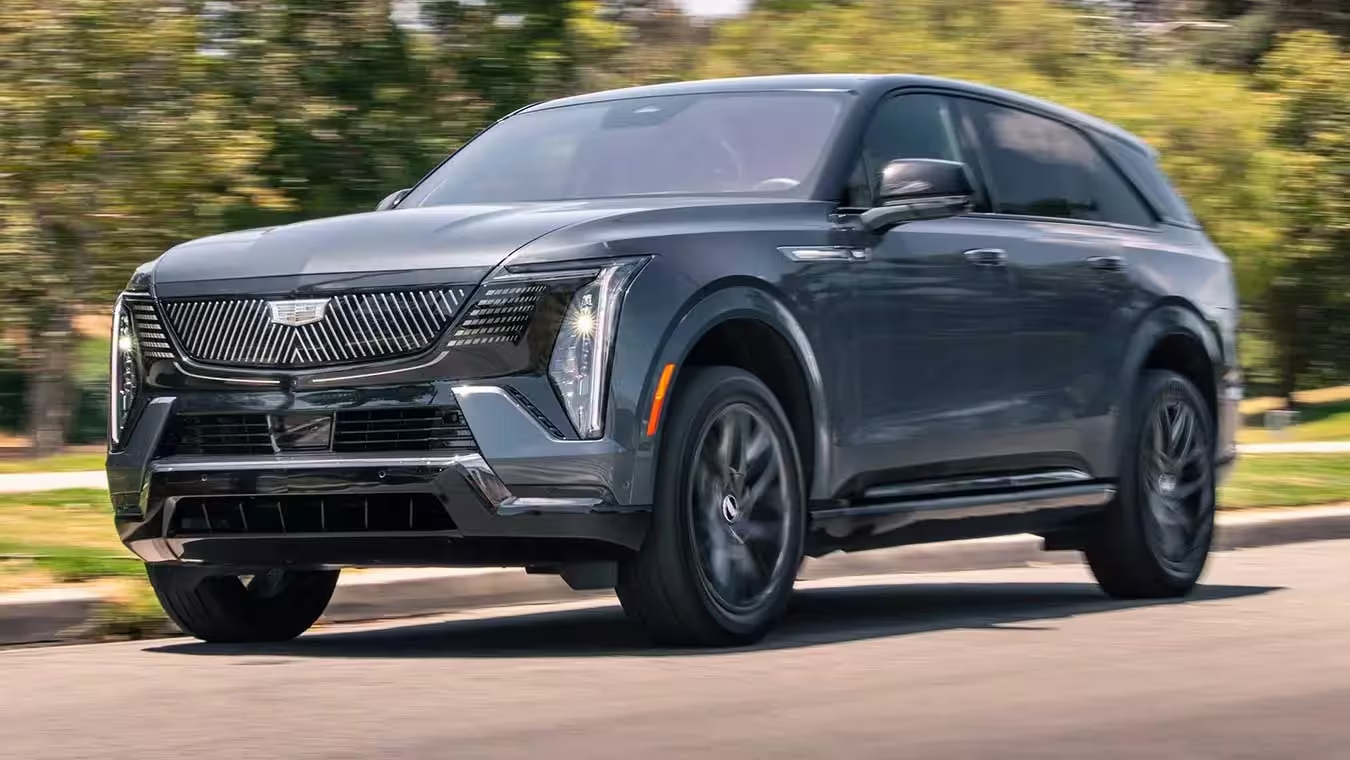
Super Cruise today allows drivers to remove their hands from the steering wheel under certain conditions while requiring that the driver remain attentive to the road. Moving from hands-off to eyes-off operation represents a substantial legal and safety step, and GM acknowledges that some operational and liability frameworks for higher levels of autonomy are not yet fully matured, which may account in part for the unanswered technical and regulatory questions.

Leave a Comment
Comments
No comments yet. Be the first.