

Sparkassen brings crypto trading into mainstream German banking
Germany's network of Sparkassen savings banks began offering retail cryptocurrency trading through their existing banking app on October 19, 2026. The service, operated in partnership with DekaBank and branded in product information as Krypto, powered by Deka, enables eligible customers at participating Sparkassen to buy and sell five major digital assets directly inside the familiar Sparkasse app without opening a separate securities brokerage account.
This move marks a major shift for Germany's Sparkassen group, which historically kept retail crypto exposure limited because of investor-protection concerns. The new offering targets self-directed investors and integrates trading and custody under a regulated institutional framework while making clear that trading cryptocurrencies carries significant market and operational risk.
Supported tokens and basic functionality
The product supports Bitcoin (BTC), Ethereum (ETH), XRP, Solana (SOL) and Polygon's POL token. Customers access the crypto functionality via the investment section of the Sparkasse mobile app, where they open a dedicated DekaBank cryptocurrency account. After registration, users can place buy or sell orders for the five supported tokens, receive a binding quoted price for a limited period, and confirm transactions in the app.
DekaBank supplies custody services and acts as the crypto-asset service provider for the offering. Operational support includes external infrastructure partners, notably Boerse Stuttgart Digital, which helps run the custody and trading interfaces behind the scenes.
How trading costs and pricing work
DekaBank charges a fixed order fee of €0.99 per transaction in addition to trading spreads. The fixed fee is not the only cost: quoted buy and sell prices can include a spread that effectively increases the total transaction cost. Using the reported fee alone for illustration, a €50 purchase would incur a fixed-fee impact of 1.98%, while a €500 purchase would see a 0.198% impact. The overall cost therefore depends on the momentary quoted price, the spread included in that quote, and the fixed €0.99 order fee.
Before a trade executes, the app displays the binding quoted price for a limited period so customers can review the effective rate and the total charge. Because cryptocurrency markets trade around the clock and spreads can widen during volatile conditions, the final cost and the ability to complete a trade can vary based on market activity and system availability.
Trading availability and operational constraints
Unlike stock exchanges with fixed trading sessions, cryptocurrencies trade continuously. DekaBank states the service can generally support trading outside ordinary exchange hours, but operation depends on backend system availability. Technical maintenance windows, unusual market conditions, or infrastructure outages may interrupt the ability to place or complete orders. Sparkassen advises customers to account for these operational risks when choosing trade times.
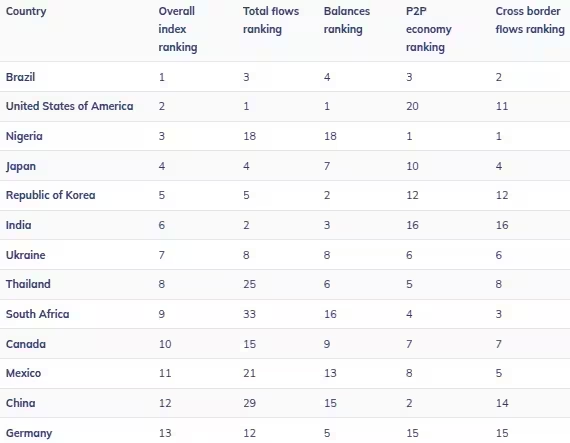

Top 20 countries by grassroots adoption
Custody model: omnibus wallets and transfer restrictions
Customers who buy crypto through the Sparkasse app do not control private keys. DekaBank holds the keys in a centralized custody solution using a jointly managed omnibus wallet. Under an omnibus custody arrangement, a single wallet holds assets for multiple clients while the custodian maintains internal records of individual customer balances.
Because custody is centralized, transfers are subject to rules set by DekaBank and the participating savings bank. The product documentation states that withdrawals are permitted only to addresses belonging to certain approved crypto-asset service providers; transfers to arbitrary personal wallets are not allowed. That means customers cannot freely withdraw assets to any self-custody address of their choosing.
This custody model differs materially from self-custody, where the investor manages private keys directly and can move funds to any address. The Sparkassen solution trades flexibility for an institutional custody model that aims to reduce some operational risks but imposes transfer restrictions and places ultimate control of keys with the regulated provider.
Security, regulatory status and insurance
DekaBank is registered as a crypto-asset service provider under the EU regulatory framework that includes the Markets in Crypto-Assets Regulation (MiCAR). The product documentation identifies MiCAR and German financial regulations as the governing regime for the custody and trading services.
Despite regulated custody and oversight, DekaBank and the Sparkassen network underline that crypto holdings are not protected by Germany's statutory deposit insurance. The bank's risk disclosures warn that cryptocurrency prices can move substantially in short periods, and investors may lose their entire investment. The documentation also flags technology and market risks, including potential attacks on blockchain infrastructure and operational failures.
Who can use the service and the role of Sparkassen advisers
Trading is available to adult customers who make their own investment decisions. Customers must open a dedicated DekaBank cryptocurrency account inside the Sparkasse app prior to placing their first trade. Sparkassen advisers will not provide individual cryptocurrency purchase recommendations through this product; the offering is intended for self-directed investors.
This separation means Sparkassen will continue delivering traditional banking products, savings accounts, securities services and financial advice separately from the crypto offering. During the initial rollout, the banks said they do not intend to heavily promote the new service.
Consumer protections and disclosures
DekaBank provides detailed documentation on product features, transfer rules and risks. The provider also offers customer support with specified service hours. The bank's materials highlight that tax treatment for cryptocurrencies can vary; DekaBank notes a €1,000 annual exemption threshold relevant to certain private disposal transactions under current German tax rules and cautions that tax interpretations and requirements may change.
Rollout plan: phased expansion across Sparkassen network
The October 19 launch covered only a small number of pilot institutions. Initial participating savings banks included Frankfurter Sparkasse, Taunus Sparkasse, Sparkasse Karlsruhe, Sparkasse Rottal-Inn and Niederrheinische Sparkasse RheinLippe. These first five institutions represent roughly 1.5% of a reported network total of 339 savings banks.
More than 230 savings banks have reportedly expressed interest in providing the crypto product. Sparkassen plans to add roughly 30 to 40 additional institutions each month as individual banks complete technical preparations and finalize internal decisions. Most interested institutions aiming to participate are expected to introduce the service by the first half of 2027, but participation is voluntary and timelines depend on each bank's roll-out strategy.
Customers whose local Sparkasse has not activated the product will need to wait until their institution enables the service before opening a Deka cryptocurrency account through the app.
Market context and competition
The Sparkassen launch follows broader trends in which traditional financial institutions in Europe and beyond are rolling out regulated cryptocurrency services to retail customers. By integrating crypto trading into an existing retail banking app, the Sparkassen product aims to reach customers who prefer consolidated financial services under a familiar interface rather than switching to standalone exchanges.
At the same time, the offering is calibrated to institutional custody and compliance standards, positioning it as an on-ramp for mass-market users who prioritize regulated custody and bank-grade customer support over the full transfer freedom offered by many centralized exchanges or self-custody solutions.
Costs, examples and investor considerations
A clear practical implication of the pricing model is that the fixed €0.99 fee has a larger proportional impact on smaller purchases. For example, if an investor spends €50 on crypto, the fixed fee alone represents nearly 2% of the transaction value before spreads. On a €500 order, the fixed fee is proportionally much smaller, 0.198% prior to spread. Savvy investors should weigh order size, timing, and spreads when using the product.
Because Sparkassen advisers will not give personalized crypto investment advice through the platform, users should perform independent research, consider diversification and be mindful of market volatility. The product suits investors comfortable with self-directed trading and accepting the custody limitations imposed by the omnibus wallet model.
Withdrawal restrictions and their implications

The restriction on withdrawals to approved crypto-asset service providers has several important implications. It reduces the risk of transfer to unknown or fraudulent addresses and simplifies compliance checks, but it also prevents users from moving assets freely to personal hardware wallets or to decentralized finance platforms requiring direct on-chain control. Investors who value full withdrawal autonomy and private-key control should consider that Sparkassen's custody model is intentionally custodial and regulated rather than trustless.
Regulatory backdrop and MiCAR impact
MiCAR establishes a framework across the EU for crypto-asset service providers and custodians, and DekaBank's registration under the new rules places the Sparkassen product inside that evolving legal structure. The regulation aims to increase investor protection, standardize service provider obligations and bring greater legal clarity to the crypto sector.
Importantly, regulatory oversight does not remove price risk. The banks' materials make this explicit: professional custody and regulatory compliance do not create deposit-like guarantees for cryptocurrencies and do not insure against market-driven losses.
Tax considerations and customer support
DekaBank's information on tax treatment highlights a €1,000 exemption threshold for private disposal transactions in Germany as of the product documentation. Tax consequences for crypto transactions depend on holding periods, transaction types and personal circumstances. Customers are encouraged to consult tax advisors and to monitor changes in law and administrative guidance.
DekaBank provides customer support with specified hours: Monday through Thursday 8:00–18:00 and Friday until 17:00, according to published customer information.
Broader adoption landscape: Germany's position in crypto adoption
The Sparkassen rollout arrives against a backdrop of steady retail and institutional crypto activity in Germany. Chainalysis ranked Germany 13th in its 2026 Global Crypto Adoption Index—based on measures including total flows, balances and peer-to-peer activity for the period July 1, 2025 through June 30, 2026. The ranking predates the Sparkassen launch and therefore provides historical context rather than capturing the product's eventual market impact.
As traditional banks add regulated crypto services, accessibility increases for mainstream customers who may have previously hesitated to use exchanges or self-custody solutions. The Sparkassen product could materially change retail access in Germany if many institutions choose to adopt the service and if customers embrace the convenience of buying leading tokens inside their primary banking app.
Final considerations for crypto investors
The Sparkassen and DekaBank initiative lowers friction for retail investors to enter crypto markets by integrating trading into a trusted retail banking environment, offering regulated custody and straightforward access to five major tokens. However, it also imposes custody and withdrawal limitations, charges fixed and spread-based fees, and makes clear the absence of deposit insurance for crypto holdings.

Prospective users should weigh the convenience of a bank-integrated crypto channel against the reduced transfer flexibility and the potential for market losses. For those who prioritize regulated custody and simplicity, the Sparkassen offering could be an attractive entry point. For investors focused on self-custody, DeFi access, or unrestricted on-chain transfers, the product's transfer restrictions may be limiting.
Ultimately, the launch reflects a broader institutional shift: regulated banks and custodians are increasingly competing in the crypto on-ramp market, combining bank-grade compliance with retail distribution. Sparkassen's phased rollout and partnership with DekaBank will be an important case study in how traditional finance integrates crypto services at scale.

Leave a Comment
Comments
No comments yet. Be the first.