
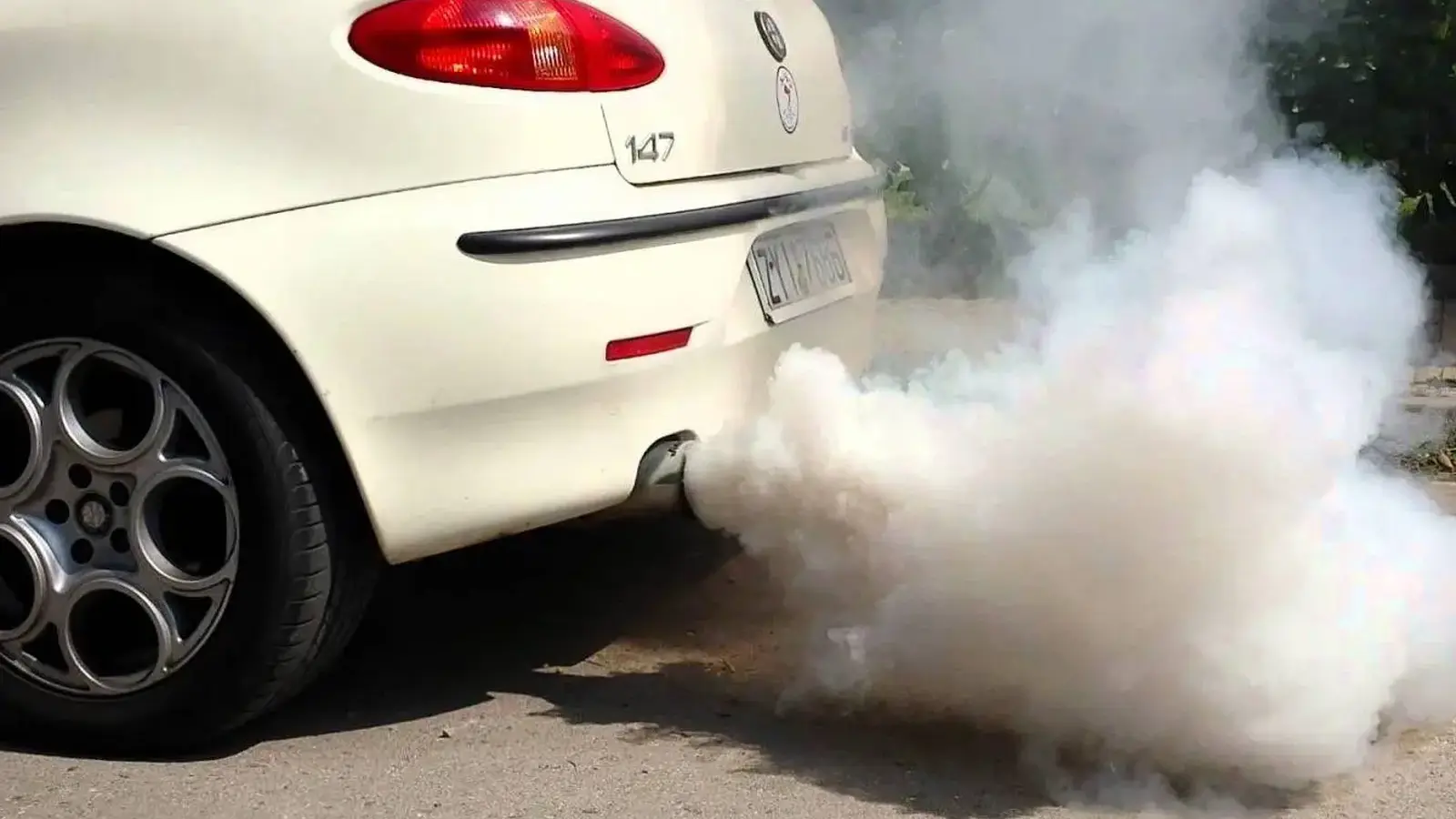
European Parliament negotiators from the EPP, S&D and Renew Europe groups have agreed on new greenhouse gas targets that would allow automakers greater flexibility to continue selling some internal combustion vehicles after 2035. Under the deal, the fleet average carbon dioxide emissions of new passenger cars would need to fall by 87.5 percent by 2035 versus 2021 levels, rather than the outright 100 percent cut that had been the previously stated objective.
The package reduces the 2035 fleet target to 87.5 percent and permits offsetting up to 7.5 percentage points through credits for low‑carbon steel produced within the European Union.
Offsets, fleet averages and interim targets
The framework lets manufacturers count limited environmental credits from the use of low‑carbon steel made in the EU against their CO2 reduction obligations. Those steel credits may cover up to 7.5 percent of a maker's 2035 reduction target, a measure the agreement says will support domestic steel demand while easing the transition for hybrid and combustion models. The allowance is an offset, not a full exemption, and applies to company fleet averages rather than to individual vehicles. In practice, that means automakers must still sell sufficient electric models to balance higher emissions from combustion vehicles within their overall fleets.
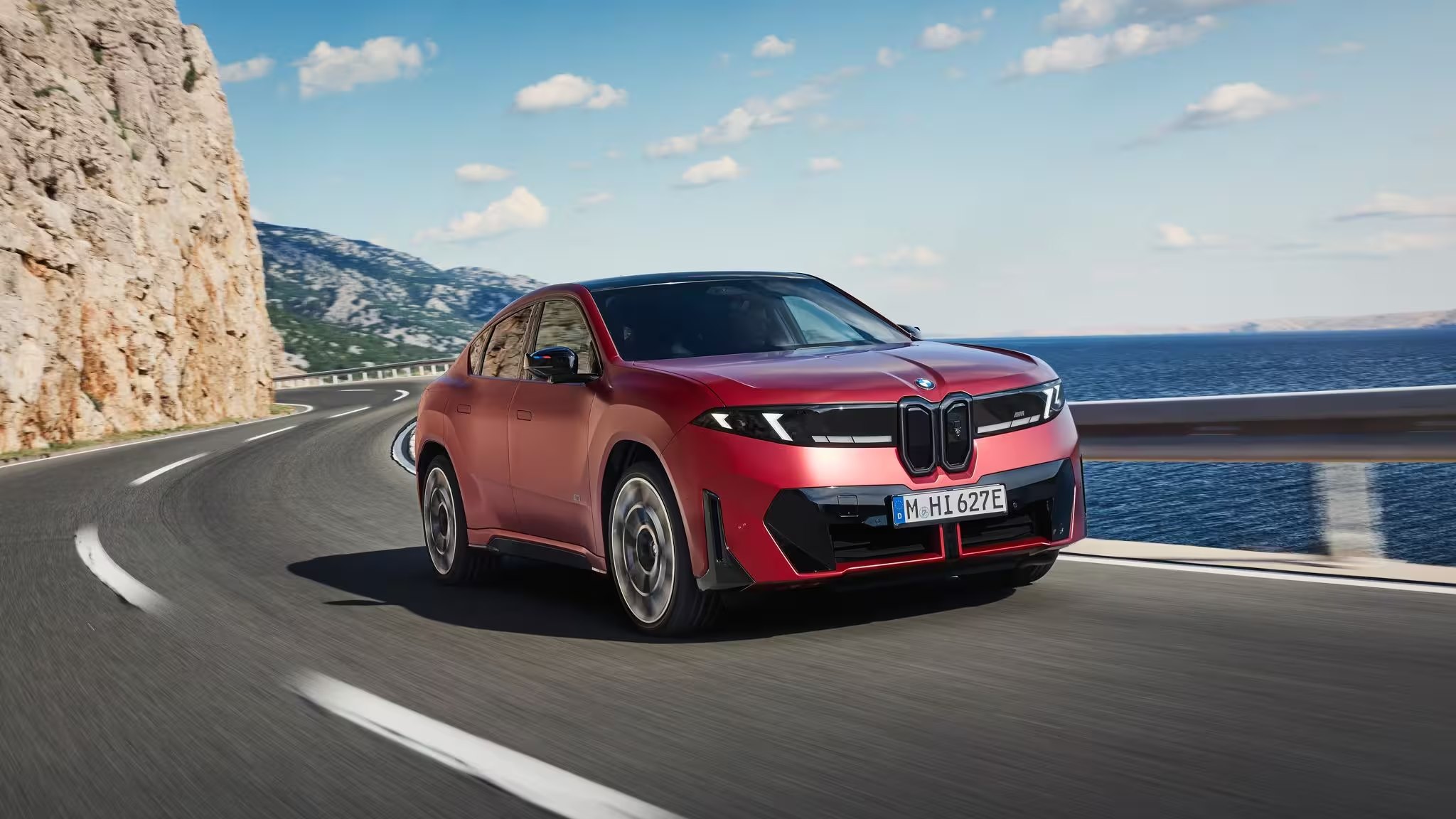
The compromise also fixes interim 2030 targets, with a 55 percent reduction for passenger cars and a 35 percent reduction for vans, both measured against 2021 baselines. The text is milder than a prior Commission proposal, described in the negotiations as a 90 percent reduction initiative linked to 2025 planning, and represents a shift toward flexibility in enforcement.
For the agreement to take legal effect it must still win formal approval in the European Parliament and be finalised in talks with EU member states. Until that legislative process concludes, the 2023 legal commitment to a 100 percent reduction remains the current legal baseline, although the political direction of EU policy has moved toward permitting some room for combustion powertrains beyond 2035.


Leave a Comment
Comments
No comments yet. Be the first.