
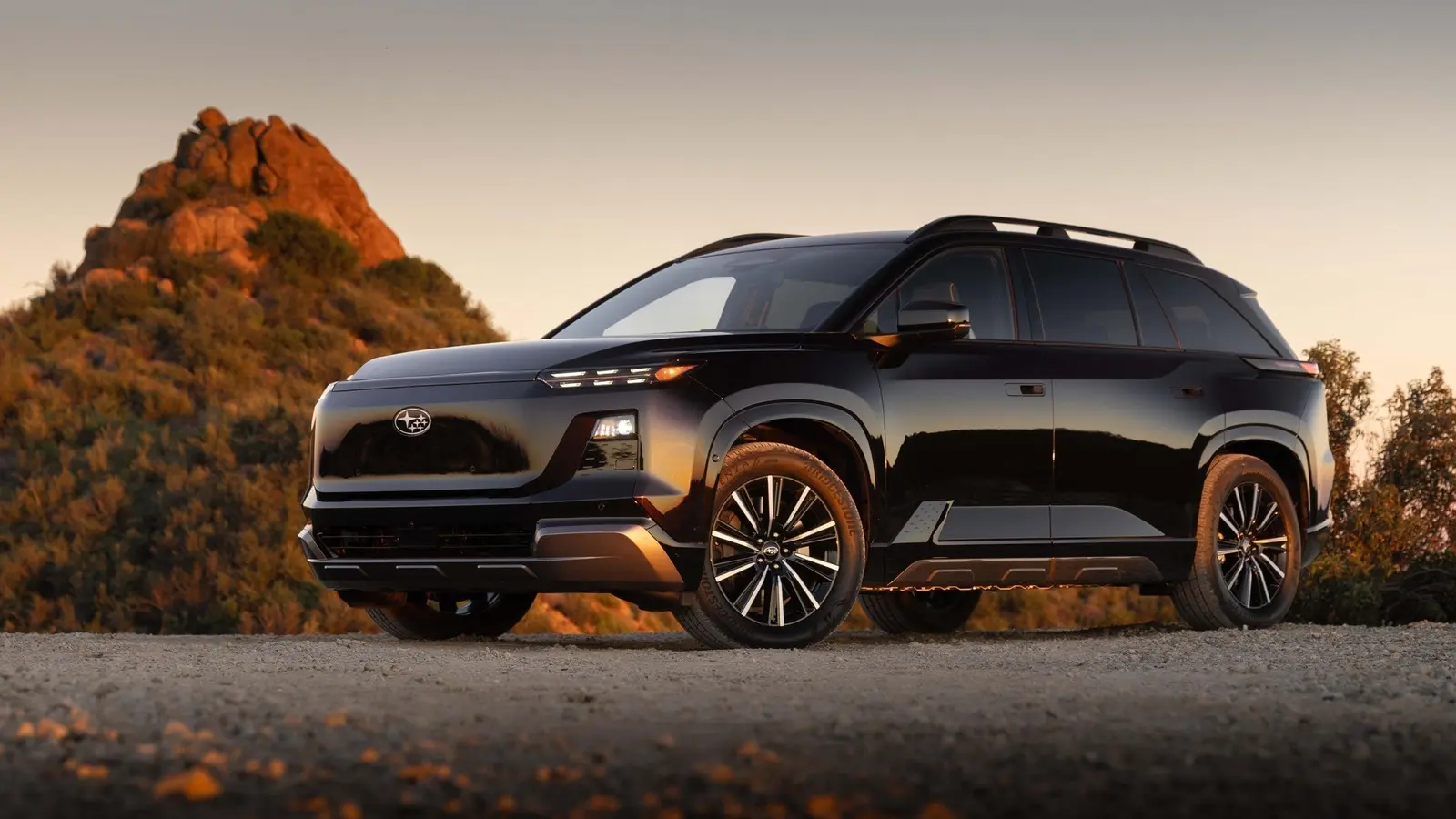
Subaru has built an in-house electric vehicle mule that produces roughly 510 horsepower from a 380-kilowatt drive system and uses Aisin e-axles with Panasonic cylindrical battery cells, Automotive News reports. The test vehicle sits on a completely new platform and is packaged inside a heavily modified Outback body shell.
The core news is that Subaru is moving to an independently developed EV architecture to gain greater control over vehicle design and integration while keeping supplier partnerships intact. Subaru says the mule previews a future production model and that the project provides the company with architectural ownership even as it continues to work with Toyota-linked suppliers.
Powertrain and packaging
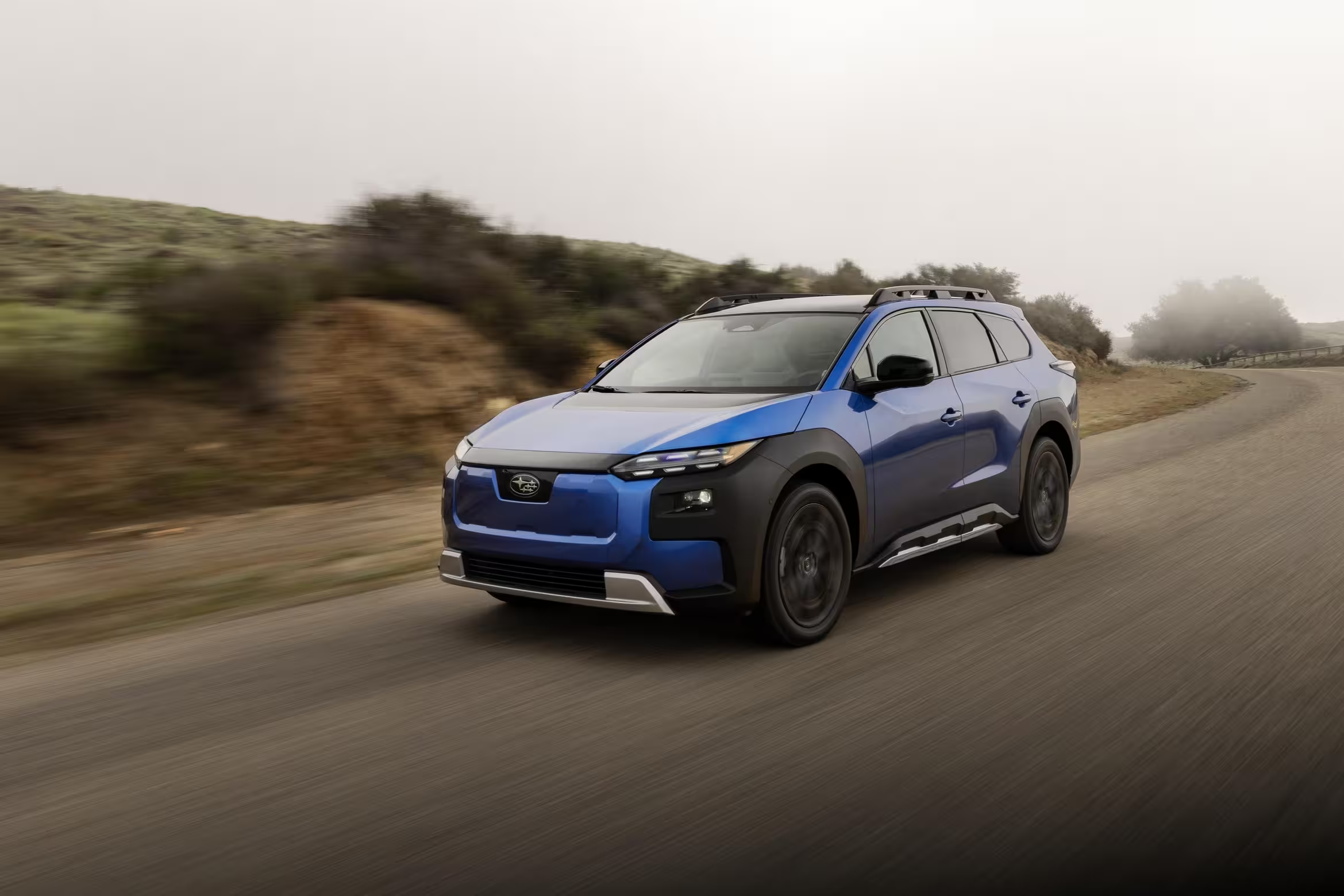
The mule pairs a 150-kilowatt front motor (about 201 horsepower) with a 230-kilowatt rear motor (about 308 horsepower), creating a rear-biased output split. The combined 380-kilowatt system is good for approximately 510 horsepower and the mule manages a sub-four-second 0 to 100 kilometers per hour time in test form. Automotive News notes the mule’s wheelbase exceeds that of the donor Outback, forcing visible body modifications around the wheel openings that are typical of development mules rather than production prototypes.
Engineering executive Takatomo Watamori told reporters that Aisin-supplied drive units were chosen not for brute force alone but to preserve Subaru’s all-wheel-drive characteristics and safety priorities. Aisin, part of Toyota’s group, remains the e-axle partner following the collaboration announced in March 2024, a program described then as joint development and shared production of compact drive units. Subaru has not disclosed the control strategy for torque distribution in detail.
Structure, battery and electronics
Subaru’s mule includes new crash-support members that sweep over the front wheels to direct impact loads, and designers allowed the front motor to rotate under load to absorb collision energy and help protect occupants and the underfloor battery. The company is targeting a mass reduction of about 100 kilograms compared with Toyota’s e-TNGA architecture, which underpins models including the Lexus RZ and Toyota C-HR+.
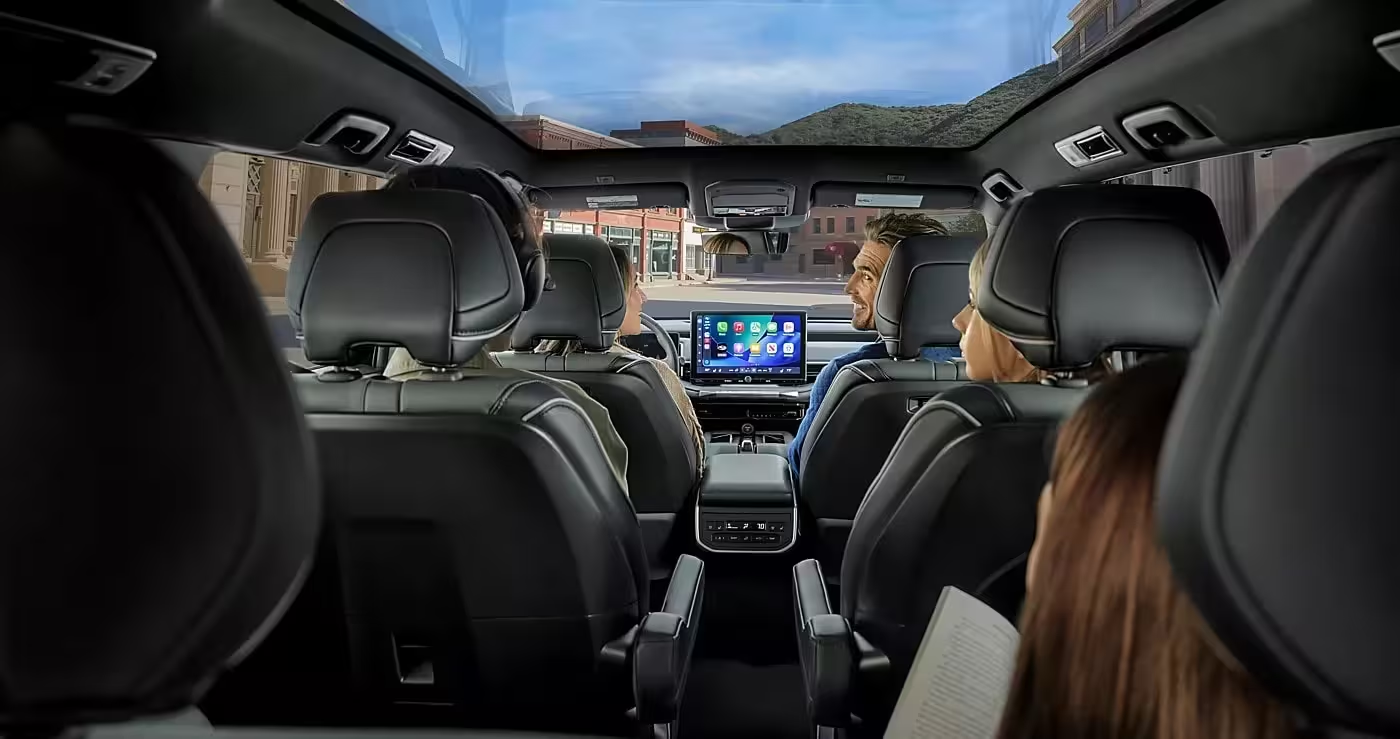
The battery pack is built from nearly 4,000 cylindrical Panasonic cells. Subaru says the pack weighs roughly 25 percent less than e-TNGA packs while targeting an energy density about 20 percent above the industry average. Panasonic’s involvement in the program was also disclosed in March 2024.
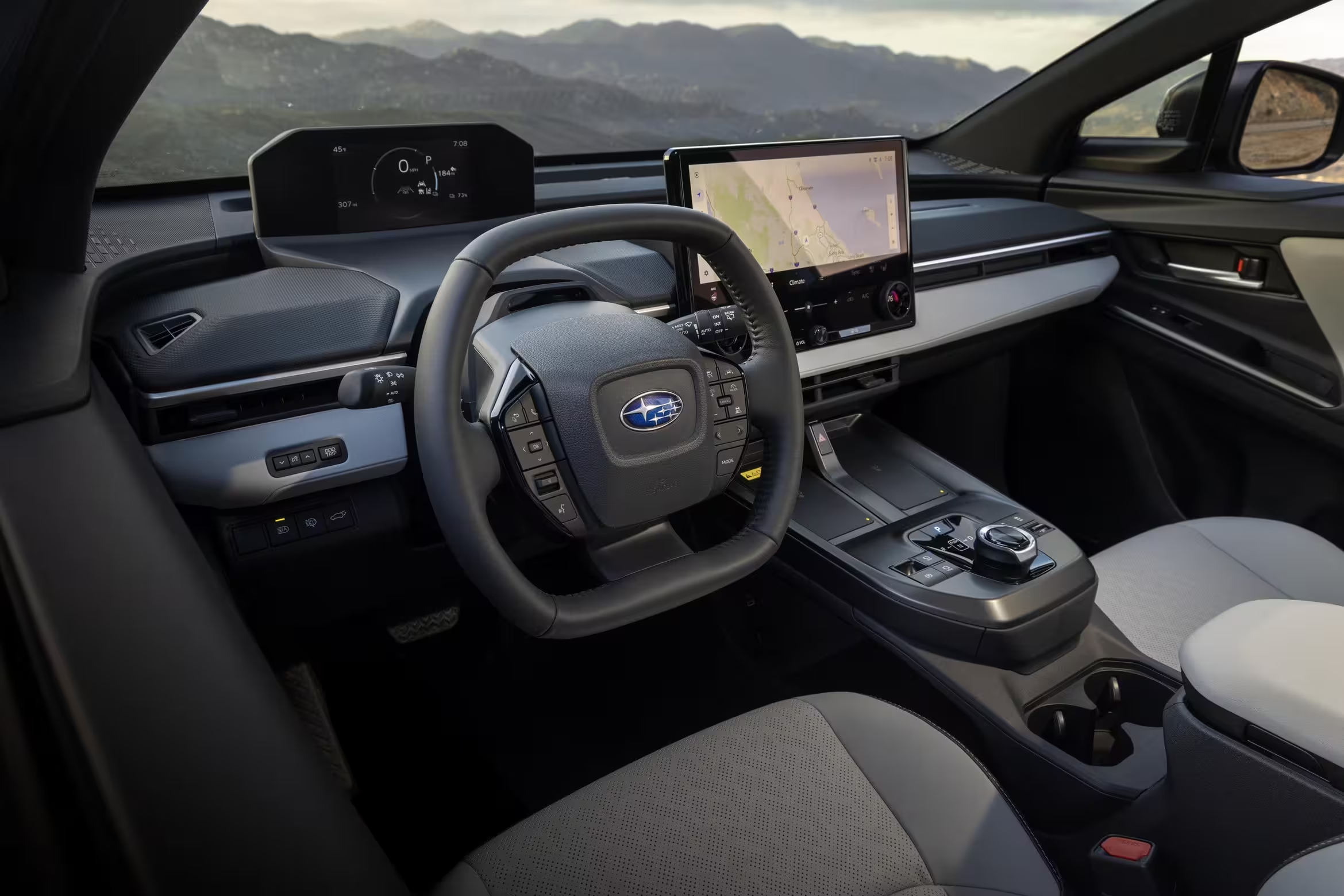
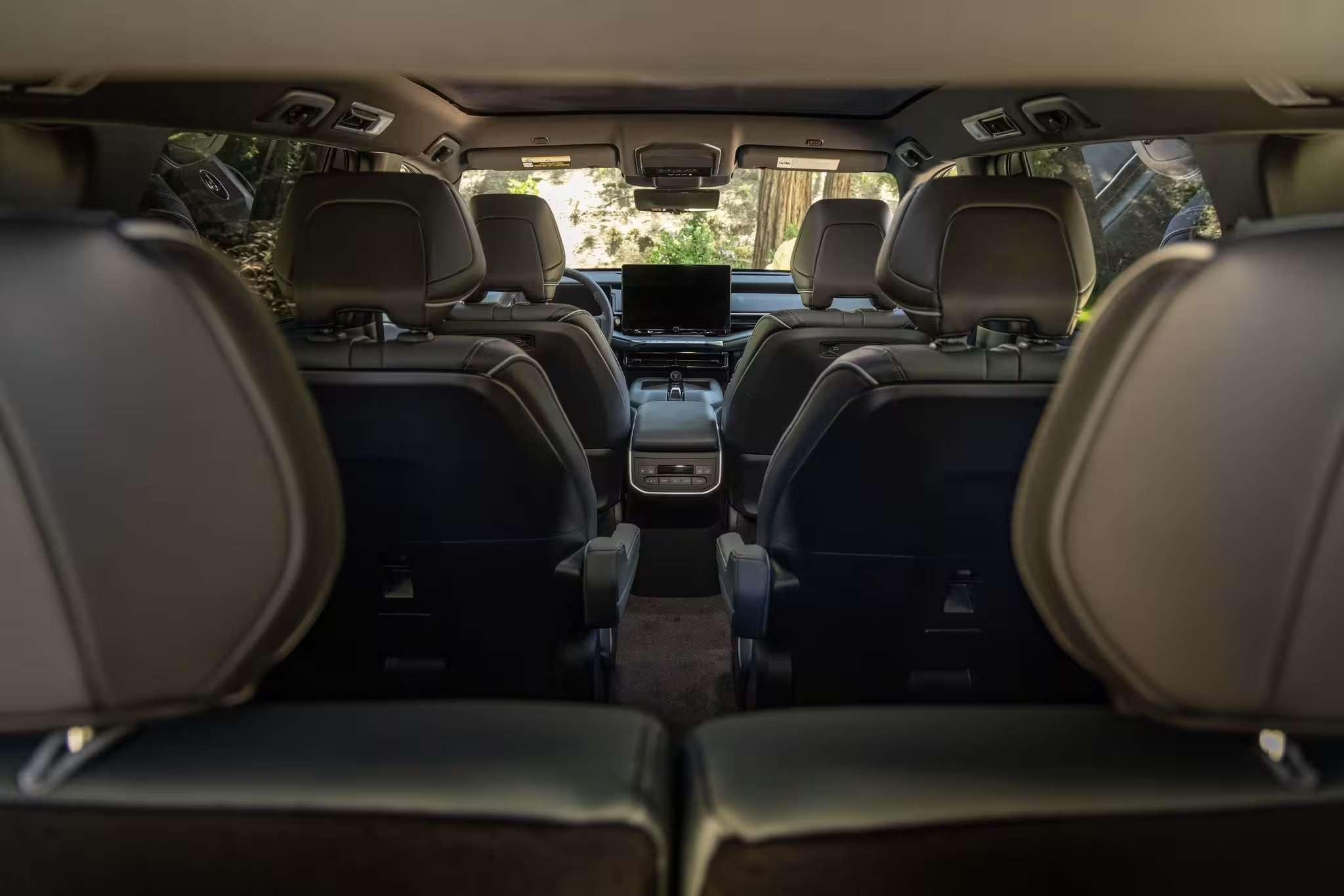
On the electronics side, Automotive News reports Subaru is developing an integrated control unit that combines powertrain, chassis, infotainment and driver assistance functions on a customized AMD system-on-chip with over-the-air update capability. Subaru intends to manufacture these units itself and deploy them across its lineup. The company also confirmed work with Infineon in March 2026 on a microcontroller for the integrated ECU, a program expected to include AI integration into the EyeSight driver-assistance suite.
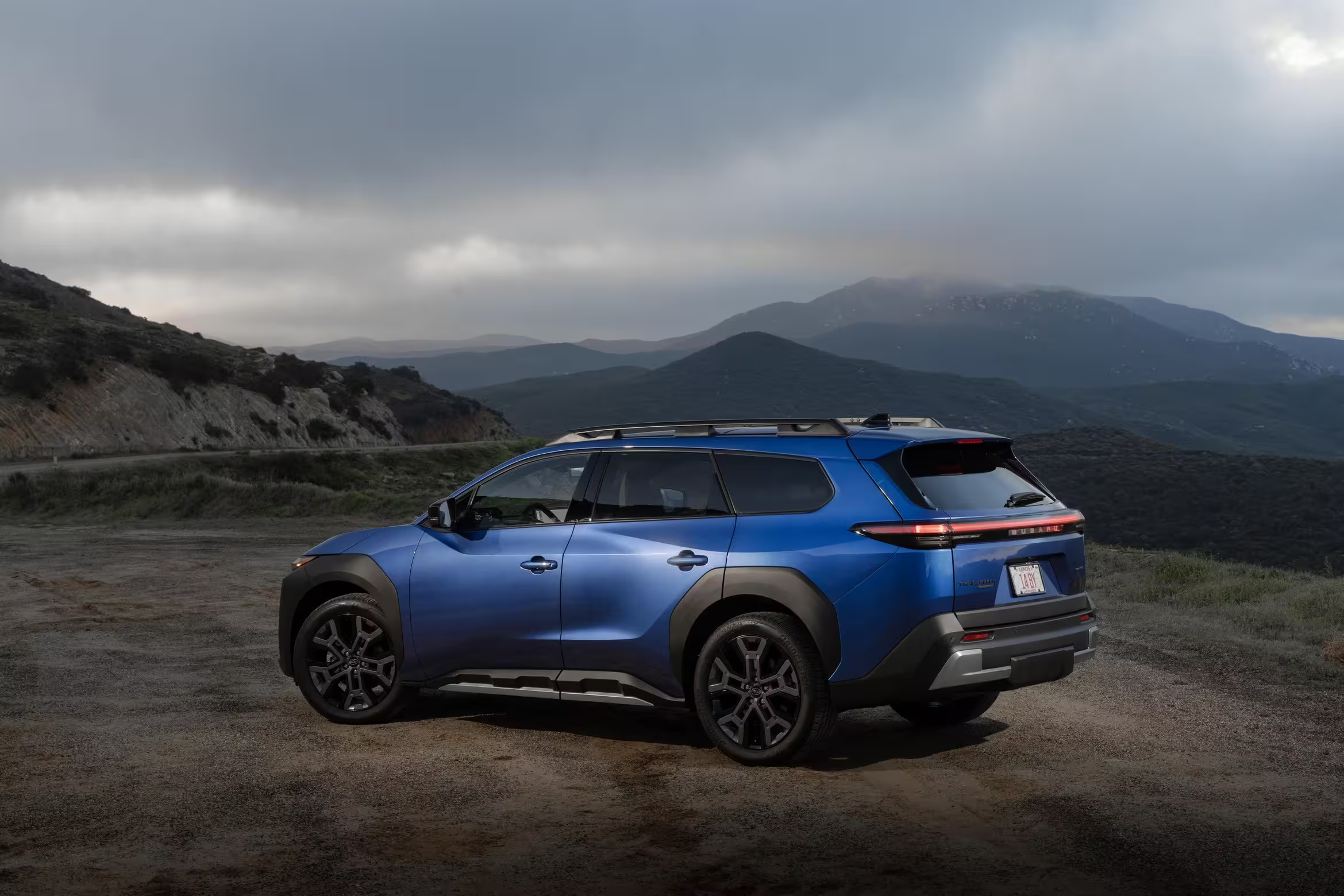
Subaru’s move stops short of ending its relationship with Toyota; the two have already produced four joint models—the Solterra, Uncharted, Trailseeker and Getaway—and the mule’s dimensions appear to fall between the Trailseeker and Getaway. The project signals a deliberate shift toward an independent EV architecture while maintaining established supplier ties.


Leave a Comment
Comments
No comments yet. Be the first.