
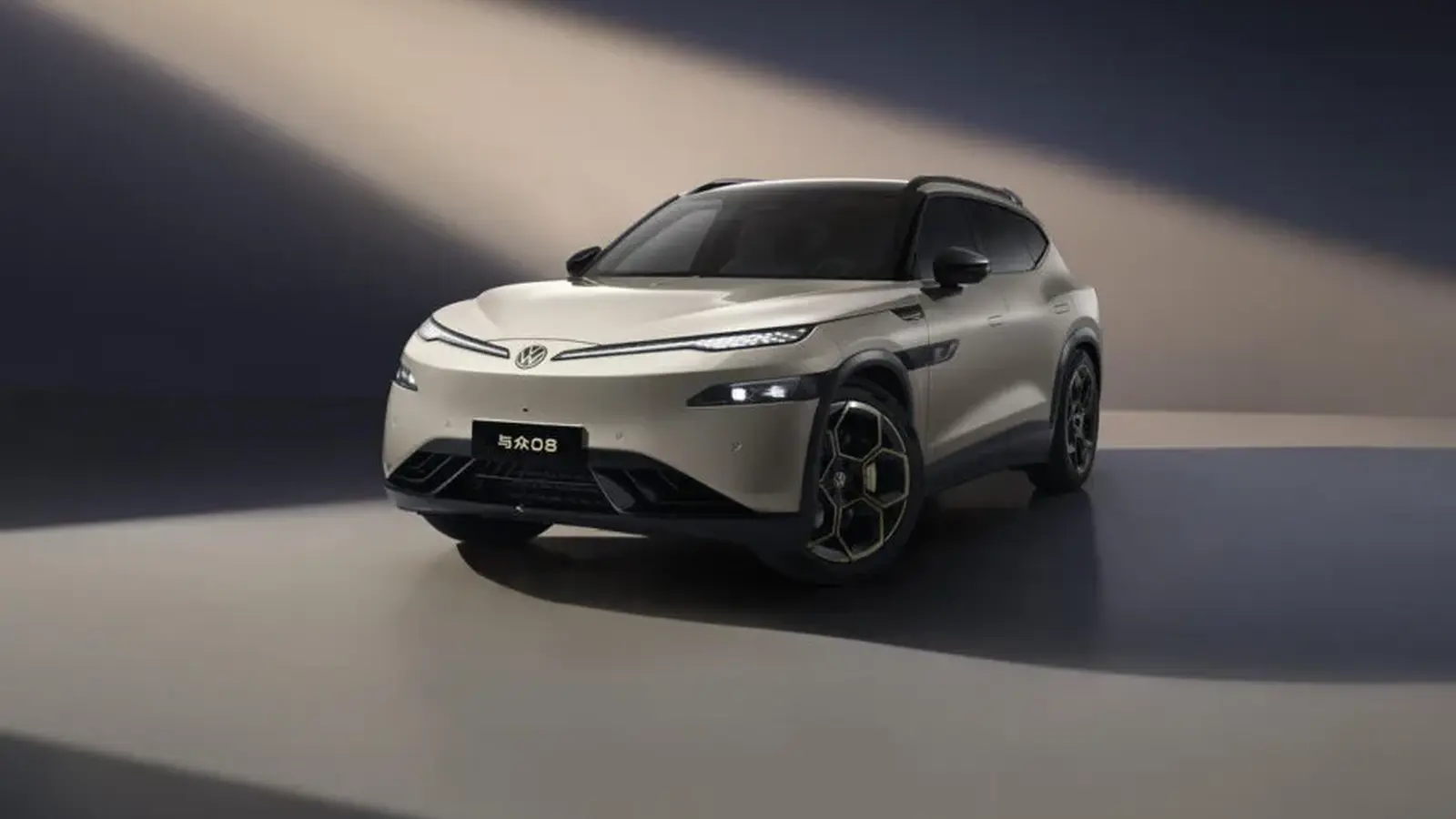
Volkswagen Group is evaluating use of the Xpeng-developed China Electronic Architecture, CEA, in up to 75% of its main Volkswagen, Škoda and Cupra models in Europe, Thomas Schäfer said. Schäfer is CEO of the Volkswagen brand and a member of the Volkswagen Group board.
CEA was developed with Chinese automaker Xpeng and moves vehicle electronics to a zonal, centrally processed architecture. Volkswagen says the design aims to reduce wiring and the number of independent controllers, simplify software development, and lower production and engineering costs.
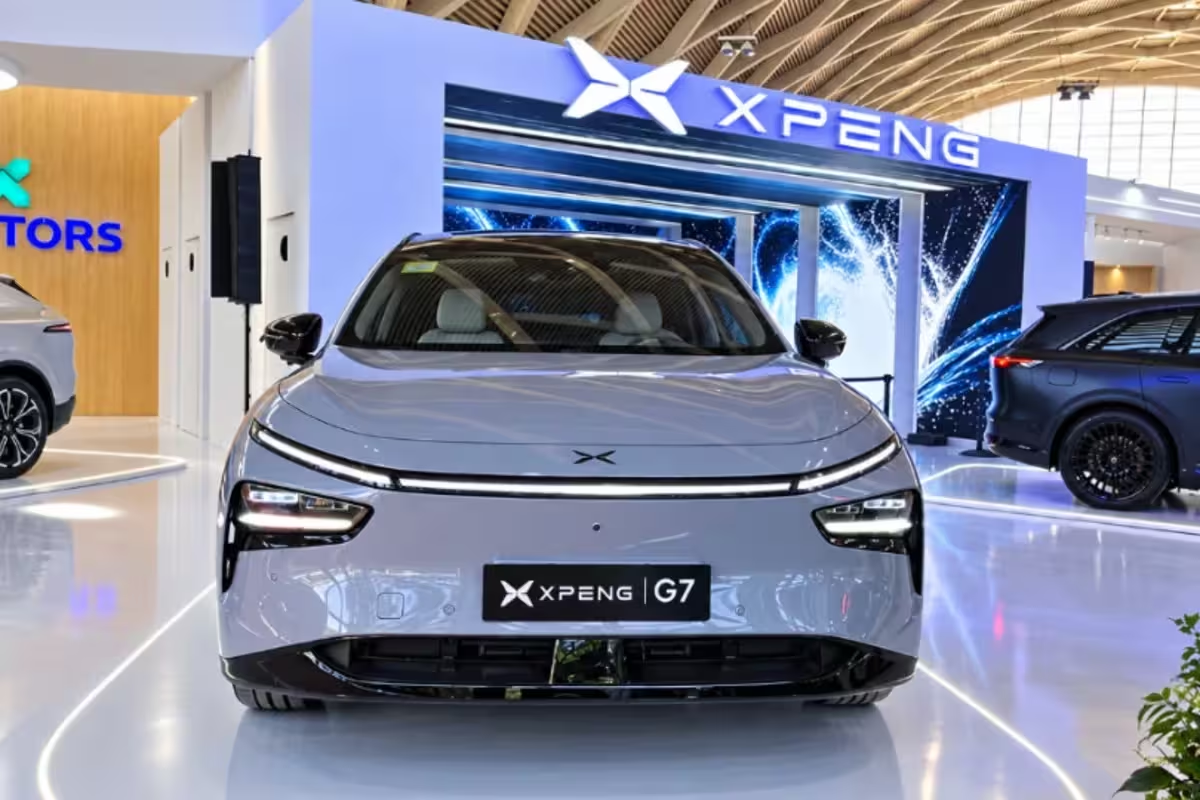
The architecture is designed to work across powertrains and is not limited to battery electric vehicles; Volkswagen notes it can be applied to internal combustion, hybrid and electric models.
CEA is currently targeted at the China market. One early joint product is the electric crossover ID. Unyx 08, developed with Xpeng.
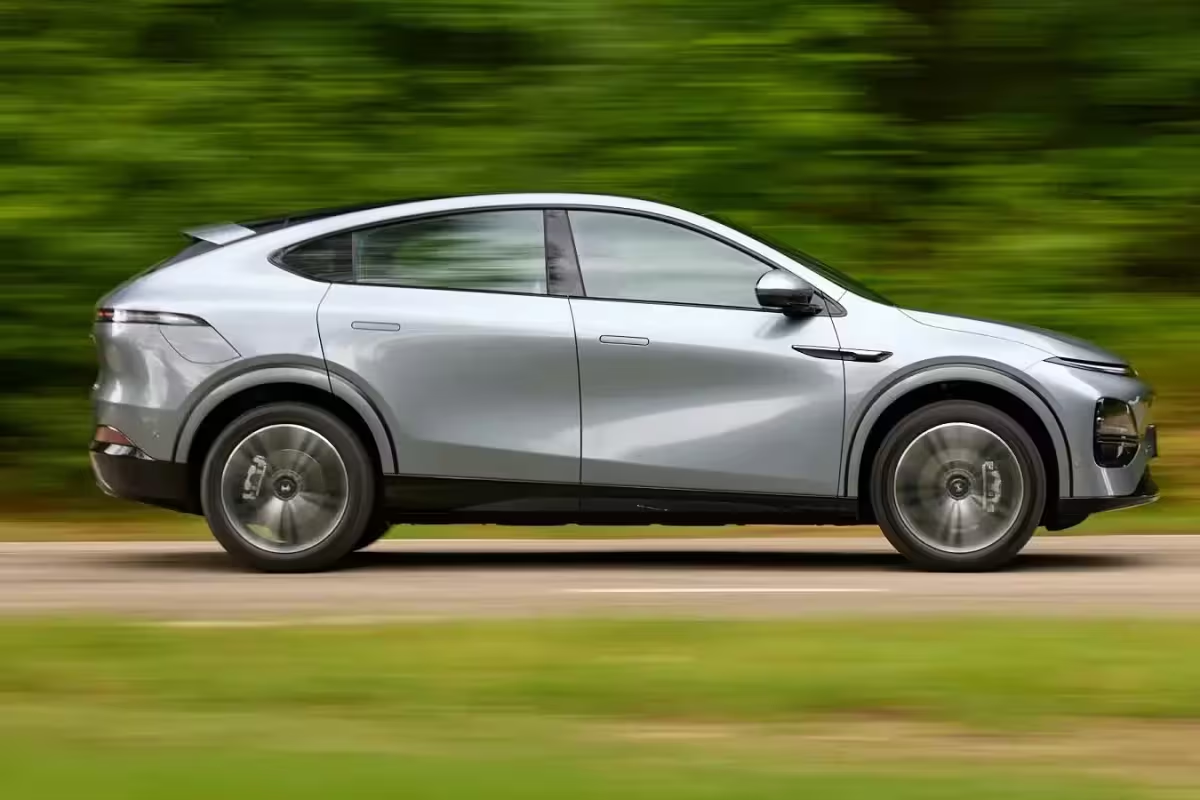
Separately, Volkswagen is developing a western-market electronic architecture, RVT, with Rivian. The first production vehicle planned for RVT is the final version of the ID. Every1, the low-cost electric model intended to succeed the Up; Volkswagen expects a production reveal at the Munich motor show in 2027, though timing is not final.
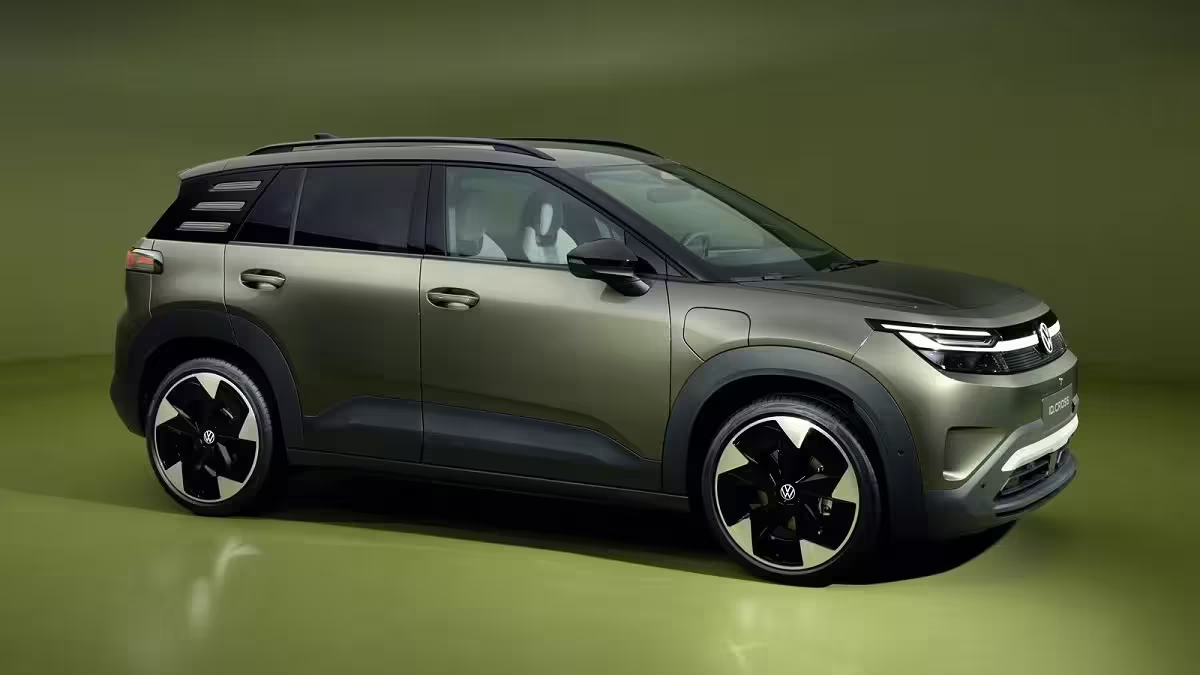
If Volkswagen approves wider use of CEA in Europe, the company will need to define how responsibilities and deployments are split between CEA and RVT.
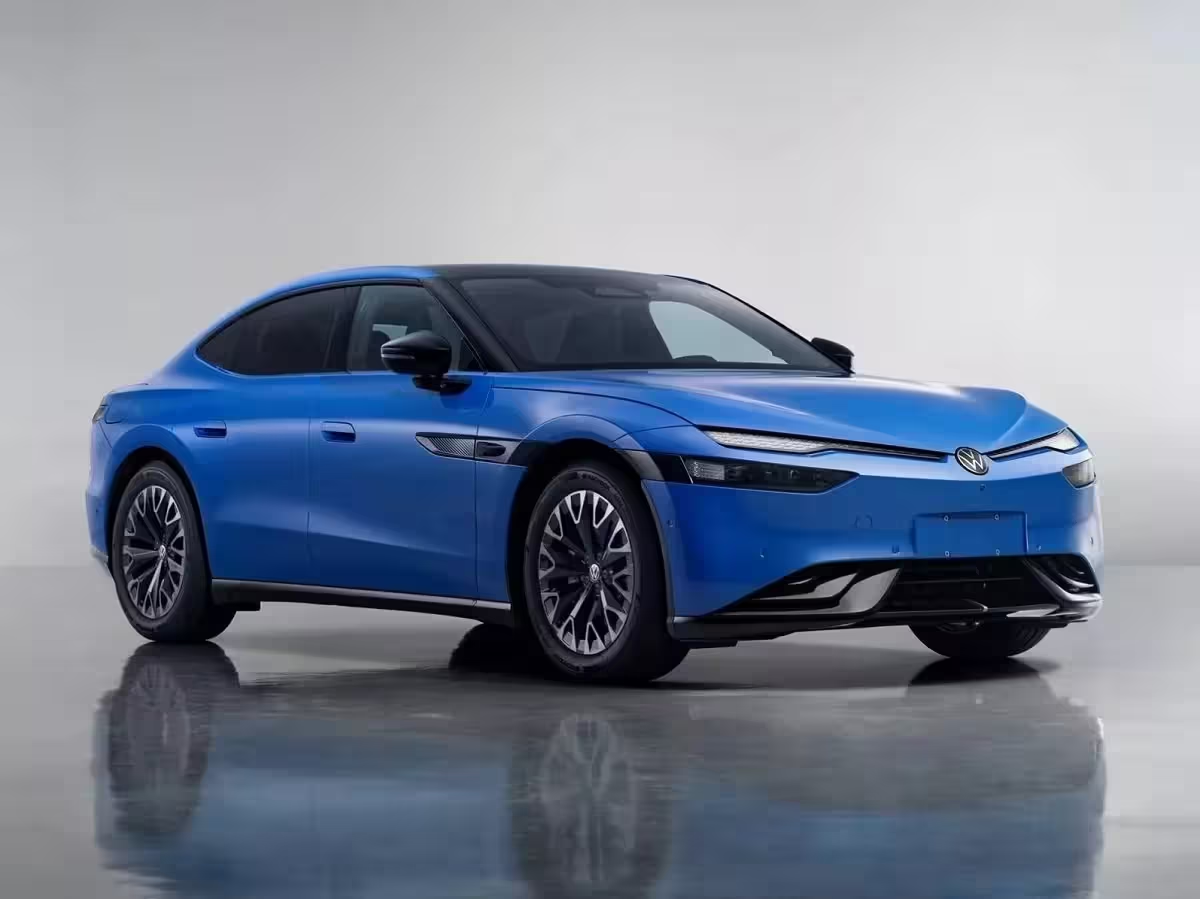
Volkswagen warns adapting CEA for Europe will require alignment with European technical, legal and regulatory requirements, a process that could increase development costs. Using a single global architecture could also affect vehicle cost structures in China; alternatively, market-specific variants would preserve flexibility but reduce standardisation benefits.
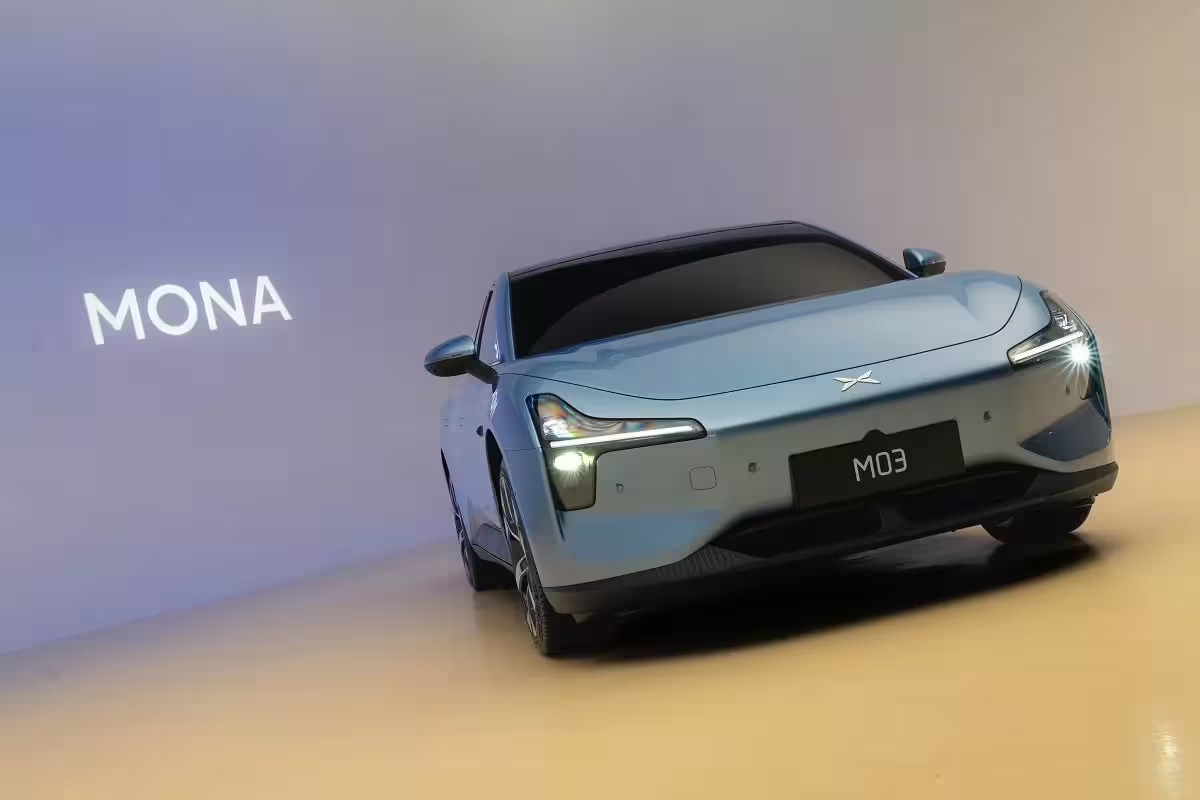
Schäfer stressed the decision is not final and that Volkswagen is assessing the most economic approach to deploy multiple architectures. The 75% figure applies to principal models under review in Europe and does not mean 75% of the Group's global production would use CEA.


Leave a Comment
Comments
No comments yet. Be the first.