
More than a year after Nissan paused the R35 GT-R, reports now point to a clear direction for its successor: the R36 will not be an all-electric model. Multiple industry sources and a report from roughly six months ago indicate the next-generation GT-R will retain an internal combustion engine, augmented by electric assistance.
According to those reports, Nissan intends to pair a V6 powerplant, likely twin-turbocharged, with hybrid technology rather than pursuing a pure EV architecture. Observers say the company is weighing a self-charging hybrid arrangement over a plug-in solution, though Nissan has not confirmed the final configuration.
Rumors about timing remain mixed. Some insiders expect an official unveiling before the end of the decade, while others suggest the reveal could be a few years away. Nissan appears to be keeping development tightly under wraps, which helps explain the contradictory details circulating in the press.
Early chatter had pointed to an all-electric GT-R, a proposal that prompted pushback from a portion of the car's enthusiast base and contributed to Nissan revisiting its strategy. The shift toward a V6-hybrid package reflects both those customer reactions and the uneven demand for EVs across global markets.
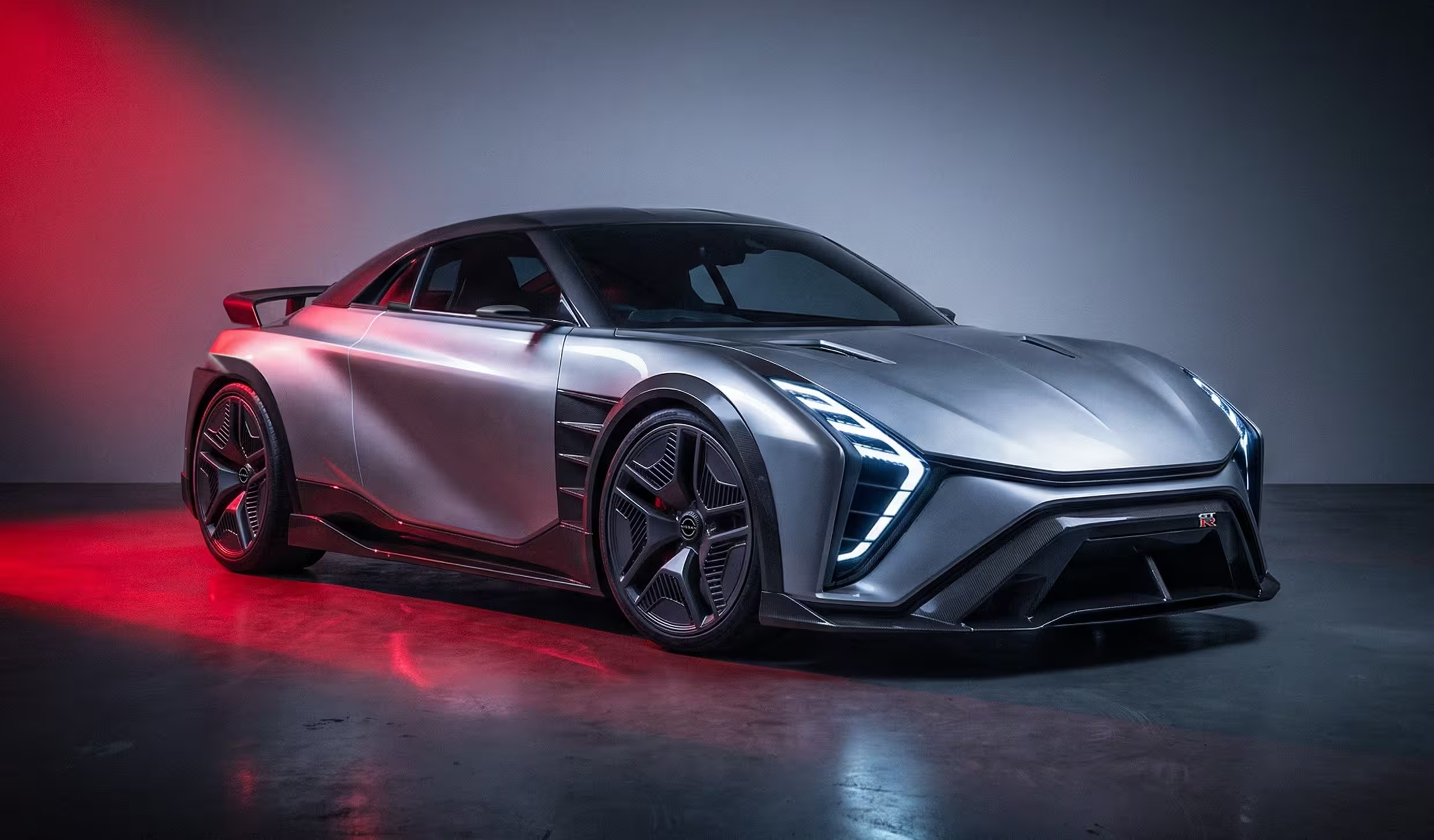
Design cues for the R36 are likewise the subject of speculation. Nissan's Hyper Force Concept, shown roughly three years ago, is widely cited as an influence. The concept featured a canopy-like silhouette, cameras instead of traditional mirrors, an assertive rear wing, a pronounced diffuser, extensive carbon-fiber bodywork, and electric all-wheel drive. It also reportedly used a solid-state battery capable of delivering up to one megawatt of power, the equivalent of about 1,340 brake horsepower (1,360 ps).
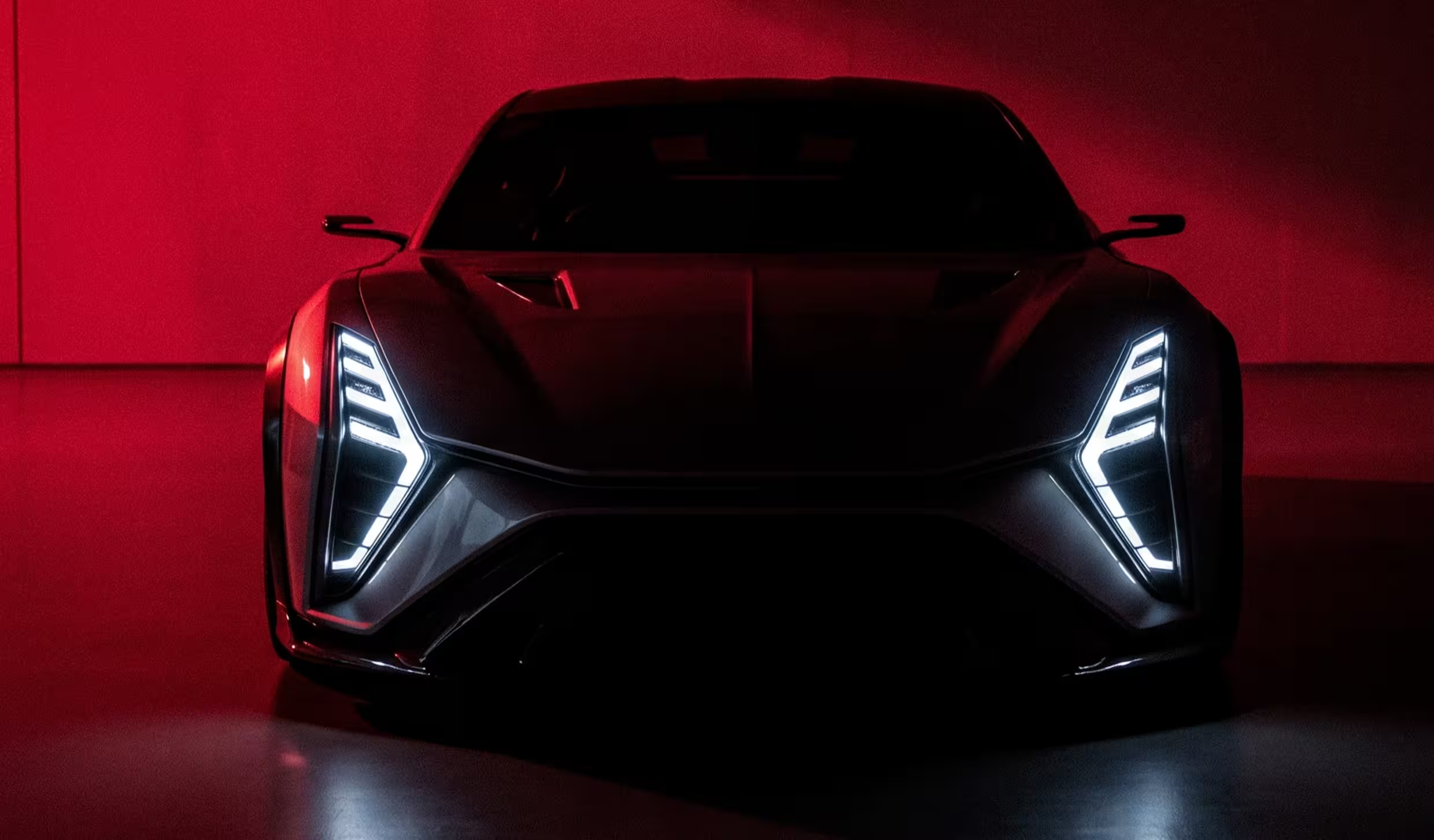
Not everyone embraced the Hyper Force styling, and insiders say any production GT-R will be toned down considerably. That said, the concept demonstrated technical possibilities and a design direction Nissan can adapt for series production while meeting regulatory and usability requirements.
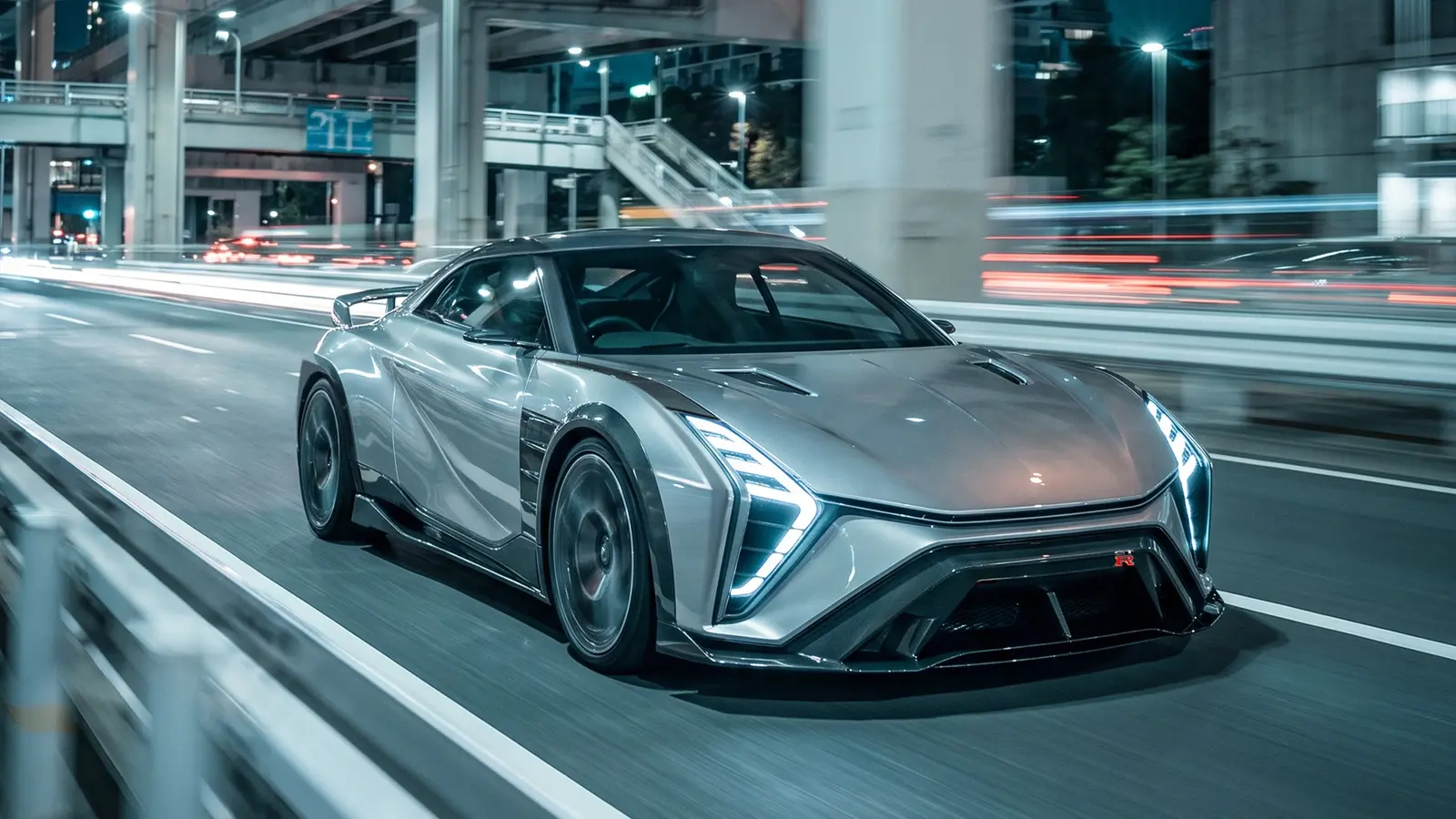
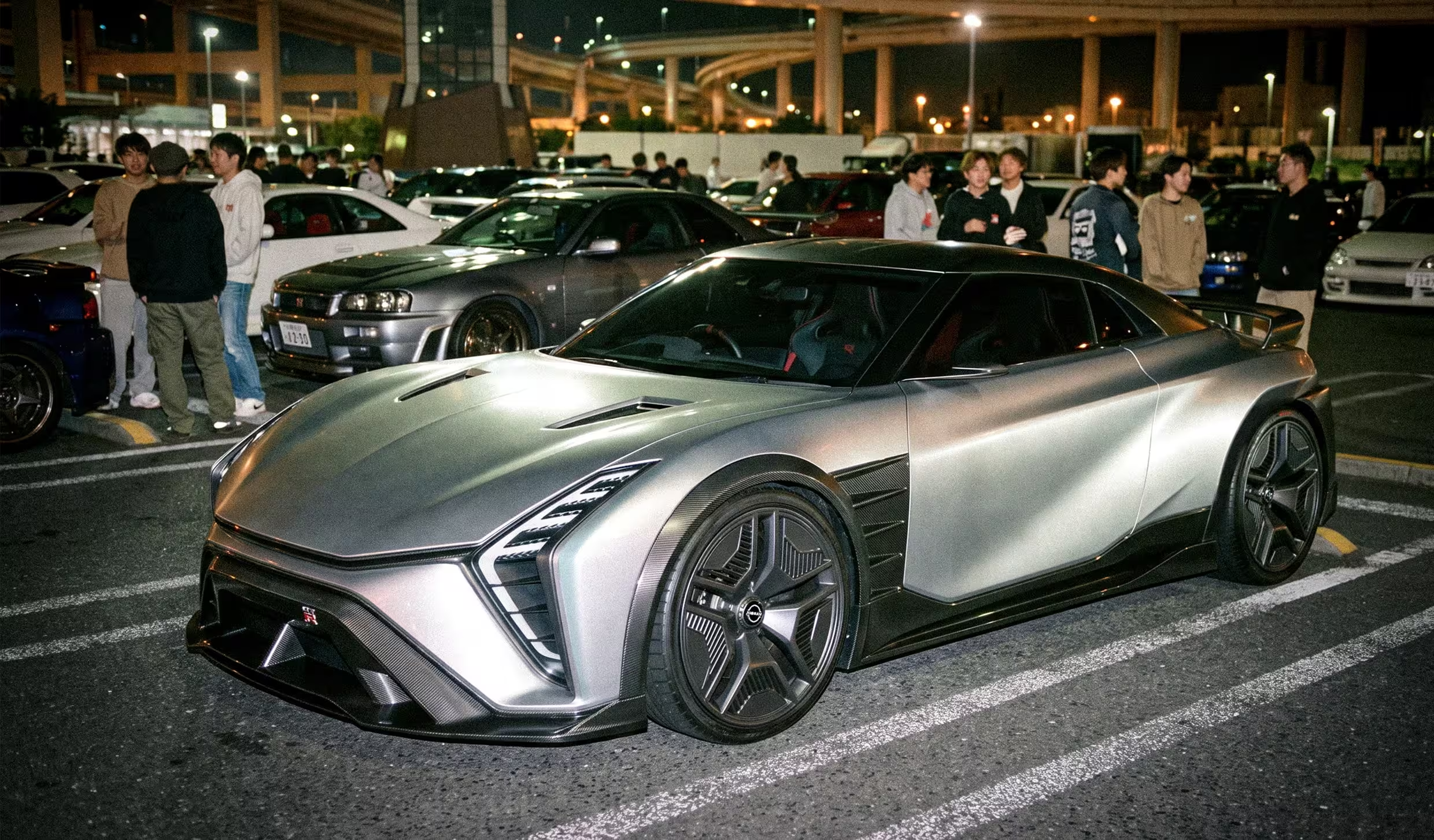
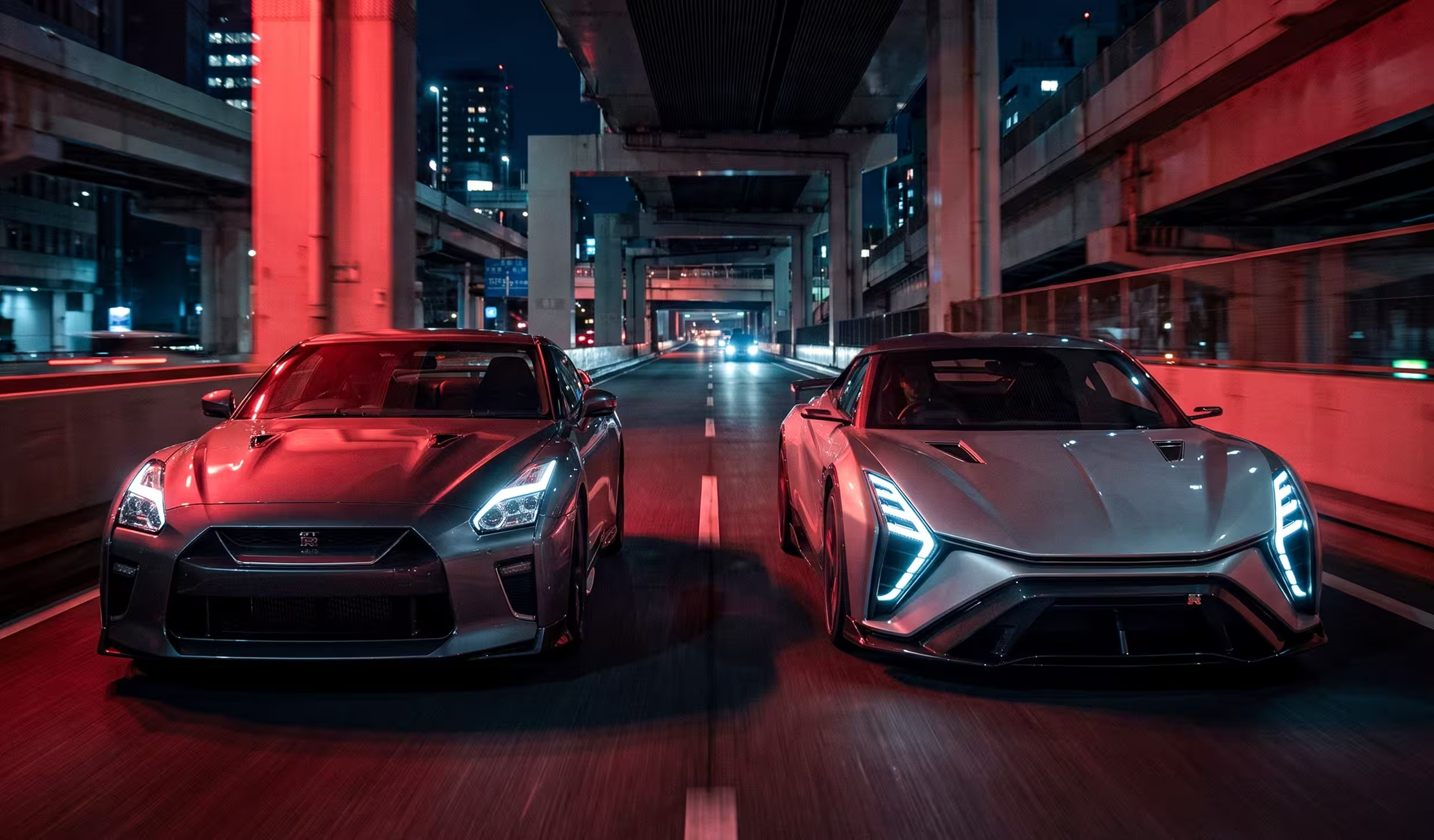
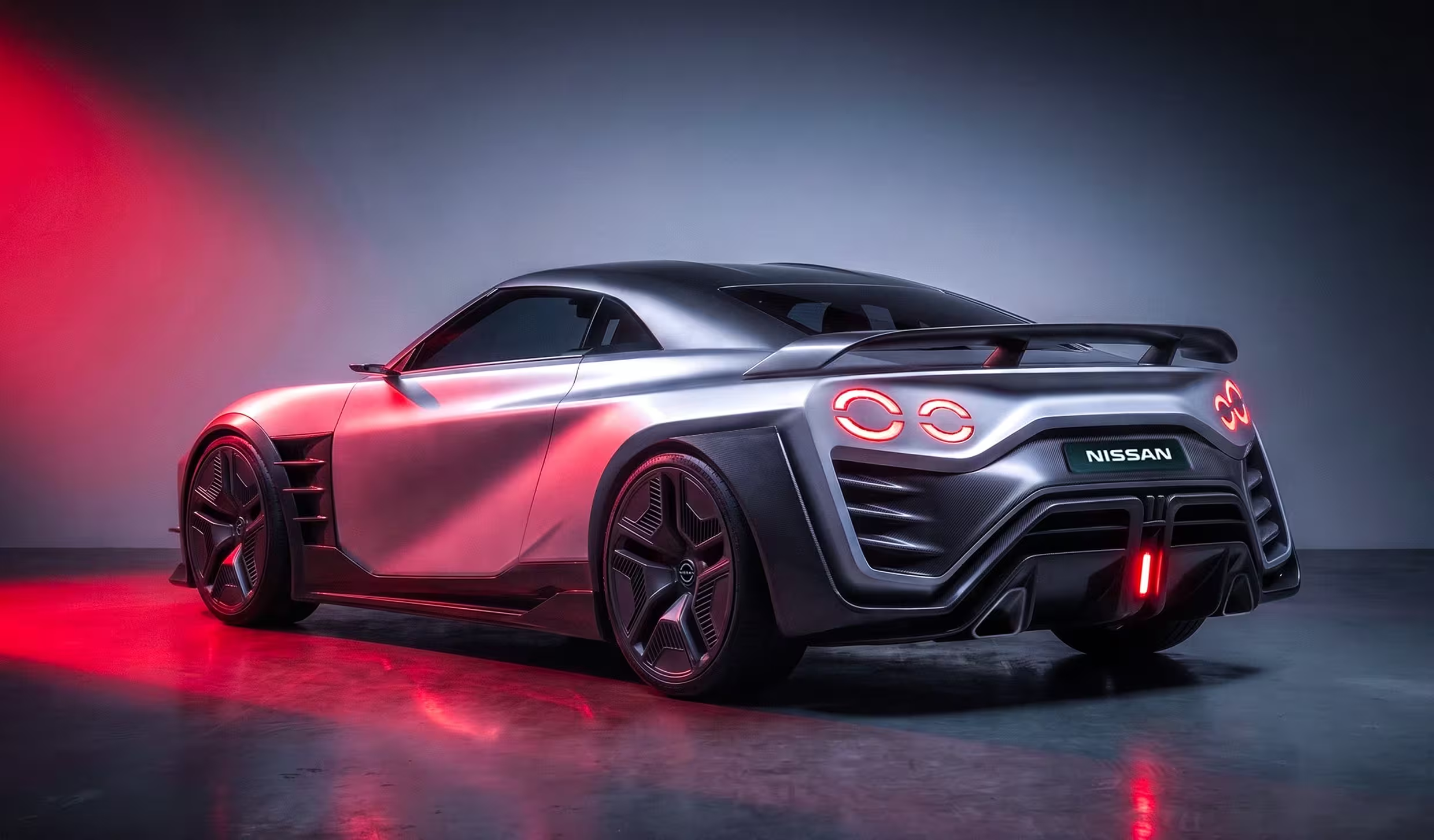
Separately, an independent CGI rendering circulating on Instagram under the handle @paolomariagaravaglia has been labeled an R36 GT-R concept. The image borrows certain GT-R signifiers, most notably taillight elements that recall the R35, but its proportions and front-end treatment prompted many observers to compare it more to contemporary designs from other manufacturers.
Those who have commented on the rendering note details such as a compact footprint, a roofline that evokes other Euro models, rear bumper shapes that recall rival supercars, and wheels loosely inspired by the Hyper Force study. The render is an interesting visual exercise, but there is no evidence it reflects Nissan's production intent.
Nissan has not published technical specifications or confirmed styling for the R36. The available public information—industry reports, the Hyper Force Concept's published figures, and independent renderings—frames expectations: a GT-R that keeps a combustion engine at its core while using electrification to boost performance and reduce emissions.
The Instagram rendering was posted by @paolomariagaravaglia, and Nissan has so far declined to release definitive design or powertrain details.


Leave a Comment
Comments
No comments yet. Be the first.