
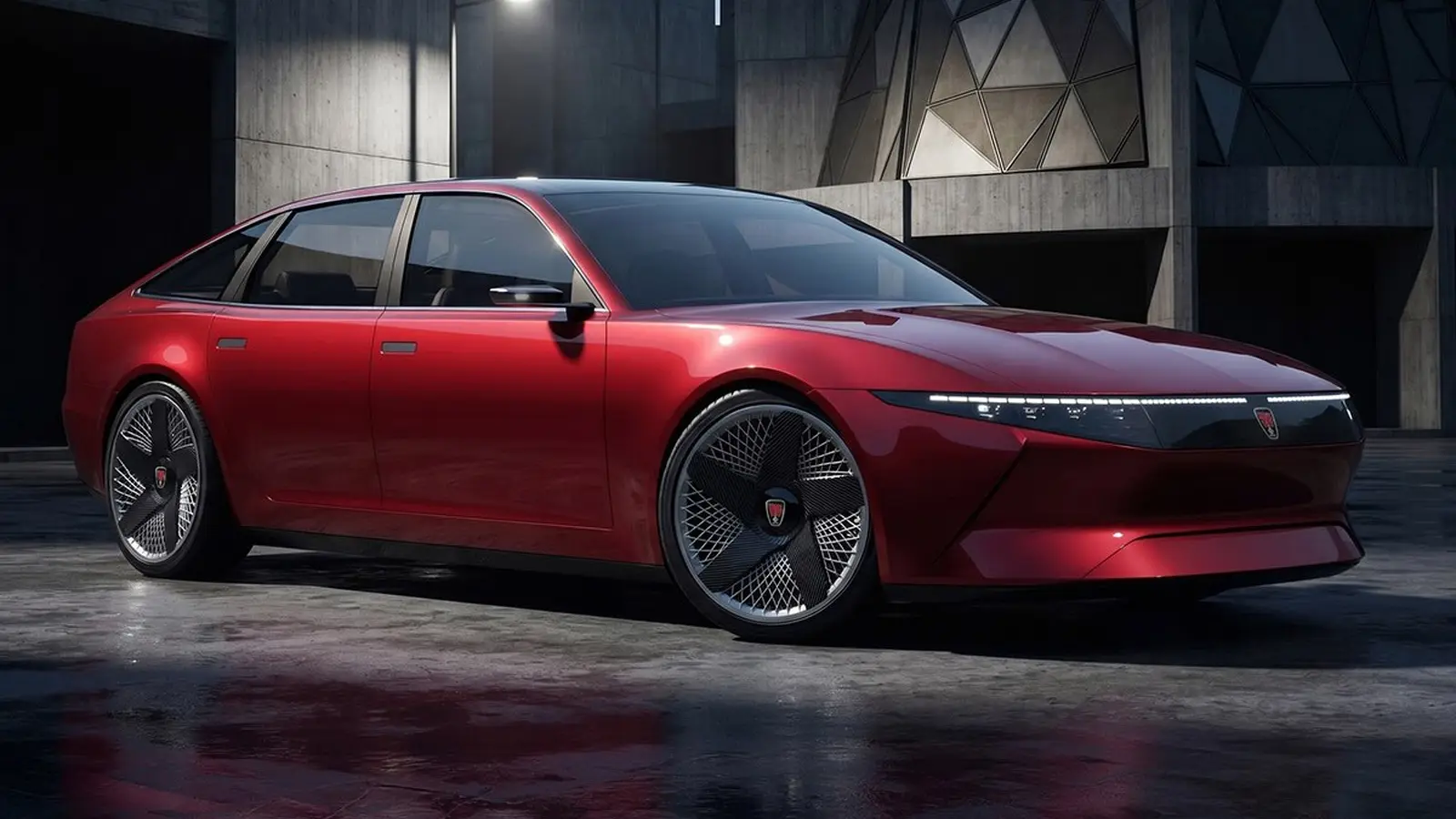
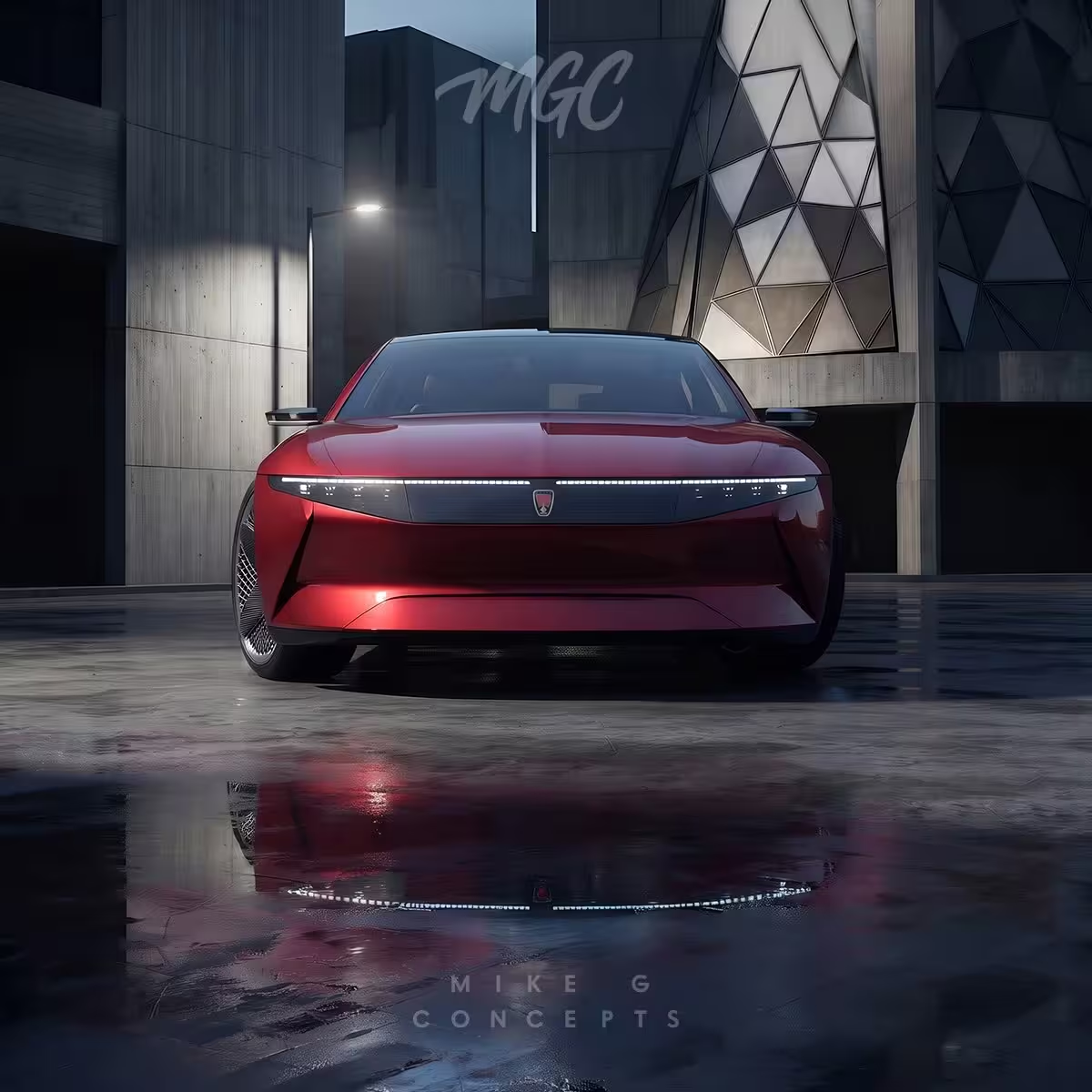
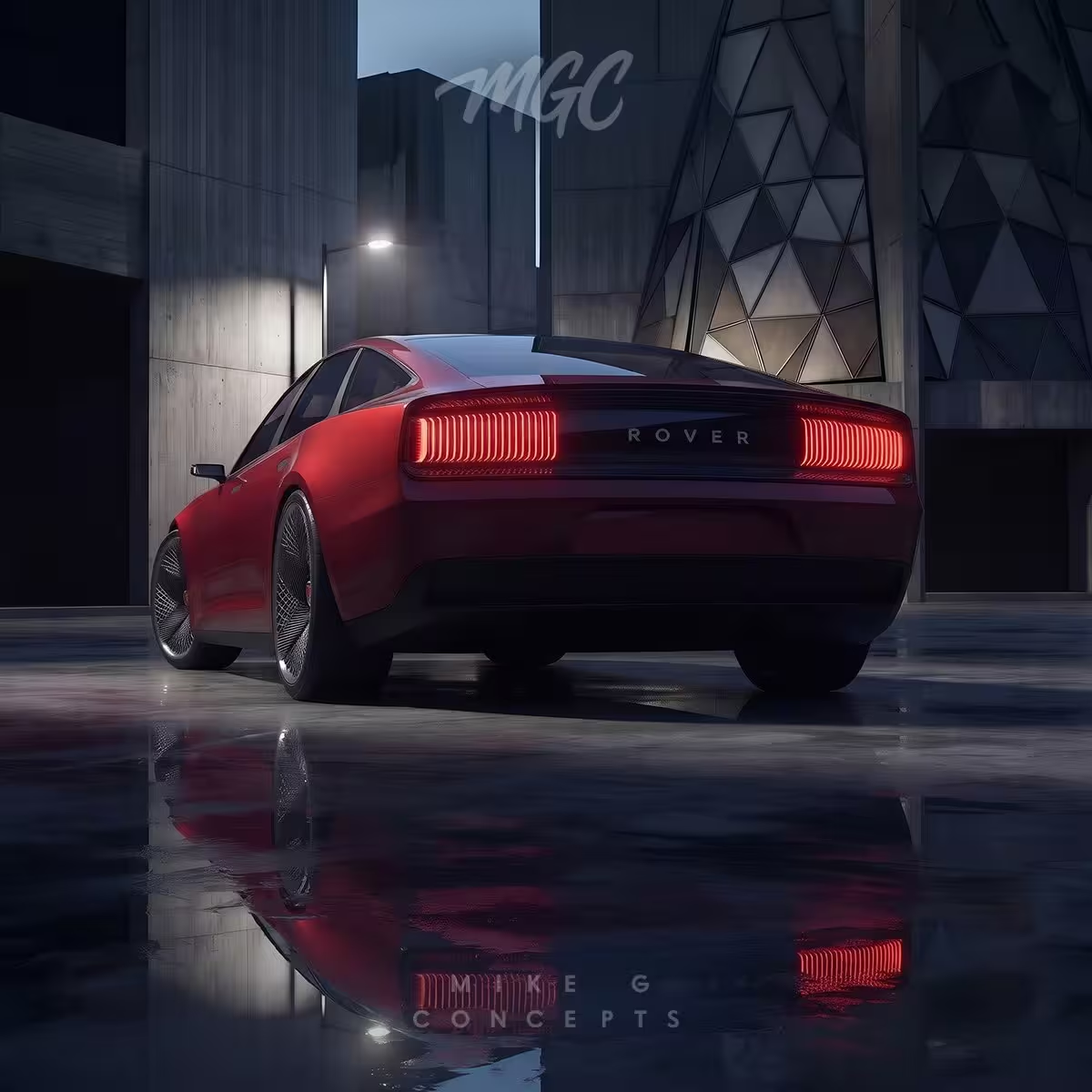
Mike G., the leader of the mike.g.concepts design studio, has reworked the defunct Rover marque into a modern CGI concept that pairs the SD1's original fastback silhouette with contemporary electric-car cues. The unofficial rendering has attracted attention for its faithful nods to the late 1970s design language and for imagining the SD1 as a high-performance electric fastback.
The project arrives as Jaguar Land Rover is actively reshaping its own line-up: Jaguar's Type 01 all-electric fastback has moved the marque toward a new performance limousine category, while Land Rover continues to expand its electrified offerings with all-electric Range Rover and Range Rover Sport models and a previewed Range Rover GT. The Range Rover GT, described by the company as a sleeker, grand tourer-style addition, is expected to replace both the Range Rover Evoque and Velar as the Range Rover series shifts further upscale.
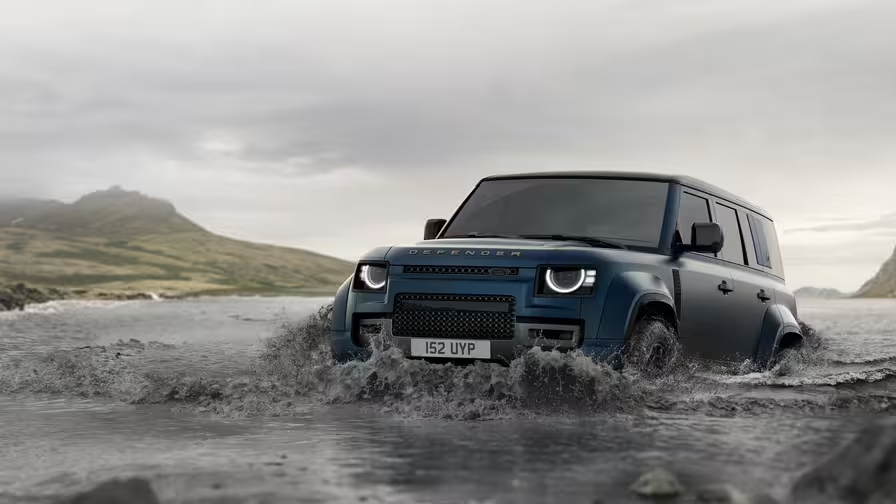
Land Rover's activity extends beyond new-badged EVs. Its Land Rover Classic division has revisited traditional Defender 90 and 110 models that predate the modern L663 generation, fitting an upgraded chassis, suspension, brakes, and a 405-hp V8 to create bespoke reinterpretations. The company also has a manufacturing agreement with Stellantis to build Land Rovers in the United States, a move observers say will expand production options.
A digital resurrection
Against that backdrop of official reinvention, Mike G.'s studio issued a personal, speculative vision of how Rover's passenger-car heritage might look if brought into the EV era. The designer, who describes his studio as "fueled by adrenaline and innovation," told followers that he considers Rover's 1970s design language "timeless."
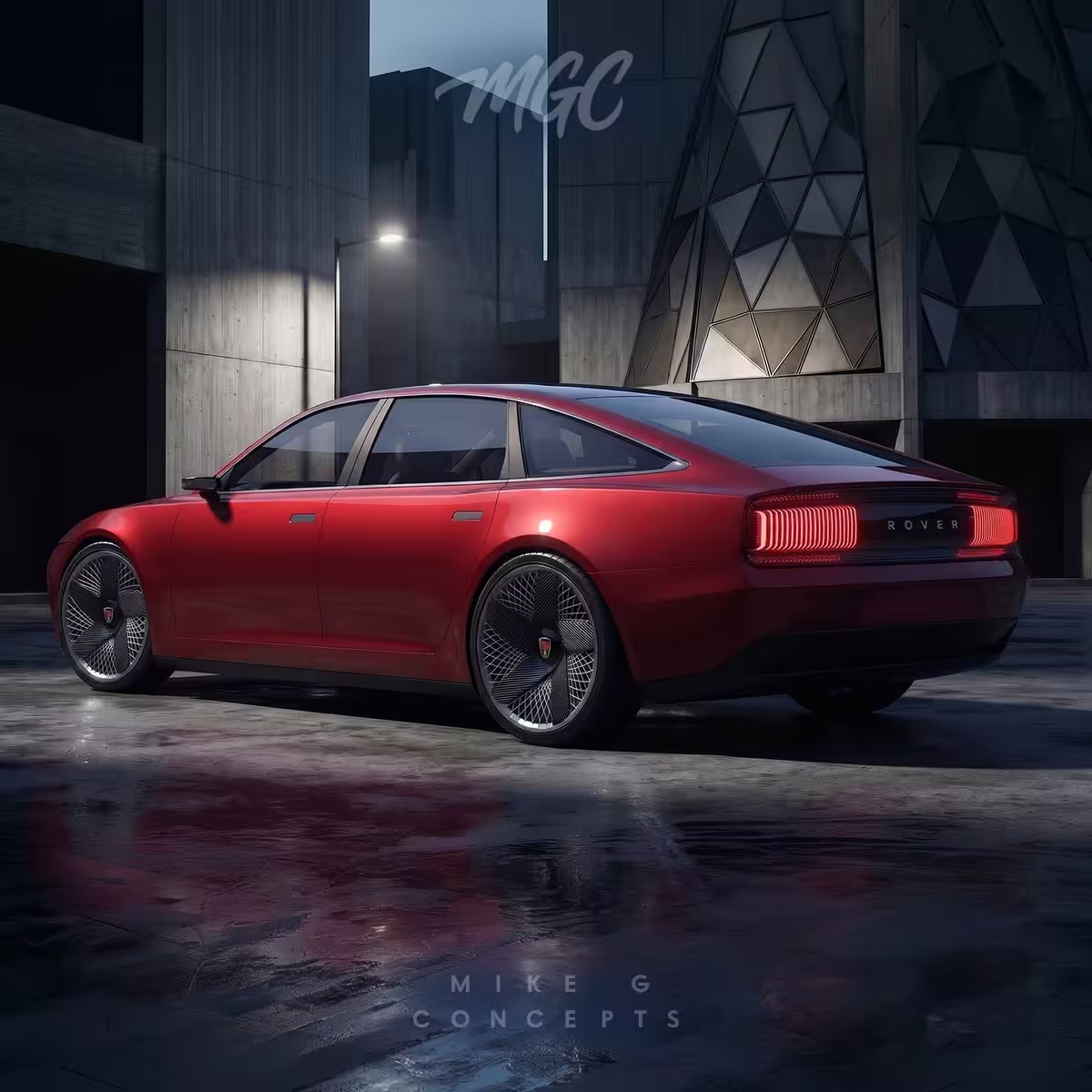
In his own words, "the boldest and most innovative creation they ever made was the unforgettable SD1." The CGI project preserves the SD1's long, sculpted fastback while updating the surfaces, lighting elements, and proportions to suggest modern aerodynamics and packaging for battery electric powertrains. Mike G. frames the concept as "pairing its avant-garde fastback styling with a clean, high-performance electric powertrain," adding that "some legends deserve a second chapter."
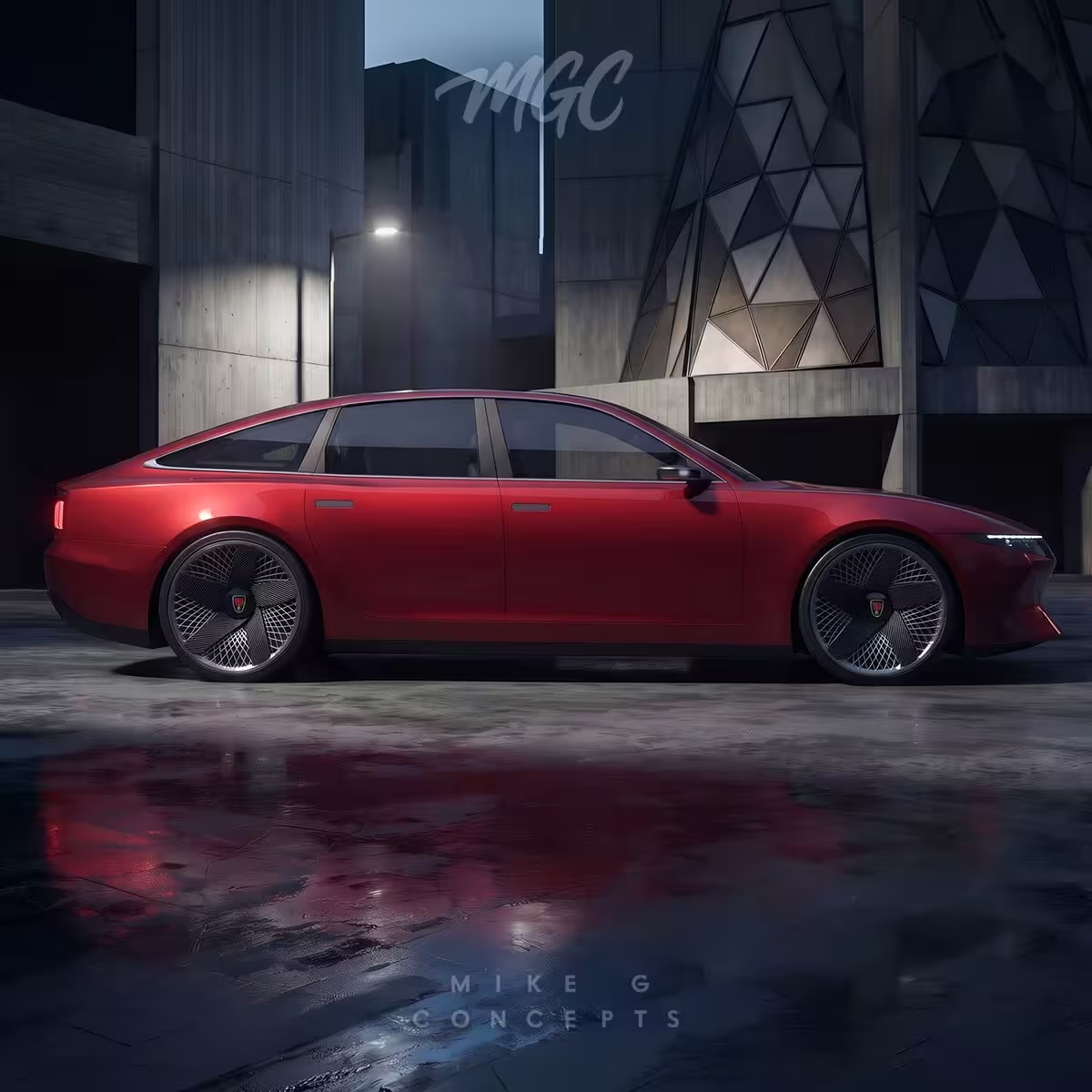
The image remains an unofficial, hypothetical exercise rather than a production proposal; Mike G. is a digital artist, not a representative of any manufacturer. Still, the rendering highlights how historical design cues can be interpreted for today’s EV market and feeds a wider conversation about how dormant marques might be reimagined.
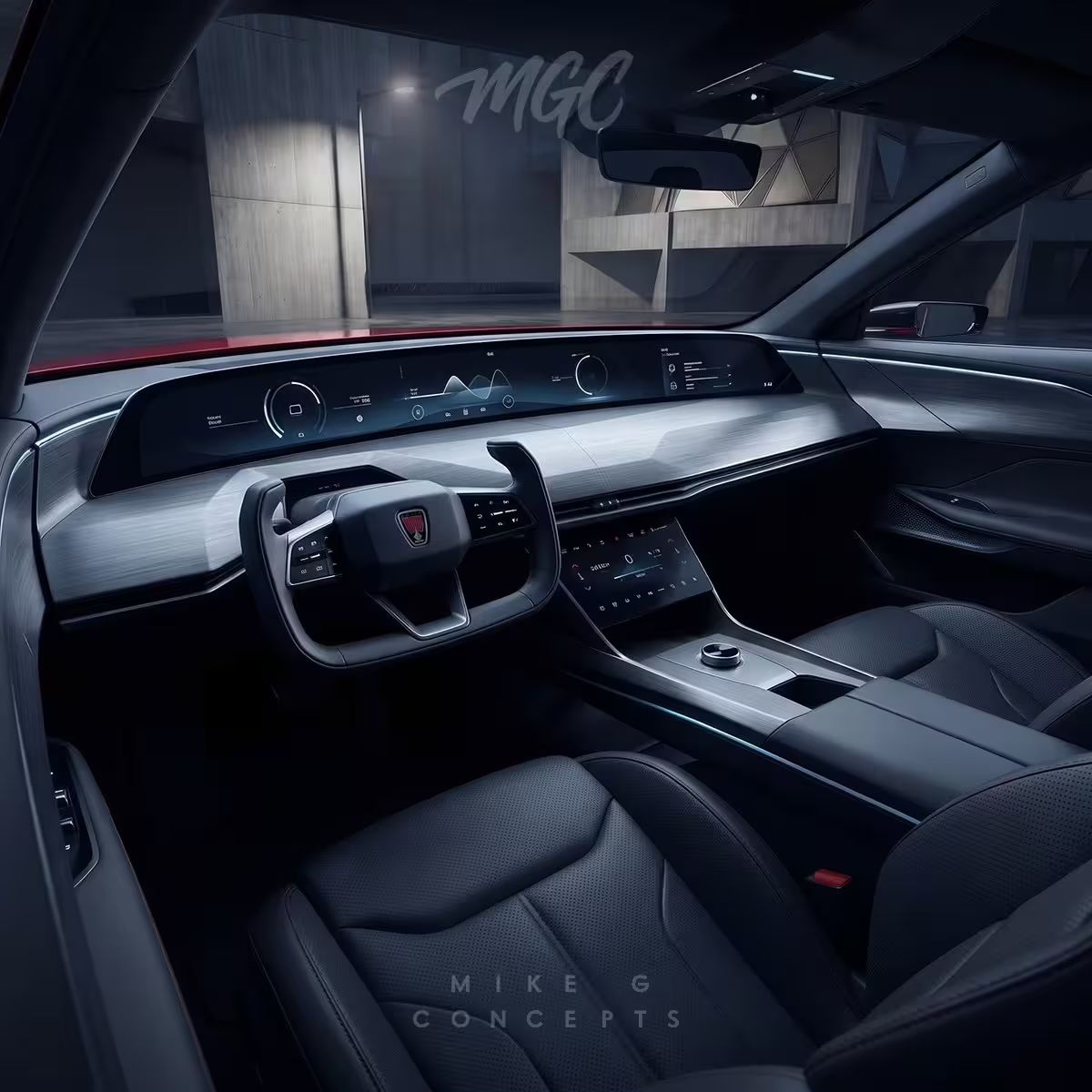
Rover, which had multiple owners over its history including the Rover Company, Leyland Motors, British Leyland, the Rover Group, BMW, and JLR since 2013, ceased operations in 2005. The SD1 itself was produced by British Leyland under the Rover nameplate from 1976 until 1986.

Leave a Comment
Comments
No comments yet. Be the first.