
Stablecoins moving from transfers to everyday spending
Stablecoins have already become a core part of the crypto economy, enabling fast cross-border transfers, value preservation in volatile markets, and a digital-dollar experience for people who may not use traditional bank accounts. But as useful as stablecoins are for moving money, a meaningful next step is making them practical for routine purchases—paying for groceries, subscriptions, travel, and other everyday commerce without extra friction.
The technical ability to send USDT or USDC in seconds does not automatically translate into seamless spending. For most consumers, spending stablecoins often means converting assets, bridging between blockchains, or cashing out to a bank account before a merchant will accept payment. That gap between holding digital dollars and using them at the point of sale is the central challenge to broader stablecoin adoption.
The fragmentation problem across blockchain networks
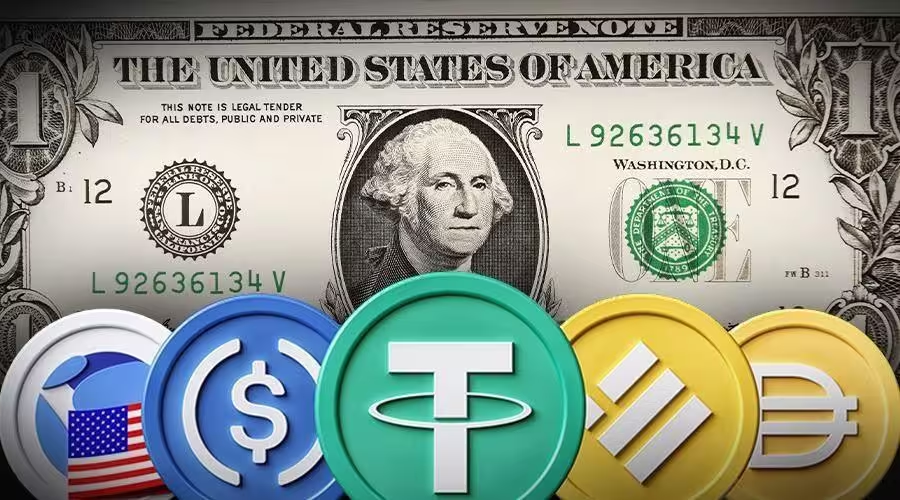
Stablecoins exist across multiple blockchains, each with distinct wallets, fee structures, and user communities. USDT is especially active on Tron, while Ethereum, Solana, BNB Chain and other networks host significant stablecoin activity. USDC has expanded to Ethereum, Solana, Base and Polygon, among others.
This multi-chain expansion offers users flexibility but also creates fragmentation. The same token symbol can represent assets on several networks, and sending from the wrong chain can be more expensive, slower, or incompatible with a merchant or payment product. Bridging funds across chains adds steps and points of failure, and many payment services have limited network support.
From a consumer perspective that means a wallet balance in stablecoins does not always equal a balance that can be spent easily. This friction helps explain why crypto-linked payment cards and integrated payment rails are becoming important: they promise to let users spend digital dollars without manual conversions every time they check out.
Crypto payment cards aim to hide complexity
A growing number of companies are building payment products that connect crypto balances to familiar card payments, working to make the technical details invisible to the end user. The value proposition is straightforward—tap a card, use a mobile wallet, or pay online—and let the payment platform handle conversions, network routing, and settlement behind the scenes.
Rail, a crypto payments platform, is one example pursuing this model. Rail is developing virtual and physical cards that let users fund payments with stablecoins. Rather than restricting customers to a single blockchain, Rail is supporting multiple stablecoins across several networks to mirror real-world usage patterns.
Networks and tokens supported
Rail currently supports three stablecoins across seven blockchains: USDT on Tron, Ethereum, Solana and BNB Chain; USDC on Ethereum, Solana, Base and Polygon; and USDG on Solana and Robinhood Chain. That multi-network approach aligns with how different user groups choose chains based on cost, wallet compatibility, or existing habits.
By accepting assets on several routes, payment products reduce the need for users to move funds between chains before spending. The practical benefit is fewer steps, lower friction, and the ability to tap into existing crypto workflows instead of forcing users to adopt one universal chain.
Bringing crypto into familiar payment experiences
For mainstream adoption, the checkout experience matters as much as network support. Consumers are used to paying with physical cards, virtual cards, or mobile wallets such as Apple Pay and Google Pay. A compelling crypto payment product needs to integrate with those channels so paying with stablecoins feels like any other checkout option.
Rail has said it is building support for Apple Pay and Google Pay, and is preparing both virtual cards and physical cards, with physical cards expected after the initial launch phase. The platform also aims to operate across more than 180 countries subject to applicable programme rules and local restrictions. These details show the ambition to make crypto payments global and convenient, but execution will determine whether the idea translates into everyday use.
Why integration matters
If funding or using a card requires users to understand blockchain networks at every purchase, much of the convenience disappears. The best products will be those that minimize blockchain visibility for consumers: automatic network selection, intelligent funding from the most cost-efficient route, transparent fees at checkout, and quick customer support when transactions fail.

Smooth integration with existing payment rails also matters for merchant acceptance. Merchants are unlikely to change their point-of-sale systems to accommodate blockchain-specific requirements. Instead, crypto payment products must interoperate with existing card processors and mobile wallets so merchants receive a familiar settlement, regardless of the underlying crypto funding.
Early interest is encouraging, but adoption hinges on execution
Rail reports that more than 5,000 people have joined its early-access waitlist ahead of public launch, indicating real interest from users who want to spend crypto balances directly. Waitlist numbers are a useful early signal, but they do not guarantee sustained usage. The true tests come after launch: whether funding cards is easy, payments succeed consistently across geographies, supported networks make sense for daily spending, and fees remain competitive.
Beyond product reliability, broader adoption will depend on operational factors: transparent pricing, accessible customer support, rapid dispute resolution, and clear procedures for handling failed or delayed transactions. Users accustomed to the instant reassurance of bank-backed cards will expect similar reliability when using stablecoins to pay.
What will determine whether stablecoins become a mainstream payment option
Several criteria will influence whether stablecoins transition from a trading and transfer tool to a routine payment method:
- Usability: Funding a payment method with stablecoins should be straightforward and quick, ideally handled automatically without manual conversions.
- Cross-chain support: Payment products must support the networks people already use, or seamlessly move funds between chains with low cost and minimal delay.
- Integration with existing rails: Support for Apple Pay, Google Pay, virtual and physical cards, and conventional card networks will be needed to win merchant acceptance.
- Cost and transparency: Fees must be clear and competitive compared with traditional card fees and FX costs for cross-border purchases.
- Reliability and support: Timely customer service and mechanisms for resolving transaction issues will build trust.
If a payment experience meets these criteria, spending digital dollars will start to feel like paying with any other balance rather than a special crypto procedure.
Conclusion: the next phase of stablecoin adoption
Stablecoins have already proven valuable as a method to hold and move digital value. The next phase of adoption centers on turning that value into everyday purchasing power. That requires bridging blockchain complexity with payment systems people already understand. When companies can hide network selection, offer familiar wallets and cards, and provide reliable, transparent service, spending stablecoins could become as natural as using a debit card.
The potential is clear: faster settlements, lower-cost cross-border payments, and direct access to digital dollars for underbanked populations. But potential becomes reality only when product execution focuses on user experience, operational reliability, and merchant compatibility. If those conditions are met, stablecoins may soon be seen not just as crypto assets, but as another practical way to pay in daily life.

Leave a Comment
Comments (2)
Wow didnt expect the card angle. If they actually hide chain complexity and keep fees low, this could be huge for everyday use. curious bout country support tho
Is this even realistic? Fees, failed bridges, merchant adoption... sounds great on paper but a pain in practice.. Who handles refunds?