
3 Minutes
What’s happening
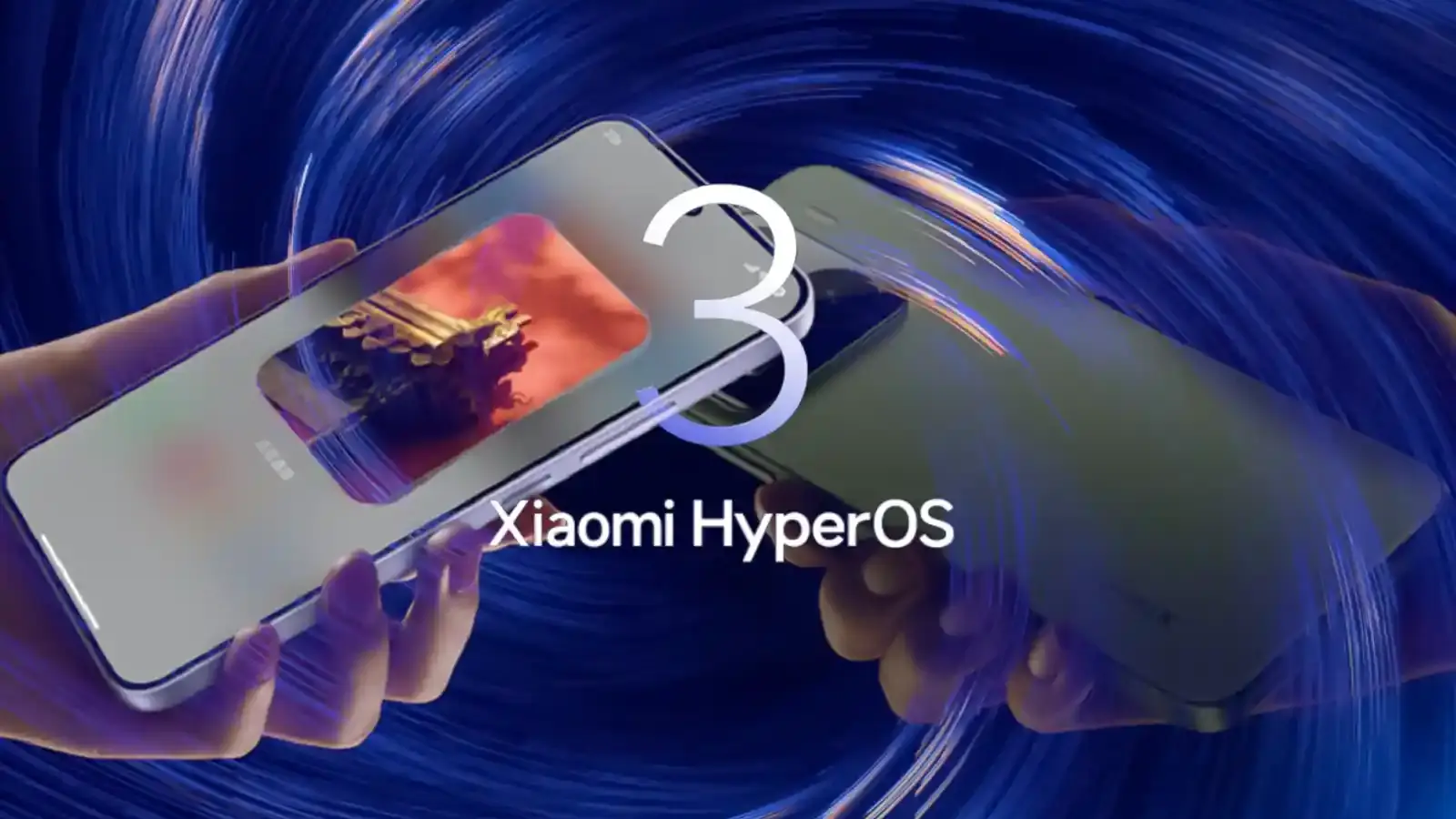
Xiaomi has published a full schedule for the stable rollout of HyperOS 3 in China after launching the new OS last month and widening its beta program across numerous devices. The company plans to begin stable updates in mid-October, starting with its latest flagship family, and aims to complete the phased rollout by January 2026.
Rollout highlights
The initial wave will prioritize the Xiaomi 15 series, with broader coverage by the end of October that expands to premium phones, high-end tablets, smart TVs and wearable devices. Over November, December and into January, Xiaomi will gradually deliver HyperOS 3 to additional MIX and MIX Fold devices, multiple Redmi K-series and Note models, and several smart TV and band/watch models.
Key October targets
- Mid-October: Xiaomi 15 Ultra, 15S Pro, 15 Pro and Xiaomi 15, plus Redmi K80 Pro and K80 Supreme.
- By October end: MIX Flip 2, Civi 5 Pro, the entire Pad 7 family and several Redmi Turbo and K80 variants. Select Xiaomi TV S Pro and Mini LED sets, and the new Watch S4 lineup will also receive the update.
November to January — wider coverage
November includes many 14-series devices, MIX Fold and MIX Flip generations, plus the K70 family and new Pad models. December brings earlier flagship phones (13-series and MIX Fold 3) and a large batch of Redmi Note and K60/K60 Pro models, together with smart bands and watches. The January window targets older MIX Fold models, the 12S family, several Civi handsets and a final tranche of Redmi pads, TVs and Note devices.
Regional scope and global timing
Important: this schedule applies only to China. Xiaomi plans a global HyperOS 3 announcement on September 24th; an international rollout and beta availability are expected to follow that event. If you’re outside China, expect local timing and device eligibility to differ.
Why it matters
HyperOS 3 brings updated system optimizations, refreshed UI elements and improved cross-device features designed for Xiaomi’s ecosystem. For users, the phased approach reduces risk by testing upgrades first on the newest hardware before reaching older or mid-range models — a strategy commonly used by major OEMs to balance feature parity with stability.
For those keen to try early builds, Xiaomi’s expanded beta program will likely reopen after the global launch. If you want to participate, keep an eye on official channels for the beta registration guide and installation instructions.
In short: expect a staged, multi-month rollout beginning mid-October in China, with international plans clarified at the global launch.

.webp "Redmi 17C 5G: 6.9-inch Screen and 6,000mAh Power Lands")
Leave a Comment
Comments
No comments yet. Be the first.