
3 Minutes
Jim Keller, the famed chip architect behind designs at AMD, Apple and Tesla, is reportedly exploring options to have his AI accelerator chips manufactured on Samsung’s cutting-edge 2nm process. The conversations add fuel to an already heated race between foundries vying for the next generation of AI silicon.
Why Samsung is a front-runner for 2nm AI silicon
Samsung Foundry is one of the few fabs worldwide capable of moving to advanced nodes like 3nm and 2nm. Tenstorrent, the AI chip startup Keller leads, says it’s in talks not only with Samsung but also with Rapidus and industry leader TSMC to produce its upcoming 2nm accelerator. That suggests multiple options are on the table — but Samsung’s early momentum could be decisive.
How Intel and others stack up
Intel has begun courting external customers with its 18A node (a 2nm-class process), yet Tenstorrent indicated Intel still has to make improvements before being considered a partner. TSMC remains the dominant supplier for advanced nodes, but Samsung is pushing hard to become a clear alternative, offering competitive pricing and aggressive capacity moves.
Exynos 2600: Samsung’s 2nm test case
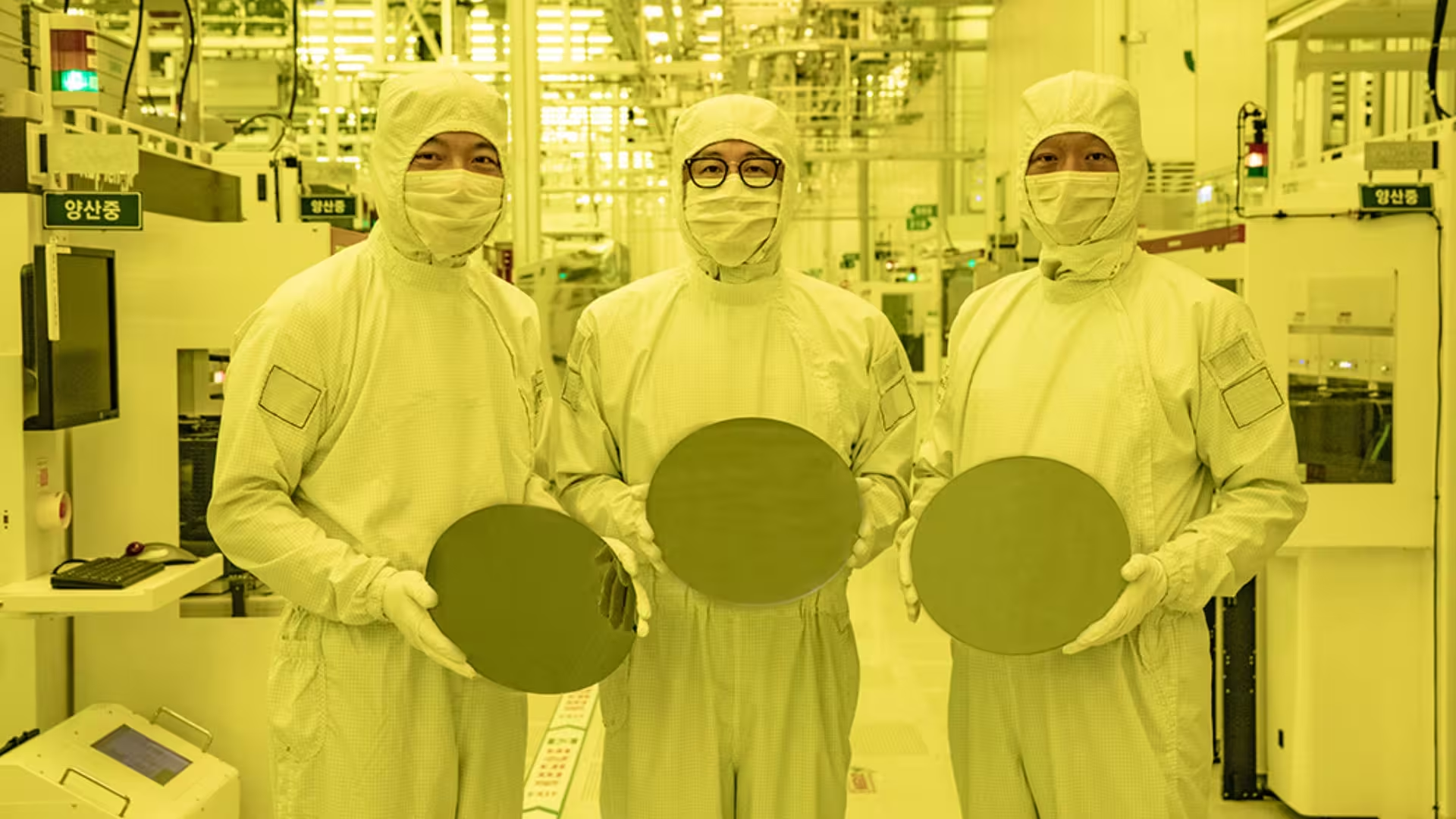
Samsung is said to have started mass production of the Exynos 2600 on its 2nm process. If validated in the market, that chip could be the first smartphone SoC built on 2nm — and a proof point that would encourage other clients like AMD, Nvidia and Qualcomm to consider Samsung for premium node contracts.
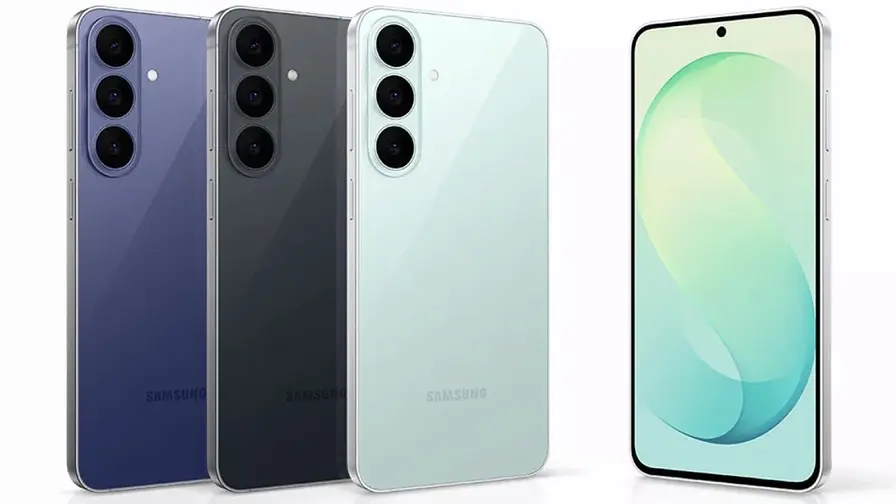
- Exynos 2600 is expected to appear early next year, possibly in the Galaxy S26 Pro.
- Architecture rumors point to ARM’s C1-series cores, an AMD RDNA-based Xclipse GPU, a beefy NPU, improved ISP, integrated 5G and LEO satellite support.
- Samsung has reportedly won 2nm orders from Ambarella, DeepX, Preferred Networks and Tesla — signaling growing trust in its node.
Imagine a future where multiple AI startups can pick between TSMC, Samsung and Rapidus for bleeding-edge chips. That competition could accelerate innovation and drive down costs — a welcome scenario for the booming AI hardware market.
What this means for the AI silicon landscape
If Tenstorrent does pick Samsung for manufacturing, it would be a high-profile win for the South Korean foundry and a sign that Samsung’s 2nm line can handle demanding AI workloads. For Intel, the message is clear: technical refinement and proven capacity matter. For customers, more reliable options at 2nm mean faster time-to-market and better negotiating power.
As the next wave of AI chips moves from design to production, the battle among Samsung, TSMC, Rapidus and Intel will shape who powers the machines behind future generative AI and acceleration platforms.




.webp "Redmi 17C 5G: 6.9-inch Screen and 6,000mAh Power Lands")


Leave a Comment
Comments
No comments yet. Be the first.