
3 Minutes
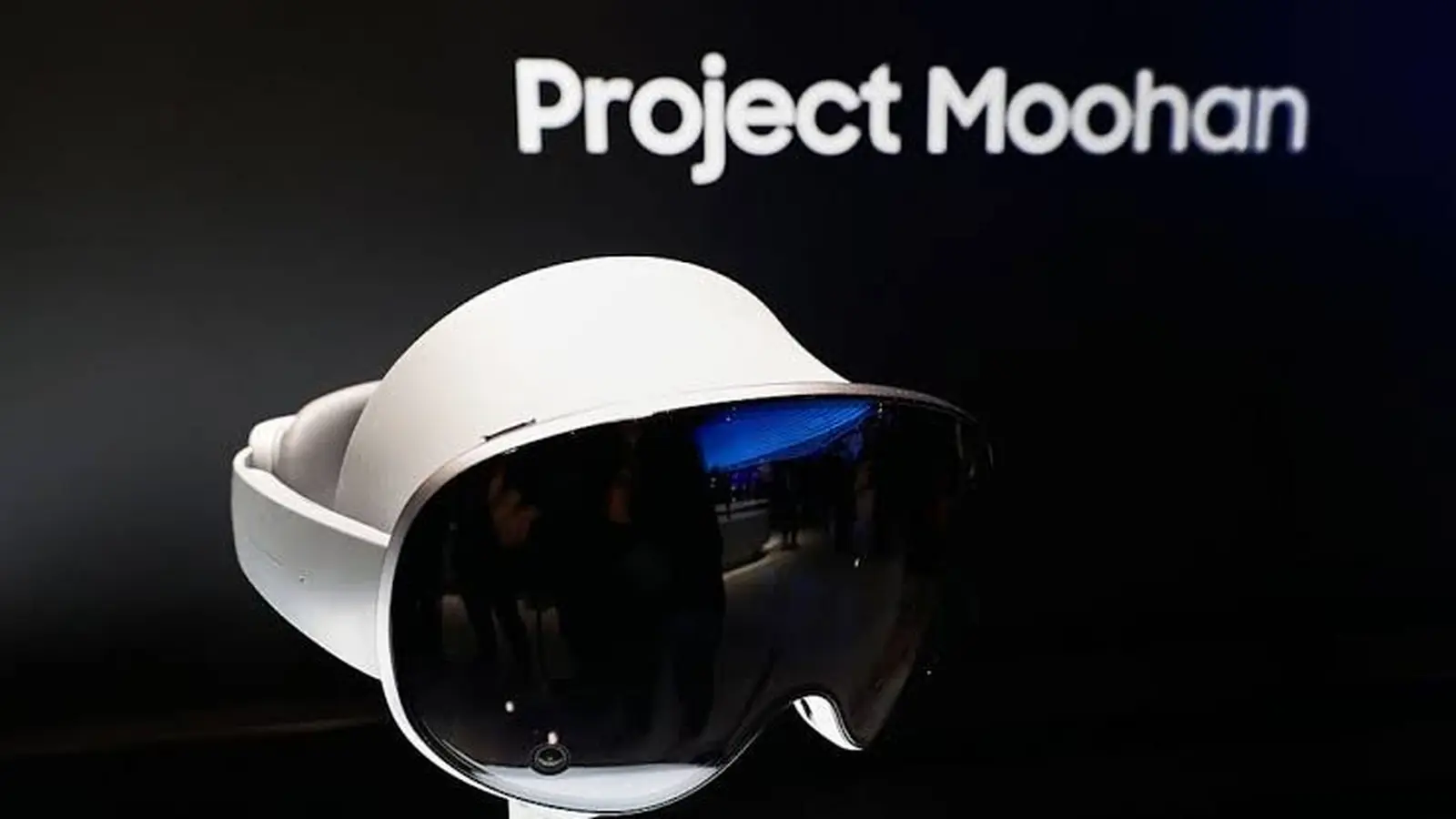
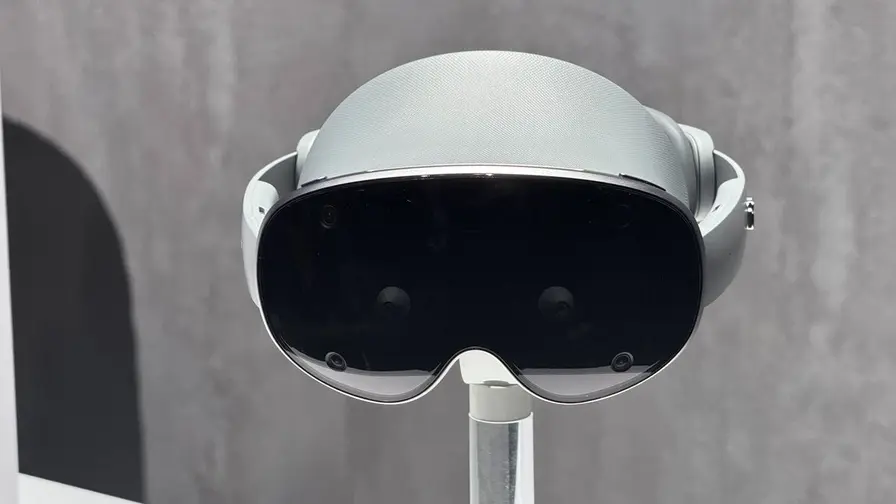
Samsung's long-rumored VR headset, codenamed Project Moohan and widely expected to carry the Galaxy XR name, has leaked in full ahead of a possible October 21 reveal. Official-looking renders and a detailed spec sheet paint a picture of a premium, sensor-packed headset aimed squarely at high-end mixed reality experiences.
What the leak actually reveals
The standout claim: dual 4K micro-LED panels with an eye-popping 4,032 ppi, combining for roughly 29 million pixels. That tops the pixel counts reported for Apple Vision Pro and Meta Quest 3, putting Samsung in rarefied territory for display density and clarity.
Under the hood, the headset reportedly runs on Qualcomm's Snapdragon XR2+ Gen 2, the faster silicon built for demanding XR workloads. The combination of display fidelity and a top-tier XR chip suggests Samsung is aiming for convincing visuals and smooth performance in both VR and mixed-reality modes.
Sensors, tracking and audio: built for immersion
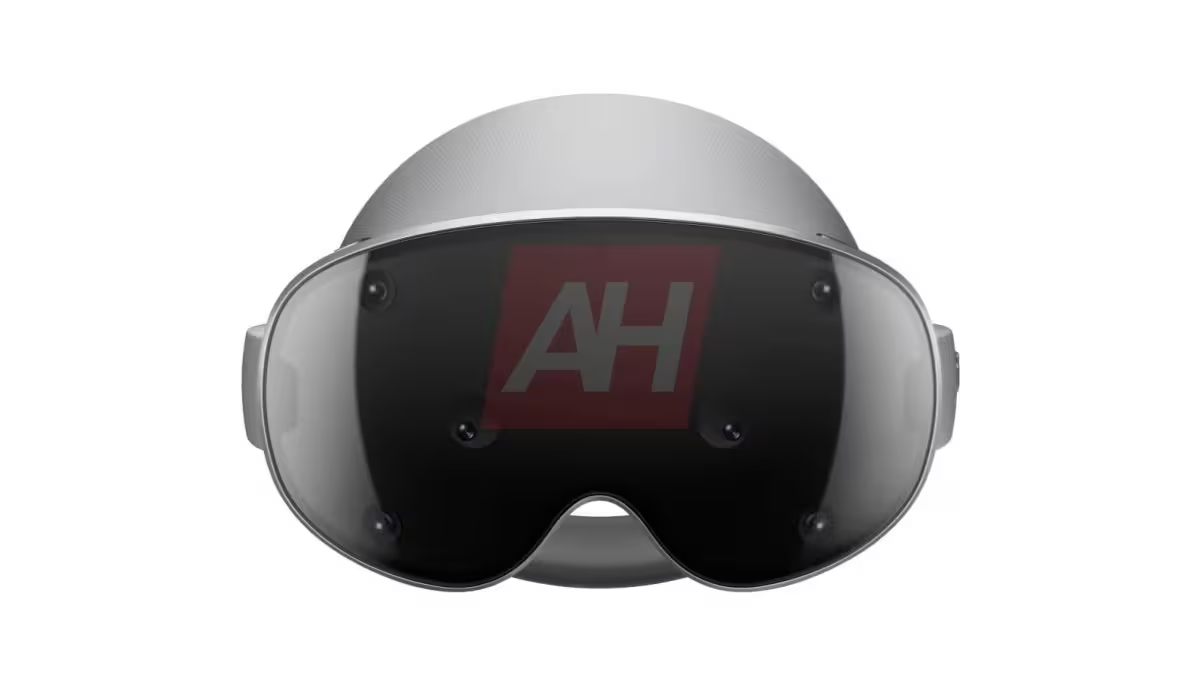
Tracking looks comprehensive. The Galaxy XR reportedly carries four outward-facing sensors and two lower sensors for hand tracking, plus a proximity sensor near the forehead that maps room boundaries—walls, ceilings, and furniture—so the headset can warn you before you bump into anything. Inside, four cameras handle eye tracking, with AI-assisted processing to improve accuracy.
Audio and voice also get attention: several onboard microphones claim the ability to isolate your voice from ambient noise and even pick out other people’s speech so you can hear them more clearly while wearing the headset. These features could make social and productivity scenarios feel a lot more natural.
Design and comfort: familiar but refined
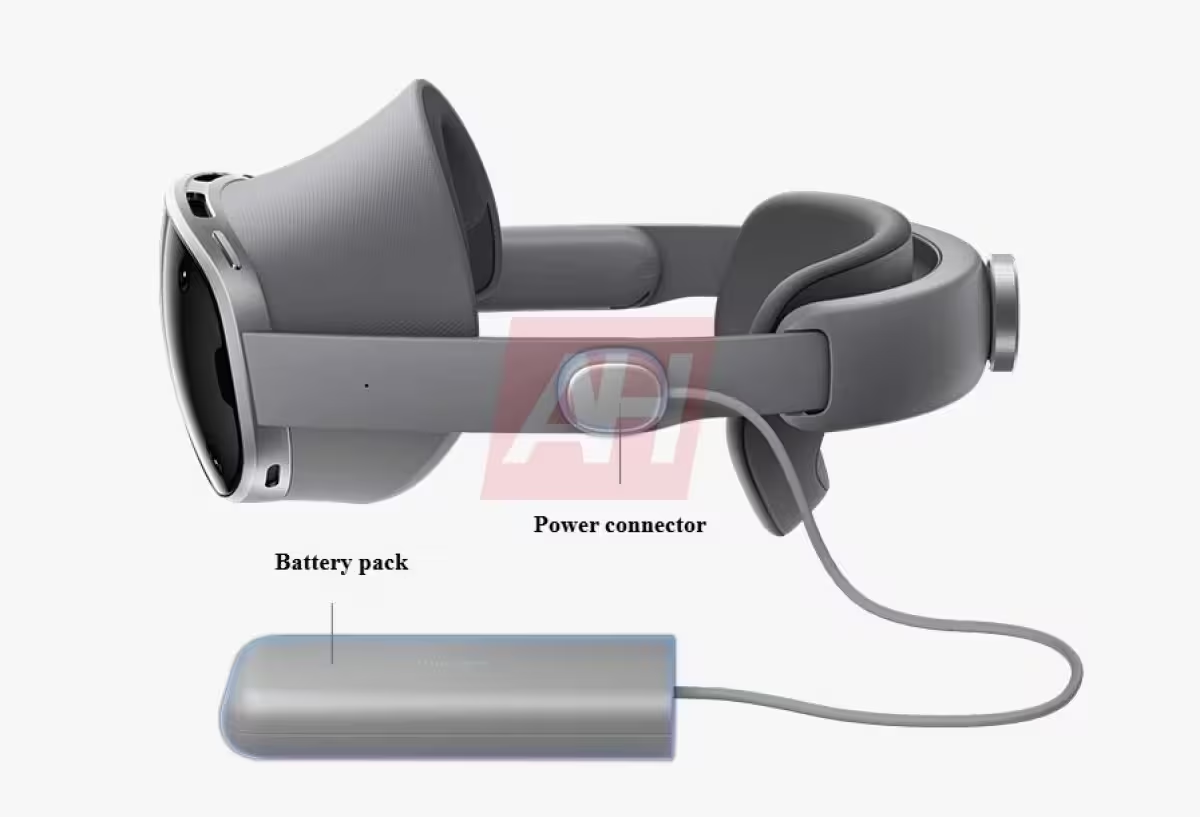
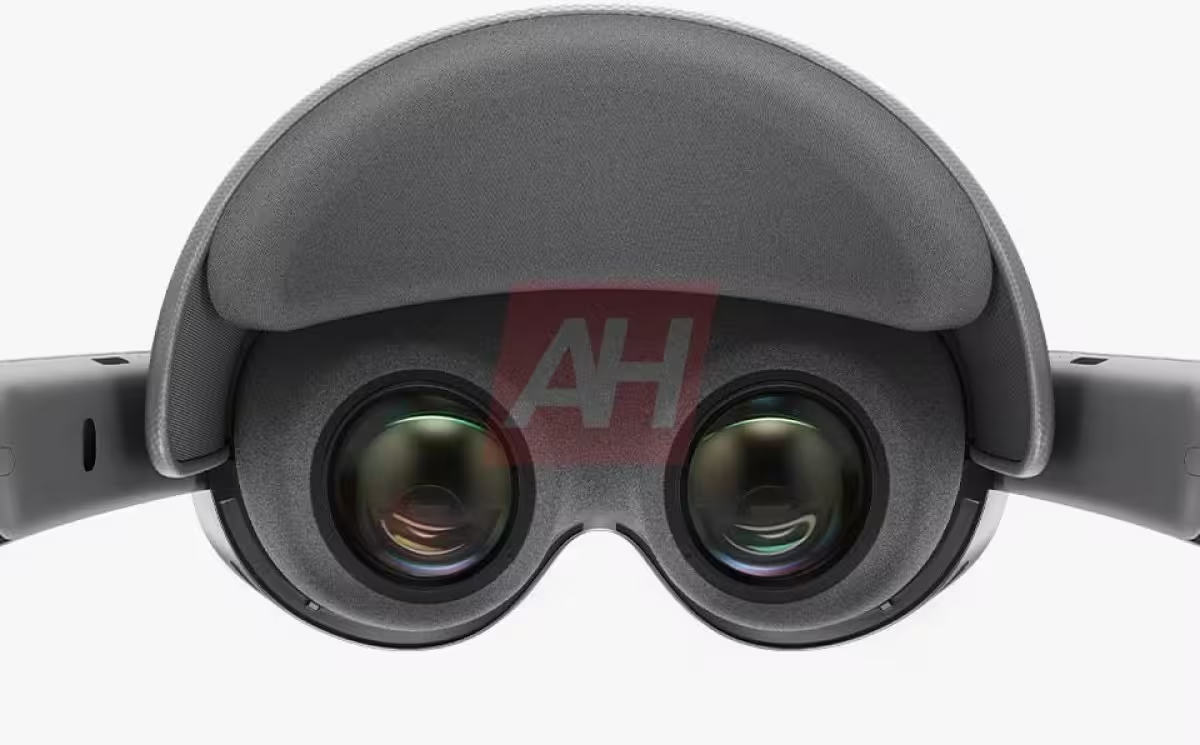
The leaked renders match earlier in-person sightings, showing a familiar visor shape with plenty of interior padding for comfort. The headband is adjustable with a rear dial, and Samsung appears to place volume and power controls on the top. A cable runs along the left side of the band to a power source, while a touchpad sits on the right for quick input.
Weight is listed at around 545 grams — lighter than Apple’s Vision Pro (around 600–650 grams) but slightly heavier than Meta’s Quest 3. Expect a balance between premium materials and battery constraints; Samsung seems to have prioritized a snug fit and cushioning over shaving every last gram.
Battery life, controllers and software hints
Battery estimates are modest: about 2 hours during typical mixed use and up to 2.5 hours for straight video playback. That aligns with the high-power displays and on-board processing. For more precise input in 3D spaces, Samsung’s package reportedly includes a pair of controllers with haptic feedback designed for gaming and complex interactions.
We also get early screenshots of what may be called One UI XR — Samsung’s XR-flavored skin — suggesting an interface built around spatial apps and mixed-reality workflows. If true, One UI XR could tie Samsung’s device ecosystem closer to this next wave of immersive experiences.

When could it arrive, and what will it cost?
Leaks point to an October 21 reveal, though Samsung has not officially confirmed the date. Pricing rumors are eye-opening: reports suggest a starting price of at least $1,800, positioning Galaxy XR as a premium headset competing with the likes of Apple’s Vision Pro rather than mass-market standalone headsets.
Whether Galaxy XR becomes the daily driver for pros, creatives or early adopters will depend on software, developer support, and real-world comfort—areas where Apple and Meta already have established ecosystems. Still, if these specs and features hold up, Samsung could be a serious contender in the high-end XR arena.

.webp "Redmi 17C 5G: 6.9-inch Screen and 6,000mAh Power Lands")
Leave a Comment
Comments
No comments yet. Be the first.