
3 Minutes
Just as the PC market was starting to recover from previous GPU shortages, a new squeeze looks to be emerging — this time driven by DRAM, not GPUs. Rising memory prices and shifting factory priorities could leave gamers and everyday buyers facing higher costs and tighter availability in 2026.
Memory, not chips: how DRAM became the bottleneck
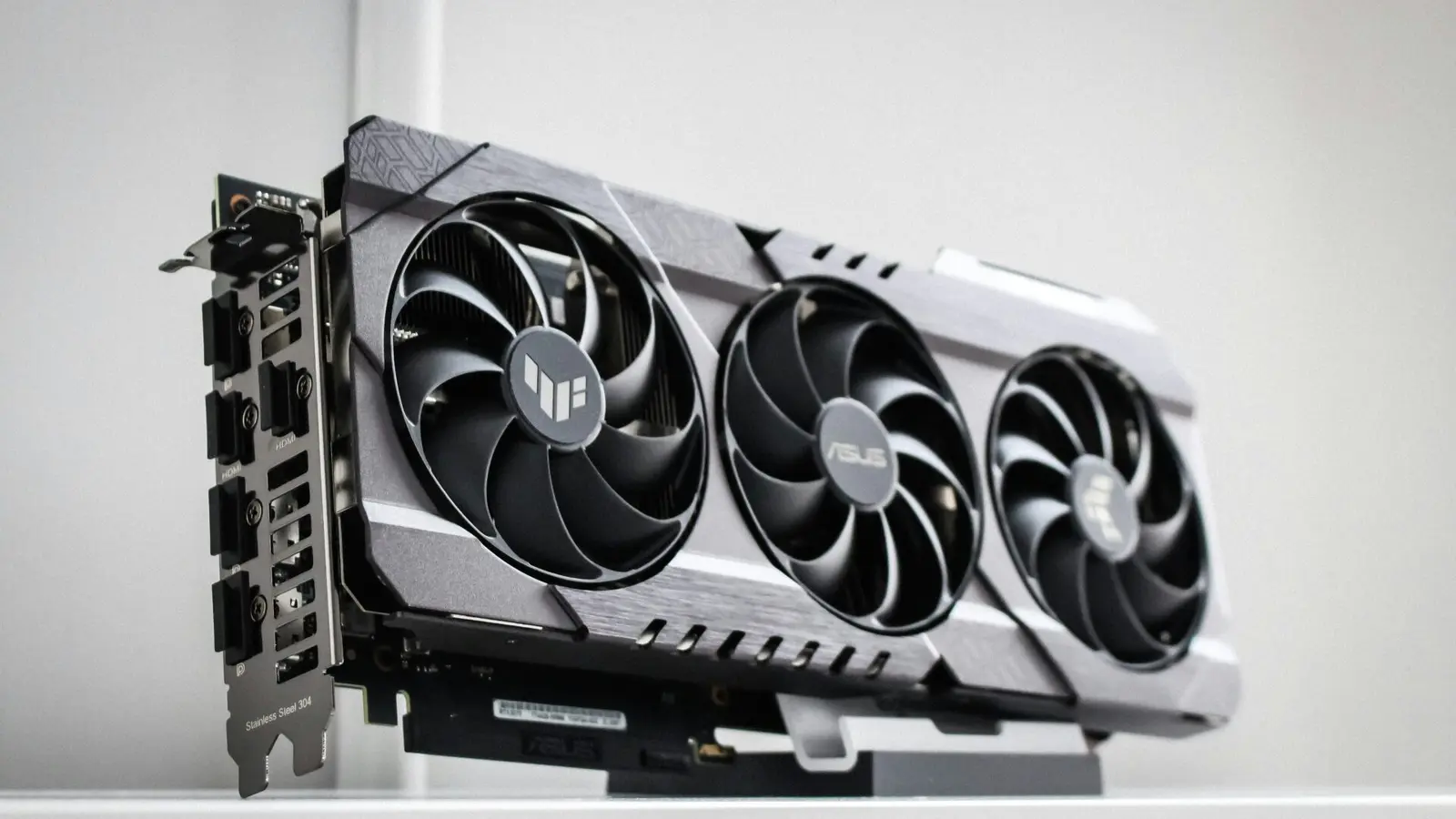
Industry whispers suggest Nvidia is rethinking its gaming GPU roadmap because of surging DRAM costs. Production of GeForce RTX 5000-series cards may be cut by as much as 30–40% in the first half of 2026 as memory makers push prices up and fabs reallocate capacity to higher-margin server and AI accelerators.
That change in priorities has a clear logic: AI datacenters need lots of fast memory, and manufacturers are chasing those contracts. The result? Less DRAM for consumer products and higher per-unit costs for GPUs that require larger VRAM capacities.
Which GPUs and models are most at risk?
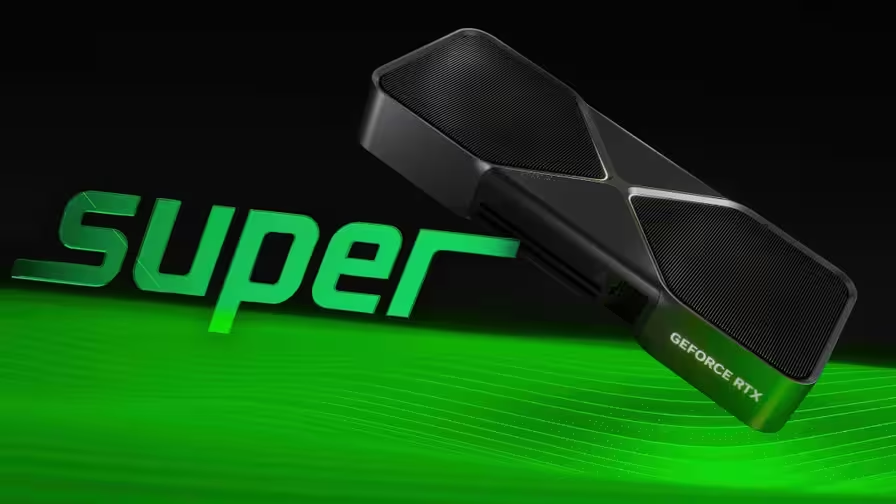
Early reports name the rumored GeForce RTX 5000 Super refresh as an early casualty. The refresh, expected to offer up to 50% more VRAM at the same price point, has reportedly been shelved because manufacturers can’t secure enough memory chips.
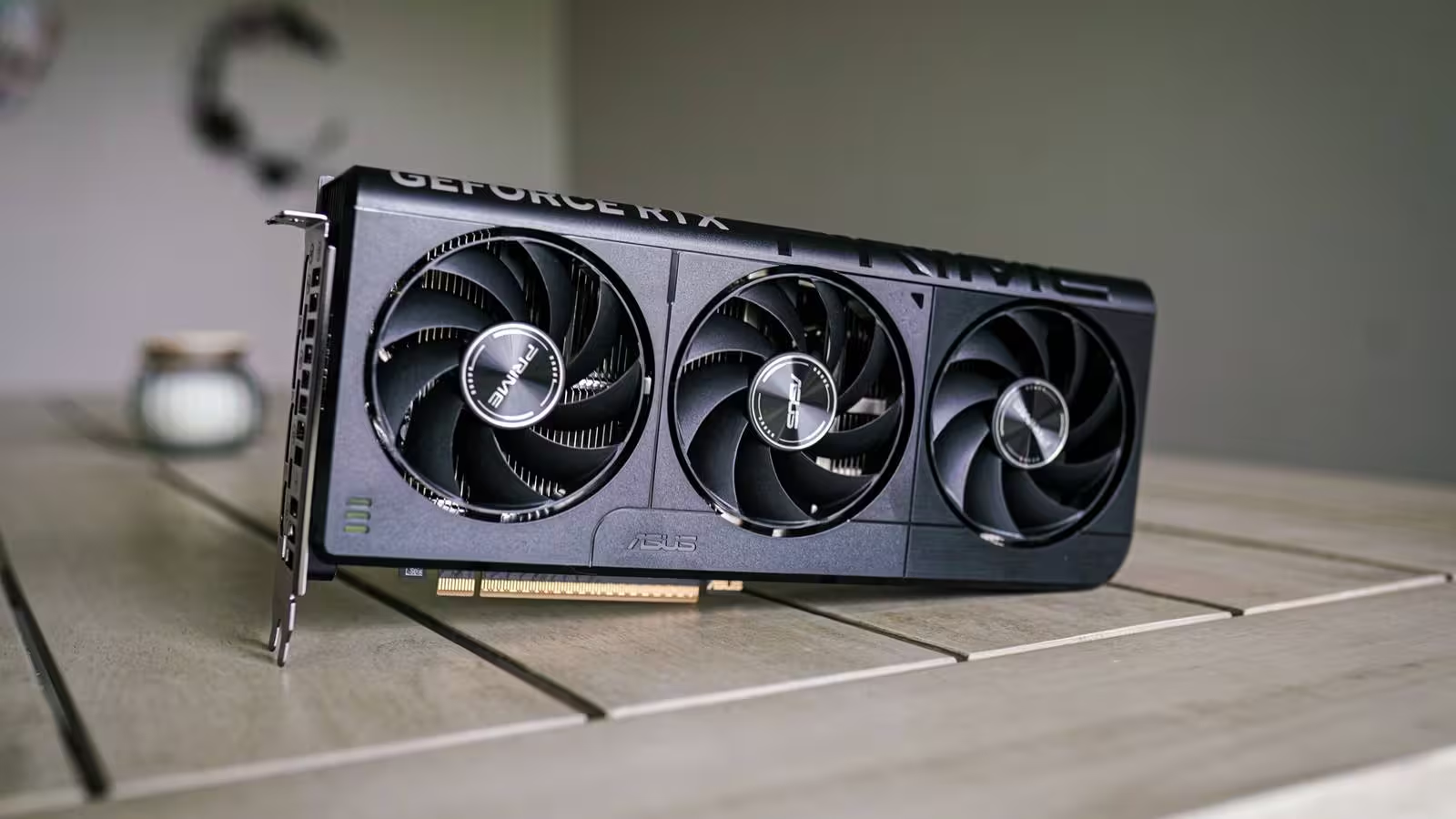
- Most affected: affordable, higher-memory models such as the RTX 5060 Ti 16GB and RTX 5070 Ti.
- Likely outcome: fewer high-VRAM SKUs, delayed refreshes, and higher street prices for remaining models.
Why this matters beyond graphics cards
The ripple effects could be broad. Analysts warn that the DRAM crunch — exacerbated by AI demand from companies like OpenAI — could push laptop prices up by at least 20%. Budget notebooks may revert to 8GB of RAM, some smartphones could ship with just 4GB again, and upcoming gaming devices may carry steeper price tags.
In short: as silicon priorities tilt toward AI and servers, consumers could find fewer options and pay more for the memory they used to take for granted. That’s not just a gamer problem — it’s a device ecosystem problem.
What to expect through 2026
- Short-term supply cuts for certain GeForce RTX 5000 SKUs, possibly 30–40% lower output.
- Scrapped or delayed higher-VRAM refreshes, especially midrange “Super” models.
- Upward pressure on prices for laptops, smartphones, and gaming hardware.
- Greater prioritization of server and AI memory demand over consumer upgrades.
So what should buyers do? If you need a new GPU or laptop soon, weigh the risk: buying now may avoid inflation-driven price hikes later, but waiting could mean more choices if memory supply eases. For those upgrading, prioritize systems with user-upgradeable RAM and keep an eye on used markets and retailer promotions.
Ultimately, the next hardware cycle may be decided by memory lanes rather than silicon nodes — and that shift will shape prices and availability across the tech landscape in 2026.












Leave a Comment
Comments
No comments yet. Be the first.