
3 Minutes
Meta has quietly moved its metaverse bet from living-room headsets to pocket-sized screens. The pivot didn’t arrive with a splash; it crept in through product changes, developer notes and a few pointed remarks from inside Reality Labs.
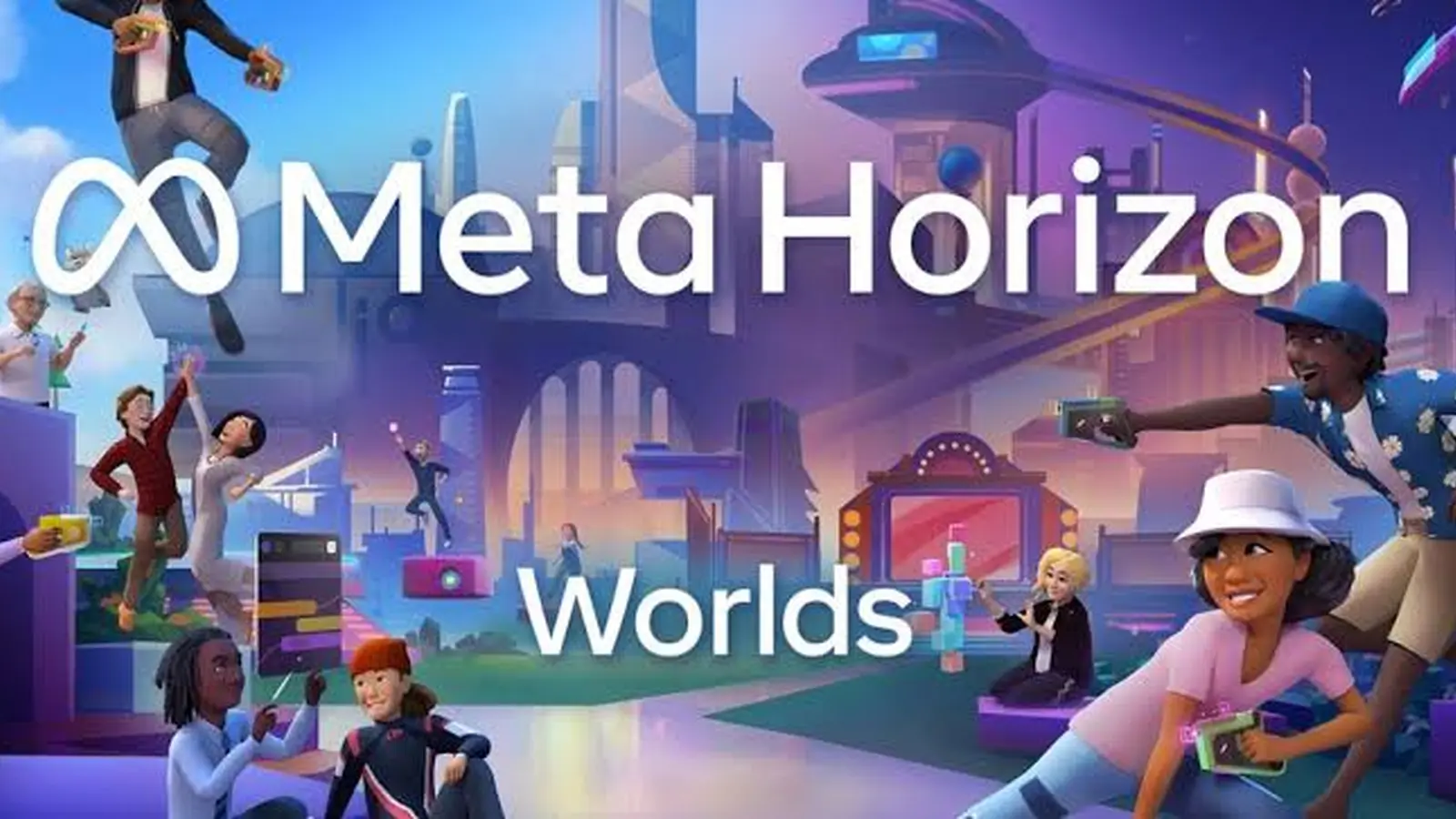
Remember the 2021 pivot when Facebook rebranded to Meta and promised a VR-first future? That vision—Horizon Worlds as a virtual town square—has been steadily rewritten. Samantha Ryan, VP of Content at Reality Labs, tells reporters the company is now prioritizing a mobile-first approach, with Horizon Worlds becoming "almost exclusively mobile." Short sentence. Big implication.
The practical fallout is visible. Meta is splitting Horizon Worlds and the Quest VR experience into separate products. On the Quest side, first-party worlds are being de-emphasized. Individual Horizon Worlds destinations have been removed from the VR store and the Worlds section has quietly vanished from the Quest home screen. Instead, Quest is being positioned as a platform for third-party developers and immersive content creators.
On the other side of the ledger, mobile has lit up. In 2025, Meta went from zero mobile-only Horizon Worlds to roughly 2,000. Monthly users climbed more than fourfold in the same period. Those figures aren’t fluff; they’re the kind of growth that forces strategy meetings. To accelerate that trajectory, Meta is rolling out new creator tooling — Meta Horizon Studio and the Meta Horizon Engine — designed to help designers build engaging experiences for phones. There are also fresh monetization levers: featured bundles, season passes and other in-app commerce features tailored for mobile audiences.
Meta has quietly shifted its metaverse wager from VR hardware to mobile-first social worlds.
Why this matters beyond corporate chess moves? Because mobile lowers the barrier to entry dramatically. A smartphone is ubiquitous; a VR headset is not. That changes who can build, who can join and how quickly a social ecosystem can grow. It also raises an obvious question: can Meta compete with entrenched rivals like Roblox and Fortnite, platforms that already mix user-generated spaces with commerce and live events?
Competition will be fierce. Roblox and Epic have years of creator momentum, live economies and loyal user bases. Meta’s advantage is scale—billions of users across Facebook, Instagram and WhatsApp—and a pile of engineering resources. But scale alone won’t win hearts. Tooling, discoverability and sustainable monetization for creators will determine whether mobile Horizon Worlds becomes a destination or just another app on the pile.
There’s another, darker beat in the story. The same Reality Labs division that is recalibrating strategy recently cut roughly 10% of its workforce. Strategic pivots often ripple through teams, and trimming staff underlines how costly and uncertain the metaverse experiment has been.
So what should readers take away? Meta’s metaverse is no longer a headset-first dream; it’s becoming a mobile-first product family backed by new creation tools and commerce features. Whether that bet will outmaneuver Roblox or revive excitement around social virtual worlds is still an open question. For now, the pocket-sized metaverse is where the company is placing its chips, and we’re about to see whether that gamble pays off.








Leave a Comment
Comments
No comments yet. Be the first.