
3 Minutes
Imagine asking your phone to plan a day—then watching it coordinate photos, calendars and reminders without you jumping between apps. No handoffs. No repetition. Just one device quietly orchestrating everything.
Samsung's internal research found that almost eight in ten people use more than two different AI assistants on a regular basis. That messy reality is the cue for Galaxy AI's next evolution: multi-agent support built into the operating system itself. Instead of shoehorning third-party models into individual apps, Samsung is turning Galaxy AI into a conductor that lets multiple agents play together in sync.
System-level integration changes the rules. Agents can share context, understand ongoing tasks and act without forcing you to reissue instructions. That means fewer taps, shorter prompts and interactions that feel more like talking to an assistant who remembers the thread—because it does.
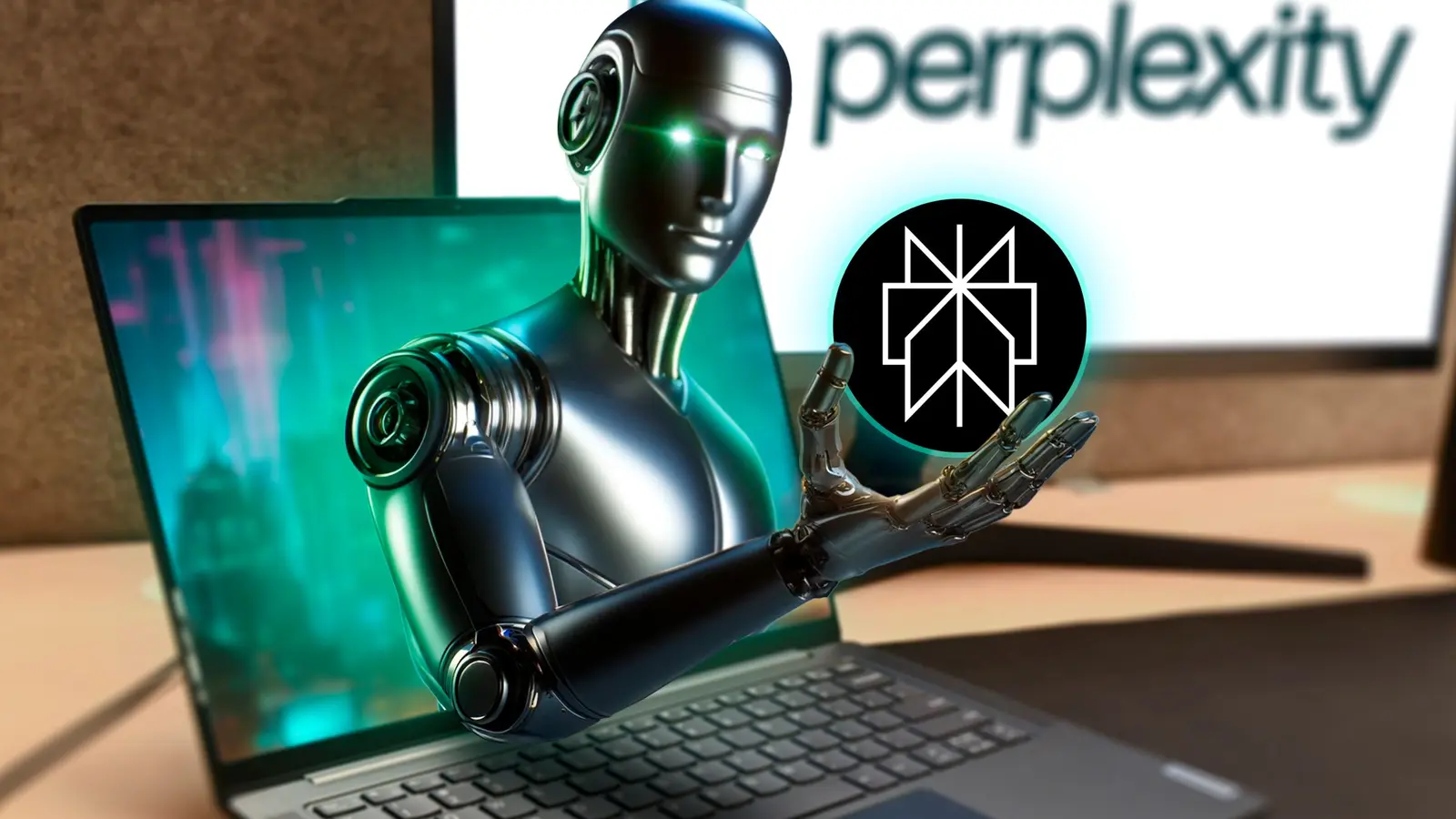
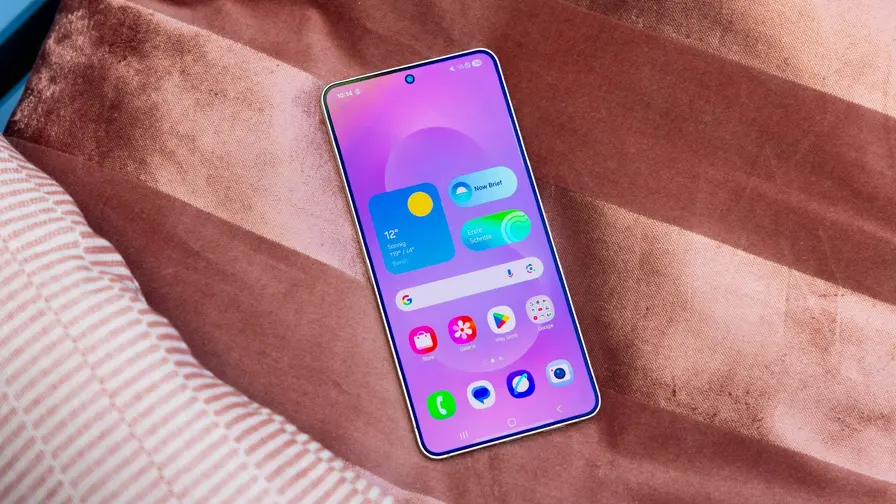
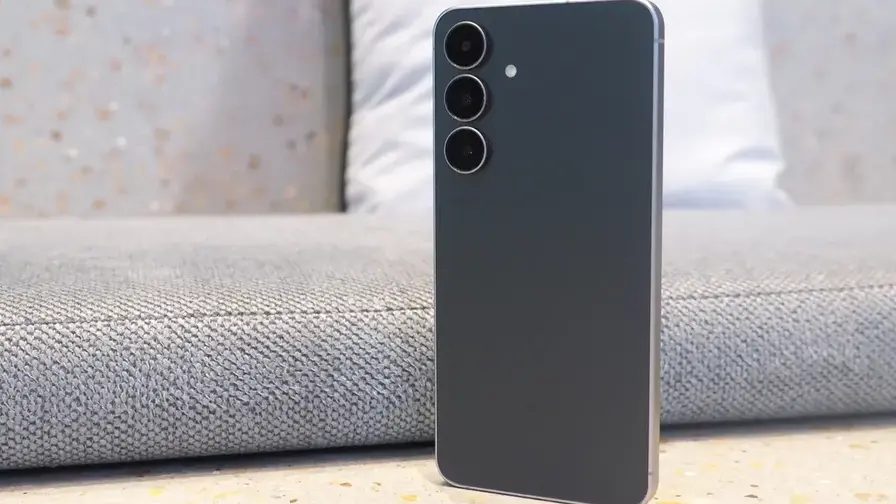
The first guest on stage is Perplexity, shipped as an agent Samsung calls Plex. You can wake it with 'Hey Plex' or tie it to the side (power) button for instant access. Expect Plex to appear first on Samsung’s upcoming flagships. Yes, that likely includes the Galaxy S26 family, but Samsung has kept device and rollout details deliberately vague—more concrete timelines are promised later.

Plex won't be a novelty tucked behind a shortcut. Samsung plans to weave it into core apps such as Gallery, Notes, Calendar, Clock and Reminder, and it will play nicely with select third-party services too. The agent is designed to handle multi-step workflows: draft a note from selected images, stitch calendar events into a travel plan, or combine reminders with contextual photos. Think of it as delegating a small project to a smart helper that stays on top of context.
There are practical advantages beyond convenience. When AI agents run at the system layer, they can access the right signals—device state, recent activity, local media—without you constantly repeating yourself. That reduces friction and lets models provide answers or take actions grounded in what you’re actually doing.
Samsung also hinted at software updates that could extend these features to existing hardware. One UI 8.5 is the likely vehicle to bring multi-agent capabilities to older Galaxy S and Z models, though official compatibility lists will arrive later. Until then, expect Samsung to refine where Plex appears and how it interoperates with both first- and third-party apps.
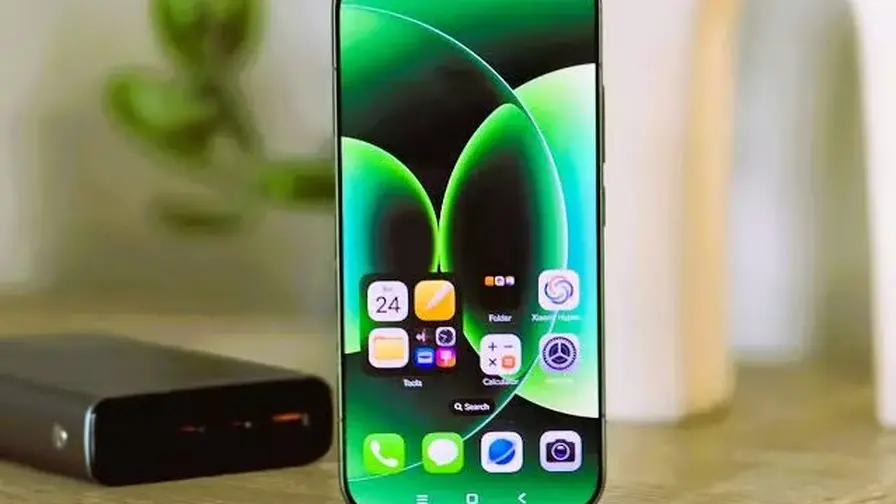
Alongside Plex, Samsung quietly upgraded Bixby in One UI 8.5. The assistant now accepts natural-language system commands—no more rigid phrasing—and can pull live web results for up-to-the-minute answers. It’s a nudge toward assistants that not only act, but also fetch current information when needed.
Samsung’s bet is clear: orchestration over replacement. Rather than forcing a single AI to do everything, Galaxy AI aims to bring different models together, each doing what it does best, while the OS manages the conversation.
Is this the moment phones stop being collections of isolated features and become true personal coordinators? If Samsung’s multi-agent approach takes hold, your device might soon feel smarter not because one model got better, but because several learned to work together.


Leave a Comment
Comments
No comments yet. Be the first.