
3 Minutes
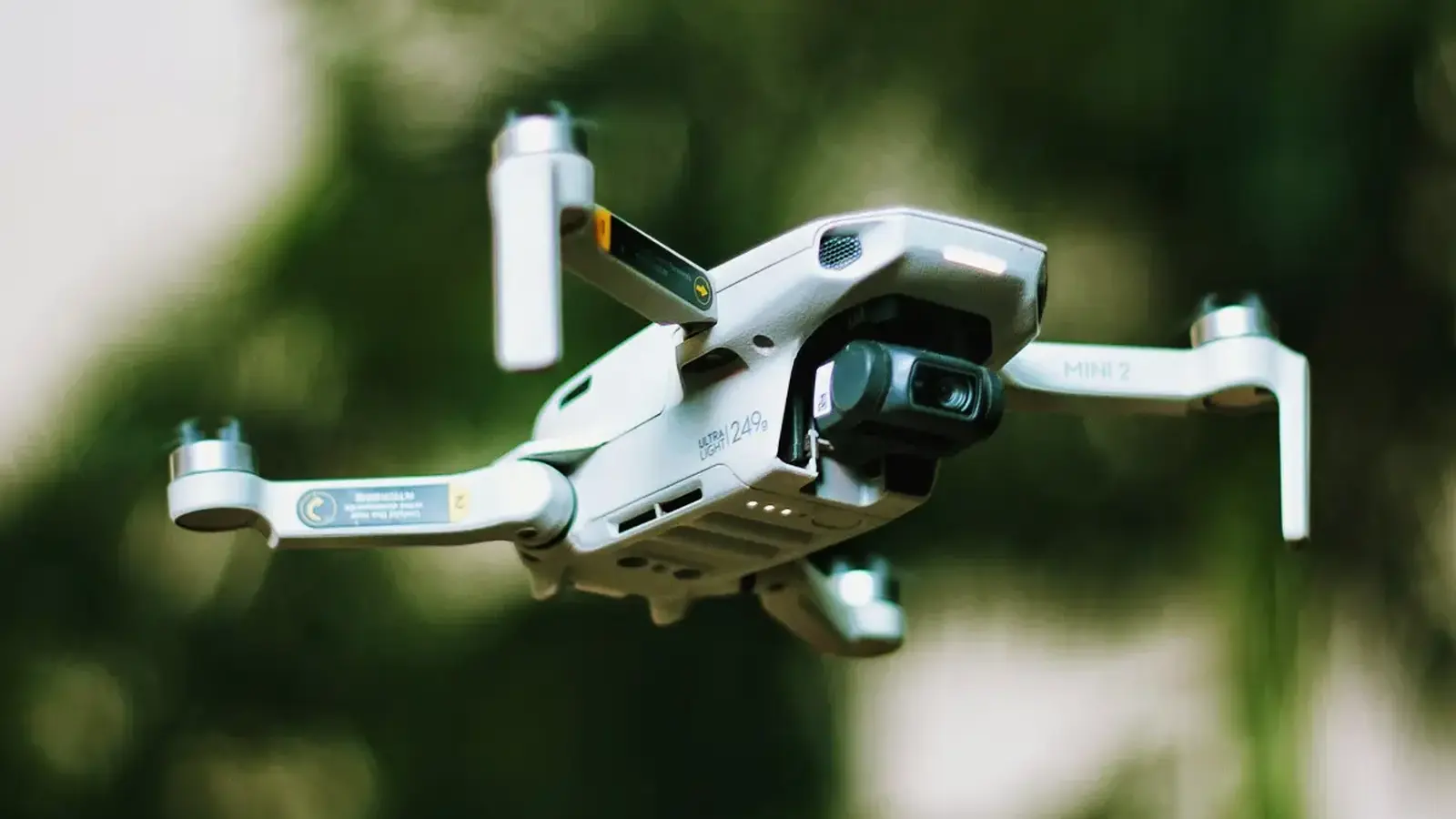
The U.S. has moved to block future sales of foreign-made drones and critical drone components, a step regulators say is driven by national security concerns. While the measure lands hardest on market leader DJI, the rule applies broadly to any unmanned aerial systems (UAS) produced abroad — with important caveats for existing owners and approved inventory.
What the FCC action actually does
The Federal Communications Commission announced that, following an Executive Branch national security determination, it has added foreign-produced UAS and foreign-produced UAS critical components to its Covered List. Practically, that means new models and parts made abroad are barred from sale in the U.S. going forward.
Crucially, the ban is forward-looking: drones already owned by consumers or businesses can still be used, and retailers may continue to sell units that have already been approved by the FCC. The Department of Defense and the Department of Homeland Security retain the ability to clear specific new models in the future.
Why DJI is front and center — and what "foreign-made" really means
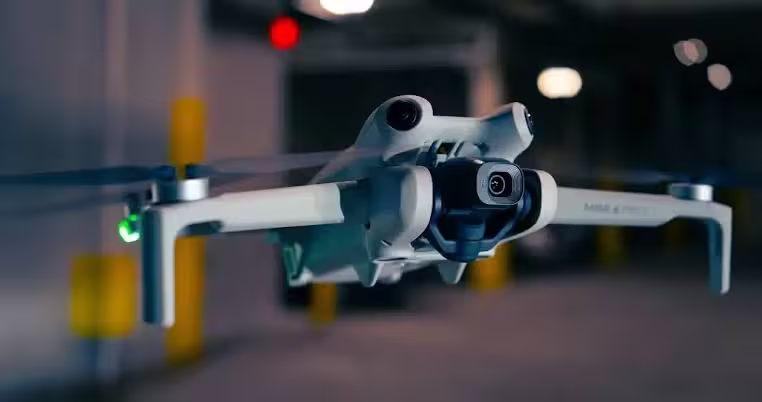
DJI, the Shenzhen-based company that dominates the consumer and prosumer drone market, is the most immediately affected brand because so many widely used models are foreign-produced. But the FCC’s designation is not brand-specific: it targets any UAS or critical components manufactured overseas that fall under the Covered List.
Regulators say multiple security agencies determined those foreign-made systems and parts present an unacceptable risk to U.S. national security. The move reflects growing scrutiny over data flows, firmware control, and supply-chain provenance for devices that can collect imagery, location metadata, and other sensitive information.
How this affects hobbyists, businesses and professionals
For hobby pilots and pros alike, the immediate impact is limited. If you already own a foreign-made drone, you can continue flying it. For organizations that rely on the latest drone models — surveyors, film crews, inspectors, emergency responders — the ban may slow hardware upgrades and complicate procurement.
- Retailers can still sell FCC-approved models from existing stock.
- New imports of foreign-produced drones and components are barred unless individually authorized.
- Supply chains that source cameras, flight controllers or radios from overseas could face disruption.
DJI responds: safety claims and protectionism allegations
DJI pushed back, saying its products are among the "safest and most secure on the market," backed by years of testing from U.S. agencies and independent third parties. The company argues that security concerns lack hard evidence and that the restriction risks being driven by protectionist instincts rather than an open-market rationale.
What industry watchers should monitor next
- Which specific components or models regulators add or exempt as the policy evolves.
- Potential legal challenges from manufacturers or trade groups.
- How businesses adjust procurement, including switching to U.S.-made alternatives or seeking waivers.
- International diplomatic and trade responses to the move.
As the policy settles, expect immediate ripple effects across retail inventory, commercial drone services, and the global supply chains that feed this fast-moving sector. For now, owners can keep flying approved drones — but anyone planning to buy new foreign-made UAS should pause until regulators clarify which models, if any, will be allowed back in.







Leave a Comment
Comments
No comments yet. Be the first.