
3 Minutes
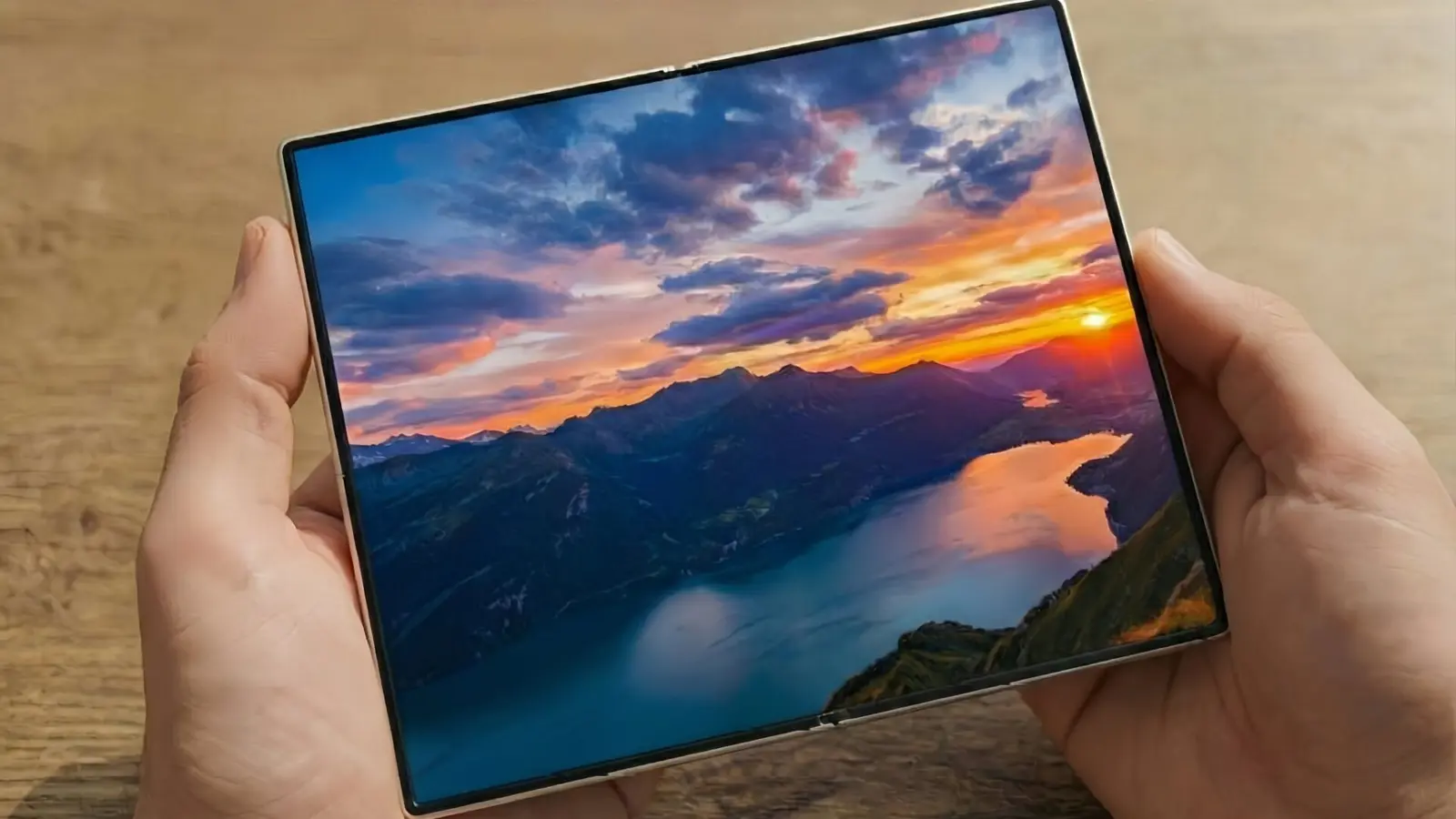
Leaked dummy units suggest Apple and Samsung might be converging on a new foldable idea: shorter, wider phones that trade height for a more pocket-friendly, tablet-like screen. The rumor mill points to devices designed to make both the inner and cover displays genuinely useful for daily tasks.
Why wider foldables make sense — and who tried it first
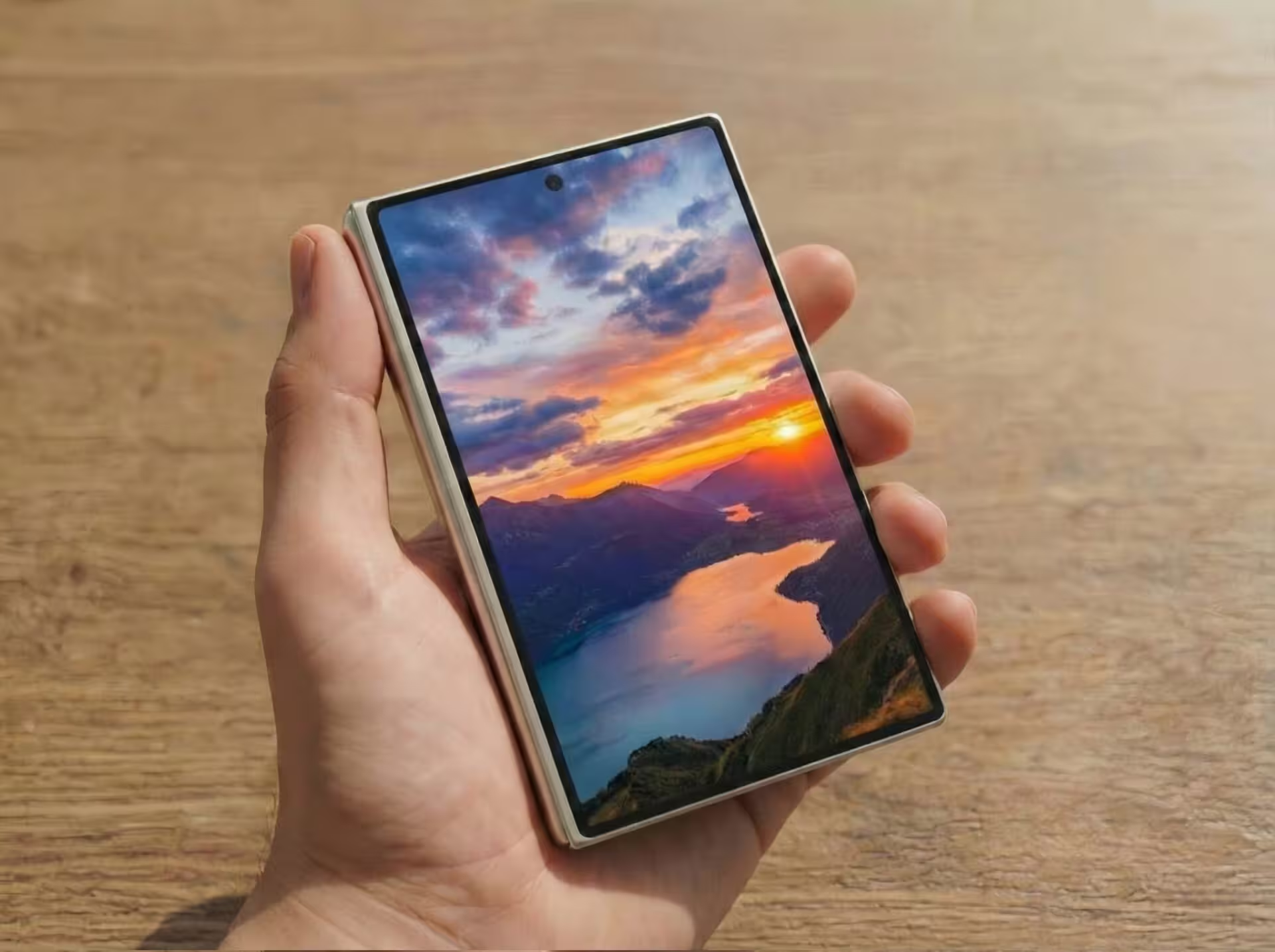
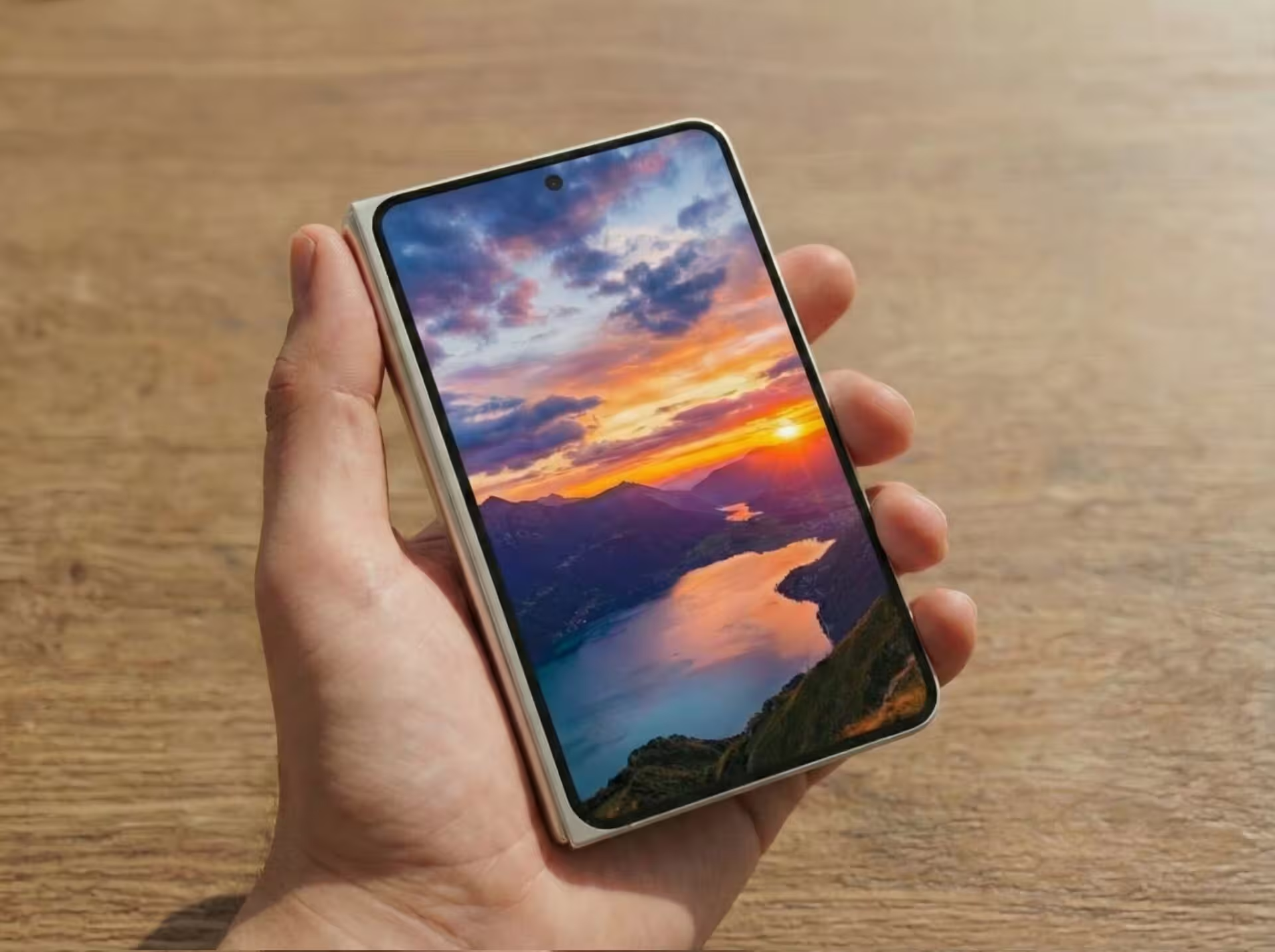
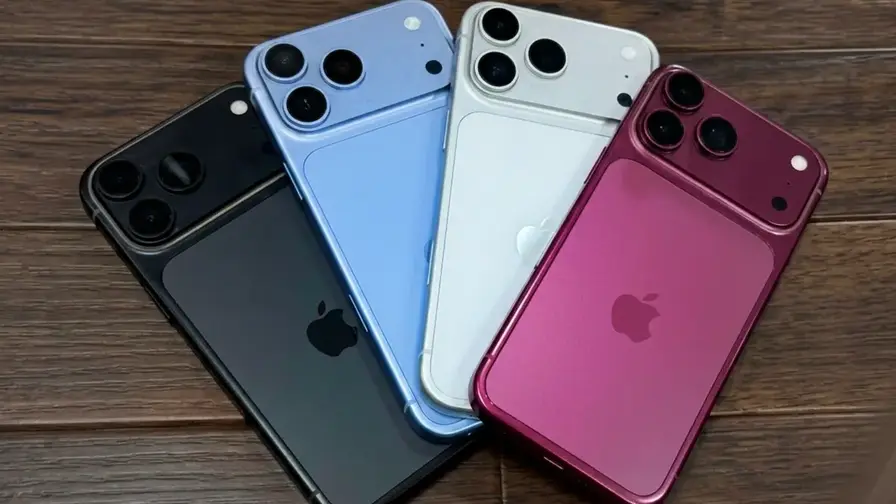
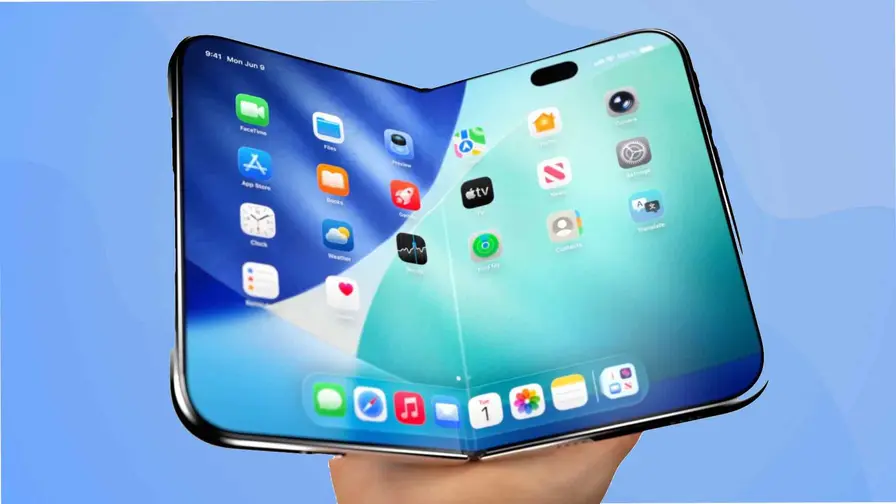
According to prominent leaker Ice Universe, prototype dummies of an "iPhone Fold" and a rumored "Samsung Wide Fold" share a surprisingly similar layout. The move toward a wider foldable isn’t entirely new — it recalls the approach Oppo used with early Find N models — but now the major players may be testing the same concept.
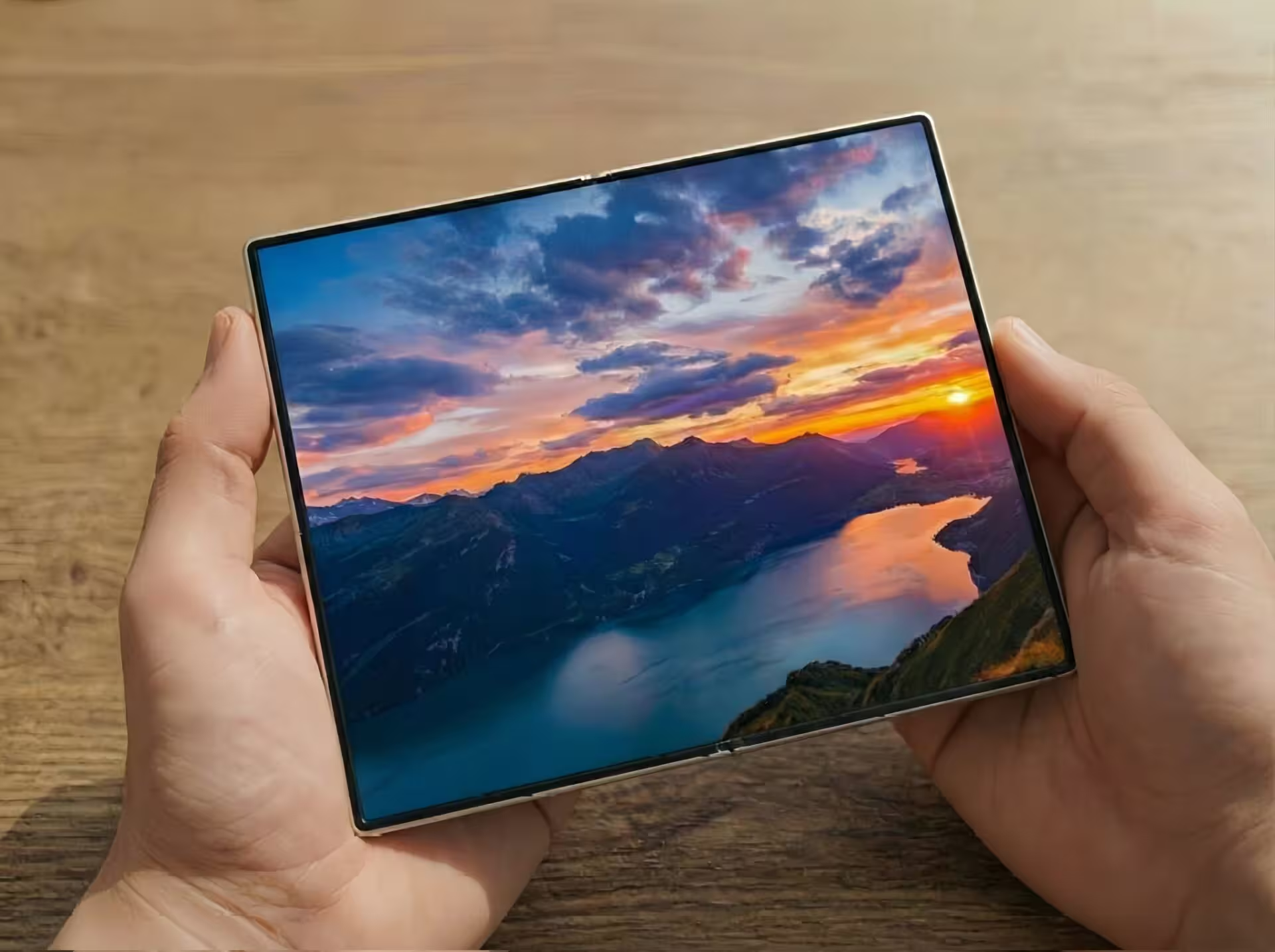
At the heart of the idea is practicality: a wider outer screen makes typing and quick interactions easier, while a wider inner screen with a near-4:3 aspect ratio behaves more like a small tablet for reading, streaming and multitasking. Imagine unfolding a phone and getting a compact tablet experience that fits comfortably in one hand or a jacket pocket.
 |  |
Specs that matter: small differences, big implications
Ice Universe’s leak lists specific sizes: the iPhone Fold is said to pack a 7.58-inch inner display and a 5.35-inch outer cover screen. Samsung’s rumored Wide Fold reportedly offers a 7.6-inch inner panel and a 5.4-inch cover display. On paper those numbers are very close — but real-world feel depends on hinge design, thickness, weight and software polish.
- Inner display aspect ratio: reported around 4:3 for a tablet-like experience.
- Cover display advantages: wider layout helps typing and quick tasks.
- Small size differences: 7.58" vs 7.6" inside, and 5.35" vs 5.4" outside.
Even minor tweaks to the hinge or bezel can change how natural a foldable feels. Software optimization will also play a major role — gestures, multitasking and app scaling can make two otherwise similar devices behave very differently.
Is Samsung switching form factors — or just adding options?
It’s tempting to read this leak as Samsung abandoning its taller Fold design in favor of a wider format to match Apple. Industry reports, however, suggest a different scenario: the rumored Wide Fold may be an additional model, not a replacement. Rumors of two Galaxy Z Fold devices in 2026 hint that Samsung could continue offering both tall and wide foldables side by side.
 | 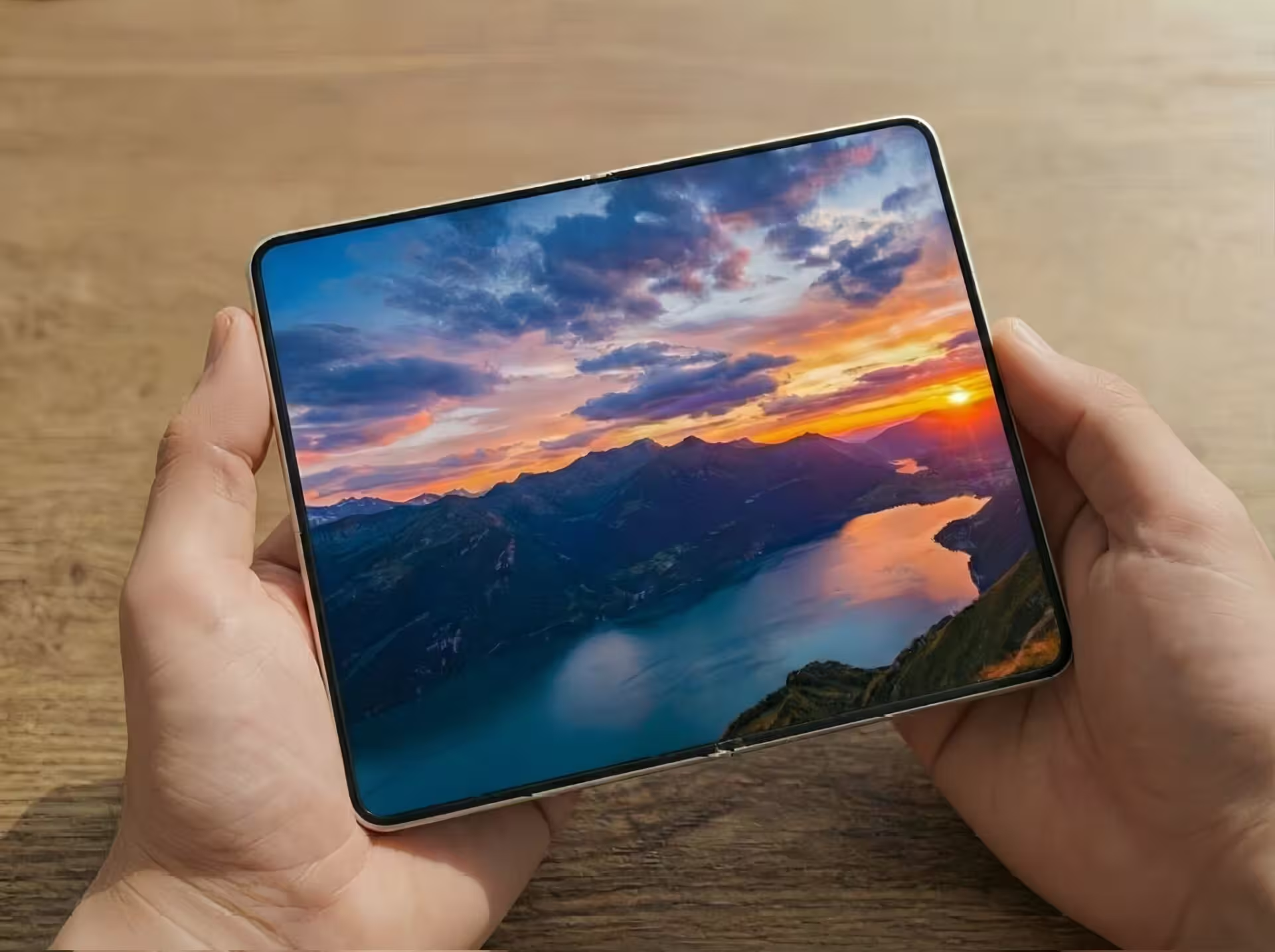 |
That strategy would let Samsung cover more use cases: one model for users who prefer a taller, phone-like posture and another for those who want a compact tablet experience when unfolded. Competition from Apple’s first foldable may be nudging designs toward what customers actually use — bigger inner screens that work well for content and productivity, without becoming pocket-unfriendly.
Why this matters for buyers
If these leaks hold up, shoppers should expect better cover screens and a more usable inner display from future flagships. Whether you care about typing on the outside screen, watching videos on a wider inner display, or simply wanting a foldable that doesn’t feel awkward in a pocket, the coming model lineup could give you more choice.
One thing is clear: hinge engineering, software refinement and real-world comfort will decide the winners — not just the millimeter differences on spec sheets.



Leave a Comment
Comments
No comments yet. Be the first.