

2 Minutes
Samsung is quietly ramping up operations in Austin, Texas, positioning one of its U.S. chip fabs to begin producing camera sensors for future iPhones. The move combines heavy capital spending with targeted hiring — and it could change where Apple sources key imaging components.
Big investment, specific hires — what’s happening in Austin?
Reports indicate Samsung has posted openings for mechanical and electrical project managers at its Austin chip facility. These roles are focused on “hookup” work: coordinating designers, suppliers and equipment engineers to install essential gas and water piping and other infrastructure needed for advanced semiconductor tools.
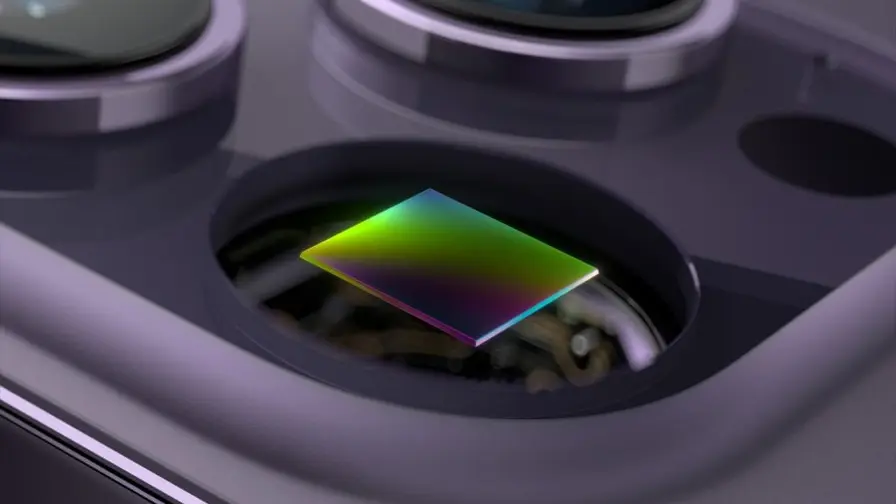
At the same time, Samsung told the Austin City Council it plans to invest roughly $19 billion in the plant for maintenance and new equipment installations. Taken together, the hiring notices and the funding reveal a clear preparation phase for manufacturing CMOS image sensors (CIS) — the tiny chips that power smartphone cameras.

Could Samsung start making iPhone sensors by 2026?
Industry sources say production could begin as early as March 2026. That timeline gives Samsung time to validate processes, qualify suppliers and install the ultra-clean manufacturing systems CIS production demands. For Apple, adding Samsung as a CIS supplier would diversify the iPhone supply chain and potentially speed up the rollout of advanced imaging features.
Why does this matter for smartphone photography?
CMOS image sensors are central to image quality, low-light performance, autofocus and stabilization. Recent leaks suggest Samsung-designed components could support faster autofocus and improved optical or electronic stabilization on future iPhones. Imagine steadier video and sharper low-light shots — improvements many users notice every day.
What this means for Apple and Samsung
- Apple: a potential new supplier for CIS could translate to better negotiation leverage and supply resilience.
- Samsung: expanding CIS production at an American site aligns with broader semiconductor investment trends and brings high-value manufacturing closer to a major customer.
- Consumers: eventual benefits could include faster autofocus, smoother stabilization, and possibly new camera features arriving sooner.
While Samsung and Apple have not officially confirmed a contract for iPhone sensors, the combination of localized investment, technical hiring and a plausible timeline makes the prospect credible. Between corporate filings and job listings, the pieces are falling into place — and Austin may soon be home to another critical link in the global smartphone camera supply chain.






Leave a Comment
Comments
No comments yet. Be the first.